Uganda culture exploration takes you beyond wildlife to meet local communities, discover ancient kingdoms, taste traditional food, experience music and dance, explore heritage sites and understand the living traditions of the Pearl of Africa. At Lavish Safaris Uganda, we create respectful cultural experiences that connect travellers with people, places and traditions across Uganda.
A Uganda safari is often remembered for gorillas in the mist, elephants crossing the savanna or chimpanzees calling through the forest.
But Uganda has another story.
It is told through people.
It lives in the drumbeat of a traditional dance, the preparation of a local meal, the craftsmanship of a basket, the stories shared around a village, the cattle traditions of southwestern Uganda and the royal heritage of kingdoms such as Buganda, Busoga, Tooro and Bunyoro.
Uganda’s cultural landscape reflects more than 56 ethnic communities, each with its own histories, languages, traditions and ways of life. Uganda Tourism Board officially identifies cultural heritage tours, traditional kingdoms, historical sites, culinary experiences and community encounters among the country’s tourism experiences. (Uganda Tourism Board)
At Lavish Safaris Uganda, we believe culture should not be something you simply watch.
We want you to understand it, participate respectfully and leave with a deeper appreciation of the people who make Uganda what it is.
[Plan My Uganda Culture Experience]
Explore Uganda’s culture because it adds human connection and historical depth to a safari, allowing you to experience local food, music, dance, crafts, storytelling, kingdoms, heritage sites and community life.
Wildlife shows you Uganda’s natural heritage.
Culture helps you understand its people.
A cultural experience can introduce you to traditions that have developed across generations.
You might spend a morning exploring Buganda’s royal heritage in Kampala.
Later, you could visit a craft community.
On another journey, you might learn about cattle traditions in Ankole.
In eastern Uganda, you can discover the cultural heritage of the Basoga and Bagisu.
Further north, you can explore Acholi traditions, music and storytelling.
In northeastern Uganda, a journey into Karamoja introduces a very different cultural landscape.
There is no single Ugandan culture.
There are many interconnected cultures, histories and identities.
That diversity is precisely what makes cultural exploration so rewarding.
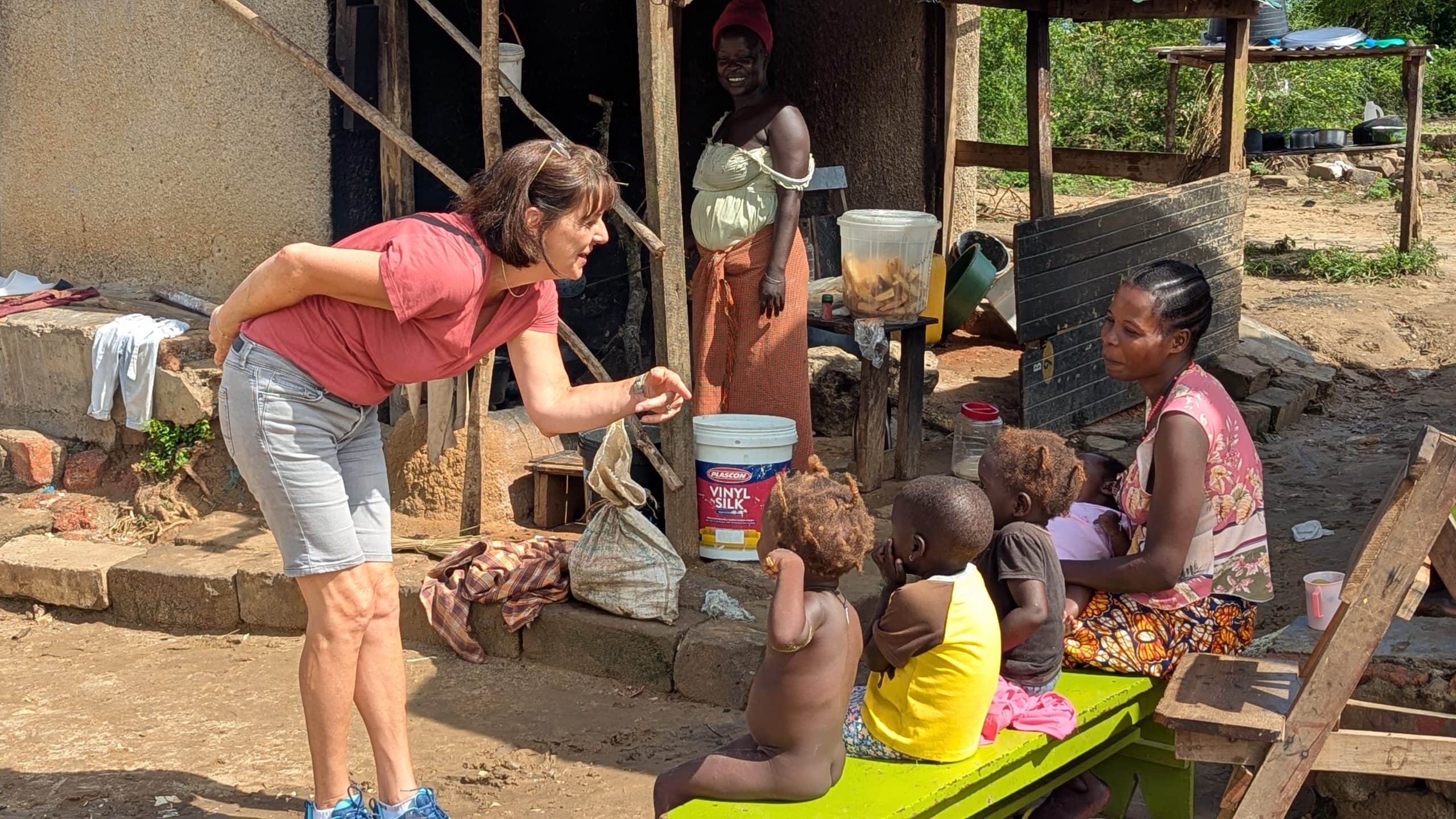
Cultural tourism in Uganda involves experiencing the tangible and intangible heritage of communities, including historical sites, traditional practices, food, music, dance, crafts, languages, stories and ways of life.
It is more than visiting a monument.
A meaningful cultural experience might involve:
Uganda’s tourism authorities recognise cultural tourism as an important tourism product and highlight community visits, cultural assets and heritage experiences alongside wildlife and landscape attractions. (tourismuganda.org)
We design cultural experiences around genuine interaction, local knowledge and respectful engagement rather than staged encounters created solely for tourists.
This distinction matters.
A cultural visit should benefit the people hosting you.
It should also give you enough context to understand what you are seeing.
Therefore, we work with local guides, community hosts, cultural organisations and established tourism experiences where appropriate.
We encourage travellers to:
Our goal is simple:
Leave communities proud of the experience, and leave travellers with something meaningful to remember.
Uganda is one of Africa’s culturally diverse destinations, with more than 56 ethnic communities and several traditional kingdoms contributing to its living cultural heritage. (Uganda Tourism Board)
The country’s cultural geography changes dramatically as you travel.
The Baganda and Buganda Kingdom are central to the cultural identity of the region.
The region includes communities such as the Basoga, Bagisu, Iteso, Bagwere, Banyoli and Samia, among others. (tourismuganda.org)
The cultural landscape includes the Banyankole, Bakiga, Batooro, Banyoro, Bakonzo, Bafumbira and Batwa, among others. (tourismuganda.org)
The region includes communities such as the Acholi, Lango, Alur, Lugbara, Madi and Kakwa. (tourismuganda.org)
The Karamojong have a distinctive pastoral heritage and cultural traditions.
This geographical diversity means we can design a cultural journey around a specific community or create a broader itinerary that introduces you to several regions.
Community visits allow travellers to meet local people, learn about everyday life and understand how traditional practices interact with modern Uganda.
Rather than rushing through a village with a camera, we encourage slower encounters.
Depending on the location, you may learn about:
The exact experience depends on the community and local hosts.
Traditional music and dance provide one of the most energetic ways to experience Uganda’s cultural diversity, with different communities maintaining distinctive rhythms, instruments, movements and ceremonial traditions.
You may encounter:
For example, Entogoro is associated with Banyoro and Batooro traditions, while other regions have their own distinctive dances and musical forms. (tourismuganda.org)
At cultural centres, community events or appropriate local encounters, we can arrange opportunities to experience these traditions.
And sometimes, you do not have to remain in your seat.
Join the dance if your hosts invite you.
Food is one of the most accessible ways to explore Ugandan culture because traditional meals reveal local agriculture, regional ingredients, cooking methods and social customs.
Depending on the region, your experience might include:
In southwestern Uganda, Eshabwe, a traditional Ankole dish prepared with ghee, is among the foods associated with the region’s cultural heritage. (tourismuganda.org)
We can include food experiences within a wider safari rather than treating them as isolated attractions.
A Ugandan cooking experience allows you to move from simply eating local food to understanding how ingredients are selected, prepared and shared.
Depending on the community, you may:
This can be particularly enjoyable for families and travellers interested in food tourism.
Uganda’s craft traditions include basketry, mats, textiles, pottery, wood carving, jewellery and other handmade products created by local artisans.
A good craft experience should introduce you to the person behind the product.
You can learn:
Whenever possible, we encourage direct purchasing from artisans or established community enterprises.
That creates a more meaningful exchange than buying mass-produced souvenirs.
Storytelling provides a window into Uganda’s history, values, beliefs and collective memory, particularly in communities where oral traditions remain important.
A local storyteller may share:
We encourage travellers to approach these stories as cultural heritage rather than automatically treating every traditional narrative as literal historical documentation.
That distinction allows us to respect both cultural knowledge and historical accuracy.
Uganda’s traditional kingdoms provide some of the country’s most important cultural heritage experiences, particularly in Buganda, Tooro, Bunyoro and Busoga.
These institutions have played important historical and cultural roles in their respective regions.
Buganda is particularly important around Kampala and central Uganda.
The kingdom has a deeply documented royal heritage, including the Kabaka, Lukiiko and royal institutions. (tourismuganda.org)
Tooro is centred around Fort Portal and western Uganda.
Its royal heritage provides an important window into the region’s history and identity.
Bunyoro’s history is closely connected to the broader historical development of western Uganda.
The Basoga cultural landscape is centred around eastern Uganda, with the Kyabazinga playing an important traditional role.
We can incorporate appropriate kingdom and heritage experiences into your itinerary.
A Buganda cultural experience introduces travellers to the history, royal heritage, architecture, food, music and traditions of central Uganda.
A cultural itinerary around Kampala can include:
The Kabaka Trail also links several cultural and historical sites associated with Buganda heritage. Tourism Uganda describes the trail as a cultural journey incorporating history, traditional dance, music, crafts, storytelling and other heritage experiences. (tourismuganda.org)
The Kasubi Royal Tombs are among Buganda’s most important heritage sites.
The site is associated with the burial of Buganda’s kings and is recognised as a UNESCO World Heritage property.
We recommend allowing enough time here to appreciate the site’s historical and cultural significance rather than treating it as a quick photo stop.
Kampala is an excellent starting point for culture exploration, with royal heritage, museums, cultural centres, markets, religious landmarks, crafts, food and contemporary Ugandan life all within the wider metropolitan area.
We can combine:
Kampala’s official tourism portal highlights cultural attractions including Ndere Cultural Centre, Kasubi Royal Tombs and the National Theatre and craft village. (Kampala City Tourism Portal)
Ndere Cultural Centre offers visitors an accessible introduction to Uganda’s diverse traditional music, dance and cultural expressions.
It can be particularly useful for travellers with limited time.
Rather than travelling to several regions to experience different traditions, a performance can provide a broad introduction.
For a first-time visitor arriving in Kampala, we often recommend pairing a cultural performance with a city or Buganda heritage tour.
The Uganda Museum offers historical and ethnographic context that can help travellers understand the country’s peoples, archaeological heritage, traditional technologies and cultural development.
We particularly recommend the museum before a longer cultural itinerary.
Why?
Because context changes what you see.
After learning about Uganda’s history, a village visit becomes more than a collection of unfamiliar customs.
You begin to understand the relationships between people, land, language, trade and tradition.
Eastern Uganda offers rich cultural experiences connected to communities such as the Basoga, Bagisu, Iteso, Bagwere and others, alongside major attractions including Jinja and the Nile. (tourismuganda.org)
We can combine culture with:
For travellers visiting Jinja, adding cultural exploration can create a more complete experience than focusing exclusively on adventure activities.
A Busoga cultural experience introduces travellers to the traditions and heritage of eastern Uganda, including the cultural identity of the Basoga and their relationship with the Nile, Lake Victoria and surrounding landscapes.
The Busoga region has its own traditional institution headed by the Kyabazinga.
We can incorporate appropriate cultural sites and community experiences into Jinja-based itineraries.
This works particularly well for travellers combining:
Jinja + Nile + Sipi Falls + Mount Elgon.
The Bagisu of eastern Uganda are particularly known for Imbalu, a traditional male circumcision ceremony with deep cultural significance.
However, this is an area where responsible tourism matters greatly.
We do not treat sacred or culturally sensitive ceremonies as entertainment.
If travellers visit during an appropriate public cultural event, we explain the relevant etiquette and boundaries beforehand.
Your experience should respect the community’s control over its own traditions.
Western Uganda offers some of the country’s richest combinations of cultural heritage, traditional kingdoms, cattle traditions, mountain communities, food and music.
You can explore:
This region is particularly easy to combine with a wildlife safari.
Ankole culture is strongly associated with cattle traditions, particularly the long-horned Ankole cattle that remain an important cultural symbol in southwestern Uganda.
A cultural experience can introduce travellers to:
Rather than reducing the experience to cattle photography, we focus on the relationship between livestock, land, food, status and community life.
A Bakiga cultural experience introduces visitors to the heritage of communities in southwestern Uganda, where mountainous landscapes, agriculture, food, music and community traditions shape everyday life.
This experience pairs naturally with:
Bwindi + Lake Bunyonyi + Mgahinga + Queen Elizabeth.
It can be particularly rewarding after gorilla trekking.
You move from the forest into the communities surrounding it.
That creates a stronger understanding of the human landscape around Uganda’s protected areas.
The Tooro region around Fort Portal combines royal heritage with beautiful landscapes, crater lakes, tea country and local communities.
We can combine cultural exploration with:
This makes Tooro an excellent cultural extension to a chimpanzee safari.
Batwa cultural experiences can provide insight into the history, forest knowledge, traditions and contemporary lives of Batwa communities in southwestern Uganda.
However, this experience requires particular sensitivity.
Batwa communities have experienced profound displacement and social change following the establishment of protected areas in the region.
Therefore, we avoid presenting Batwa people as a historical curiosity.
Instead, we encourage travellers to learn from community-led experiences that allow local people to explain their own history, knowledge and perspectives.
This approach is more respectful and more meaningful.
A cultural experience around Bwindi can complement gorilla trekking by introducing travellers to communities, crafts, food, music, dance and local livelihoods surrounding the forest.
You can combine:
Gorilla trekking + Batwa cultural experience + village visit + traditional food + craft workshop.
This creates a broader understanding of conservation.
Protected forests do not exist separately from people.
Communities live around them.
Their livelihoods and tourism opportunities are connected to the conservation landscape.
Northern Uganda offers a different cultural perspective, with rich Acholi, Lango, Alur, Lugbara, Madi and other traditions shaped by agriculture, pastoralism, oral history, music, dance and community life. (tourismuganda.org)
For travellers visiting:
we can incorporate cultural experiences into the safari.
This makes northern Uganda particularly interesting for travellers who want to understand the country beyond national parks.
Acholi culture offers rich traditions of music, dance, storytelling and community life, making cultural exploration around northern Uganda an excellent complement to wildlife safaris.
Traditional dance and music remain important cultural expressions.
A community experience can introduce visitors to:
We arrange experiences through local hosts rather than attempting to recreate traditions ourselves.
Karamoja offers one of Uganda’s most distinctive cultural experiences, introducing travellers to the traditions of the Karamojong and the pastoral landscapes of northeastern Uganda.
The region is particularly different from Uganda’s western and central safari circuits.
A cultural itinerary may explore:
Uganda’s official tourism information identifies the Karamojong as a pastoral community in northeastern Uganda and highlights their distinctive cultural traditions. (tourismuganda.org)
We do not sell tribal spectacle. We focus on people, history, livelihoods and genuine exchange.
That difference matters.
Kidepo Valley National Park can be combined with cultural exploration in Karamoja, creating a powerful combination of remote wildlife and living cultural heritage.
A safari might include:
Kidepo wildlife → community visit → traditional dance → local food → storytelling → pastoral culture.
This is one of our favourite combinations for adventurous travellers who have more time in Uganda.
Queen Elizabeth National Park can be paired with cultural experiences among communities around the park, particularly in the landscapes between the Rwenzori Mountains, crater lakes and western Uganda’s farming areas.
Depending on your route, we can include:
This makes a wildlife safari more connected to the people living around the conservation landscape.
Murchison Falls can be combined with community and cultural experiences in northern and western Uganda, allowing travellers to explore local livelihoods alongside wildlife and the Nile.
Depending on your itinerary, we can arrange:
For travellers with more time, we can extend the journey toward northern Uganda for a deeper cultural experience.
Uganda’s cultural heritage includes royal tombs, palaces, historical sites, museums, religious landmarks, archaeological locations and traditional institutions.
Some important sites and experiences include:
Buganda royal heritage.
An important site within Buganda’s royal history.
Associated with the institutions of Buganda Kingdom.
Another significant Buganda heritage site.
A major cultural site associated with Buganda kingship.
Historical and ethnographic collections.
Traditional music and dance experiences.
A historic cultural landmark in Kampala.
Tourism Uganda and Kampala’s official tourism portal both identify several of these locations among Uganda’s important cultural attractions. (tourismuganda.org)
The strongest Uganda cultural holidays combine cultural experiences with the country’s famous wildlife destinations, allowing travellers to experience both natural and human heritage.
Consider:
Kampala → Bwindi → Batwa/community experience → Lake Bunyonyi
Kampala → Fort Portal → Kibale → Tooro cultural experience
Murchison Falls → northern community experience → Kampala
Kampala → Kidepo → Karamoja cultural experience
Kampala → Jinja → Busoga heritage → Source of the Nile
Kampala → Murchison Falls → Kibale → Queen Elizabeth → Bwindi → Lake Bunyonyi → Kampala
For first-time visitors, we recommend combining a Buganda heritage experience in Kampala with one community-based experience during your safari.
This gives you two perspectives.
Learn about Uganda’s central cultural and royal history.
Feel everyday life outside the capital.
Taste regional cuisine.
Feel Uganda’s diverse performing traditions.
Meet artisans and understand the work behind their products.
This combination gives you more than a checklist of attractions.
Families can enjoy Uganda’s cultural experiences through cooking, crafts, storytelling, music, dance, community visits and age-appropriate heritage tours.
Children can:
We adjust the pace according to the children’s ages.
For younger children, interactive experiences generally work better than long historical tours.
Couples can combine cultural exploration with private food experiences, artisan workshops, heritage tours, traditional performances and community encounters.
We can create experiences around:
These work particularly well as part of a Uganda honeymoon.
Luxury cultural travel in Uganda does not mean isolating yourself from local communities; it means combining comfort, thoughtful logistics, knowledgeable guides and meaningful experiences.
We can arrange:
The luxury should come from quality and depth, not from turning culture into a performance.
Uganda offers extraordinary opportunities for cultural photography, but portraits should always respect the people being photographed.
We encourage photographers to:
The best cultural photographs often come after conversation.
Connection creates better photographs than distance.
Responsible cultural tourism should create value for local communities while protecting dignity, heritage and cultural ownership.
At Lavish Safaris Uganda, we encourage:
Treat people as hosts, not attractions.
Ask before taking photographs.
Buy directly from artisans when possible.
Use knowledgeable local hosts.
Follow dress and behaviour expectations.
Avoid littering and unnecessary waste.
Choose experiences where tourism revenue reaches local communities.
Uganda Tourism Board’s mandate explicitly includes sustainable tourism and inclusive socioeconomic development. (Uganda Tourism Board)
Wear comfortable, modest clothing that respects the community you are visiting, particularly when entering religious, royal or traditional spaces.
We generally recommend:
Avoid extremely revealing clothing during community and heritage visits.
If a particular community has specific expectations, we brief you beforehand.
We generally recommend paying for organised experiences rather than handing money directly to individuals, especially children.
This creates clearer boundaries.
It also helps ensure tourism revenue supports the agreed community or service.
If you want to purchase something, consider:
crafts + food + guided experiences + community activities.
These create a genuine economic exchange.
We also discourage giving sweets, money or gifts to children during ordinary village visits.
Yes, but authenticity should not mean expecting communities to remain frozen in the past for visitors.
Ugandans live modern lives.
Therefore, our cultural experiences aim to show living culture, not an artificial version of the past.
Uganda cultural tour costs vary according to the destination, duration, transport, accommodation, guide, entrance fees, community experience and whether culture forms part of a wider safari.
A short Kampala cultural tour costs significantly less than a multi-region cultural safari.
Your quotation may include:
We provide a complete quotation based on your actual itinerary rather than advertising a misleading one-size-fits-all price.
[Request a Uganda Culture Safari Quote]
We recommend at least 3–4 days for a focused cultural experience, while 7–14 days allows culture to be combined with Uganda’s major wildlife and primate destinations.
Kampala + Buganda heritage.
Kampala + Jinja + Busoga culture.
Kampala + western Uganda culture + wildlife.
Culture + Murchison + Kibale + Queen Elizabeth.
Culture + wildlife + chimpanzees + gorillas.
The longer the itinerary, the more regional diversity you can experience.
Airport pickup.
Relax and prepare for the journey.
Explore Buganda heritage sites.
Visit selected cultural attractions.
Enjoy a traditional food experience.
Travel east.
Explore Busoga cultural heritage.
Visit the Source of the Nile.
Meet local hosts.
Explore crafts, food or traditional activities.
Travel toward Fort Portal or another selected destination.
Combine community heritage with landscape exploration.
Transfer for departure or onward safari.
A longer itinerary can combine:
Kampala → Murchison Falls → Kibale → Queen Elizabeth → Bwindi → cultural communities
This is particularly good for travellers who want Uganda’s:
people + wildlife + primates + landscapes.
We can customise the cultural experiences according to your interests.
This allows time for:
| Region | Cultural Highlights | Best Combined With |
| Central | Buganda, royal heritage, museums, crafts | Kampala, Jinja |
| Eastern | Basoga, Bagisu, Iteso, crafts, dance | Jinja, Mount Elgon |
| Western | Tooro, Banyankole, Bakiga, Banyoro, Batwa | Kibale, Queen Elizabeth, Bwindi |
| Northern | Acholi, Lango, Alur, Lugbara, music and storytelling | Murchison Falls |
| Northeastern | Karamojong pastoral heritage | Kidepo Valley |
| Southwest | Bakiga, Batwa, Ankole traditions | Bwindi, Mgahinga, Lake Bunyonyi |
Uganda’s tourism authorities recognise significant cultural diversity across these regions and communities. (tourismuganda.org)
Uganda’s cultural experiences can be enjoyed throughout the year because most are community, heritage, food and performance-based rather than dependent on wildlife seasons.
However, the best timing can depend on the specific experience.
For example:
If your trip revolves around a particular cultural festival or ceremony, we recommend planning around the event rather than simply choosing the traditional safari high season.
Culture exploration makes an excellent addition to a Uganda gorilla safari, particularly around Bwindi and Mgahinga.
A typical combination might include:
This adds a human dimension to the gorilla experience.
You see the forest.
Then you meet some of the communities whose lives are connected to the surrounding landscape.
Kibale Forest can be combined with Tooro cultural experiences, local food, tea experiences and community visits around Fort Portal.
A chimpanzee safari becomes more meaningful when you understand the surrounding landscape.
We can combine:
Chimpanzee trekking + Bigodi community experience + Tooro heritage + local food.
A wildlife safari becomes richer when you include local communities, food, heritage and storytelling alongside game drives.
For example:
Wildlife + Nile + northern culture.
Wildlife + fishing communities + western culture.
Gorillas + Batwa/community experiences.
Wildlife + Karamoja culture.
Wildlife + Ankole cattle traditions.
This is why we recommend viewing culture as a core safari experience, not simply an optional extra.
We believe the best cultural safari is one that leaves you better informed, welcomed by your hosts and connected to Uganda beyond its famous wildlife.
Culture exploration involves experiencing Uganda’s living heritage through communities, traditional food, music, dance, crafts, storytelling, historical sites, kingdoms and local ways of life.
Uganda is officially described by the Uganda Tourism Board as having 56+ tribes, while other official Ugandan sources describe the country as home to more than 56 distinct ethnic groups. (Uganda Tourism Board)
Uganda includes many communities, including the Baganda, Basoga, Banyankole, Bakiga, Batooro, Banyoro, Acholi, Lango, Alur, Lugbara, Bagisu, Iteso, Karamojong and Batwa, among many others.
Popular experiences include community visits, traditional food, cooking, music, dance, storytelling, crafts, heritage tours, kingdom experiences and visits to historical sites.
Yes. We can arrange appropriate community visits with local hosts.
Yes. Food experiences can include traditional dishes, cooking demonstrations and meals with local hosts.
Depending on the experience, guests may be invited to participate. We encourage travellers to follow the lead of local hosts.
There is no single best experience. For first-time visitors, we recommend combining Buganda heritage in Kampala with a community experience during a western, northern or eastern Uganda safari.
It can be when communities retain control over their traditions, receive fair economic benefits and visitors behave respectfully.
Usually, but always ask permission first. Some ceremonies, people or sacred places may have restrictions.
Yes. Bwindi and Mgahinga are excellent areas for combining gorilla trekking with community and Batwa-related experiences.
Yes. Kibale can be paired with community experiences around Fort Portal and Bigodi.
Absolutely. We regularly combine culture with Murchison Falls, Queen Elizabeth, Lake Mburo, Kidepo and other safari destinations.
Yes. Cooking, crafts, storytelling, music and dance can be particularly engaging for families.
Yes. Private food, heritage, artisan and community experiences can complement a luxury Uganda honeymoon.
Costs vary according to destination, transport, accommodation, guide services, entrance fees and activities. We provide customised quotations.
A focused experience can take one or two days. For a deeper cultural journey combined with wildlife, we recommend 7–14 days.
Uganda’s greatest cultural attraction is not a single building, dance or ceremony. It is the diversity of people, histories, traditions and everyday lives that you encounter as you travel across the country.
And then return to your safari vehicle with a very different understanding of Uganda.
That is the culture exploration we want to create for you.
At Lavish Safaris Uganda, we design personalised cultural journeys for travellers who want to go beyond sightseeing and experience Uganda through its people.
History. Food. Kingdoms. Music. Dance. Crafts. Communities. Photography. Traditional lifestyles. Or a combination of everything.
We will build the journey around you.