Nature Birding Tours: Discover the Beauty of Birds. Nature birding tours offer an incredible opportunity to explore the beauty of the natural world while discovering birds in their natural habitats. From colorful forest birds to rare wetland species, every birdwatching trip brings something new and exciting.
Whether you are a beginner, an experienced birdwatcher, or a wildlife photographer, birding tours allow you to enjoy nature at your own pace. You can listen to birdsong in peaceful forests, watch waterbirds along beautiful lakeshores, and spot majestic eagles soaring above the African savannah.
East Africa is one of the best regions for birdwatching. Uganda, Rwanda, Kenya, and Tanzania offer a wide variety of habitats, including tropical rainforests, wetlands, mountains, lakes, and open grasslands. These environments support an impressive diversity of bird species.
With the help of experienced local guides, you can discover fascinating birds, learn about their behavior, and explore some of Africa’s most beautiful natural destinations.
If you are looking for a peaceful, educational, and rewarding wildlife experience, a nature birding tour is an excellent choice.
Nature birding tours are guided excursions that allow travelers to observe, identify, photograph, and learn about birds in the wild.
These tours take place in national parks, forests, wetlands, nature reserves, lakeshores, and other bird-rich environments.
Unlike traditional sightseeing trips, birdwatching tours focus on observing birds and understanding their relationship with nature. You may learn how birds communicate, find food, build nests, migrate, and adapt to different habitats.
Experienced bird guides help you identify species by their colors, calls, size, flight patterns, and behavior. Their knowledge makes it easier to find birds that might otherwise remain hidden in thick vegetation or high in the trees.
Nature birding tours can be arranged for a few hours, a full day, or several days. They can also be combined with wildlife safaris, forest walks, chimpanzee tracking, and other nature experiences.
Birdwatching is more than simply looking at birds. It is an opportunity to connect with nature, discover new places, and develop a deeper appreciation for wildlife.
Here are some of the main reasons to choose a guided birding tour.
East Africa is home to an extraordinary range of birds, including colorful bee-eaters, elegant herons, hornbills, sunbirds, turacos, kingfishers, and powerful birds of prey.
Each habitat offers a different birdwatching experience.
In tropical forests, you may hear birds calling from the treetops or spot colorful species moving through the branches. Around wetlands and lakes, you can observe waterbirds feeding, fishing, or resting along the shore.
With a knowledgeable guide, you can identify different species and learn what makes each one unique.
Nature birding tours take you beyond the usual tourist attractions and introduce you to some of Africa’s most beautiful landscapes.
You might walk through a green rainforest, explore a papyrus swamp by canoe, or watch birds flying over open savannah grasslands.
These experiences allow you to appreciate the relationship between birds and their surroundings.
You also have time to enjoy the sounds, sights, and peaceful atmosphere of nature, making birdwatching a rewarding activity for travelers who prefer a slower and more immersive style of travel.
A professional bird guide can make your experience more interesting and productive.
Local guides understand bird behavior, seasonal movements, and the habitats where particular species are commonly found. They can help you distinguish between similar-looking birds and recognise species by their calls.
They also explain the importance of forests, wetlands, and other ecosystems in supporting birdlife.
Whether you are a beginner or an experienced birder, a knowledgeable guide helps you make the most of your time in the field.
Birdwatching is an excellent activity for people who enjoy quiet outdoor adventures.
Instead of rushing between attractions, you can take your time observing birds, listening to their calls, and appreciating the surrounding landscape.
Many birding tours involve gentle walks through nature trails, forests, wetlands, and lakeside areas. Some destinations have steep or uneven terrain, so the itinerary can be selected according to your fitness level and interests.
Responsible birding tours can help support wildlife conservation and local communities.
Tourism creates opportunities for local guides, drivers, accommodation providers, and other community members. It can also contribute to the economic value of protected natural areas.
By choosing a responsible safari operator, you help encourage the protection of bird habitats and promote sustainable tourism.
East Africa offers outstanding birdwatching opportunities because of its diverse landscapes and rich biodiversity.
Each country has its own special habitats and bird species, making it possible to choose a tour that suits your interests.
Uganda is an excellent destination for nature birding tours. Its tropical forests, wetlands, lakes, rivers, and savannah parks support a remarkable variety of birdlife.
The country’s diverse habitats make it possible to combine forest birding, wetland excursions, and traditional wildlife safaris in one trip.
Top birding destinations in Uganda
Bwindi Impenetrable National Park
Bwindi is famous for mountain gorillas, but it is also an important destination for birdwatching.
Its ancient montane rainforest provides habitat for numerous forest birds, including species associated with the Albertine Rift.
Birders can search for turacos, sunbirds, flycatchers, and other forest specialists while exploring the park with an experienced guide.
The terrain can be steep, but the forest offers a rewarding experience for visitors interested in specialized birdlife.
Mabamba Bay Wetland
Mabamba Bay, located near Entebbe on the northern shore of Lake Victoria, is one of Uganda’s most popular birdwatching destinations.
It is particularly famous for the shoebill, a remarkable bird known for its large, shoe-shaped bill.
Visitors usually explore the papyrus channels by canoe with a local guide. Along the way, they may encounter herons, egrets, kingfishers, jacanas, and other wetland species.
Mabamba Bay is an excellent choice for travelers who want to experience wetland birding and search for one of Africa’s most sought-after birds.
Queen Elizabeth National Park offers a mixture of savannah grasslands, woodland, lakes, wetlands, and riverine habitats.
This variety attracts numerous bird species, making the park ideal for travelers who want to combine birdwatching with a wildlife safari.
The Kazinga Channel is particularly interesting for waterbirds, while the park’s grasslands and woodland areas provide opportunities to observe raptors and other savannah species.
Game drives and boat trips can be included in the itinerary for a more varied experience.
Murchison Falls National Park
Murchison Falls National Park combines impressive scenery with excellent birdwatching opportunities.
The park’s habitats include open savannah, woodland, riverbanks, and wetlands along the Nile.
Birdwatchers can search for waterbirds, raptors, and species associated with open grasslands and wooded areas. A birding trip can also include a boat cruise and a visit to the spectacular Murchison Falls.
Kibale National Park
Kibale National Park is widely known for chimpanzee tracking, but it is also a rewarding destination for forest birding.
Its tropical rainforest supports many forest-dwelling species, making it an excellent choice for travellers interested in combining birdwatching with primate experiences.
Guided forest walks provide opportunities to observe birds while learning about the wider ecosystem.
Lake Mburo National Park
Lake Mburo National Park offers a different birding experience, with open grasslands, acacia woodland, lakes, and wetlands.
These habitats support a variety of savannah birds and waterbirds.
The park is a good option for travelers who want to include birdwatching in a relaxed wildlife safari.
Rwanda is another rewarding destination for nature birding tours. Its montane forests, volcanic landscapes, lakes, and wetlands provide habitats for a wide range of bird species.
Nyungwe National Park
Nyungwe is one of Rwanda’s leading birdwatching destinations. Its extensive montane rainforest is especially attractive to birders searching for forest species and Albertine Rift endemics.
With a local guide, visitors can explore forest trails, listen for bird calls, and search for colorful turacos, sunbirds, and other specialized species.
Akagera National Park
Akagera offers a contrasting landscape of savannah, woodland, lakes, and wetlands.
Its diverse habitats attract waterbirds, raptors, and many other species associated with open country and woodland.
Birdwatching can be combined with game drives and boat trips, making Akagera an excellent destination for travelers who want both birds and larger African wildlife.
Volcanoes National Park
Volcanoes National Park is best known for mountain gorilla trekking, but its mountainous forests also offer birdwatching opportunities.
The park is particularly interesting for visitors seeking highland and Albertine Rift bird species.
Because the terrain can be demanding, guided walks should be planned according to your interests and fitness level.
Lake Kivu
The Lake Kivu region offers opportunities to observe birds around the lakeshore and surrounding vegetation.
It is also a relaxing destination for travelers who want to combine birdwatching with scenic views, lakeside accommodation, and cultural experiences.
Kenya offers excellent birdwatching opportunities across its forests, lakes, savannahs, and coastal regions.
Some of the country’s popular birding destinations include:
Kenya is a good choice for travelers who want to combine birdwatching with traditional wildlife safaris and beautiful scenery.
Tanzania’s national parks, woodlands, wetlands, and lakes support a wide variety of bird species.
Popular destinations include:
Tanzania is particularly suitable for travelers who want to combine birdwatching with classic African safari experiences.
The birds you encounter will depend on the destination, habitat, season, and length of your trip.
However, East Africa offers opportunities to observe several fascinating groups of birds.
Forest habitats support many specialized species that live among dense vegetation and tall trees.
These include turacos, forest robins, broadbills, flycatchers, and sunbirds.
Some forest birds are easier to hear than to see, making patience and a knowledgeable guide especially important.
Lakes, swamps, rivers, and marshes attract birds that feed on fish, insects, and other aquatic organisms.
You may encounter herons, egrets, kingfishers, cormorants, pelicans, and jacanas.
In Uganda, the shoebill is a major attraction for birdwatchers visiting Mabamba Bay.
Eagles, hawks, kites, buzzards, and falcons are among the exciting birds that can be observed during African birding tours.
Watching these birds soar, hunt, or perch in their natural surroundings provides a fascinating insight into their behavior and ecological importance.
Open grasslands and woodland habitats support species such as hornbills, rollers, bee-eaters, weavers, and bustards.
Because the vegetation is often more open, some savannah birds may be easier to spot than species living in dense forests.
Some bird species travel long distances between breeding and feeding grounds.
Depending on the destination and time of year, birdwatchers may encounter migratory species from Europe and Asia, as well as birds that move seasonally within Africa.
If you are hoping to see particular migratory species, it is worth planning your tour with a local birding guide.
Birdwatching is possible throughout much of the year in East Africa. However, the best time depends on the destination and the species you want to see.
Dry seasons
Dry periods often provide easier travel conditions and better access to some national parks and nature reserves.
In certain habitats, less vegetation can also make birds easier to observe. However, bird activity varies by location, so dry weather does not always mean better birding.
Rainy seasons
Rainy periods can be rewarding because many resident birds become more active during breeding seasons when food is plentiful.
The landscapes are often greener, and bird activity can be excellent. However, some trails may become muddy, and travel conditions can be more challenging.
Migratory bird seasons
Travelers interested in migratory birds should consider the seasonal movements of their target species.
The best dates vary between destinations, so a local guide can help you choose the most suitable period.
Travel tip: If your main goal is to find rare or specialized bird species, plan your trip around those birds rather than choosing dates based only on the general safari season.
Most birding tours begin early in the morning, when many birds are active and their calls are easier to hear.
Your guide will take you to suitable birding locations and help you identify birds by their appearance, calls, movements, and behavior.
Unlike a conventional sightseeing trip, birdwatching involves moving slowly and stopping frequently. You may spend several minutes observing a single bird or waiting quietly for a species to appear.
Depending on your itinerary, a typical day may include:
Longer tours can include several destinations, allowing you to explore different ecosystems and search for a wider variety of birds.
Packing the right equipment can make your birdwatching experience more comfortable and enjoyable.
Here are some useful items to bring:
You do not need expensive equipment to enjoy birdwatching. A pair of binoculars, comfortable clothing, and an interest in nature are enough to get started.
Birdwatching is suitable for many types of travelers.
Beginners can learn basic bird identification and discover the excitement of spotting different species.
Experienced birdwatchers can choose specialist tours focused on rare birds, endemic species, or particular habitats.
Wildlife photographers can spend time capturing birds in natural settings and learning about their behavior.
Families can enjoy short, accessible birdwatching excursions that introduce children to wildlife and conservation.
Nature lovers can appreciate the peaceful atmosphere of forests, lakes, wetlands, and other natural environments.
Birding groups and researchers can arrange specialized trips focused on particular species or habitats, subject to local regulations.
When booking, explain your interests, experience level, preferred walking distance, and target birds. This helps your tour operator design a suitable itinerary.
Responsible birdwatching helps protect the birds and habitats that make these tours special.
Birds can be sensitive to disturbance, particularly when nesting or raising their young. Visitors should observe them carefully and avoid activities that interfere with their natural behavior.
Follow these simple guidelines:
Responsible birdwatching ensures that future visitors can continue to enjoy these remarkable species in their natural habitats.
Uganda offers excellent opportunities for birding tours ranging from short excursions to longer adventures through forests, wetlands, and national parks.
This short itinerary is ideal for travelers who want to explore bird-rich areas near Entebbe.
Day 1: Birdwatching in Entebbe
Explore the Entebbe Botanical Gardens and other suitable local birding sites. Observe birds in lakeside and woodland habitats while learning about their behavior and identification.
Day 2: Mabamba Bay Wetland
Enjoy a guided canoe excursion through Maamba’s papyrus channels. Search for the shoebill and observe other wetland birds.
Day 3: Morning Birding and Departure
Spend the morning exploring another suitable birding location before concluding your tour.
Shoebill sightings cannot be guaranteed, as the birds move naturally through their habitat.
This itinerary combines wetland birdwatching with the diversity of Uganda’s savannah environments.
Day 1: Arrive in Entebbe and explore local birding sites.
Day 2: Visit Mabamba Bay Wetland for a guided birdwatching excursion.
Day 3: Travel towards a selected national park, with birding stops where practical.
Day 4: Explore the park’s savannah, woodland, riverine, and wetland habitats.
Day 5: Enjoy a final birdwatching session before departure or onward travel.
The national park should be selected according to your target species, available time, and travel preferences.
This longer itinerary is suitable for travelers who want to explore several of Uganda’s major birding habitats.
The route may include Entebbe, Mabamba Bay, Kibale National Park, and Bwindi Impenetrable National Park.
You can begin with wetland birding before travelling to tropical forests in search of forest specialists and Albertine Rift endemics.
Because some destinations are several hours apart by road, careful planning is important. Allow enough time for birdwatching, rest, and travel between locations.
A tailor-made birding tour allows you to explore nature according to your interests, schedule, and budget.
Rather than following a fixed itinerary, you can work with a safari operator to choose destinations, accommodation, transport, and guiding services that suit your needs.
Your tour can be designed around:
A well-planned tour balances birdwatching opportunities with comfortable accommodation, reasonable travel times, and responsible wildlife practices.
Before booking, confirm what is included in the package, such as transport, accommodation, meals, park fees, guide services, and boat excursions.
Nature birding tours offer a wonderful way to discover Africa’s rich biodiversity while enjoying some of its most beautiful landscapes.
From the shoebill wetlands of Uganda to the montane forests of Rwanda and the open savannahs of Kenya and Tanzania, East Africa provides rewarding birdwatching experiences for travelers of all interests and experience levels.
Every excursion offers an opportunity to learn something new, whether you are listening to birdsong in a rainforest, observing waterbirds along a lake, or searching for a rare species with an experienced local guide.
Whether you are planning your first birdwatching holiday or a specialist birding expedition, the right destination and itinerary can make your experience more memorable.
Start planning your nature birding tour today. Explore East Africa’s remarkable birdlife, discover beautiful natural habitats, and enjoy an unforgettable adventure in the wild.
Contact a trusted safari operator to discuss your travel dates, preferred destinations, target bird species, and accommodation needs. Your next birdwatching adventure could be the beginning of a lifelong passion for nature.

Location: Mabamba Swamp, Ziwa Rhino, Murchison Falls/Delta

Location: Lake Opeta, Lake Bisina, and the Pian Upe Wildlife Reserve

Location: Budongo Forest Reserve, Mabira Forest, Bugoma Forest, Bwindi Impenetrable Forest

Location: Bwindi Impenetrable National Park, Kibale National Park, Mgahinga Gorilla National Park, and the Rwenzori Mountains

Location: Lake Mburo National Park
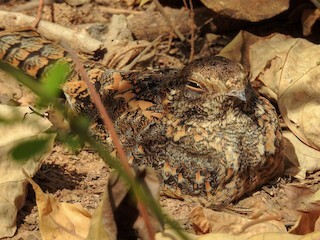
Location: Lake Mburo National Park, Murchison Falls National Park

Location: Kidepo Valley National Park, Queen Elizabeth National Park. and Murchison Falls National Park
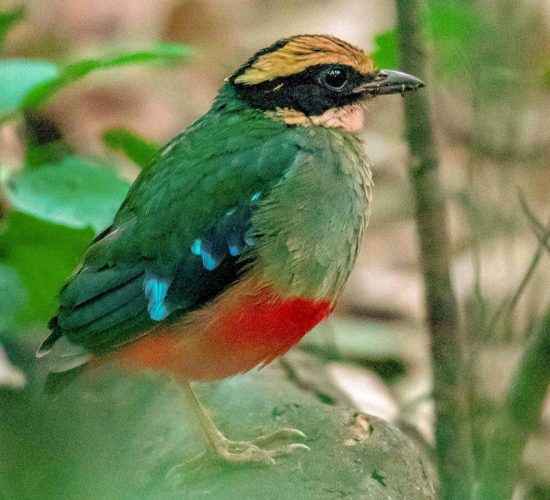
Location: Kibale Forest National Park, Budongo Forest Reserve, and Mabira Forest.

Location: Rwenzori Mountains, Mgahinga Gorilla National Park, and Bwindi Impenetrable National Park

Location: Rwenzori mountain range and Mgahinga Gorilla National Park
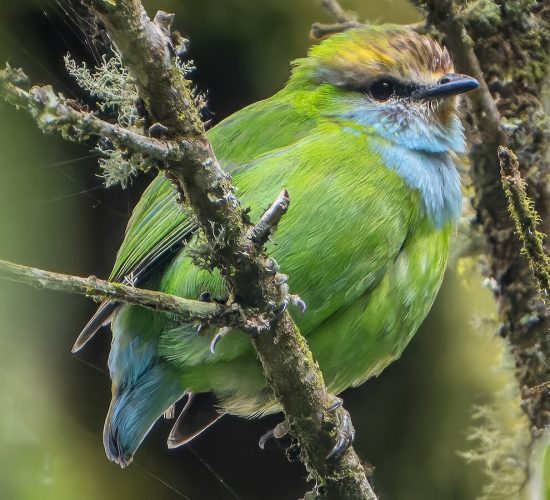
Location: Bwindi Impenetrable National Park

Location: Queen Elizabeth National Park and Kibale National Park