
Uganda Attractions, Discover the Pearl of Africa. Uganda is one of East Africa’s most fascinating travel destinations, offering an extraordinary combination of wildlife, breathtaking landscapes, tropical forests, beautiful lakes, spectacular waterfalls, and rich cultural traditions. Often celebrated as the Pearl of Africa, Uganda welcomes travelers seeking authentic African experiences, unforgettable wildlife encounters, and adventures surrounded by nature.
From the mist-covered forests of Bwindi Impenetrable National Park, where endangered mountain gorillas live, to the powerful waters of Murchison Falls and the snow-capped peaks of the Rwenzori Mountains, Uganda offers an impressive variety of attractions within one country. Visitors can enjoy thrilling wildlife safaris, chimpanzee tracking, mountain hiking, birdwatching, white-water rafting, cultural tours, and peaceful escapes along scenic lakes.
Uganda is also an excellent destination for travelers who want to combine different experiences in one holiday. A single itinerary can include gorilla trekking, traditional game drives, boat safaris, forest walks, and encounters with local communities.
At Lavish Safaris Uganda, we believe that discovering Uganda is about more than visiting famous places. It is about experiencing the country’s natural beauty, understanding its cultural heritage, supporting conservation, and creating memories that last a lifetime.
In this comprehensive guide, we explore some of the best tourist attractions in Uganda and explain what makes each destination special.
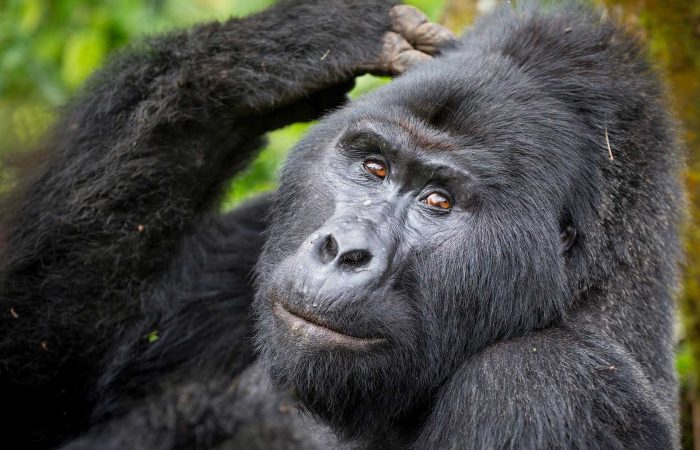
Bwindi Impenetrable National Park is one of Uganda’s most celebrated tourist attractions and a world-renowned destination for mountain gorilla trekking. Located in southwestern Uganda, this ancient rainforest is recognized as a UNESCO World Heritage Site and provides a vital habitat for endangered mountain gorillas.
The park’s dense vegetation, steep hills, misty valleys, and remarkable biodiversity create an unforgettable setting for nature lovers and adventure travelers.
Gorilla trekking is one of the most extraordinary wildlife experiences available in Africa. Visitors join trained guides and park rangers to walk through the forest in search of a habituated mountain gorilla family.
The trek may take several hours, depending on where the gorillas are located. Along the way, visitors can enjoy the sounds of the forest, observe different plant species, and learn about the ecosystem from experienced guides.
When the gorillas are found, visitors are allowed a strictly regulated period to observe them. Watching a family interact naturally in its habitat, especially seeing young gorillas playing while adults feed or rest nearby, is a remarkable experience.
Gorilla permits should be arranged in advance, particularly during busy travel periods.
Beyond gorilla trekking, visitors can enjoy guided forest walks, birdwatching, waterfall trails, photography, and community-based cultural experiences.
The Batwa cultural experience offers an opportunity to learn about the history, traditional knowledge, and forest heritage of the Batwa people through community-led activities.
Bwindi is particularly suitable for wildlife enthusiasts, photographers, birdwatchers, conservation supporters, and travelers seeking a meaningful connection with nature.
Murchison Falls National Park is one of Uganda’s most spectacular wildlife destinations. Located in the northwestern part of the country, the park combines expansive savannah landscapes, woodland, riverine forests, and the mighty Victoria Nile.
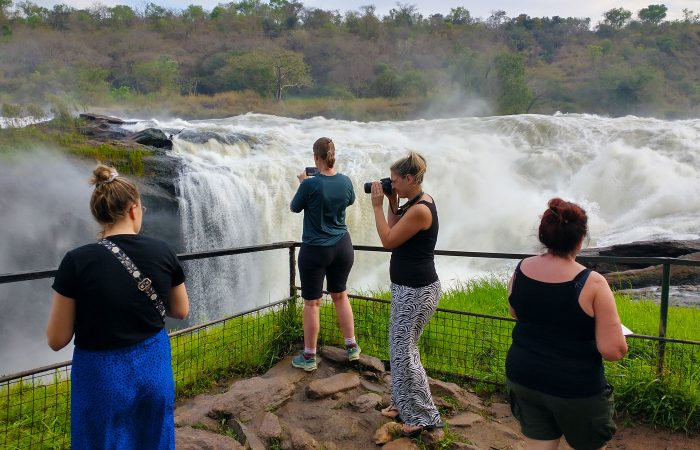
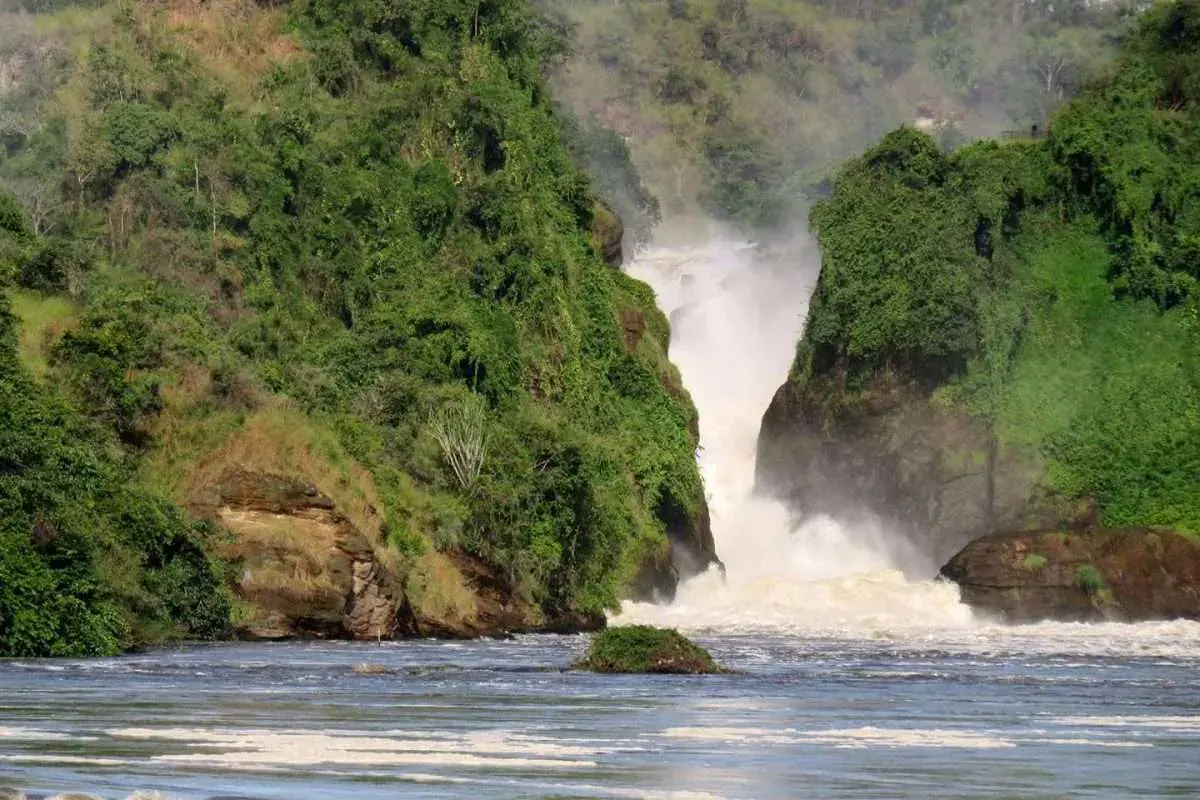
Its most famous attraction is Murchison Falls, where the Nile forces its way through a narrow rocky gorge before plunging into the river below. The resulting spray, thunderous sound, and powerful flow create one of the country’s most impressive natural spectacles.
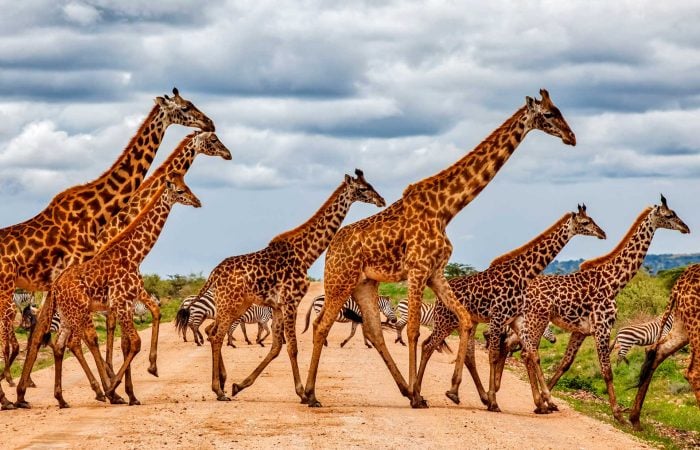
Murchison Falls offers excellent opportunities to explore Uganda’s wildlife. During guided game drives, visitors may encounter African elephants, giraffes, buffaloes, lions, leopards, Uganda kobs, hartebeests, and other wildlife species.
Early morning and late afternoon game drives are popular because many animals are active during the cooler hours.
The open landscapes also provide excellent opportunities for wildlife photography, allowing visitors to capture animals against the backdrop of grasslands, acacia trees, and distant hills.
A boat cruise along the Victoria Nile is one of the park’s signature experiences. As the boat travels toward the base of the falls, visitors may observe hippos, Nile crocodiles, elephants along the riverbanks, and numerous waterbirds.
The cruise offers a different perspective from a traditional game drive and allows visitors to appreciate the relationship between the river and the surrounding wildlife.
For travelers who enjoy birdwatching, the Nile corridor provides opportunities to spot kingfishers, fish eagles, herons, and other water-associated birds.
Visitors can also take a guided walk to viewpoints above Murchison Falls, where they can watch the Nile squeeze through the narrow gorge.
The combination of powerful water, dramatic rock formations, and surrounding greenery makes this a memorable stop for photographers and nature lovers.
Murchison Falls is an excellent choice for travelers who want to combine game drives, boat safaris, birdwatching, and impressive scenery.
Queen Elizabeth National Park is one of Uganda’s best-known safari destinations. Situated in western Uganda, it contains a remarkable variety of habitats, including savannah grasslands, wetlands, forests, crater lakes, and the Kazinga Channel.
This diversity supports a wide range of wildlife and bird species, making the park an excellent destination for both first-time safari visitors and experienced wildlife enthusiasts.
Game drives provide opportunities to search for elephants, buffaloes, Uganda kobs, antelopes, warthogs, lions, and other wildlife.
The Kasenyi Plains are particularly popular for game viewing, while the Ishasha sector in the southern part of the park is famous for its tree-climbing lions. Although sightings are never guaranteed, searching for these remarkable cats is a highlight for many visitors.
The Kazinga Channel connects Lake Edward and Lake George and is one of the park’s most rewarding places for wildlife viewing.
During a guided boat cruise, visitors may see large groups of hippos, crocodiles resting along the banks, buffaloes grazing near the water, and elephants coming to drink.
The channel is also an excellent location for birdwatching, with many waterbirds visible along the shoreline.
Queen Elizabeth National Park is surrounded by beautiful crater lakes, rolling hills, and scenic viewpoints.
Visitors can explore selected crater-lake areas and enjoy guided walks that reveal the region’s volcanic history, rural communities, and spectacular scenery.
The park is especially attractive to travelers who want a varied safari that combines wildlife, birdlife, landscapes, and water-based experiences.
Kibale National Park, located in western Uganda near Fort Portal, is one of Africa’s most important destinations for primate viewing. Its tropical forest provides habitat for chimpanzees and numerous other primate species.
The park is an outstanding destination for travelers interested in animal behavior, rainforest ecology, and wildlife photography.
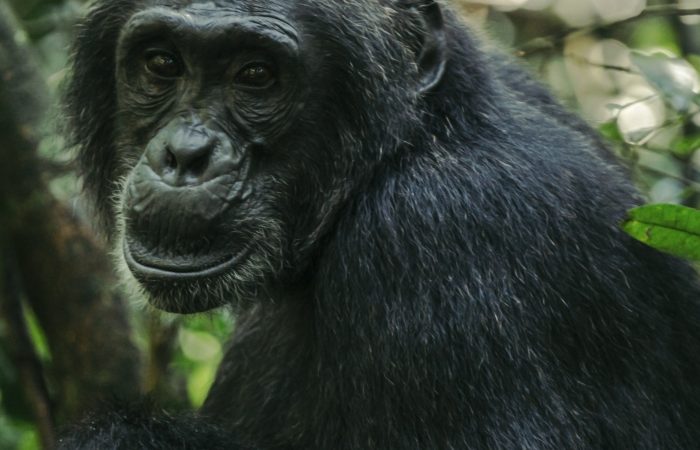
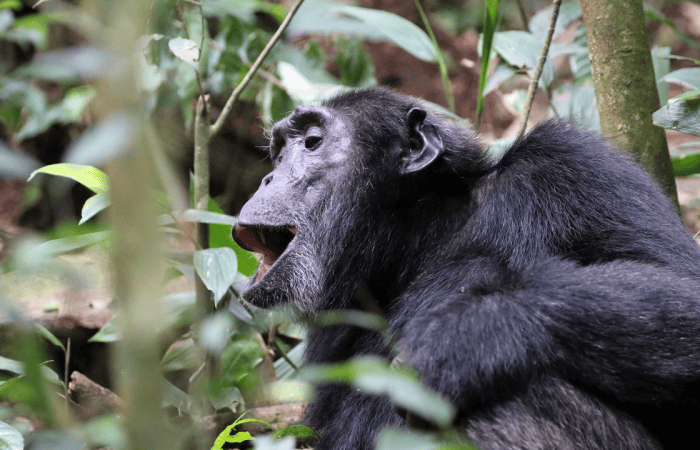
Chimpanzee tracking is the main attraction in Kibale. Visitors join trained guides and park staff to search for chimpanzees in their natural forest habitat.
During the experience, travelers may hear chimpanzees calling through the trees before seeing them moving between branches, feeding, grooming, or interacting with members of their community.
Chimpanzees are highly active animals, so the experience can be dynamic and exciting. Their movements also mean that sightings and tracking durations can vary.
Permits should be booked ahead of time, and visitors must follow the park’s wildlife-viewing guidelines.
Kibale is also suitable for guided nature walks and birdwatching. Visitors may encounter red-tailed monkeys, black-and-white colobus monkeys, and other forest wildlife.
Nearby Bigodi Wetland Sanctuary offers community-guided walks through wetland vegetation, where visitors can observe birds, primates, and other wildlife while learning about local conservation initiatives.
Kibale is an ideal destination to include in an itinerary with Queen Elizabeth National Park or Bwindi Impenetrable National Park.
Located in southwestern Uganda near the borders with Rwanda and the Democratic Republic of the Congo, Mgahinga Gorilla National Park forms part of the spectacular Virunga volcanic landscape.
Although smaller than some of Uganda’s other national parks, Mgahinga offers a distinctive combination of mountain scenery, forest wildlife, and cultural experiences.
Mgahinga is home to mountain gorillas and provides another opportunity to observe these endangered primates in their natural habitat.
The trekking experience involves walking through forested mountain terrain with trained guides and rangers. Visitors should be prepared for steep slopes, changing weather, and uneven trails.
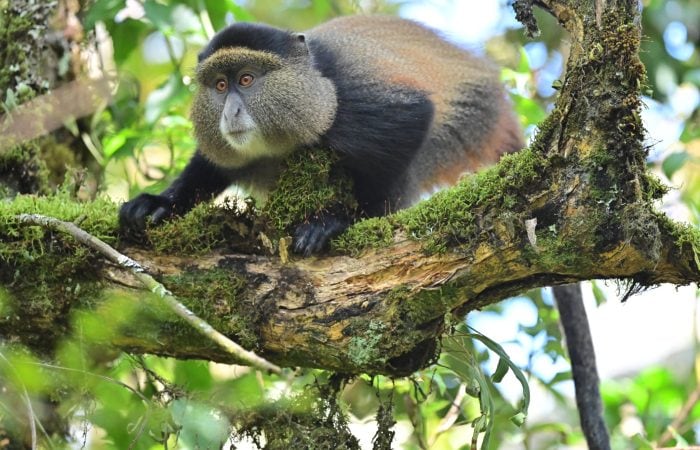
One of Mgahinga’s special attractions is golden monkey tracking. These striking primates live in the bamboo forests of the Virunga Mountains and are known for their distinctive golden-orange markings.
Tracking golden monkeys provides a different primate experience from gorilla trekking and is an excellent addition to a wildlife-focused holiday.
The park offers guided hikes on selected Virunga volcanoes, including Mount Sabinyo, Mount Gahinga, and Mount Muhabura, subject to route conditions and applicable requirements.
Visitors can also learn about the heritage of the Batwa community through responsible, community-led cultural experiences.
Mgahinga is particularly suitable for travelers seeking mountain scenery, primate encounters, hiking, and a quieter forest atmosphere.
Lake Mburo National Park is located in western Uganda between Kampala and the country’s southwestern safari region. Its rolling hills, acacia woodlands, lakes, wetlands, and open grasslands make it a beautiful destination for a short safari or a relaxing stop on a longer journey.
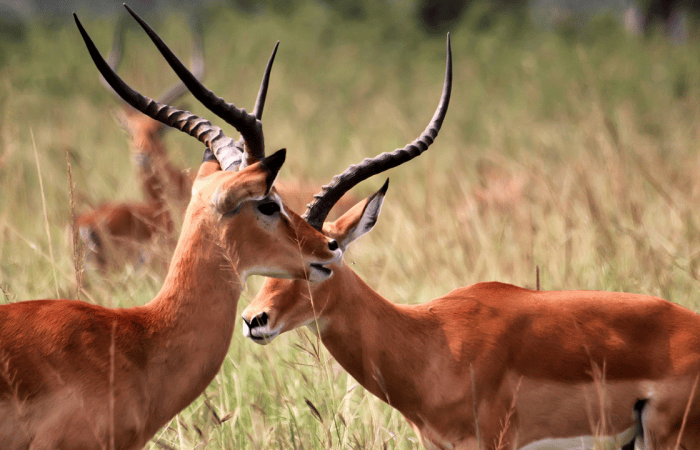
The park is known for animals such as zebras, impalas, buffaloes, giraffes, warthogs, and several antelope species.
Guided game drives provide opportunities to explore the park’s varied landscapes and search for wildlife.
Because Lake Mburo is relatively compact compared with Uganda’s larger national parks, it is often a convenient destination for travelers with limited time.
Boat excursions offer opportunities to observe hippos, crocodiles, and waterbirds around the lake.
The peaceful environment and attractive shoreline make this an enjoyable activity for visitors who want a slower-paced wildlife experience.
Lake Mburo is one of Uganda’s destinations where guided walking safaris and horseback wildlife experiences may be available through authorized operators.
These activities allow visitors to experience the landscape from a different perspective, while following the safety instructions of their guides.
Lake Mburo is a good choice for couples, families, photographers, and travelers combining wildlife viewing with a road trip through western Uganda.
For travelers looking for a remote and less-traveled safari destination, Kidepo Valley National Park in northeastern Uganda offers an exceptional wilderness experience.
The park features broad savannah plains, rugged mountains, seasonal rivers, and expansive landscapes that create a strong sense of isolation and adventure.
Its remote location is part of its appeal, although reaching the park generally requires more travel time than visiting destinations closer to Kampala.
Kidepo is known for its diverse wildlife, including lions, elephants, buffaloes, giraffes, zebras, and several antelope species. Depending on the area and conditions, visitors may also encounter wildlife that is less commonly seen in other Ugandan parks.
Game drives across the Narus Valley provide opportunities to explore open grasslands and search for animals around water sources.
The park is also a rewarding destination for birdwatchers. Its combination of open savannah, rocky terrain, and seasonal wetlands attracts a wide variety of bird species.
The surrounding mountains and broad valleys offer excellent opportunities for landscape photography.
A visit to the wider Karamoja region can provide opportunities to learn about local traditions, pastoral livelihoods, crafts, and community life through respectful, locally guided experiences.
Kidepo is particularly suitable for adventurous travelers, wildlife photographers, and visitors who want to explore a less conventional safari route.
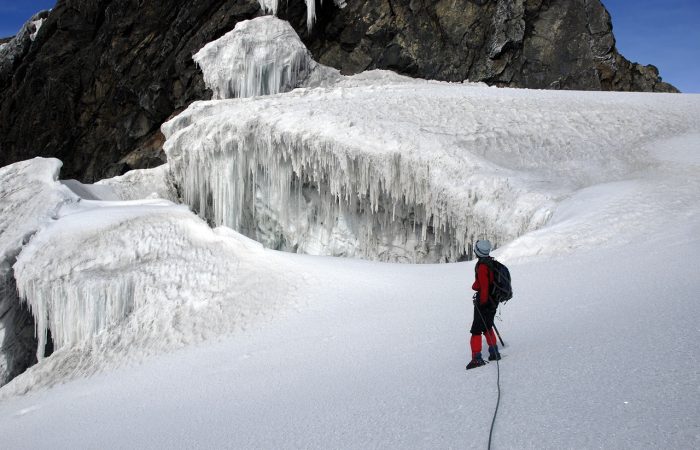
The Rwenzori Mountains, often called the Mountains of the Moon, are among Uganda’s most remarkable natural attractions. Located along the country’s western border, the mountain range features rugged peaks, glaciers on its highest elevations, dramatic valleys, and unusual alpine vegetation.
The landscape changes with altitude, passing through montane forest, bamboo zones, giant heathers, and high-altitude vegetation that gives parts of the range a distinctive appearance.
The Rwenzoris offer hiking experiences ranging from shorter guided walks to demanding multi-day mountain expeditions.
For experienced mountaineers, the range includes Margherita Peak on Mount Stanley, one of Africa’s highest summits. Reaching the higher peaks requires specialist preparation, appropriate equipment, experienced guides, and careful consideration of weather and altitude.
Visitors who prefer less strenuous activities can explore suitable lower-altitude trails and enjoy the mountain scenery without undertaking a summit expedition.
The mountains are known for their waterfalls, forest trails, streams, unusual plants, and rich birdlife.
The Rwenzoris are particularly attractive to photographers, hikers, nature enthusiasts, and adventure travelers seeking an experience beyond traditional savannah safaris.
Mount Elgon National Park lies in eastern Uganda near the Kenyan border. The park protects the slopes of an ancient volcanic mountain and contains montane forests, bamboo vegetation, caves, waterfalls, and high-altitude moorland.
It is a rewarding destination for visitors interested in hiking, nature, and the landscapes of eastern Uganda.
Mount Elgon offers guided hiking routes of varying lengths and difficulty. Longer expeditions explore the mountain’s upper slopes and the enormous caldera near its summit.
The experience is different from climbing the Rwenzoris, with its own distinctive terrain, vegetation, and scenery.
One of the most popular attractions in the wider Mount Elgon region is Sipi Falls, a series of waterfalls near the slopes of the mountain.
Visitors can enjoy guided walks between the falls, take photographs, explore surrounding villages, and admire views over the plains of eastern Uganda.
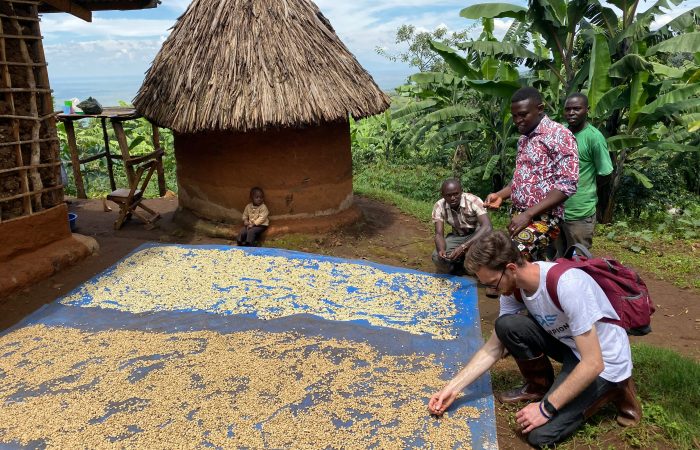
The region is also known for coffee-growing communities, offering opportunities to learn about local coffee production and the livelihoods connected to it.
Mount Elgon and Sipi Falls are excellent additions to an itinerary that includes eastern Uganda’s natural and cultural attractions.
Jinja is one of Uganda’s best-known destinations for outdoor adventure. Located near Lake Victoria, the town is associated with the source of the Nile and offers a variety of activities for travelers seeking excitement, scenic views, and time beside the water.
The source of the Nile is a major attraction for visitors interested in geography and African exploration history.
Boat excursions and visits to designated viewpoints provide opportunities to experience the area and learn about the river’s significance.
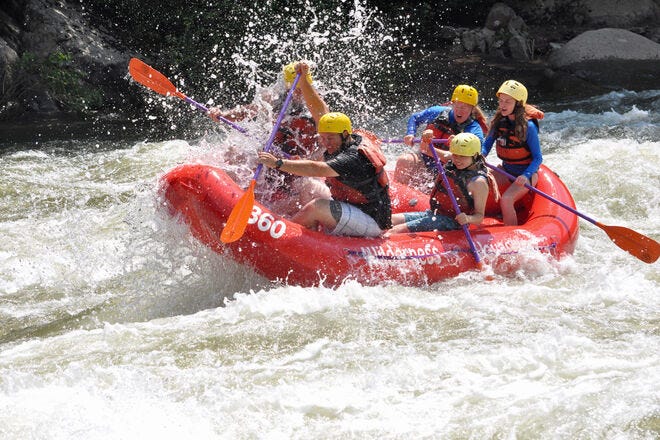
Jinja is widely known for its white-water rafting opportunities along the Nile. Depending on the activity and selected route, visitors can experience rapids, river scenery, and the excitement of guided water adventures.
Travelers should choose reputable operators, follow safety instructions, and check current river conditions before participating.
Depending on availability, visitors can also enjoy kayaking, boat trips, horseback riding, cycling, and other outdoor activities.
Jinja is a popular addition to Uganda itineraries because it combines adventure with cultural experiences, restaurants, accommodation, and relaxing views of the river.
Lake Victoria is one of Africa’s most important natural landmarks and a defining feature of Uganda’s central region.
Its broad waters, islands, fishing communities, and lakeside landscapes provide a different experience from the country’s forests and national parks.
Visitors can enjoy boat excursions, views of fishing communities, and time at selected lakeside destinations.
The lake is also important for local livelihoods, including fishing and transportation. Learning about these activities can help visitors understand the connection between the lake and the surrounding communities.
The Ssese Islands, located in Lake Victoria, offer a relaxing escape for travelers interested in lakeside scenery, beaches, forest walks, and a slower pace of travel.
Depending on the island and accommodation chosen, visitors can enjoy boat trips, nature walks, and time surrounded by tropical vegetation.
Lake Victoria and the Ssese Islands are ideal for travelers who want to balance a busy safari itinerary with rest and relaxation.
Entebbe is a pleasant lakeside town on the shores of Lake Victoria and the location of Uganda’s main international airport. It is often the first or last stop for international travelers.
The town offers gardens, wildlife education, botanical attractions, and opportunities to enjoy the lake before or after a safari.
The Uganda Wildlife Conservation Education Centre, commonly known as UWEC, introduces visitors to a variety of wildlife and conservation topics.
It can be a useful stop for families and travelers who want to learn about Uganda’s wildlife and conservation work.
The Entebbe Botanical Gardens provide a peaceful environment for walking, observing plants, and enjoying lakeside scenery.
Birdwatchers may also appreciate the opportunity to observe birds in the gardens and nearby habitats.
Mabamba Wetland, located in the wider Lake Victoria region, is a famous birdwatching destination and is particularly well known for the shoebill.
Guided canoe excursions through suitable wetland channels offer opportunities to search for this remarkable bird and observe other wetland species.
Shoebill sightings are not guaranteed, but the experience is especially appealing to dedicated birdwatchers.
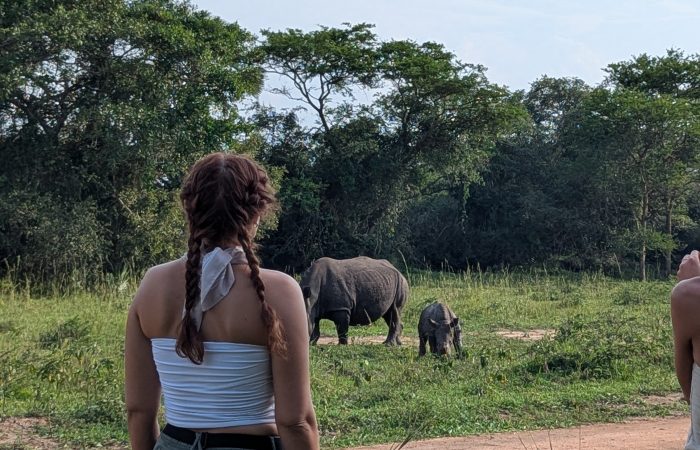
Ziwa Rhino Sanctuary, located north of Kampala along the route toward Murchison Falls, is an important destination for visitors interested in rhinoceros conservation.
The sanctuary supports the conservation of southern white rhinos in Uganda and offers guided experiences that help visitors learn about these impressive animals and the work involved in protecting them.
Walking rhino tracking allows visitors to explore the sanctuary with trained guides and learn about rhino behavior, habitat, monitoring, and conservation.
Because this is a guided wildlife experience, visitors must follow instructions carefully and maintain the required distance from the animals.
Ziwa is a valuable addition to a road trip toward Murchison Falls National Park and offers a different perspective on Uganda’s conservation efforts.
Semuliki National Park lies in western Uganda near the Democratic Republic of the Congo border. It protects a lowland tropical forest with a distinctive Central African character.
The park is known for its forest biodiversity, birdlife, butterflies, and the Sempaya Hot Springs.
The Sempaya Hot Springs are among the park’s most famous attractions. The site features geothermal activity that can be observed from designated areas.
Visitors can explore the surroundings with guides, learn about the natural processes that produce the hot springs, and discover the cultural significance associated with the site.
Semuliki is an excellent destination for birdwatchers interested in forest species, particularly birds associated with the Congo Basin.
Guided walks also introduce visitors to forest plants, butterflies, and other aspects of the ecosystem.
The park is a rewarding option for travelers who want to explore Uganda’s less familiar natural attractions.
Mabira Forest is a large tropical forest reserve located between Kampala and Jinja. It provides a convenient nature escape for travelers who do not have enough time to visit a national park farther away.
The forest contains a variety of trees, birds, butterflies, and other wildlife.
Guided walks introduce visitors to forest ecology and provide opportunities to observe birds and learn about the importance of protecting tropical forests.
Depending on the activities available, visitors may also enjoy cycling and other guided outdoor experiences.
Mabira is suitable for short excursions, educational visits, birdwatching, and travelers who want to include a nature experience in a shorter Uganda itinerary.
Ssezibwa Falls, located east of Kampala, combines a scenic natural setting with cultural and spiritual significance.
The river flows through a rocky landscape, creating attractive views and opportunities for photography. The area is also associated with traditional Buganda cultural stories and heritage.
Visitors can explore the surroundings, learn about the site’s cultural importance, and enjoy a short excursion away from the city.
Because the site has cultural significance, visitors should respect local customs and follow guidance provided by community representatives.
Uganda’s attractions extend beyond wildlife and landscapes. The country’s cultural diversity offers opportunities to learn about traditional kingdoms, music, dance, crafts, food, and community life.
The Kasubi Royal Tombs in Kampala are an important cultural site associated with the kings of Buganda. The site is recognized for its historical, architectural, and spiritual importance.
Visitors should check current access arrangements before planning a visit, as conservation work or site conditions may affect entry.
The Uganda Museum in Kampala introduces visitors to the country’s cultural heritage, traditional technologies, musical instruments, archaeology, and ethnographic collections.
It is a useful place to learn more about Uganda’s history and the cultural practices of its communities.
Cultural experiences may include traditional performances, craft demonstrations, local cooking, market visits, and guided community walks.
Visitors can learn about regional foods such as matooke, groundnut sauce, and other locally prepared dishes, depending on the community and season.
Responsible cultural tourism should be organized with local hosts and guides who can explain traditions accurately and ensure that communities benefit from visitor activities.
Uganda is an outstanding destination for birdwatching because of its variety of habitats, which include tropical forests, wetlands, lakes, savannahs, mountains, and river systems.
These habitats support an impressive range of resident and migratory birds, attracting both experienced birders and beginners.
Bwindi Impenetrable National Park: Offers opportunities to search for forest birds, including species associated with the Albertine Rift.
Mabamba Wetland: Famous for the shoebill and other wetland birds.
Queen Elizabeth National Park: Combines savannah, woodland, wetlands, and lakeside birding.
Murchison Falls National Park: Provides riverine, savannah, and woodland habitats with excellent birdwatching opportunities.
Semuliki National Park: Particularly interesting for birders seeking Central African forest species.
Kibale National Park: Offers forest birdwatching alongside its famous chimpanzee-tracking experiences.
A specialist birding itinerary can be tailored to the species of interest, available time, preferred accommodation, and the season of travel.
Uganda can be visited throughout much of the year, but weather conditions and individual travel interests can influence the best time for a particular itinerary.
June to August and December to February are commonly considered useful periods for many safari activities. Trails may be easier to navigate in some locations, and wildlife viewing in certain savannah areas can be rewarding.
These periods can also be busy, so accommodation and permits for popular activities should be arranged early.
March to May and September to November generally experience wetter conditions in many parts of the country, although rainfall varies by region and year.
The landscapes can be particularly green, and birdwatching may be rewarding. However, muddy trails and wet weather can affect driving times, hiking, and forest activities.
The best time depends on what you want to experience. Gorilla trekking, chimpanzee tracking, mountain hiking, birdwatching, and traditional game drives each have different considerations.
Travelers should check current weather conditions, permit availability, and local advice when planning their itinerary.
A successful Uganda holiday begins with choosing attractions that match your interests, available time, and travel budget.
Begin by identifying your priorities. You may want to focus on mountain gorillas, chimpanzees, classic wildlife safaris, birdwatching, hiking, cultural experiences, or adventure activities.
Selecting a few main experiences helps create a more comfortable and rewarding itinerary.
Uganda’s attractions are spread across different regions, and driving times can be significant. Grouping destinations by region helps reduce unnecessary travel.
For example, a western Uganda itinerary could combine Kibale National Park, Queen Elizabeth National Park, and Bwindi Impenetrable National Park.
A northern itinerary could include Ziwa Rhino Sanctuary and Murchison Falls National Park, while a shorter trip might combine Entebbe, Jinja, and nearby nature attractions.
Gorilla trekking and chimpanzee tracking require advance planning, and permits are subject to availability and applicable regulations.
Choose accommodation that suits your budget and preferred experience, from comfortable lodges to luxury safari camps.
For mountain hikes and specialized activities, confirm the necessary equipment, fitness requirements, guiding arrangements, and local conditions before departure.
Responsible tourism helps protect wildlife, natural habitats, and cultural heritage.
Visitors should follow park rules, maintain appropriate distances from wildlife, avoid littering, respect local communities, and use authorized guides and service providers.
Choosing responsible tourism experiences can also help support conservation initiatives and local livelihoods.
At Lavish Safaris Uganda, we understand that every traveler has different interests, expectations, and ideas of an unforgettable holiday.
Some visitors dream of meeting mountain gorillas in Bwindi, while others want to explore the savannahs of Queen Elizabeth National Park, experience the power of Murchison Falls, or discover the quieter beauty of eastern Uganda.
A carefully planned itinerary can bring these experiences together while allowing sufficient time for travel, relaxation, and exploration.
Whether you are planning a private safari, a luxury wildlife holiday, a birdwatching tour, a family adventure, a honeymoon, or a tailor-made journey through East Africa, our goal is to help you discover experiences suited to your preferences.
We encourage travelers to plan early for popular activities and to share their travel dates, group size, interests, and accommodation preferences when requesting a safari proposal.
Uganda is a destination of remarkable diversity, where tropical forests, open savannahs, dramatic mountains, great lakes, powerful rivers, and vibrant cultural traditions come together.
From mountain gorilla trekking in Bwindi and chimpanzee tracking in Kibale to wildlife safaris in Murchison Falls and Queen Elizabeth National Parks, the country offers unforgettable experiences for nature lovers and adventure seekers.
Travelers can also discover the Source of the Nile in Jinja, enjoy the scenery of Sipi Falls, explore the remote wilderness of Kidepo Valley, observe shoebills in Mabamba Wetland, or learn about Uganda’s cultural heritage through local communities and historic sites.
The beauty of Uganda lies not only in its famous attractions but also in the diversity of experiences that can be combined into a single journey.
Plan your next African adventure with Lavish Safaris Uganda and discover the Pearl of Africa. Let us help you explore Uganda’s wildlife, landscapes, cultures, and hidden treasures through a journey designed around your interests.
Lavish Safaris Uganda — Discover Africa, Experience Nature, Create Lasting
From Entebbe to Jinja, Murchison Falls to Queen Elizabeth, Kibale to Bwindi, and Lake Bunyonyi to the far reaches of southwestern Uganda, our destinations give you countless ways to experience the Pearl of Africa.
Explore our destinations below and discover where your next Uganda adventure could take you.