
Best Things to Do in Kibale National Park. Kibale National Park is one of Uganda’s most remarkable destinations for wildlife, primates, nature, bird watching, and cultural experiences. Located in western Uganda, the park is famous for its lush tropical rainforest and its remarkable diversity of primates.
Kibale is particularly renowned for chimpanzee tracking, but there is much more to experience beyond chimpanzees. Visitors can explore the forest on guided nature walks, discover the nearby Bigodi Wetland Sanctuary, enjoy bird watching, experience local culture, and take part in specialized chimpanzee habituation experiences.
The park covers about 321 square kilometres and has an elevation ranging from approximately 1,160 to 2,607 metres.
Whether you are traveling alone, as a couple, with family, with friends, or as part of a group, Kibale can offer experiences that can be arranged around different interests, schedules, and activity levels.
1. Chimpanzee Tracking – Best Things to Do in Kibale National Park
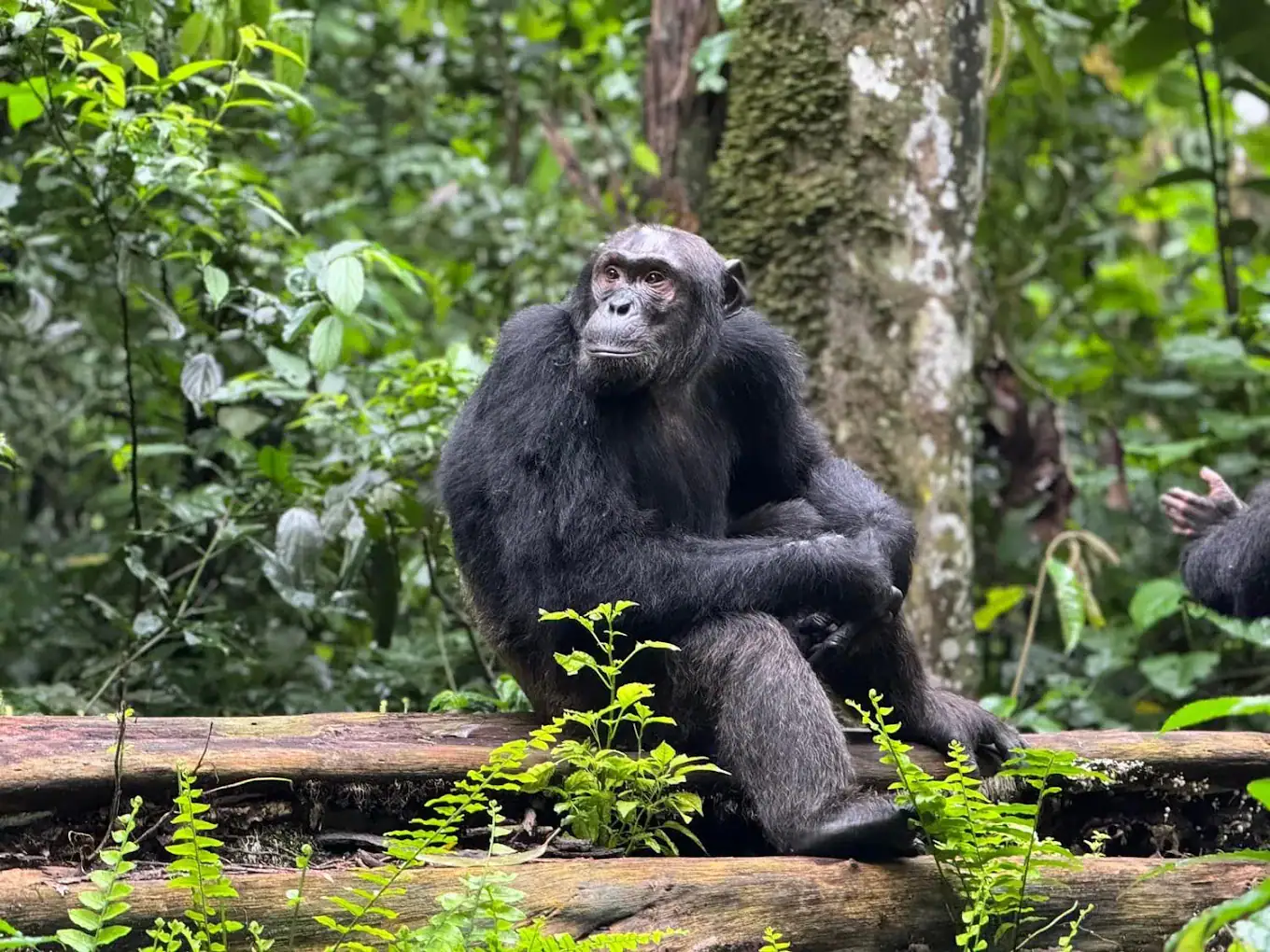
Chimpanzee tracking is the most famous activity in Kibale National Park and is a major reason many travelers include the park in their Uganda safari.
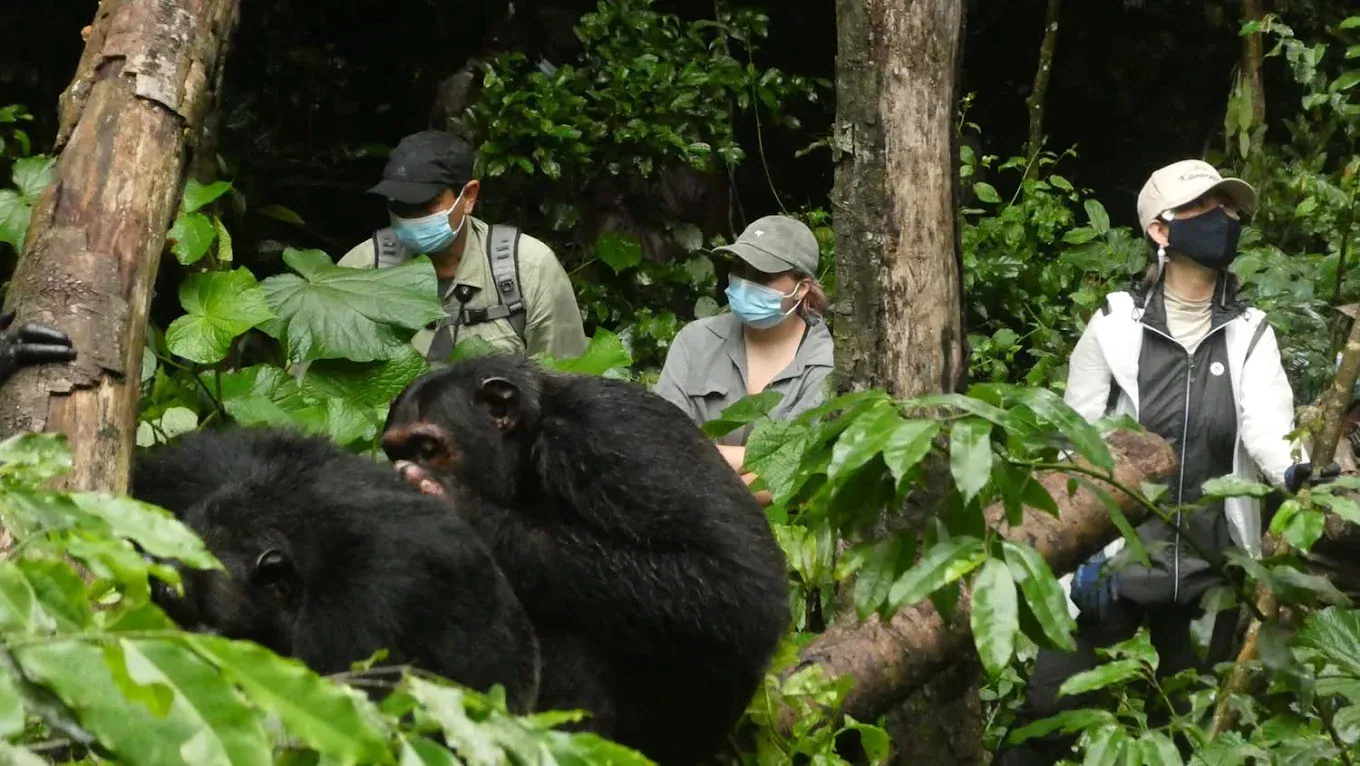
Kibale is home to a large population of chimpanzees, and visitors can enter the forest with trained guides and trackers to search for habituated chimpanzee communities.
The experience begins with a briefing before visitors enter the forest. The walk can take several hours depending on where the chimpanzees are located and how far they have moved.
Once the chimpanzees are found, visitors can observe them as they feed, move through the trees, groom one another, communicate, and interact within their communities.
UWA’s current guidelines state that chimpanzee tracking takes place from designated entry points, including Kanyanchu, and that normal viewing time is limited to a maximum of one hour after the chimpanzees are encountered.
Chimpanzee sightings are not guaranteed because these are wild animals moving freely through the forest. However, the habituated communities at Kanyanchu have been monitored for many years, providing visitors with a strong opportunity to experience them in their natural environment.
What makes chimpanzee tracking special?
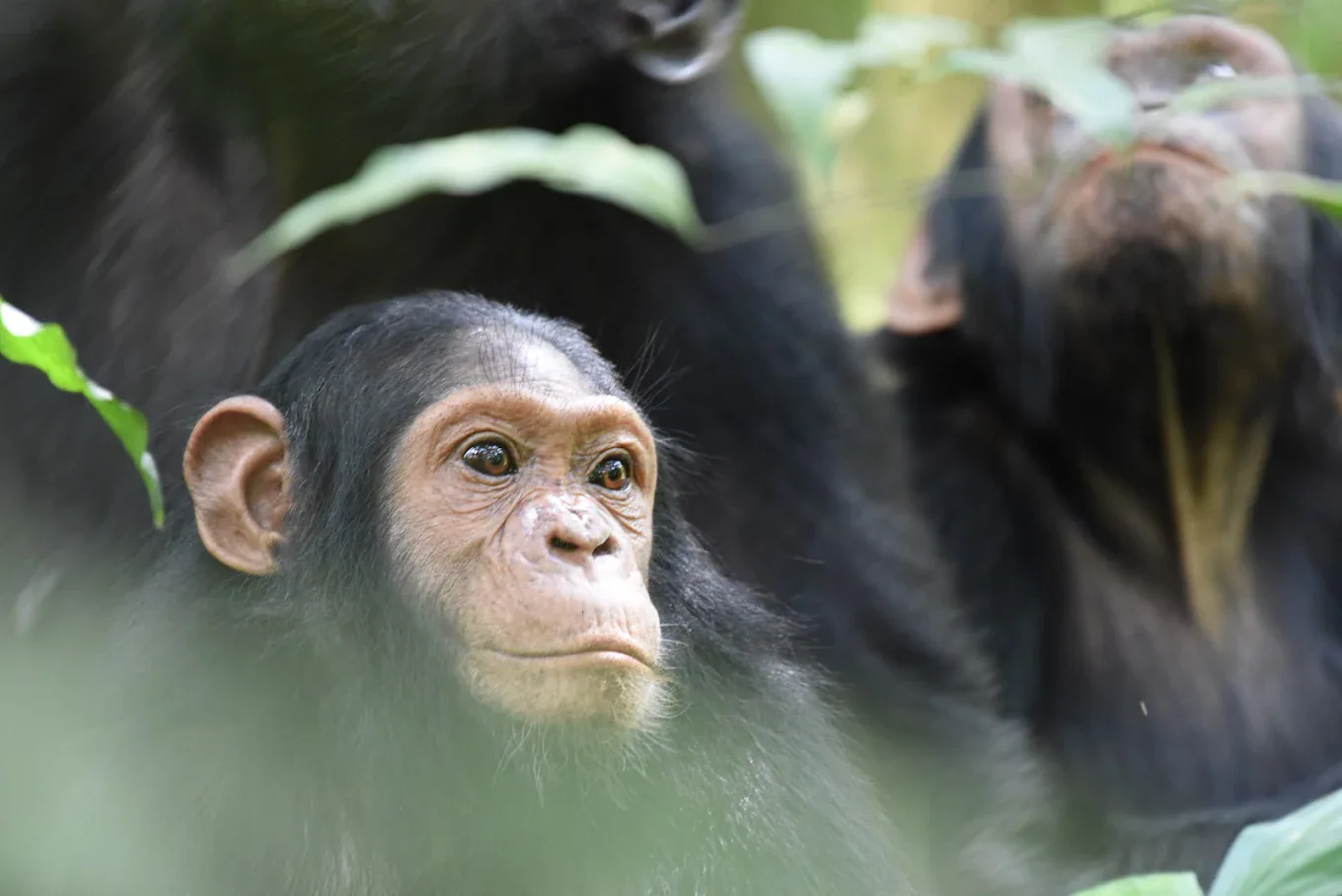
Chimpanzees share many characteristics with humans, making it fascinating to observe their social relationships and communication.
Watching a chimpanzee family move through the forest canopy or seeing young chimpanzees playing can be an unforgettable wildlife experience.
2. Chimpanzee Habituation Experience – Best Things to Do in Kibale National Park
For visitors who want a deeper experience with chimpanzees, Kibale also offers the Chimpanzee Habituation Experience.
Habituation involves gradually helping chimpanzees become accustomed to the presence of people.
Unlike standard chimpanzee tracking, this experience provides considerably more time in the forest with the chimpanzees. Visitors accompany researchers and habituation teams while observing the animals and learning about their behaviour.
UWA states that chimpanzee habituation experiences can involve spending the day with chimpanzees, and current guidelines allow a maximum viewing period of four hours for habituation experiences.
This activity is particularly appealing to wildlife enthusiasts, photographers, conservation supporters, students, researchers, and travelers who want a more immersive forest experience.
Because spaces and conditions can vary, advance planning and confirmation of current availability are recommended.
3. Bigodi Wetland Sanctuary
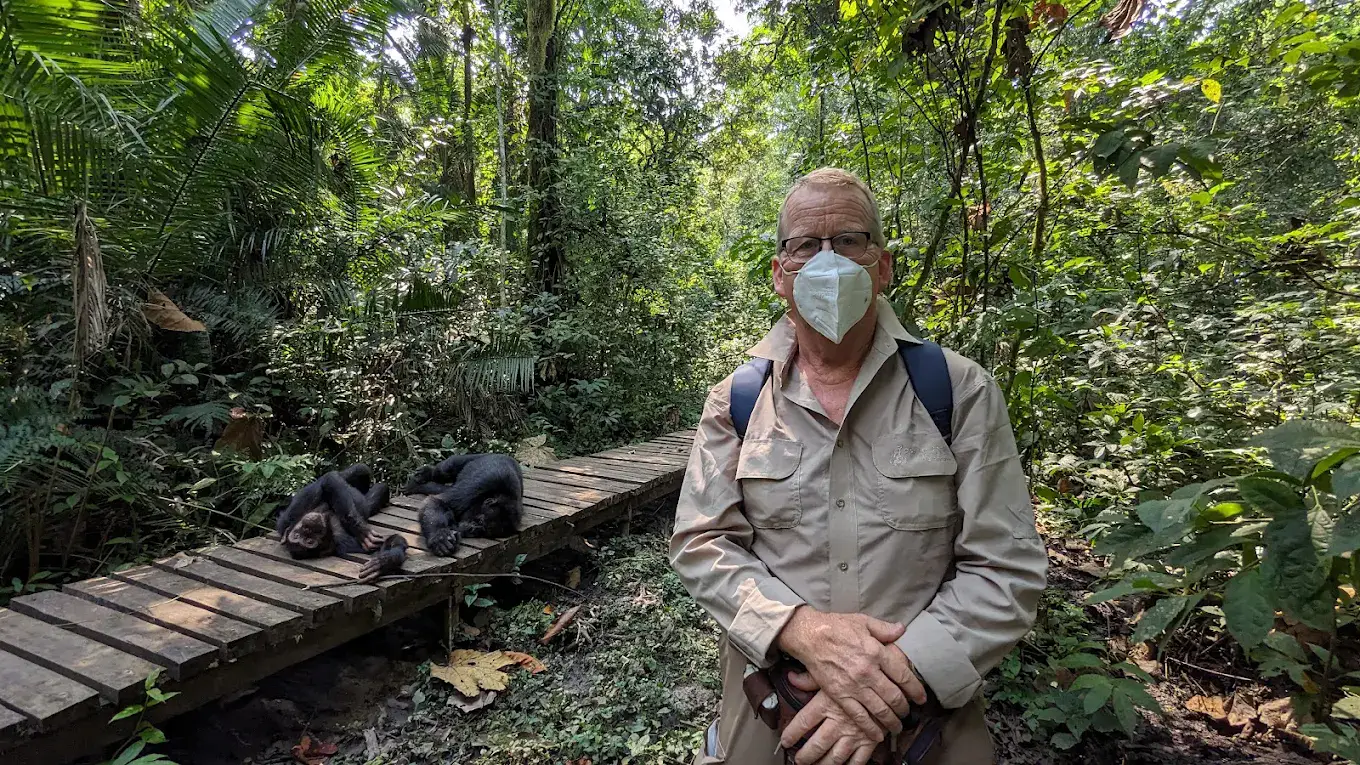
A visit to the Bigodi Wetland Sanctuary is one of the best activities to add to a Kibale safari.
Bigodi is located outside the main park boundary and is known for its community-based approach to conservation and tourism.
The guided wetland walk takes visitors through a different ecosystem from the dense rainforest of Kibale.
Along the way, you may encounter different species of monkeys, birds, butterflies, and other wildlife.
The sanctuary is also an excellent birding destination, with a wide range of wetland and forest-associated species.
The experience is especially valuable because tourism in the area contributes to community development initiatives.
Why visit Bigodi? – Best Things to Do in Kibale National Park
Bigodi combines nature, wildlife, bird watching, and community tourism.
It is a great choice for travelers who want to understand how conservation and tourism can work together to benefit local communities.
4. Bird Watching
Kibale National Park is an excellent destination for bird enthusiasts.
The park and surrounding habitats support hundreds of bird species, including forest species and birds associated with the Albertine Rift.
Bird watching can be combined with chimpanzee tracking, nature walks, or a dedicated birding excursion.
The Bigodi Wetland Sanctuary is particularly popular for bird watching because the more open wetland environment can make it easier to observe and identify birds.
Some species visitors may search for include:
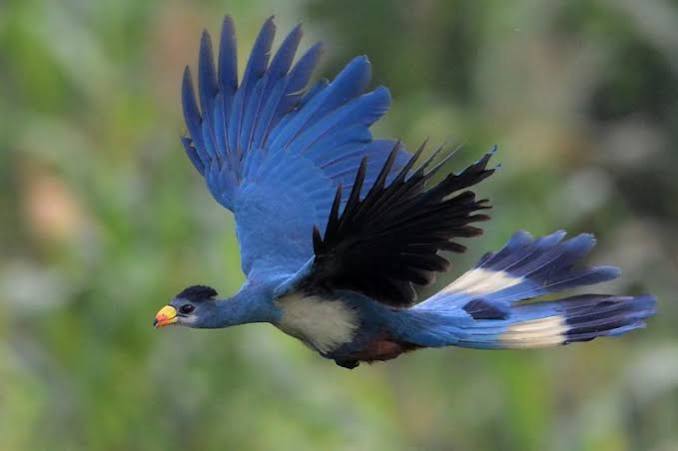
- Great blue turaco
- African pitta
- Grey parrot
- Western nicator
- Yellow-spotted barbet
- White-tailed ant-thrush
- Superb sunbird
- Various kingfishers
- Forest and wetland species
Bird sightings vary with season and conditions, so a knowledgeable local guide can make the experience much more rewarding.
5. Guided Forest Nature Walks – Best Things to Do in Kibale National Park
Kibale’s forest can also be explored through guided nature walks.
These walks provide an opportunity to appreciate the wider ecosystem rather than focusing only on chimpanzees.
As you walk through the forest, your guide can introduce you to different plants, trees, insects, birds, animal tracks, and other signs of forest life.
You may also encounter several primate species, including red-tailed monkeys, black-and-white colobus monkeys, L’Hoest’s monkeys, and grey-cheeked mangabeys.
Nature walks are a good option for visitors who want to enjoy the forest at a more relaxed pace.
6. Primate Watching
Kibale is sometimes described as one of Africa’s leading destinations for primate diversity.
The forest provides habitat for numerous primate species, making it an excellent destination for anyone fascinated by monkeys and apes.
Depending on where you explore, you may encounter:
- Chimpanzees
- Red colobus monkeys
- Black-and-white colobus monkeys
- Red-tailed monkeys
- Blue monkeys
- L’Hoest’s monkeys
- Grey-cheeked mangabeys
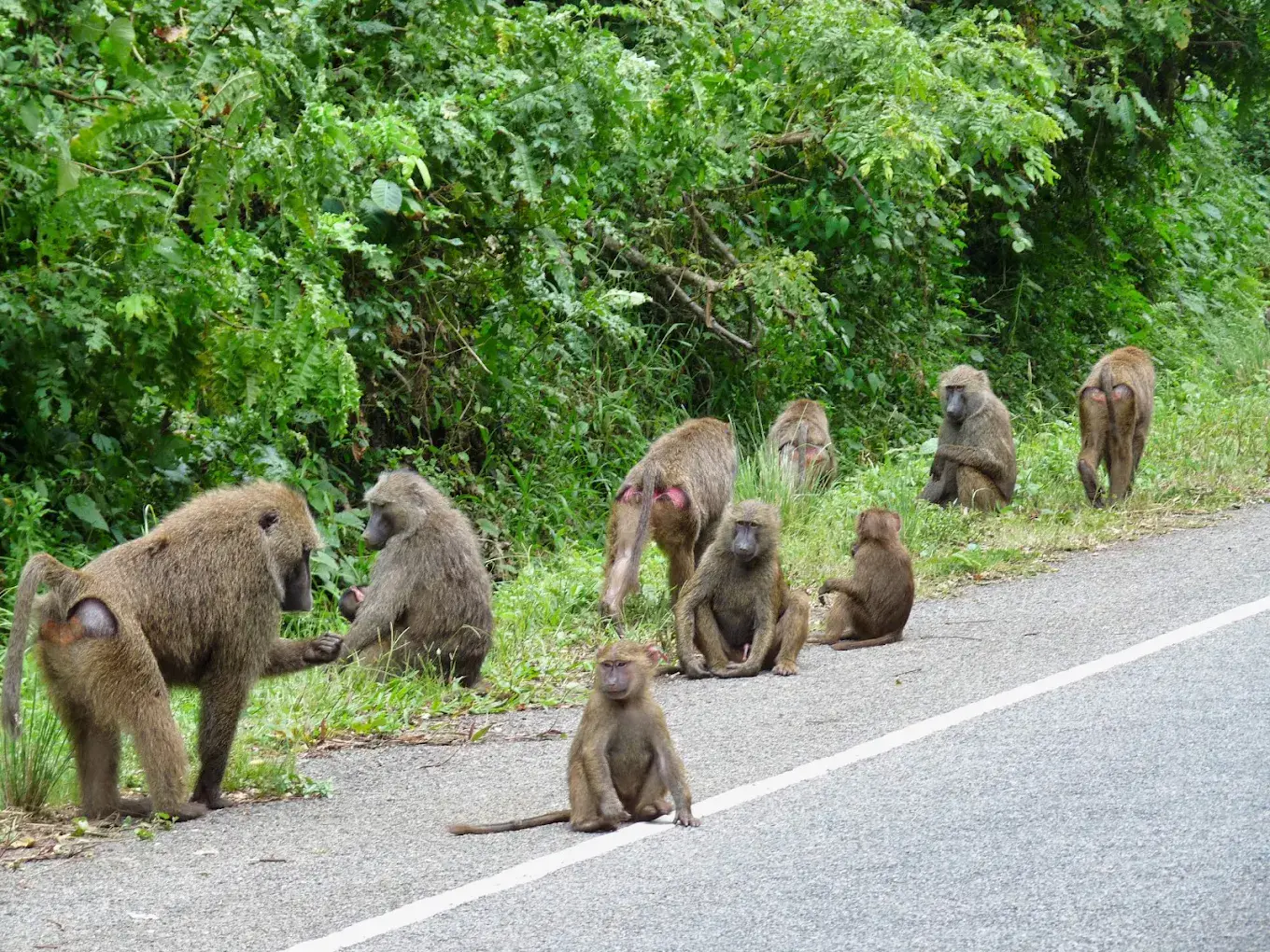
- Olive baboons
- Vervet monkeys
Seeing several different primate species during one safari makes Kibale especially appealing to wildlife enthusiasts.
7. Explore the Forest Around Kanyanchu – Best Things to Do in Kibale National Park
Kanyanchu is the main tourism centre for many of Kibale’s primate experiences.
It is the starting point for chimpanzee tracking and several forest activities.
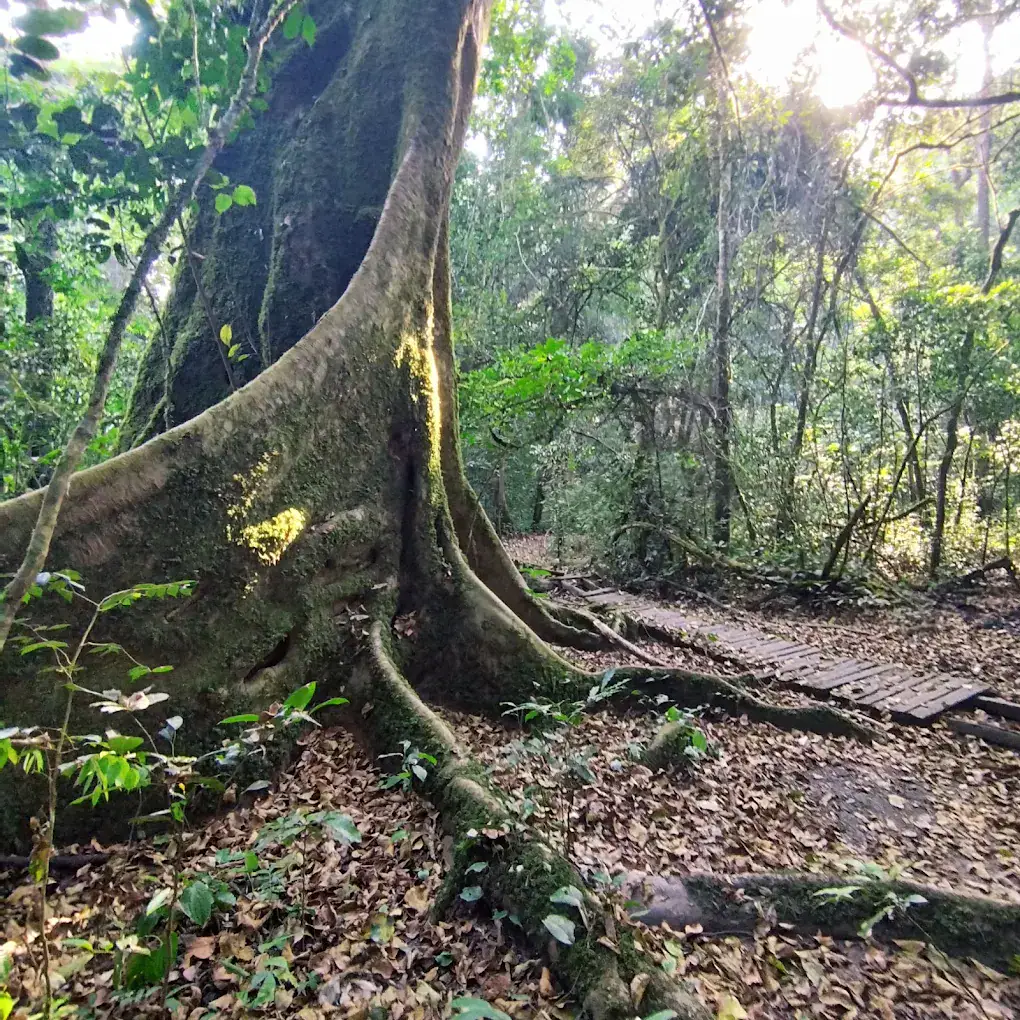
The surrounding forest provides opportunities to experience the sights and sounds of tropical rainforest, from bird calls high in the canopy to monkeys moving between trees.
For visitors who enjoy photography, Kanyanchu and its surrounding trails can also provide opportunities to capture forest landscapes and wildlife.
8. Visit Sebitoli
Sebitoli is another area associated with Kibale National Park and provides a different perspective of the forest.
Visitors can experience forest scenery and may encounter primates and birds in the surrounding habitat.
Exploring different parts of the Kibale landscape can be particularly rewarding for travelers who have more time and want to move beyond the main tourist routes.
Activities and access should be arranged according to current park procedures and local guidance.
9. Enjoy a Night Forest Experience – Best Things to Do in Kibale National Park
A nighttime forest experience can reveal an entirely different side of Kibale.
After dark, some forest creatures become active, including nocturnal primates such as bushbabies and pottos.
The sounds of the forest also change dramatically at night.
A guided night walk, where currently available and permitted, should always be undertaken with an authorized guide and appropriate safety arrangements.
For travelers interested in nocturnal wildlife and photography, this can be a fascinating addition to a daytime chimpanzee experience.
10. Enjoy Wildlife Photography
Kibale is an excellent destination for nature and wildlife photography.
Chimpanzees and other primates provide obvious subjects, but there are many other opportunities.
You can photograph:
- Forest landscapes
- Monkeys
- Birds
- Butterflies
- Trees and plants
- Wetland scenery
- Local communities
- Cultural activities
The forest environment can be challenging for photography because vegetation may be dense and lighting can change quickly.
A knowledgeable guide can help you identify good opportunities while ensuring that wildlife is not disturbed.
11. Experience Local Culture – Best Things to Do in Kibale National Park
A Kibale safari can become even more meaningful when combined with a cultural experience.
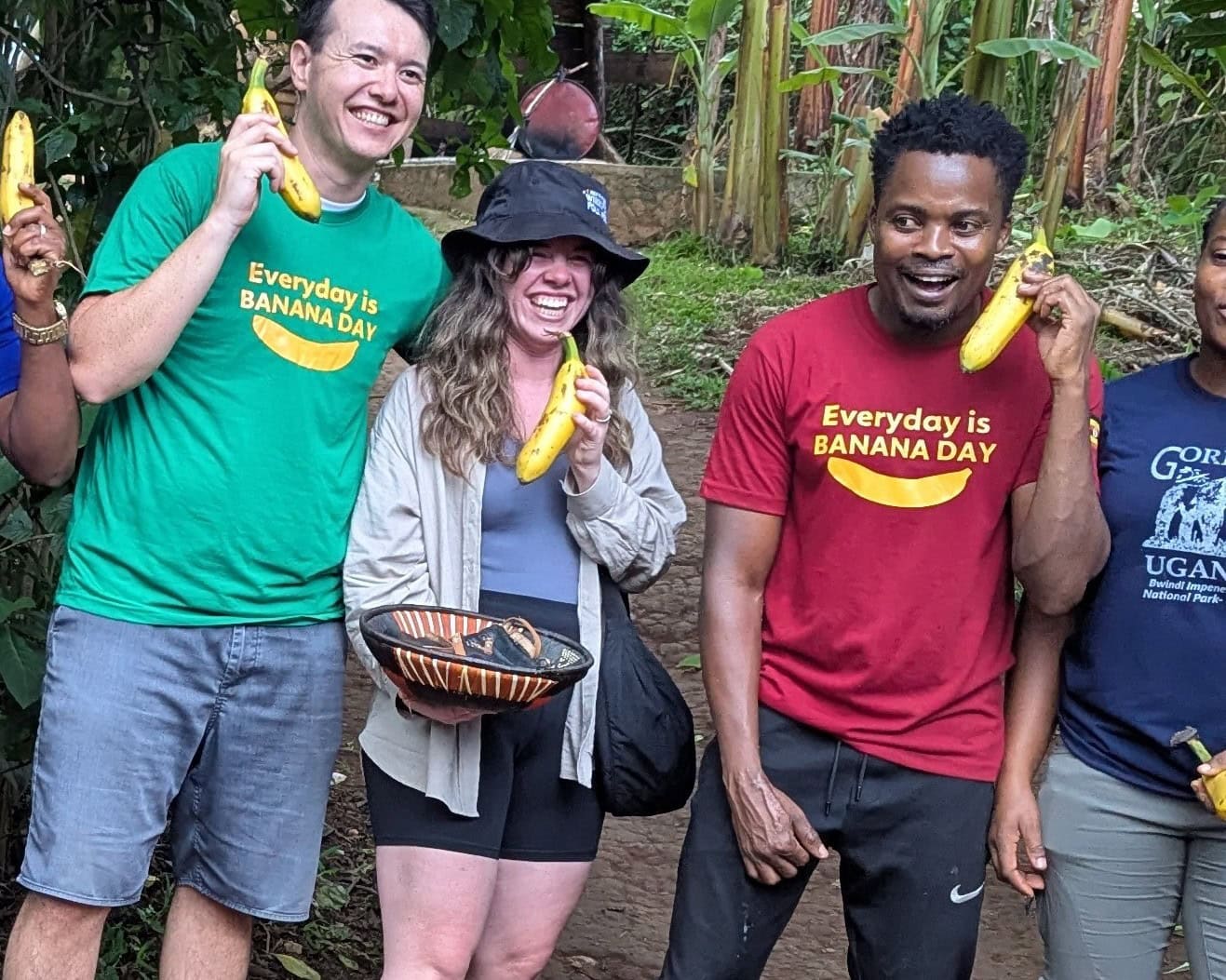
Communities surrounding the park have strong connections with the landscape and depend on activities such as farming, small businesses, crafts, and tourism.
Visitors can learn about local lifestyles through guided community visits.
Depending on the experience, you may see traditional food preparation, learn about agriculture, visit craft makers, listen to local stories, or enjoy traditional music and dance.
Cultural tourism gives visitors the opportunity to learn from local communities while supporting community-led tourism initiatives.
12. Visit Bigodi Community
Bigodi is particularly well known for community tourism.
A visit can introduce you to local initiatives connected with conservation, agriculture, crafts, food, and tourism.
Community-led tourism can help ensure that some benefits generated by visitors remain within the local area.
Travelers can support these initiatives by choosing locally organized experiences and purchasing appropriate locally made products.
When visiting homes, farms, or community projects, always respect people’s privacy and ask permission before taking photographs.
13. Learn About Traditional Farming
Agriculture is an important part of life in the communities surrounding Kibale.
A community visit can provide an opportunity to learn about crops, farming methods, food preparation, and how local households interact with the surrounding environment.
This can be particularly interesting for visitors who want to understand Uganda beyond its national parks.
For families, it can also provide an educational experience where children can learn about food production and rural livelihoods.
14. Enjoy Traditional Food – Best Things to Do in Kibale National Park
Food is another way to experience local culture.
Depending on the community experience you choose, you may have an opportunity to learn how traditional meals are prepared and taste locally sourced ingredients.
A food experience can introduce visitors to Uganda’s agricultural diversity and the importance of locally grown produce.
For travelers with dietary requirements, it is best to communicate these needs in advance so that hosts and accommodation providers can plan accordingly.
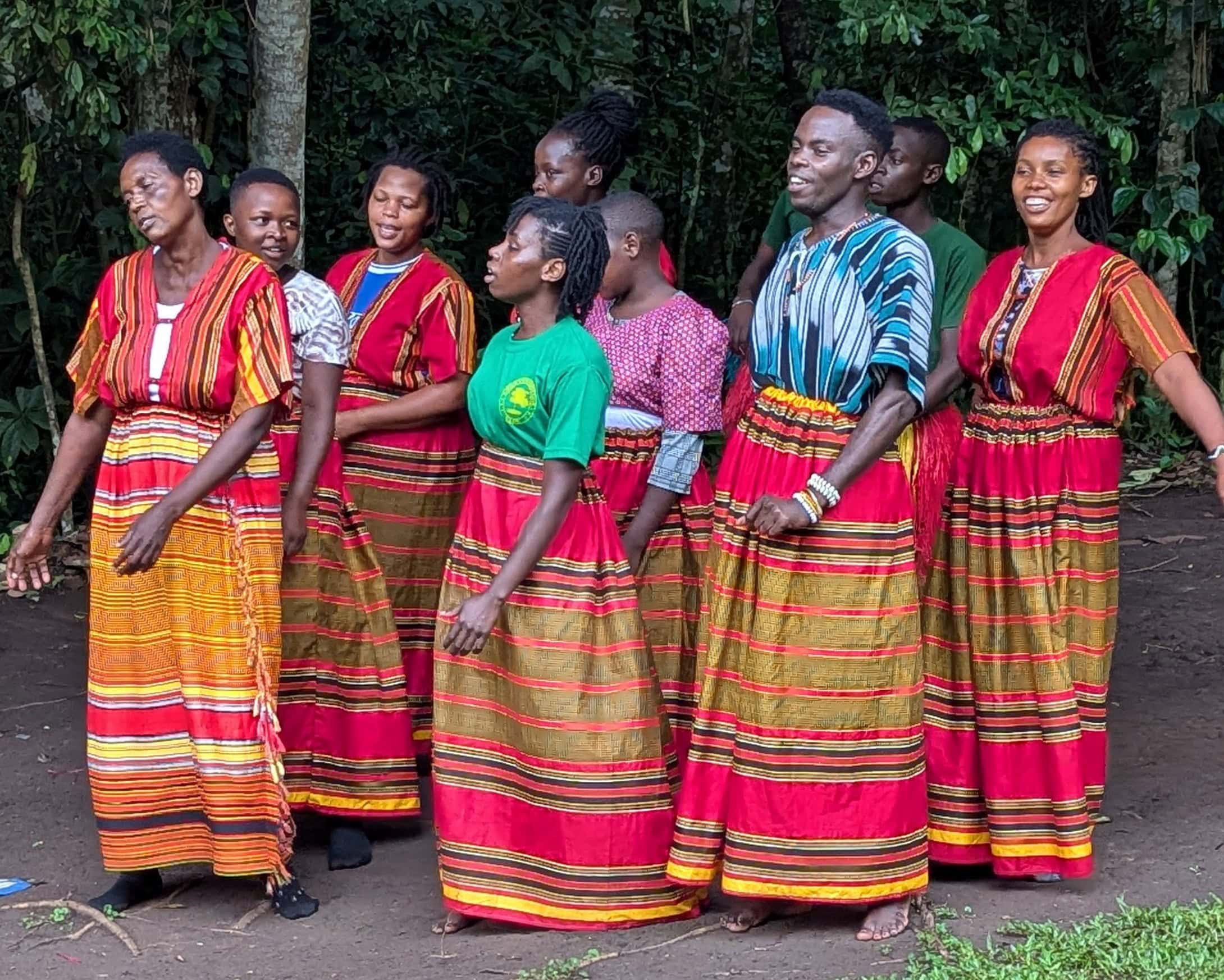
15. Enjoy Traditional Music and Dance
Music and dance are important parts of cultural expression in Uganda.
Some community experiences around Kibale include opportunities to enjoy or participate in traditional performances.
These experiences provide insight into local storytelling, celebrations, history, and community identity.
Visitors are encouraged to participate respectfully and to follow the guidance of local hosts.
16. Take a Forest Photography Walk – Best Things to Do in Kibale National Park
A dedicated photography walk can be an excellent option for visitors who want to spend more time observing the forest.
Instead of rushing from one attraction to another, you can take time to notice details such as:
- Leaves and flowers
- Butterflies
- Forest textures
- Birds
- Monkey species
- Tree canopies
- Sunlight filtering through the forest
This type of experience is particularly suitable for travelers who enjoy nature photography or simply want to explore at a slower pace.
17. Enjoy a Relaxing Stay Near Kibale
A Kibale safari does not need to be packed with activities from morning until evening.
There are several accommodation options around the park where visitors can rest and enjoy the surrounding natural environment.
After chimpanzee tracking, you can spend time relaxing, enjoying a meal, reading, photographing the scenery, or simply listening to the sounds of the forest.
This can be especially valuable after several days of travel.
18. Combine Kibale With Crater Lake Experiences – Best Things to Do in Kibale National Park
The wider Fort Portal and Kibale region is known for its beautiful crater lakes.
A crater lake excursion can add scenic variety to a primate-focused safari.
Visitors can enjoy views of green hills, water-filled volcanic craters, farmland, and rural communities.
Depending on your itinerary, crater lake experiences can be combined with hiking, photography, cultural visits, or relaxation.
Best Time to Visit Kibale National Park
Kibale National Park can be visited throughout the year.
Chimpanzee tracking and habituation experiences operate year-round, according to Uganda Wildlife Authority. UWA notes that chimpanzees may move deeper into the forest during drier periods in search of food, while tracking during wetter periods can involve muddy conditions.
For many travelers, the best time depends on their priorities.
If you prefer easier walking conditions, you may favor generally drier periods.
If you are comfortable with wetter trails, the rainy periods can provide lush scenery and rewarding forest experiences.
Because weather conditions can change, it is useful to prepare for both sunshine and rain.
What to Pack for Kibale National Park – Best Things to Do in Kibale National Park
Good preparation can make your forest experience more comfortable.
Consider packing:
- Comfortable waterproof hiking shoes
- Lightweight trousers
- Long-sleeved shirts
- Waterproof jacket
- Hat
- Sunglasses
- Sunscreen
- Insect repellent
- Small backpack
- Drinking water
- Binoculars
- Camera
- Extra batteries or power bank
- Waterproof bags for electronics
- Personal medication and essential items
- Walking poles if you prefer additional support
For chimpanzee tracking, choose clothing and footwear that can handle muddy or uneven forest trails.
How Many Days Do You Need in Kibale? – Best Things to Do in Kibale National Park
The number of days depends on your interests.
One Day
A one-day visit can focus on chimpanzee tracking and may be suitable for travelers with limited time.
Two Days
Two days provide more flexibility.
You could enjoy chimpanzee tracking on one day and Bigodi Wetland Sanctuary, bird watching, or a cultural experience on another.
Three Days or More
A longer stay allows you to combine chimpanzee tracking, habituation where available, bird watching, nature walks, Bigodi Wetland experiences, cultural activities, and crater lake exploration.
A longer stay also allows you to travel at a more comfortable pace.
Kibale for Different Travelers
Kibale offers experiences for a wide range of visitors.
Solo Travelers
Solo visitors can enjoy guided chimpanzee tracking, bird watching, nature walks, cultural experiences, and photography.
Couples
Couples can combine chimpanzee tracking with forest walks, cultural experiences, scenic crater lakes, and peaceful accommodation.
Families
Families can select age-appropriate nature and cultural experiences. Some activities have specific age requirements, so it is important to confirm current regulations before booking.
Older Travelers
Visitors who prefer less strenuous activities can consider bird watching, cultural experiences, scenic excursions, and shorter nature walks. Chimpanzee tracking involves walking through forest terrain, so the expected conditions should be discussed when planning.
Travelers With Mobility or Accessibility Requirements
Accessibility varies between trails, vehicles, accommodation facilities, and activity locations.
If you have specific mobility or accessibility needs, communicate them before your safari. Your tour operator can then discuss suitable transportation, accommodation, walking distances, and alternative experiences.
Wildlife and Photography Enthusiasts
Kibale is particularly rewarding for travelers interested in primates, birds, conservation, forest ecosystems, and wildlife photography.
Combining Kibale With Other Uganda Destinations – Best Things to Do in Kibale National Park
Kibale is ideally positioned for a wider Uganda safari.
Kibale and Queen Elizabeth National Park
This is one of the best combinations for travelers interested in both primates and classic wildlife.
After chimpanzee tracking in Kibale, continue to Queen Elizabeth for game drives, the Kazinga Channel boat cruise, and additional wildlife experiences.
Kibale and Bwindi Impenetrable National Park
Travelers interested in great apes can combine chimpanzee tracking in Kibale with mountain gorilla trekking in Bwindi.
This creates an exceptional primate-focused safari.
Kibale and Lake Bunyonyi
After exploring the forest, Lake Bunyonyi provides a peaceful place to relax.
Visitors can enjoy canoeing, island exploration, bird watching, cultural activities, and scenic landscapes.
Kibale and Mgahinga Gorilla National Park – Best Things to Do in Kibale National Park
For an extended primate and mountain adventure, Kibale can be combined with Mgahinga for gorilla trekking, golden monkey tracking, and volcanic hiking.
Responsible Tourism in Kibale National Park
Responsible tourism is essential for protecting Kibale’s forest and supporting the people who live around it.
Visitors can help by:
- Following instructions from park guides and rangers.
- Keeping a respectful distance from wildlife.
- Never feeding wild animals.
- Avoiding littering.
- Reducing unnecessary plastic use.
- Staying on designated trails.
- Avoiding loud noises around wildlife.
- Respecting local communities and their customs.
- Asking permission before photographing people.
- Supporting responsible community tourism.
- Following all current chimpanzee tracking guidelines.
Chimpanzee conservation depends on responsible visitor behavior and careful management of human-wildlife interactions. Current UWA guidelines specifically regulate where tracking takes place, group arrangements, and viewing times.
Why Visit Kibale National Park?
Kibale National Park offers much more than chimpanzee tracking.
It is a destination where travelers can discover one of Uganda’s most fascinating forest ecosystems, encounter different primate species, watch birds, explore wetlands, meet local communities, learn about conservation, and enjoy the peaceful beauty of western Uganda.
The park’s combination of chimpanzees, primates, rainforest, birds, wetlands, culture, and scenic landscapes makes it one of the most rewarding destinations for nature-focused travel in Uganda.
For travelers who want to experience Uganda beyond the traditional savannah safari, Kibale provides an opportunity to slow down and connect with the forest.
Plan Your Kibale National Park Safari With Lavish Safaris Uganda
Your Kibale experience can be designed around your interests, available time, preferred pace, and travel needs.
You may want to focus on chimpanzee tracking, spend more time with chimpanzees through the habituation experience, explore Bigodi Wetland Sanctuary, search for forest birds, discover local culture, photograph primates, or simply enjoy the beauty of the rainforest.
Lavish Safaris Uganda can help you create a tailor-made Kibale safari and combine it with other remarkable destinations across the country.
A journey can include chimpanzee tracking in Kibale, wildlife viewing in Queen Elizabeth National Park, gorilla trekking in Bwindi or Mgahinga, relaxation at Lake Bunyonyi, and cultural experiences in local communities.