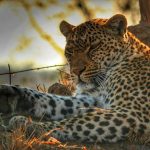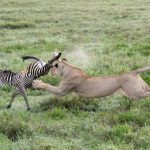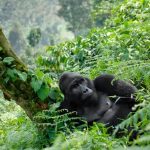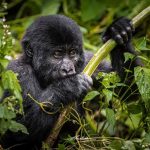

Book a Wildlife Safari in Uganda. Few places pack as much wildlife into one trip as Uganda. In a single journey you can watch elephants cross the savanna, cruise beside hippos on the Nile, hear chimpanzees calling through the forest canopy, and sit quietly while a mountain gorilla family goes about its day.
This guide is a practical, plain-language walkthrough of how to book a safari that fits your interests, schedule, and budget.
Why Choose Uganda for a Safari?
- Variety in a small area. Savanna, rainforest, wetlands, volcanic mountains, and lakes all sit within a few hours’ drive of each other.
- Primates you can’t see elsewhere so easily. Uganda is one of only three countries where you can trek mountain gorillas, and it offers some of Africa’s best chimpanzee tracking.
- Fewer crowds. Parks are generally quieter than in more famous safari countries, so sightings often feel private.
- Easy to navigate. English is widely spoken, and the main parks are connected by reasonable road networks.
- Warm hospitality. Ugandans are known for their friendliness, which makes a big difference on a long trip.
The Wildlife and Where to Find It
| What you want to see | Where to go |
|---|---|
| Mountain gorillas | Bwindi Impenetrable, Mgahinga Gorilla |
| Chimpanzees | Kibale Forest, Budongo Forest (near Murchison Falls) |
| Elephants, lions, buffalo, giraffes | Murchison Falls, Queen Elizabeth, Kidepo |
| Tree-climbing lions | Ishasha sector, Queen Elizabeth |
| Hippos and crocodiles | Kazinga Channel, the Nile |
| Rhinos | Ziwa Rhino Sanctuary |
| Zebras and antelope | Lake Mburo |
| Birds (1,000+ species) | Nearly everywhere, especially Mabamba Swamp for the shoebill |
Step-by-Step: How to Book – Book a Wildlife Safari in Uganda
1. Define Your Safari Style
Ask yourself three questions:
- Do I want primates, savanna game, or both? A mix makes the richest trip.
- How much time do I have? Five days covers one or two parks. Ten to fourteen days allows a full loop.
- What comfort level do I want? Options range from budget camping to luxury lodges with views over the plains.
2. Pick Your Travel Window
Uganda has two dry and two wet seasons.
- Dry (June to September, December to February): Best for hiking and game viewing, but busier.
- Wet (March to May, October to November): Greener, quieter, and often cheaper, though trails get muddy.
Wildlife is present all year, so don’t feel locked in. Your priorities matter more than the calendar.
3. Choose Between Self-Planning and a Tour Operator
Most visitors use a local operator because permits, lodges, vehicles, and routes all need coordinating. Going independent can save money but takes more time and experience, especially with limited permits and long drives.
A good operator will:
- Build an itinerary around your interests
- Reserve permits and accommodation
- Provide a safe, well-maintained vehicle and an experienced driver-guide
- Explain exactly what’s included in the price
4. Vet the Company
Before sending money, check:
- Licensing and registration in Uganda
- Independent reviews that are recent and detailed
- A written quote that itemizes costs
- Clear payment and cancellation terms
- Fast, honest communication
Be wary of unusually low prices, vague quotes, or pressure to pay immediately. Pay only to official business accounts, never a personal one.
5. Reserve Permits First
Gorilla and chimp permits are limited daily and often sell out months ahead for peak periods. Secure them first, then build lodges and transport around those dates. Prices are set by the Uganda Wildlife Authority and can change, so confirm current rates.
6. Review the Itinerary Closely
Look at drive times between parks. Uganda’s roads can be slow, and a map can make distances look shorter than they feel. A good itinerary includes rest time, not just back-to-back long drives.
7. Handle Documents and Health
- Passport valid for at least six months
- Visa (check current rules and the e-visa option)
- Yellow fever certificate (confirm current requirements)
- Malaria prevention advice from a doctor or travel clinic
- Travel insurance covering medical care and evacuation
8. Confirm and Pay
Get a final itinerary, a written invoice, and receipts for every payment. Most operators ask for a deposit to confirm, with the balance due before arrival.
What a Safari Day Looks Like – Book a Wildlife Safari in Uganda
Game drive days often start at dawn, when animals are most active, with a break at midday and another drive in the late afternoon. Your pop-up roof vehicle lets you stand and photograph without leaving the car.
Boat cruises are a relaxing way to see hippos, buffalo at the water’s edge, elephants drinking, and dozens of bird species.
Primate trekking begins with a briefing from rangers. Then you hike into the forest, following trackers to the group. You usually get about an hour with the animals once you find them.
Sample Itineraries
6 Days: Savanna and Chimps
Kampala, Murchison Falls (game drive and boat trip), Kibale (chimps), return
8 Days: Big Variety
Murchison Falls, Kibale, Queen Elizabeth (Kazinga cruise and Ishasha), Lake Mburo
12 Days: The Full Experience
All of the above plus Bwindi gorilla trekking, Ziwa Rhino Sanctuary, and a rest day on a lake
Packing List – Book a Wildlife Safari in Uganda
- Earth-toned, lightweight clothing
- Waterproof jacket and a warm layer
- Sturdy hiking boots and long socks
- Hat, sunscreen, and sunglasses
- Binoculars and camera
- Insect repellent
- Gloves for forest treks
- Power bank and adapter
Common Questions
Is Uganda safe for tourists?
Most visitors travel without problems, especially on guided safaris. Follow local advice and check your government’s current travel guidance.
Can I do a safari on a small budget?
Yes. Choose shared transport, budget lodges, or camping, and travel in the low season. Permits remain a fixed cost, though.
Is it suitable for families?
Many parks are family-friendly. Note that gorilla trekking has a minimum age, so check the current rules.
How far ahead should I book?
Six to twelve months for peak season, and at least three to four months otherwise.
Do I need to tip?
Tipping guides, drivers, and lodge staff is customary and appreciated.
Travel Responsibly
Your safari supports conservation and local people. Keep a respectful distance from animals, never feed wildlife, avoid single-use plastic, buy from local artisans, and choose operators who employ and support nearby communities.
Final Thoughts – Book a Wildlife Safari in Uganda
Lavish Safaris Uganda. Booking a wildlife safari in Uganda doesn’t need to be complicated. Know what you want to see, pick a sensible time, choose a trustworthy operator, and secure permits early. Do that, and you’ll be well on your way to wild, memorable days in the Pearl of Africa.