
Discover Uganda’s Precious Wildlife and Conservation Heritage
Endangered Mountain Gorillas: Discover Uganda’s Precious Wildlife and Conservation Heritage. Mountain gorillas are among the world’s most fascinating and endangered wildlife species. Famous for their impressive size, gentle nature, intelligence, and strong family relationships, these magnificent primates are some of Africa’s greatest natural treasures. They live in the mountainous rainforests of East and Central Africa, where they depend on protected forest habitats for food, shelter, and survival.
Uganda is one of the best destinations in the world to encounter mountain gorillas in their natural environment. The country is home to two important mountain gorilla habitats: Bwindi Impenetrable National Park and Mgahinga Gorilla National Park. These protected areas play a significant role in conserving endangered gorillas and supporting the survival of this remarkable species.
For travelers seeking an unforgettable African adventure, gorilla trekking offers an opportunity to experience wildlife at close range while learning about the importance of conservation. Beyond the excitement of meeting these incredible animals, visitors contribute to tourism activities that support protected areas and surrounding communities.
Endangered Mountain Gorillas – Uganda Safari – Bwindi Impenetrable forest – Lavish Safaris Uganda
Understanding Mountain Gorillas – Endangered Mountain Gorillas
Mountain gorillas are a subspecies of the eastern gorilla, scientifically known as Gorilla beringei beringei. They are among the largest living primates and are recognized by their powerful bodies, long arms, dark fur, and distinctive facial features.
Unlike many other primates, mountain gorillas spend most of their time on the ground, although they can also climb trees when necessary. Their thick fur helps them survive in the cool temperatures of high-altitude forests.
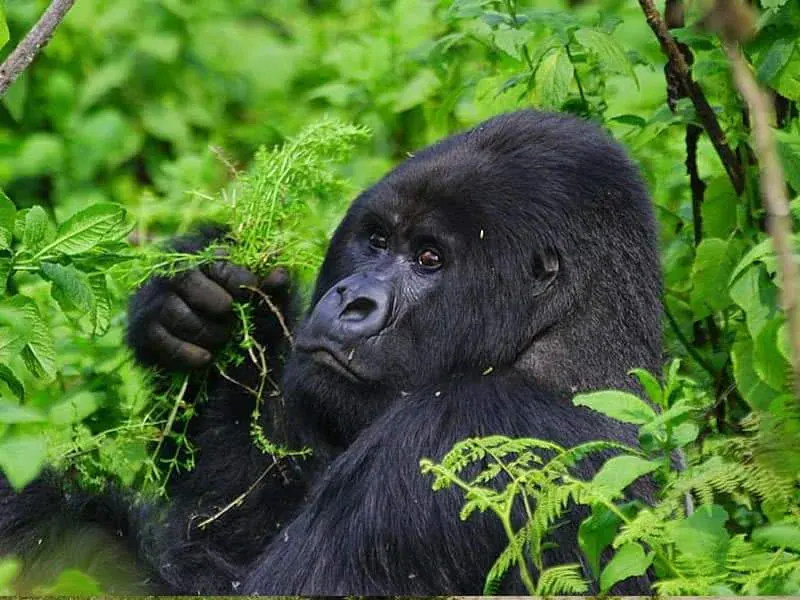
Mountain gorillas are primarily herbivores, feeding on leaves, stems, shoots, roots, and other vegetation. Their diet changes depending on the season and the food available in their natural environment.
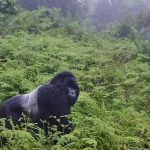
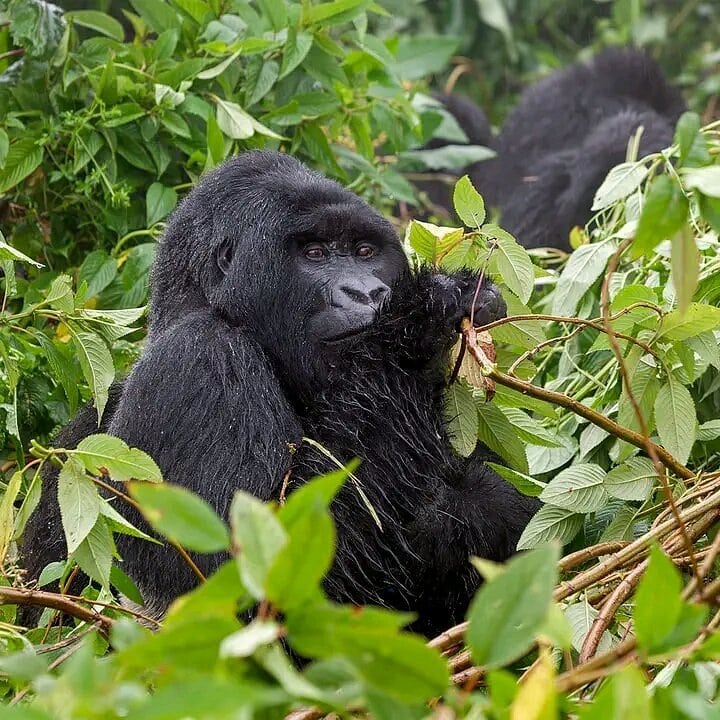
These remarkable animals live in social groups known as families or troops. A typical family is led by a dominant adult male called a silverback. The name comes from the distinctive silver-grey hair that develops across his back as he matures.
The silverback plays an important role in protecting the family, guiding its movements, and maintaining relationships within the group. A gorilla family may include adult females, young gorillas, infants, and other males.
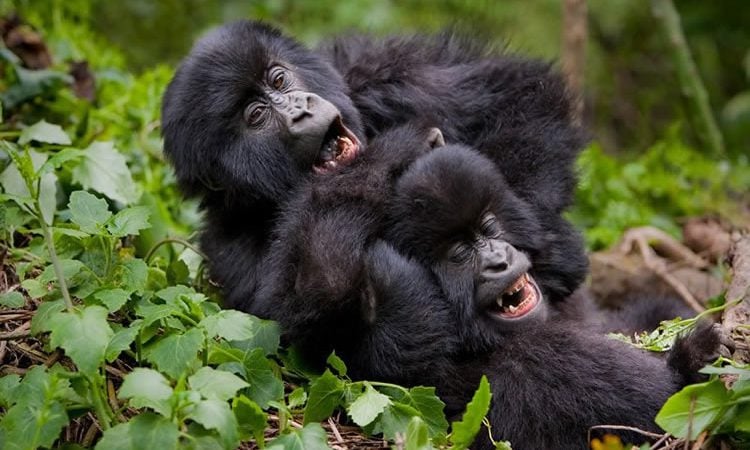
Mountain gorillas are generally peaceful animals. Much of their daily life involves feeding, resting, grooming, playing, and interacting with other family members. Their strong social relationships and fascinating behaviour make them one of the most rewarding wildlife species to observe.
Where Do Mountain Gorillas Live?
Mountain gorillas have a very limited natural distribution. They live in the mountainous forests of Uganda, Rwanda, and the Democratic Republic of the Congo.
Their habitat is divided into two main populations: the Bwindi-Sarambwe population and the Virunga Massif population. Both are extremely important for the long-term survival of the species.
1. Bwindi Impenetrable National Park, Uganda – Endangered Mountain Gorillas
Bwindi Impenetrable National Park is one of the world’s most important mountain gorilla conservation areas. Located in southwestern Uganda, this ancient rainforest is recognised as a UNESCO World Heritage Site because of its exceptional biodiversity and conservation importance.
Bwindi is home to a significant population of endangered mountain gorillas. Its thick vegetation, steep hills, deep valleys, and diverse forest habitats provide an important environment for these primates.
The park has four main gorilla trekking sectors:
Buhoma Sector
Located in northern Bwindi, Buhoma is one of the park’s established gorilla trekking areas. It offers beautiful forest scenery, habituated gorilla families, and a range of accommodation options.
Ruhija Sector – Endangered Mountain Gorillas
Situated in eastern Bwindi, Ruhija is known for its high-altitude forest environment, scenic landscapes, and excellent birdwatching opportunities.
Rushaga Sector
Located in southern Bwindi, Rushaga offers access to several habituated gorilla families. It is also an important location for the gorilla habituation experience.
Nkuringo Sector – Endangered Mountain Gorillas
Found in southwestern Bwindi, Nkuringo is known for its mountainous terrain, challenging trekking trails, and spectacular views of the surrounding landscape.
Each sector offers a different trekking experience, but all provide opportunities to encounter mountain gorillas in their natural habitat.
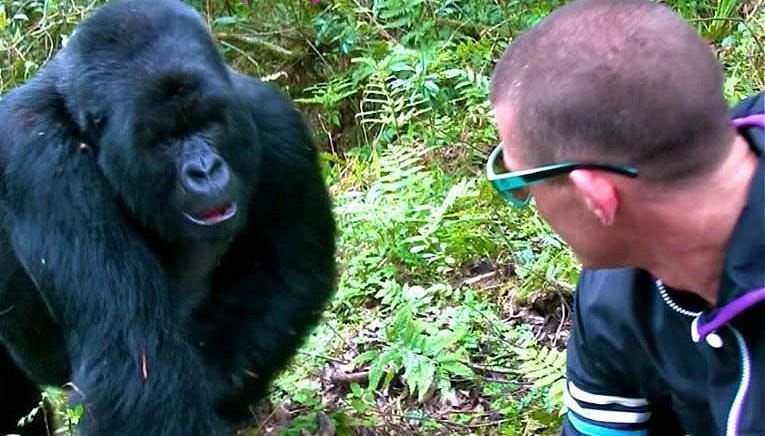
2. Mgahinga Gorilla National Park, Uganda
Mgahinga Gorilla National Park is another important mountain gorilla habitat. Located in the Virunga Mountains, the park protects a beautiful landscape of volcanic mountains, bamboo forests, and montane vegetation.
Mgahinga is home to the Nyakagezi gorilla family, which is available for regulated trekking when park arrangements and conditions permit.
Besides gorilla trekking, visitors can enjoy golden monkey tracking, volcano hiking, birdwatching, and cultural experiences.
The park’s scenic mountain environment makes it an excellent destination for travellers interested in combining wildlife encounters with outdoor adventures.
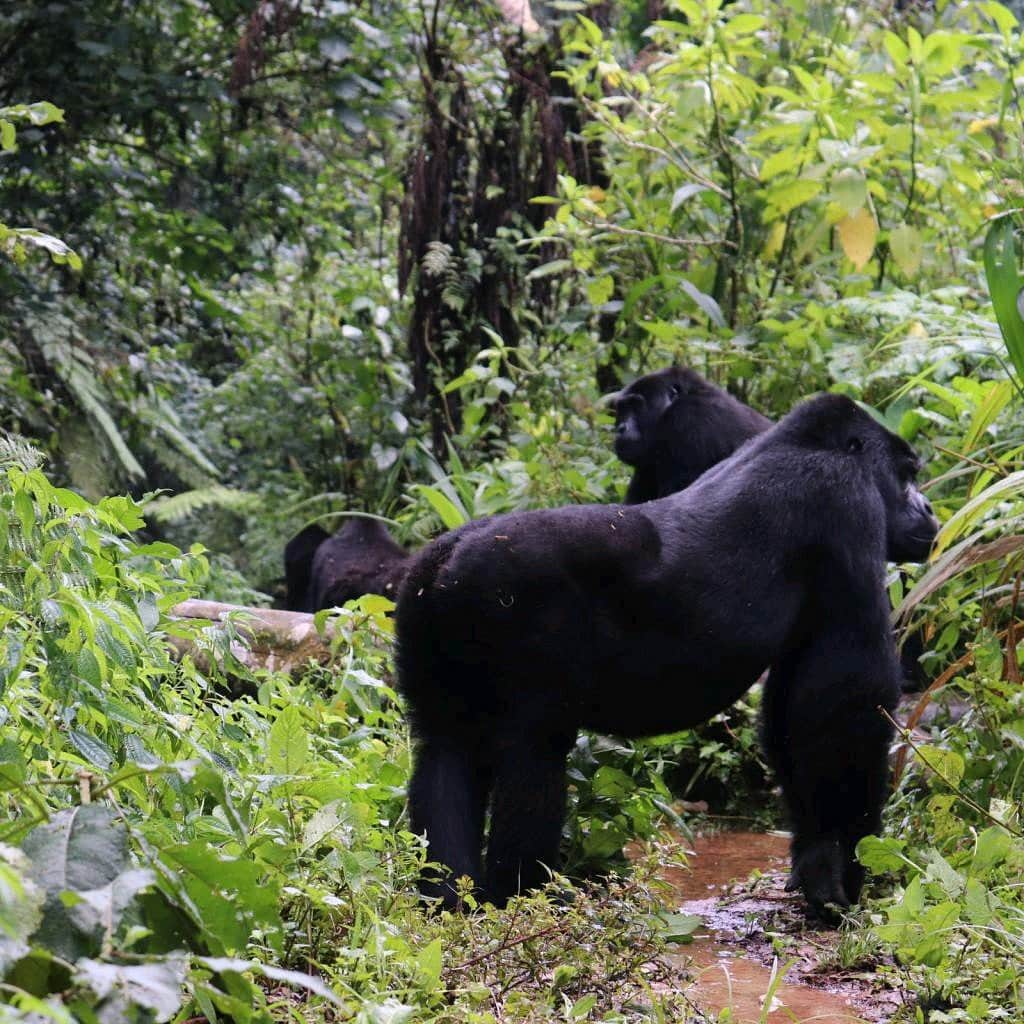

Best Safari Holidays – Bwindi Gorilla Trekking – Uganda Safari
3. Volcanoes National Park, Rwanda – Endangered Mountain Gorillas
Volcanoes National Park is one of Africa’s best-known mountain gorilla destinations. Situated within the Virunga volcanic mountain range, the park protects important gorilla habitats and supports ongoing conservation programmes.
Visitors can participate in guided gorilla trekking experiences and learn about the history of mountain gorilla research and protection.

4. Virunga National Park, Democratic Republic of the Congo
Virunga National Park is another important mountain gorilla conservation area. It forms part of the wider Virunga landscape and protects mountain forests, volcanic environments, and diverse wildlife habitats.
Tourism access can be affected by security conditions, so visitors should always check official travel advice and park announcements before planning a visit.

Why Are Mountain Gorillas Endangered? – Endangered Mountain Gorillas
Mountain gorillas are classified as Endangered on the IUCN Red List of Threatened Species. Although their population has increased through dedicated conservation efforts, they continue to face several threats that require long-term protection.
Their limited geographical distribution makes them particularly vulnerable to environmental changes and human activities. Protecting their natural habitats and maintaining effective conservation programmes are essential for their survival.
Some of the major threats facing mountain gorillas include the following.
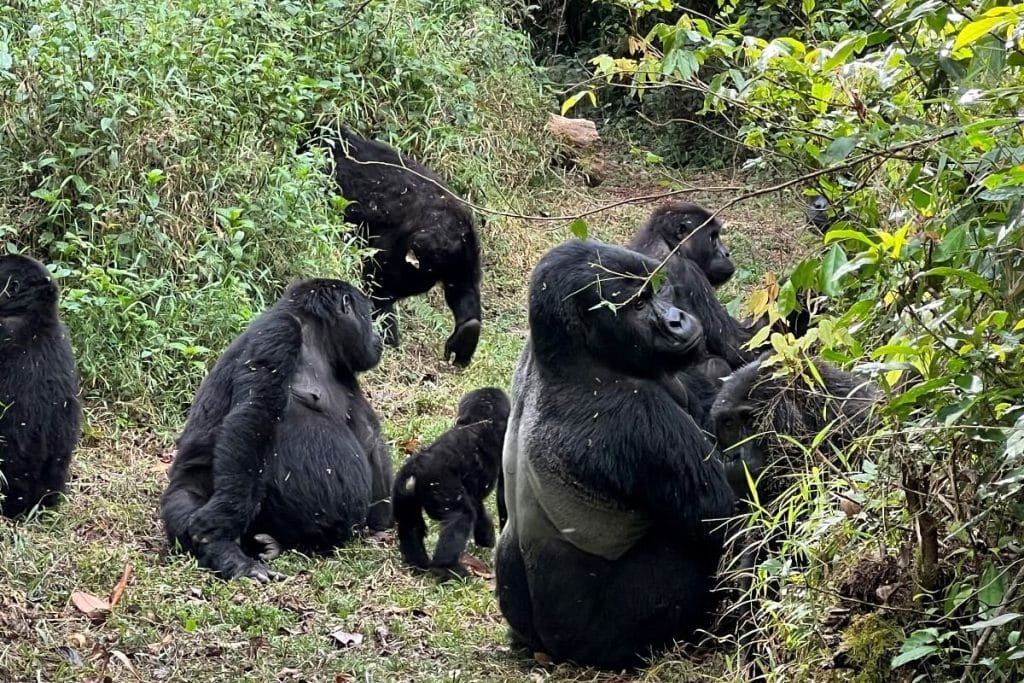
1. Habitat Loss and Forest Destruction
Habitat destruction is one of the major challenges facing mountain gorillas. Their natural environment is increasingly affected by human activities such as agricultural expansion, settlement, livestock grazing, and the demand for natural resources.
As communities grow around protected forests, pressure on land and forest resources can increase. Activities such as cutting trees for firewood, clearing vegetation for farming, and illegal forest encroachment can reduce the available habitat for wildlife.
Protecting forest ecosystems is essential to ensure that mountain gorillas have sufficient space, food, and shelter.
2. Diseases and Human Contact – Endangered Mountain Gorillas
Mountain gorillas share a significant amount of genetic similarity with humans, making them vulnerable to certain human diseases.
Respiratory infections can pose serious risks, particularly because gorillas may have limited immunity to some illnesses that affect people.
Tourism and research activities must therefore follow strict health and safety guidelines. Visitors who are sick should not participate in gorilla trekking, and everyone must follow the required viewing-distance rules.
These precautions help reduce disease transmission and protect gorilla families.
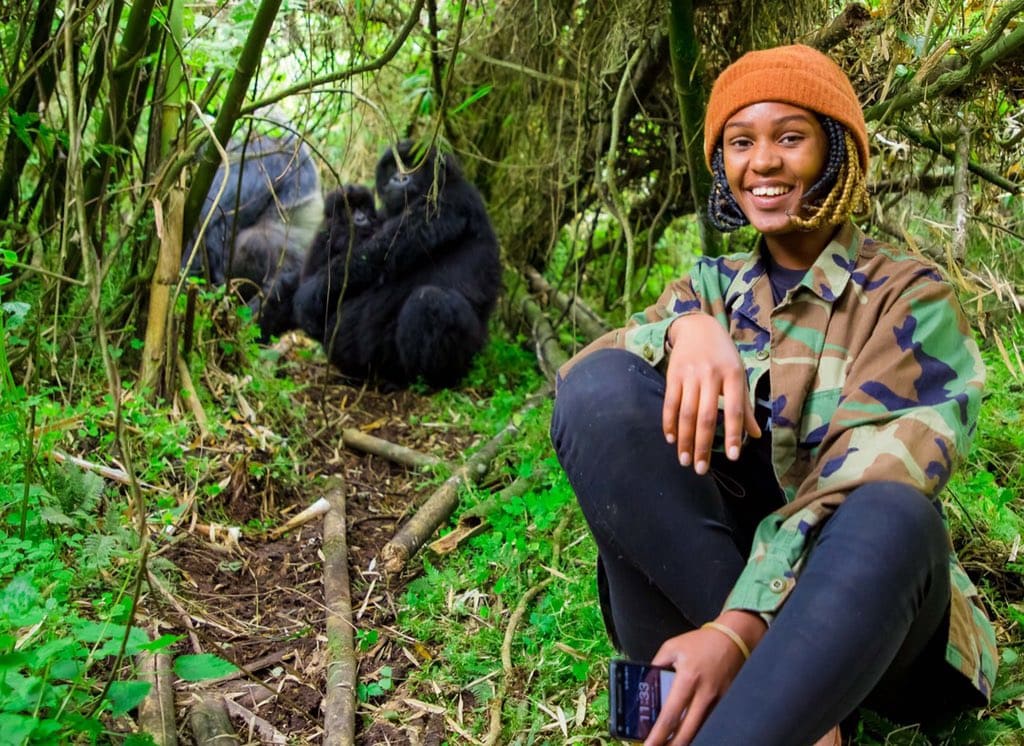
3. Poaching and Illegal Activities
Although mountain gorillas are not commonly targeted for large-scale commercial hunting, illegal activities within their habitats can still threaten their survival.
Snares and traps intended for other wildlife may accidentally injure or kill gorillas. Illegal forest activities can also disturb their natural behaviour and affect the safety of their families.
Park rangers and conservation organisations conduct regular patrols to identify and remove traps, monitor wildlife movements, and prevent illegal activities.
Best Safari Holidays – Bwindi Gorilla Tours
4. Human-Wildlife Conflict – Endangered Mountain Gorillas
Communities living near protected forests depend on natural resources for their livelihoods. Sometimes, interactions between people and wildlife create conflicts.
Gorillas may occasionally move beyond protected forest boundaries in search of food, potentially damaging crops and creating tension with surrounding communities.
Conservation programmed help address these challenges through community education, improved land-use practices, tourism revenue sharing, and other initiatives that encourage peaceful coexistence.
5. Climate and Environmental Changes
Changes in weather patterns and environmental conditions can affect forest ecosystems and the availability of food.
Mountain gorillas depend on healthy forest habitats that provide reliable sources of vegetation and shelter. Changes in rainfall, temperature, and vegetation can influence the conditions in which they live.
Protecting forests and maintaining healthy ecosystems are important steps towards strengthening mountain gorilla conservation.
Mountain Gorilla Population: A Remarkable Conservation Success – Endangered Mountain Gorillas
Mountain gorilla conservation is one of Africa’s most encouraging wildlife success stories.
For many years, mountain gorillas faced serious population declines due to habitat destruction, poaching, disease, and other human-related threats. Their survival became a major concern for conservation organisations and governments across the region.
However, decades of dedicated conservation work have helped their population recover.
The species was reclassified from Critically Endangered to Endangered in 2018 following evidence of population growth.
The widely cited global estimate from the 2015–2016 Virunga census and the 2018 Bwindi-Sarambwe census was 1,063 mountain gorillas. The Bwindi-Sarambwe survey recorded 459 individuals, while the Virunga Massif survey recorded 604.
A new census in the Bwindi-Sarambwe ecosystem was launched in 2025 to update the population estimate. The latest confirmed global total should be checked against official conservation announcements rather than assuming that the historical figure remains current.
This recovery demonstrates what can be achieved when governments, conservation organisations, researchers, park authorities, tourism operators, and local communities work together.
Nevertheless, mountain gorillas still require continuous protection. Their limited distribution means that habitat conservation, disease prevention, and responsible tourism remain essential.
Understanding Mountain Gorilla Families and Social Behaviour
Mountain gorillas are highly social animals that live in organised family groups. Their relationships, communication, and family structures make them particularly fascinating to observe.
A typical family is led by a dominant silverback, who protects the group and helps guide its movements. Other members may include adult females, juveniles, infants, and sometimes additional adult males.
The Silverback Gorilla – Endangered Mountain Gorillas
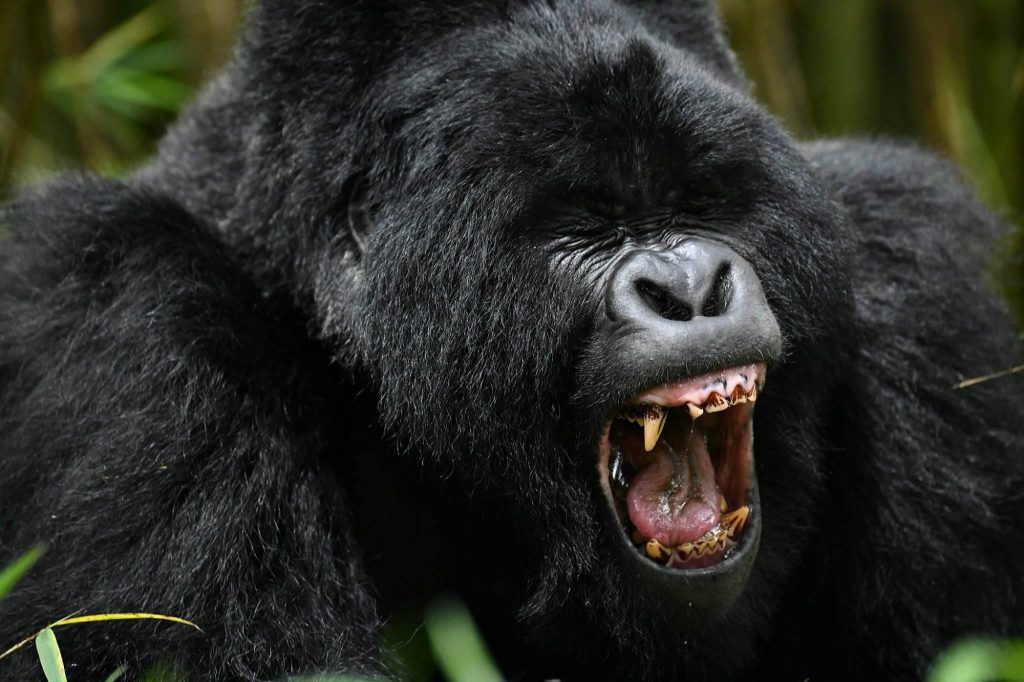
The silverback is the mature male leader of a gorilla family. He is recognised by the silver-grey hair that develops across his back as he reaches adulthood.
Silverbacks play an important role in protecting their families, managing group movements, and responding to potential threats.
Despite their impressive size and strength, they also display gentle and protective behaviour towards younger members of the group.

Female Mountain Gorillas
Female mountain gorillas play an important role in raising young ones and maintaining family relationships.
They care for their infants, participate in group activities, and help maintain social bonds. Their nurturing behaviour is particularly interesting to observe during gorilla trekking.

Baby Mountain Gorillas – Endangered Mountain Gorillas
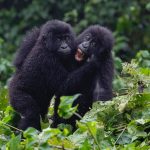
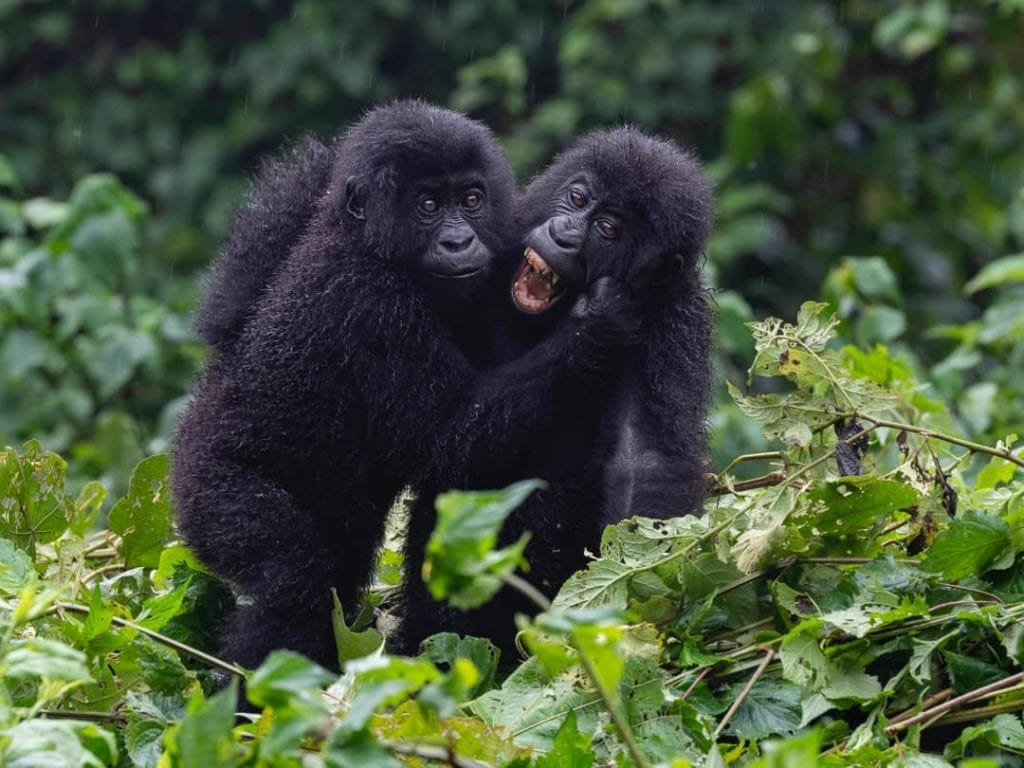
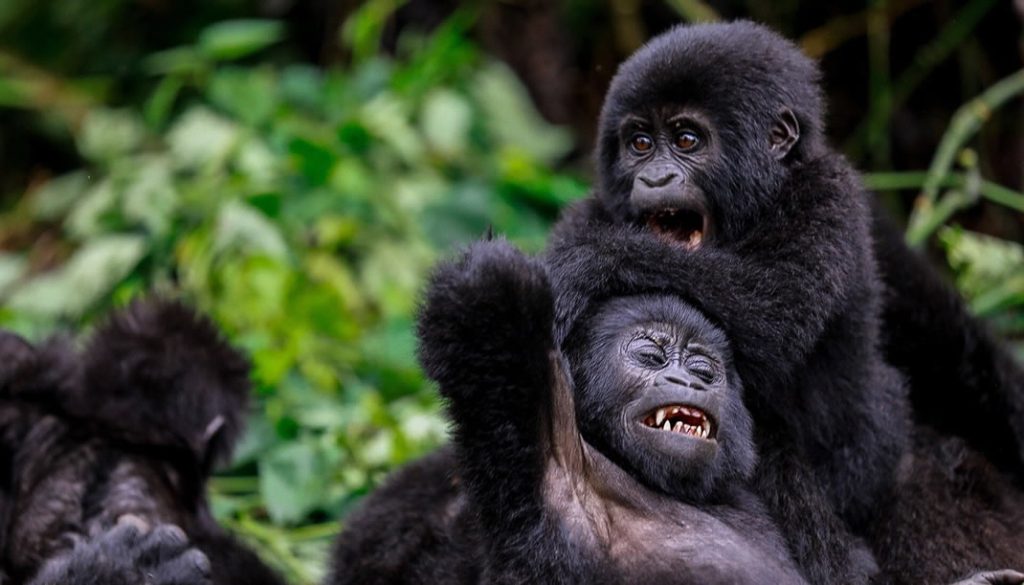
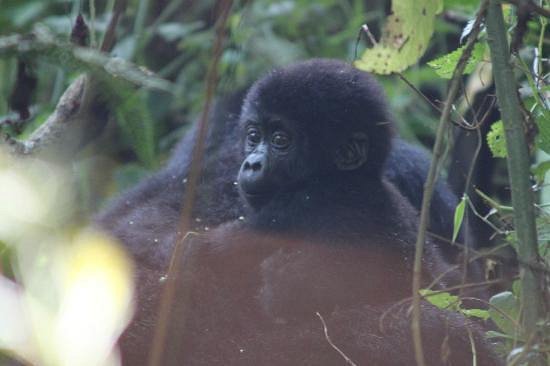
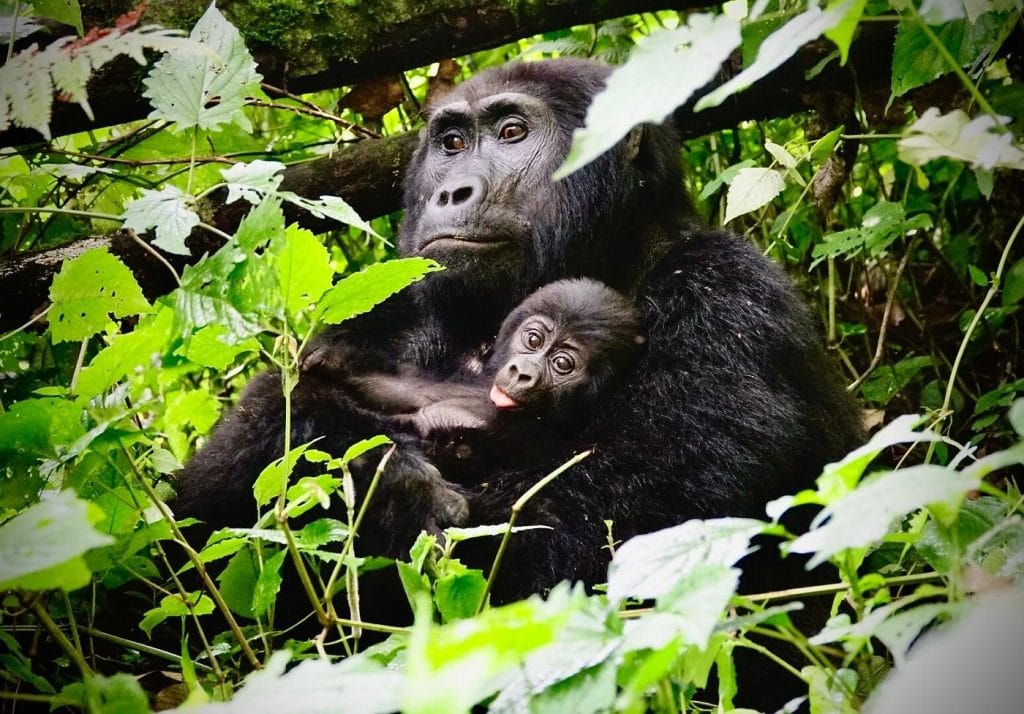
Baby mountain gorillas are among the most fascinating members of a gorilla family. During their early stages of life, they remain close to their mothers and depend on them for feeding, protection, and care.
As they grow, they become increasingly independent and can often be seen playing, climbing, and interacting with other members of the group.
Observing these family relationships helps visitors appreciate the intelligence and social nature of mountain gorillas.
Lavish Safaris Uganda – Bwindi Gorilla Safari – Uganda Safari
Gorilla Trekking: Experiencing Mountain Gorillas in the Wild
Gorilla trekking is one of the most extraordinary wildlife experiences available in Africa. It allows visitors to enter protected rainforest habitats and observe endangered mountain gorillas in their natural environment.
Uganda is particularly popular for this activity because of its gorilla populations in Bwindi Impenetrable National Park and Mgahinga Gorilla National Park.
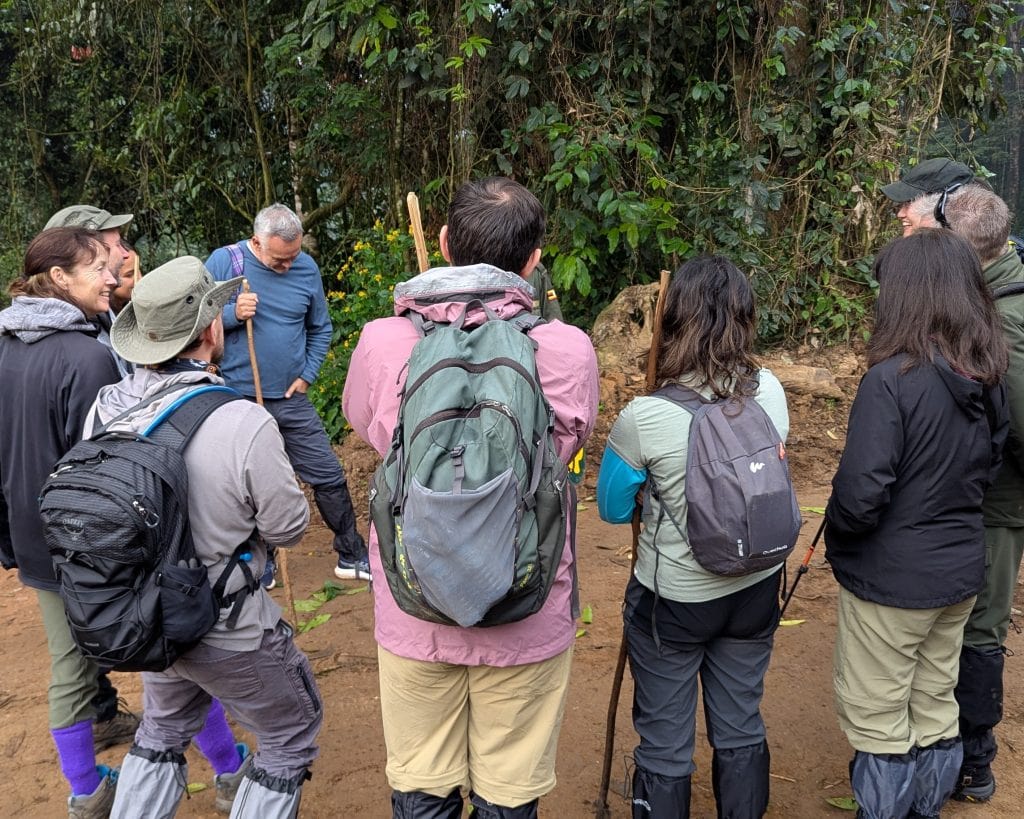
The experience begins with a briefing from park officials, who explain trekking procedures, safety requirements, and responsible wildlife viewing guidelines.
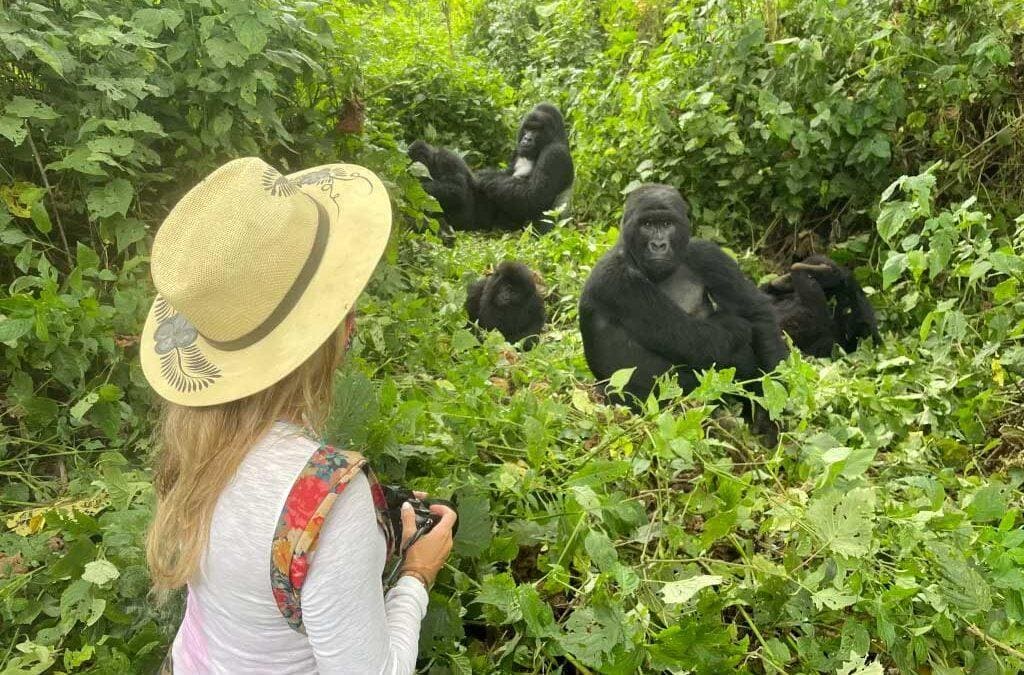
Visitors are then assigned to a habituated gorilla family and accompanied by experienced guides and trackers. The search takes place through forest trails, where the team follows signs of gorilla activity.
The trek may take several hours, depending on the location of the gorillas and the terrain.
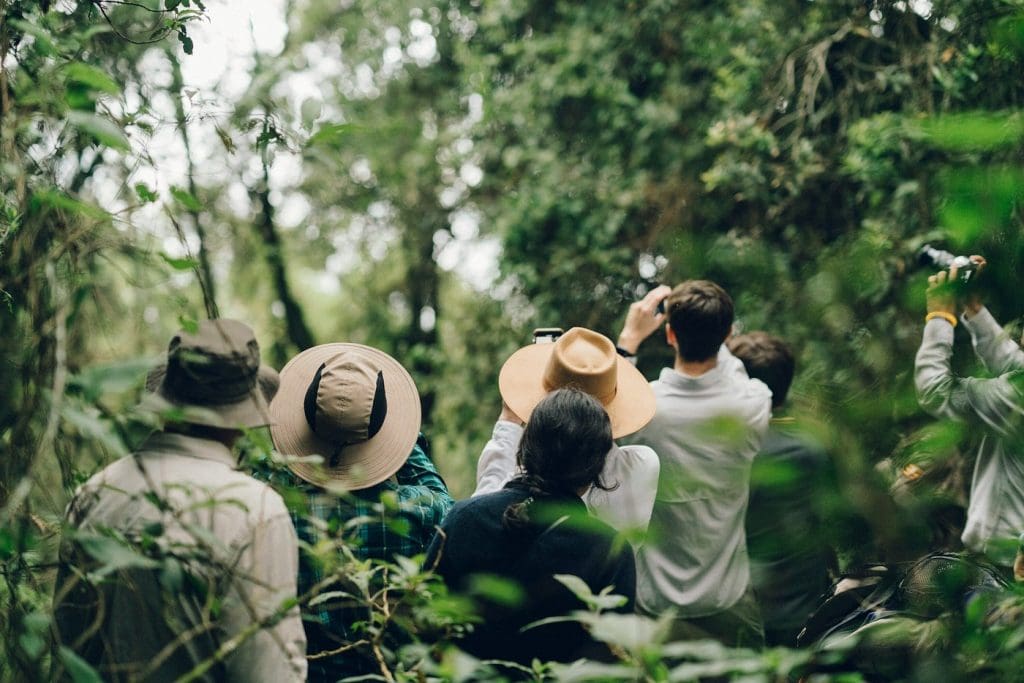
Once the family is found, visitors are allowed a strictly regulated period to observe the animals.
Seeing a silverback resting in the forest, watching young gorillas play, or observing a mother caring for her infant can be a truly unforgettable experience.
Gorilla trekking is more than a wildlife adventure. It also contributes to conservation by generating tourism revenue and creating economic opportunities for communities surrounding protected areas.
Gorilla Habituation Experience in Uganda – Endangered Mountain Gorillas
The gorilla habituation experience is another special activity available in Uganda, particularly in the Rushaga sector of Bwindi Impenetrable National Park.
Habituation is the gradual process through which wild gorillas become accustomed to the presence of humans without losing their natural behaviour.
This process is carried out by trained researchers, trackers, and conservation professionals. It requires patience, careful monitoring, and a strong understanding of gorilla behaviour.
The habituation experience allows visitors to spend more time observing a gorilla group undergoing habituation than during a standard gorilla trekking visit, subject to current park regulations and permit conditions.
It is particularly suitable for travellers interested in learning about gorilla conservation, scientific research, and the work involved in protecting endangered primates.
How Gorilla Trekking Supports Mountain Gorilla Conservation
Responsible gorilla tourism plays an important role in protecting endangered mountain gorillas.
Visitors who participate in properly regulated trekking experiences contribute to a tourism system that supports conservation, park management, and local communities.
Gorilla tourism supports conservation in several important ways.
Lavish Safaris Uganda | Best Gorilla Trekking | Uganda Safaris | Rwanda Safaris
1. Funding Wildlife Protection – Endangered Mountain Gorillas
Revenue from gorilla tourism helps support protected-area management, ranger operations, wildlife monitoring, and conservation programmes.
These activities are essential for protecting gorillas from poaching, illegal activities, and habitat disturbance.
2. Supporting Local Communities
Tourism creates employment opportunities for guides, porters, drivers, accommodation providers, craft makers, and other community members.
When local communities benefit from tourism, they have greater opportunities to participate in conservation and support the protection of wildlife habitats.
3. Creating Conservation Awareness – Endangered Mountain Gorillas
Gorilla trekking introduces visitors to the challenges facing endangered wildlife.
Travellers learn about habitat protection, responsible tourism, disease prevention, and the importance of maintaining healthy forest ecosystems.
4. Encouraging Responsible Tourism
Professional tour operators, park authorities, and conservation organisations work together to promote responsible wildlife viewing.
Visitors are encouraged to respect gorilla families, follow trekking regulations, and avoid activities that could disturb their natural behaviour.
Rules and Guidelines for Responsible Gorilla Trekking – Endangered Mountain Gorillas
Protecting mountain gorillas requires cooperation from everyone who enters their natural habitat. Visitors must follow the instructions of park authorities and trained guides throughout the trekking experience.
Important gorilla trekking guidelines include:
Do not participate in trekking if you are sick, particularly with a contagious respiratory illness.
Maintain the minimum viewing distance required by current park regulations.
Avoid touching gorillas, even if they approach you.
Never feed gorillas or offer them food.
Keep your voice low and avoid sudden movements.
Do not use flash photography.
Follow the instructions of guides and park rangers at all times.
Avoid littering in the forest.
Stay with your assigned trekking group.
Respect the designated viewing time and conservation requirements.
These guidelines help protect gorillas from unnecessary stress, disease transmission, and human disturbance.
Best Time to Visit Uganda for Mountain Gorilla Trekking
Uganda offers mountain gorilla trekking throughout the year, although weather conditions can influence the difficulty of forest trails.
The relatively drier seasons generally occur from June to September and December to February. These periods are popular with visitors because forest trails may be less muddy and hiking conditions can be more comfortable.
The wetter seasons generally occur from March to May and October to November. During these months, the forests become especially green, but rainfall can make trekking trails slippery and challenging.
Mountain gorillas remain in their natural habitats throughout the year, so sightings are possible in every season.
The best time to visit depends on your travel schedule, preferred weather conditions, and availability of gorilla trekking permits.
Best Safari Holidays – Best Tanzania Safaris – Best Uganda Safaris – Best Rwanda Safaris
What to Pack for Mountain Gorilla Trekking – Endangered Mountain Gorillas
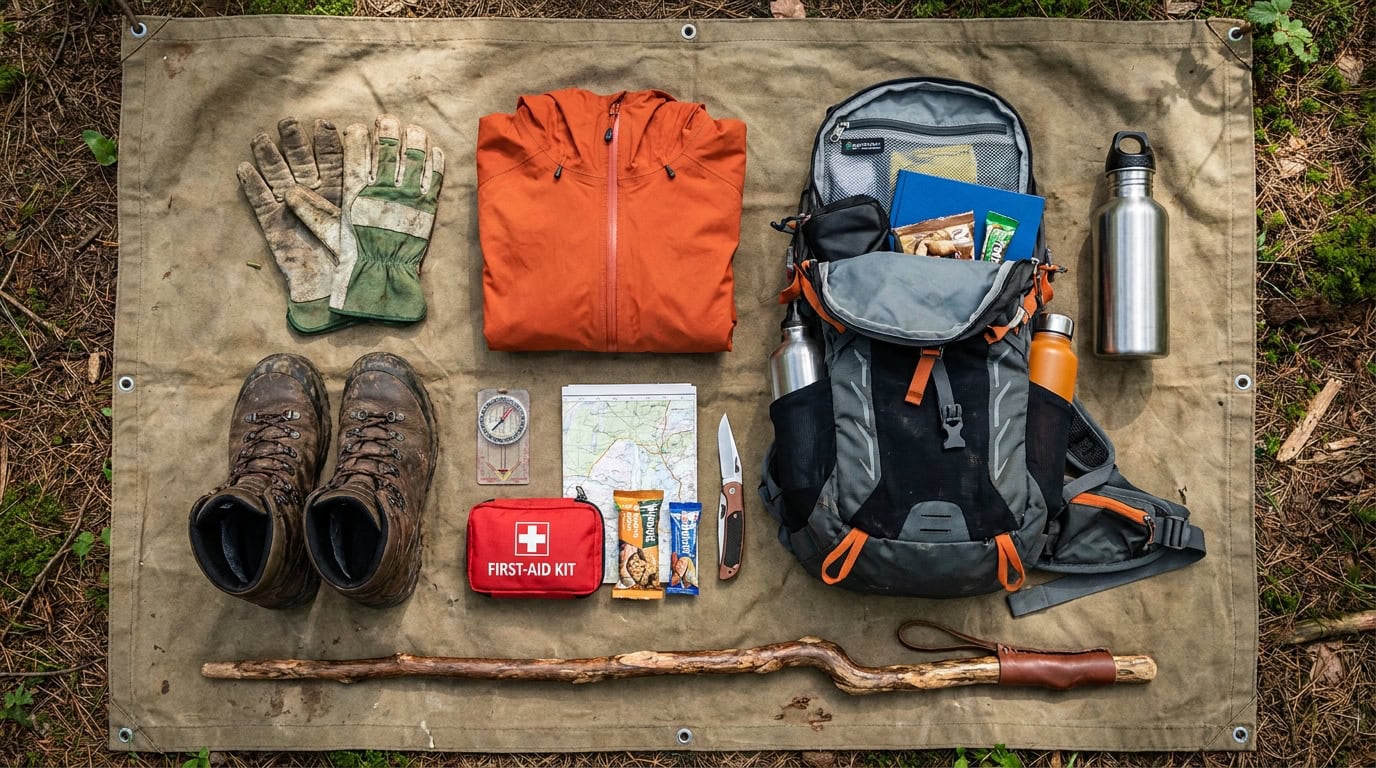
Proper preparation makes gorilla trekking more comfortable and enjoyable. Bwindi and Mgahinga have mountainous landscapes, thick forest vegetation, and changing weather conditions.
Visitors should consider packing the following items:
Strong hiking boots with good grip.
Long-sleeved shirts and long trousers.
Waterproof jackets or raincoats.
Gardening gloves for handling vegetation.
Comfortable hiking socks.
A hat and sunglasses.
Insect repellent.
Sunscreen.
A camera with extra batteries.
Binoculars.
Drinking water and light snacks, following park guidance.
A small backpack for personal belongings.
A walking stick can also be useful, especially when navigating steep or muddy forest trails.
Porters are available at trekking locations to assist visitors with their bags and provide support during the hike. Hiring a porter is also a practical way to support local livelihoods.
Other Wildlife and Activities Around Mountain Gorilla Habitats
A mountain gorilla safari can be combined with other wildlife and cultural experiences in southwestern Uganda. This allows visitors to explore more of the region while enjoying a wider African adventure.
1. Golden Monkey Tracking in Mgahinga – Endangered Mountain Gorillas
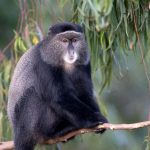
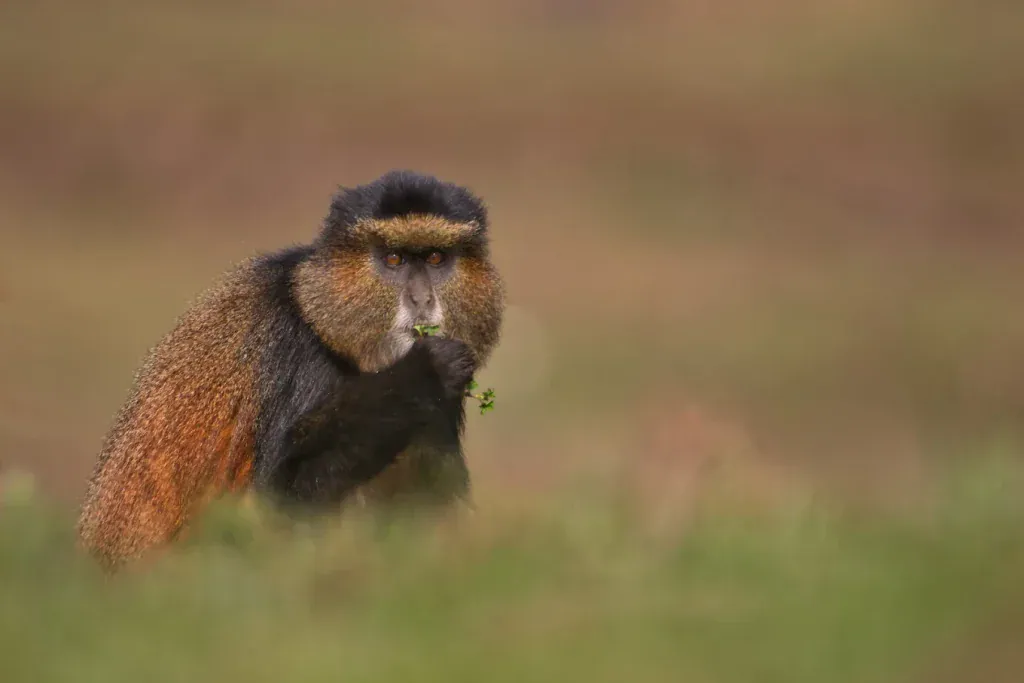
Mgahinga Gorilla National Park is also home to golden monkeys, which are known for their distinctive golden-orange fur and lively behaviour.
Golden monkey tracking takes visitors into bamboo forest habitats, where they can observe these fascinating primates moving through the vegetation.
It is an excellent activity to combine with mountain gorilla trekking.
2. Batwa Cultural Experience
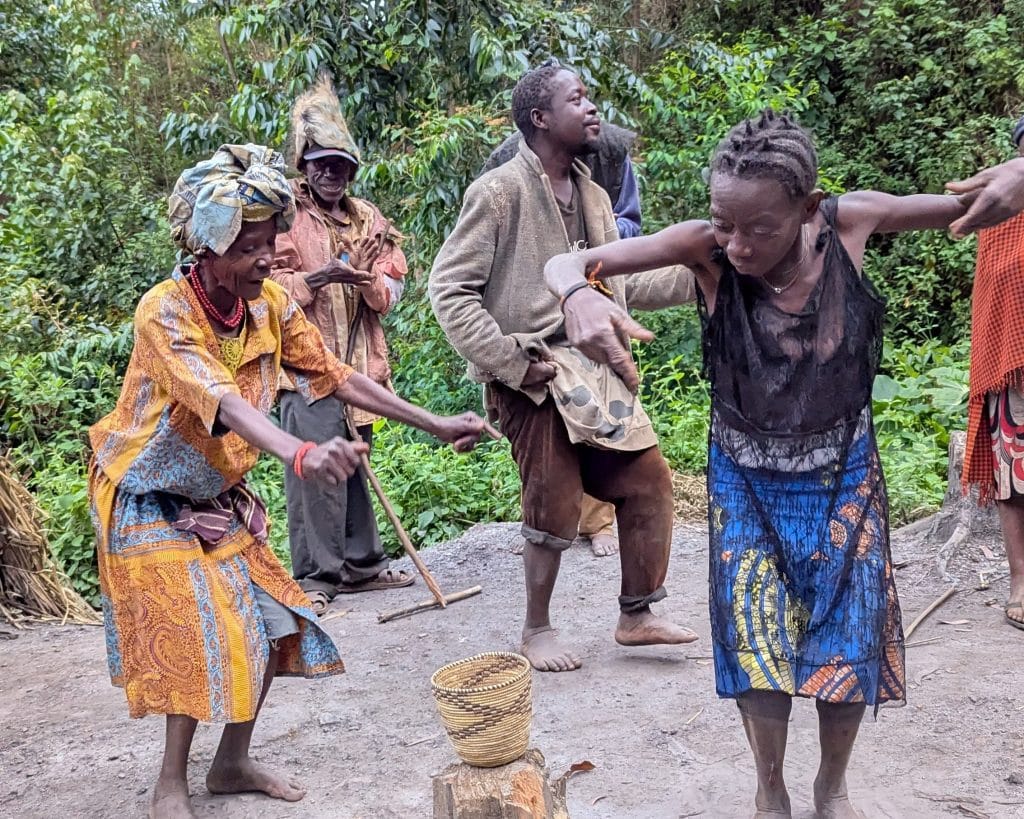
The Batwa are Indigenous forest people with a long history of living in the forests of southwestern Uganda.
A guided Batwa cultural experience introduces visitors to aspects of their traditional forest knowledge, history, music, and cultural heritage.
Responsible cultural tourism should respect community wishes and support local livelihoods.
3. Lake Bunyonyi – Endangered Mountain Gorillas
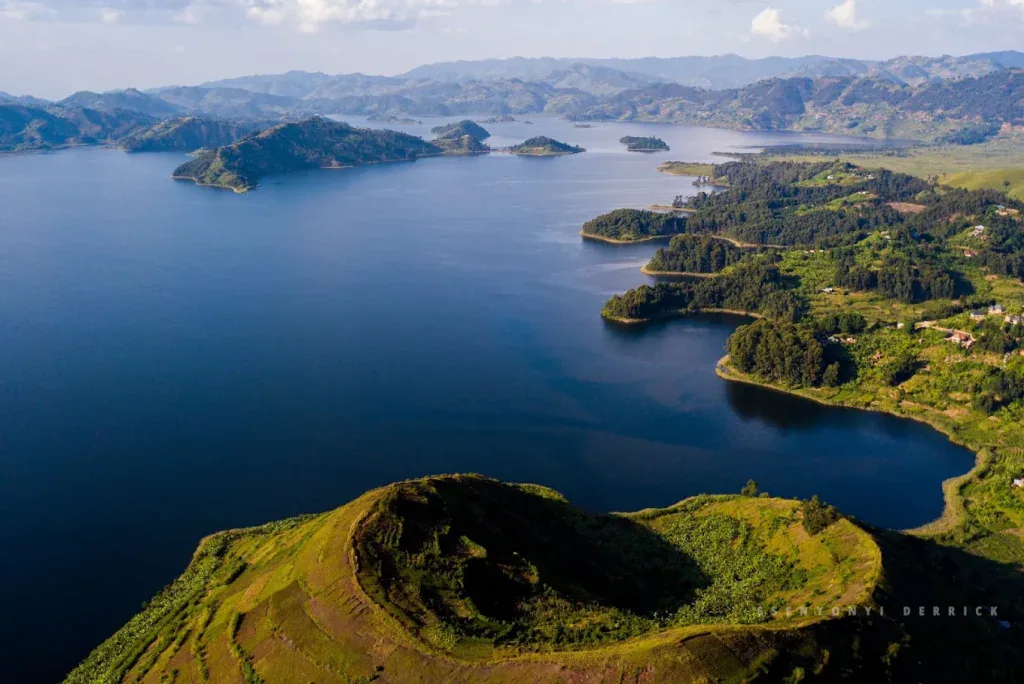
Lake Bunyonyi is one of Uganda’s most beautiful lakes, surrounded by terraced hills and numerous small islands.
It is an excellent destination for relaxation after gorilla trekking, with opportunities for canoeing, birdwatching, boat excursions, and scenic experiences.
4. Queen Elizabeth National Park
Travellers can combine gorilla trekking with a wildlife safari in Queen Elizabeth National Park.
The park offers game drives, boat cruises along the Kazinga Channel, and opportunities to see elephants, buffaloes, Uganda kobs, hippos, and other wildlife.
5. Kibale National Park – Endangered Mountain Gorillas
Kibale National Park is an excellent destination for chimpanzee tracking and other primate experiences.
Combining gorilla trekking with chimpanzee tracking provides an opportunity to encounter two of Africa’s most fascinating great apes during one safari.

How to Support Mountain Gorilla Conservation
Protecting endangered mountain gorillas is a shared responsibility. Governments, conservation organisations, researchers, local communities, tourism businesses, and travellers all have important roles to play.
Visitors can contribute by choosing responsible tour operators, following park regulations, supporting local businesses, and learning about conservation challenges.
Other meaningful ways to support mountain gorilla conservation include:
Supporting reputable wildlife conservation organisations.
Choosing accommodation and tourism services that respect environmental standards.
Avoiding products and activities associated with illegal wildlife exploitation.
Respecting local communities and their cultural heritage.
Sharing accurate conservation information with other travellers.
Following wildlife viewing rules and responsible photography practices.
Every responsible action helps strengthen the wider conservation effort.

Sample 5-Day Uganda Mountain Gorilla and Wildlife Safari – Endangered Mountain Gorillas
A five-day safari provides an opportunity to experience mountain gorillas while exploring some of the beautiful attractions of southwestern Uganda.
| Day | Destination and activities |
|---|---|
| Day 1 | Travel from Entebbe or Kampala towards Bwindi, with scenic stops along the way |
| Day 2 | Mountain gorilla trekking in Bwindi Impenetrable National Park |
| Day 3 | Enjoy a Batwa cultural experience or a guided nature walk, subject to availability |
| Day 4 | Transfer to Lake Bunyonyi for relaxation, canoeing, and scenic activities |
| Day 5 | Return journey towards Entebbe or Kampala |
This is a suggested itinerary and can be customized according to the trekking sector, permit availability, accommodation preferences, and travel schedule.
Experience Endangered Mountain Gorillas with Lavish Safaris Uganda
Mountain gorillas are among Africa’s most treasured wildlife species. Their remarkable recovery demonstrates the importance of conservation, responsible tourism, scientific research, and community participation.
However, their future depends on continued protection of their forest habitats, disease prevention, and cooperation between people and wildlife.
At Lavish Safaris Uganda, we organise memorable mountain gorilla trekking experiences in Bwindi Impenetrable National Park and Mgahinga Gorilla National Park.
Our services can include:
Gorilla trekking permit arrangements.
Comfortable accommodation.
Private safari transportation.
Professional driver-guides.
Tailor-made gorilla trekking itineraries.
Gorilla habituation experience arrangements, subject to permit availability.
Combined wildlife and primate safaris.
Whether you are interested in a short gorilla trekking holiday, a luxury Uganda safari, or an extended East African adventure, we can help you plan a memorable journey.
Discover the beauty of Uganda’s rainforests, encounter endangered mountain gorillas in their natural habitat, and experience a safari that supports responsible tourism and conservation.
Explore Uganda with Lavish Safaris Uganda and discover the unforgettable world of mountain gorillas.
Frequently Asked Questions About Endangered Mountain Gorillas
1. Why are mountain gorillas endangered?
Mountain gorillas face threats such as habitat loss, human-wildlife conflict, disease transmission, illegal activities, and their limited natural distribution. Conservation programmes have helped their population recover, but continued protection is essential.
2. How many mountain gorillas are left in the world? – Endangered Mountain Gorillas
The widely cited global estimate is 1,063 individuals, based on the 2015–2016 Virunga and 2018 Bwindi-Sarambwe censuses. A new Bwindi-Sarambwe census was launched in 2025, and updated results should be checked when officially released.
3. Where can I see mountain gorillas in Uganda?
Mountain gorillas can be seen in Bwindi Impenetrable National Park and Mgahinga Gorilla National Park through regulated gorilla trekking experiences.
4. Are mountain gorillas dangerous to humans?
Mountain gorillas are generally peaceful animals, but they are powerful wild animals and must always be treated with respect. Visitors should maintain the required viewing distance and follow their guides’ instructions.
5. What do mountain gorillas eat? – Endangered Mountain Gorillas
Mountain gorillas mainly feed on leaves, stems, shoots, roots, and other vegetation. Their diet varies according to the season and the food available in their natural environment.
6. How long does gorilla trekking take?
Gorilla trekking can take a few hours or longer, depending on the location of the assigned gorilla family and the terrain. Visitors are allowed a regulated observation period once the gorillas are located.
7. What is the difference between gorilla trekking and gorilla habituation?
Gorilla trekking involves visiting a habituated gorilla family for a regulated viewing period. Gorilla habituation involves visiting a group that is still undergoing the gradual process of becoming accustomed to human presence under specialised conservation arrangements.
8. Can mountain gorillas be seen throughout the year? – Endangered Mountain Gorillas
Yes. Gorilla trekking is available throughout the year in Uganda, subject to permit availability and park conditions.
9. How does gorilla tourism help conservation?
Responsible gorilla tourism generates revenue that supports protected-area management, wildlife monitoring, ranger operations, and community initiatives. It also creates employment opportunities and raises awareness about endangered wildlife.