
Experience Africa. Africa is not one destination. It is 54 countries, more than a thousand languages, and landscapes that range from the world’s largest hot desert to snow-capped equatorial peaks. You can watch a million wildebeest cross a river, explore a thousand-year-old rock-hewn church, haggle in a lantern-lit souk, and sip wine in a vineyard with a mountain behind it, all within the same continent.
This guide gives you a clear picture of what tourism in Africa offers, region by region, so you can decide where to go, when to travel, and how to do it well.
Why Africa?
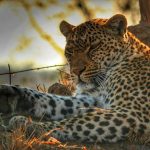
- Wildlife on an epic scale. Africa is home to the Big Five, the Great Migration, mountain gorillas, and some of the richest birdlife on Earth.
- Landscapes of every kind. Deserts, rainforests, savanna, volcanoes, waterfalls, and long, empty beaches.
- Living culture. Music, food, craft, and storytelling traditions are part of daily life, not just a show for visitors.
- Deep history. Africa holds ancient civilisations, early human heritage sites, and powerful stories of trade, resistance, and independence.
- Experiences that stay with you. Many travellers say an African trip changed how they see the natural world and other cultures.
East Africa: The Classic Safari Heartland
East Africa is the best-known safari region, and for good reason.
Kenya and Tanzania
The Maasai Mara and Serengeti form one great ecosystem. From roughly July to October, huge herds of wildebeest and zebra cross the Mara River, one of nature’s most dramatic spectacles. Elsewhere you’ll find Amboseli, with elephants against Mount Kilimanjaro, and the Ngorongoro Crater, a natural bowl dense with wildlife.
Kilimanjaro, Africa’s highest peak, draws hikers who want a serious challenge without technical climbing. Zanzibar adds spice markets, historic Stone Town, and white-sand beaches for a relaxing finish.
Uganda and Rwanda
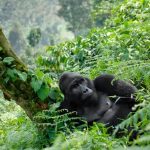
Known for mountain gorilla trekking, these two countries also offer chimpanzee tracking, tree-climbing lions, boat safaris, and the source of the Nile. They are compact, green, and welcoming, and great for travellers who want primates and savanna in one trip.
Ethiopia
For culture, Ethiopia stands out. Visit the rock-hewn churches of Lalibela, the ancient ruins of Axum, and the Simien Mountains, where gelada monkeys graze on cliff-edge meadows.
Southern Africa: Wildlife, Wine, and Wide Open Space
South Africa
This is the easiest introduction to Africa. Kruger National Park and the private reserves around it offer excellent Big Five viewing. Cape Town combines Table Mountain, penguins at Boulders Beach, and nearby wine regions. The Garden Route is a scenic road-trip classic.
Botswana
The Okavango Delta is a maze of waterways where you can glide by mokoro canoe past elephants and hippos. Chobe National Park is famous for huge elephant herds. Botswana focuses on low-impact, high-quality safaris.
Namibia
Dramatic and uncrowded. Climb the red dunes of Sossusvlei, visit Etosha National Park for waterhole wildlife, and see the stark beauty of the Skeleton Coast.
Zimbabwe and Zambia
Victoria Falls, one of the world’s largest waterfalls, sits on their border. Add white-water rafting, a sunset cruise on the Zambezi, and walking safaris in nearby parks.
Madagascar
An island of its own. Lemurs, baobab trees, and wildlife found nowhere else make it a destination for nature lovers who want something different.
North Africa: History, Desert, and Markets
Egypt
The pyramids at Giza, the temples of Luxor, and a Nile cruise are timeless. The Red Sea also offers excellent diving and snorkelling.
Morocco
Wander the medinas of Marrakech and Fes, camp under the stars in the Sahara, and hike in the Atlas Mountains. Moroccan food, from tagines to mint tea, is a highlight in itself.
Tunisia and the Mediterranean coast
Roman ruins, blue-and-white seaside towns, and Saharan gateways make this a rich cultural stop.
West and Central Africa: Culture, Music, and Heritage
West Africa is a draw for travellers who love culture and history.
- Ghana and Senegal: Heritage sites that tell the story of the transatlantic slave trade, plus lively cities, beaches, and music.
- Cape Verde: Island hopping, music, and sandy beaches.
- Nigeria: Huge cultural influence in film, fashion, and music, with growing interest in festivals and city travel.
- Central Africa: Countries such as Gabon and Congo hold dense rainforest, with opportunities for gorilla and forest elephant experiences, though travel here usually needs more planning.
Types of Tourism Experiences in Africa
| Experience | What you do | Best for |
|---|---|---|
| Wildlife safari | Game drives, walking safaris, boat safaris | Nature lovers, families, photographers |
| Primate trekking | Gorillas, chimpanzees, golden monkeys | Adventurers, bucket-list travellers |
| Cultural tourism | Village visits, festivals, craft workshops, historic sites | Curious travellers, history fans |
| Adventure sports | Rafting, bungee, hiking, diving, sandboarding | Thrill-seekers |
| Beach and island | Zanzibar, Seychelles, Mozambique, Cape Verde | Relaxation after safari |
| Mountain trekking | Kilimanjaro, Rwenzori, Atlas, Simien | Hikers and climbers |
| Food and wine | Vineyard tours, street food, cooking classes | Foodies |
| Eco and community tourism | Locally owned lodges, conservation projects | Responsible travellers |
Best Time to Visit
Africa’s seasons vary by region, so timing depends on where you’re going.
| Region | Generally best time | Notes |
|---|---|---|
| East Africa (Kenya, Tanzania) | June to October, plus January to February | Migration river crossings, dry-season game viewing |
| Uganda and Rwanda | June to September, December to February | Drier trails for trekking |
| Southern Africa | May to October | Dry winter, great wildlife viewing at waterholes |
| Victoria Falls | Varies | High water in the wet season, more walkable in the dry |
| North Africa | Spring and autumn | Summers can be very hot |
| Cape Town | November to March | Warm, dry summer |
Conditions and weather patterns shift from year to year, so check current seasonal guidance for your chosen destination.
Sample Trip Ideas
First-Time Safari (10 to 12 days)
Combine Kenya and Tanzania for the Maasai Mara and Serengeti, then relax on Zanzibar.
Primates and Savanna (7 to 10 days)
Uganda or Rwanda for gorilla and chimp trekking, with game drives in a savanna park.
Southern Africa Highlights (12 to 14 days)
Cape Town, Kruger, Victoria Falls, and Chobe or the Okavango Delta.
Culture and History (10 days)
Egypt, Morocco, or Ethiopia, depending on your interests.
Adventure Mix (10 days)
Hike Kilimanjaro or the Rwenzoris, add white-water rafting in Jinja or Zambia, and finish with a beach.
Planning Your Trip: A Simple Checklist – Experience Africa
- Choose your priorities. Wildlife, culture, adventure, relaxation, or a mix.
- Pick one or two regions. Distances are huge, so avoid cramming too much in.
- Set a realistic budget. Include flights, permits and park fees, accommodation, transport, activities, insurance, and tips.
- Check visas and entry rules. Requirements vary by country and nationality and can change, so verify with official government sources.
- Visit a travel clinic. Ask about required and recommended vaccinations and malaria prevention.
- Book early for peak seasons. Gorilla permits, migration lodges, and holiday periods fill up quickly.
- Work with a trusted operator. Look for licensed, well-reviewed companies that employ local guides and are transparent about pricing.
- Buy travel insurance that covers medical care, evacuation, and cancellation.
What to Pack – Experience Africa
- Neutral-coloured, lightweight clothing for safaris
- A warm layer for early morning game drives and highland areas
- Waterproof jacket
- Sturdy walking shoes or hiking boots
- Hat, sunglasses, sunscreen, and insect repellent
- Binoculars and a camera
- Power bank and universal adapter
- Reusable water bottle
- Personal medication and a basic first-aid kit
- Respectful clothing for cultural sites, especially in more conservative areas
Travelling Responsibly – Experience Africa
Tourism supports millions of jobs across Africa and funds conservation, but it works best when travellers make thoughtful choices.
- Choose locally owned lodges and guides so money stays in the community.
- Respect wildlife. Keep your distance, never feed animals, and follow ranger instructions.
- Respect people. Ask before photographing individuals, learn a few local greetings, and dress appropriately.
- Buy directly from artisans and pay fair prices.
- Reduce waste. Avoid single-use plastic and take your rubbish with you.
- Avoid unethical wildlife attractions, such as ones that offer cub petting or animal rides.
- Support conservation. Park fees, permits, and donations to reputable projects make a real difference.
Common Myths About Visiting Africa – Experience Africa
“Africa is one country.” It’s a continent with enormous variety. Research the specific country and region.
“It’s too dangerous.” Safety varies by country and area, as it does anywhere. Check official travel advice, use reputable operators, and take normal precautions.
“It’s only for wealthy travellers.” Costs range widely. Budget camping, shared safaris, and low-season travel make Africa accessible to many.
“You only see wildlife.” Africa’s cities, food, music, art, and history are just as rewarding.
Final Thoughts – Experience Africa
Lavish Safaris Uganda. Experiencing Africa is about more than ticking off animals or landmarks. It’s the sound of a lion’s roar at dawn, the warmth of a stranger’s welcome, the taste of a meal cooked over open fire, and the feeling of standing somewhere vast and ancient. Whether you spend a weekend in one country or a month crossing the continent, Africa rewards curiosity, patience, and respect.