
A Complete Guide to an Extraordinary Wildlife Experience
Gorilla Habituation Uganda: A Complete Guide to an Extraordinary Wildlife Experience. Uganda is one of the world’s most remarkable destinations for mountain gorilla encounters. Deep in the lush forests of southwestern Uganda, travelers can experience the rare opportunity to observe endangered mountain gorillas in their natural habitat.
For visitors looking for more than a traditional gorilla trek, gorilla habituation in Uganda offers a longer and more immersive experience. It allows travelers to spend significantly more time observing a gorilla group that is undergoing the habituation process.
The experience takes place in Bwindi Impenetrable National Park, a UNESCO World Heritage Site and one of the most important habitats for mountain gorillas. A gorilla habituation experience combines adventure, wildlife observation, conservation and education, making it an exceptional addition to a Uganda safari.
What Is Gorilla Habituation?
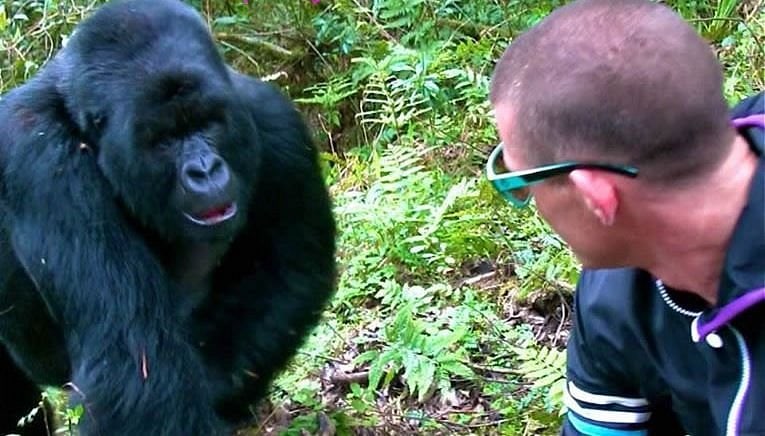
Gorilla habituation is the gradual process of getting wild mountain gorillas accustomed to the presence of humans.
Unlike gorilla families that have already been fully habituated for tourism, a habituating group is still becoming familiar with human observers. Researchers, trackers, rangers and conservation teams spend time following and observing these gorillas while carefully monitoring their behavior.
The purpose is not to domesticate the gorillas. They remain wild animals and continue to live naturally in the forest.
The habituation process helps researchers understand gorilla behavior while allowing carefully controlled tourism to contribute to conservation and community development.
For travelers, participating in a habituation experience provides an opportunity to observe gorillas for a much longer period than ordinary gorilla trekking.
Where Does Gorilla Habituation Take Place in Uganda?
Gorilla habituation takes place in Bwindi Impenetrable National Park in southwestern Uganda.
Bwindi is famous for its ancient rainforest, steep hills, deep valleys and exceptional biodiversity. The forest provides an important habitat for mountain gorillas as well as numerous birds, primates, butterflies and plant species.
The Rushaga sector in southern Bwindi is particularly associated with the Gorilla Habituation Experience.
Because gorilla families and tourism arrangements can change, travelers should confirm the current habituation opportunities and permit availability before planning their trip.

Gorilla Habituation Experience vs. Gorilla Trekking
Gorilla trekking and gorilla habituation are related experiences, but they are not the same.
During standard gorilla trekking, visitors search for a fully habituated gorilla family and, once the group is located, are normally allowed a maximum of one hour with the gorillas.
Gorilla habituation provides a considerably longer observation period. Under Uganda Wildlife Authority guidelines, visitors participating in the habituation experience may spend up to four hours observing the gorilla group once it has been located.
This makes habituation particularly attractive to travelers who want more time to study gorilla behavior and enjoy the forest experience.
Key differences
| Gorilla Trekking | Gorilla Habituation |
|---|---|
| Visit a habituated gorilla family | Visit a group undergoing habituation |
| Up to one hour of observation | Up to four hours of observation |
| Generally begins later in the morning | Starts early |
| Ideal for most safari travelers | Ideal for dedicated wildlife enthusiasts |
| Shorter wildlife encounter | Longer and more immersive experience |
Why Choose Gorilla Habituation in Uganda?
1. Enjoy a Longer Gorilla Encounter
One of the biggest advantages of gorilla habituation is the additional time spent observing the gorillas.
Four hours gives you more opportunity to watch the group as it moves through the forest, feeds, rests, grooms and interacts.
You may see different individuals displaying different personalities and behaviors throughout the experience.
2. Learn About Gorilla Behavior
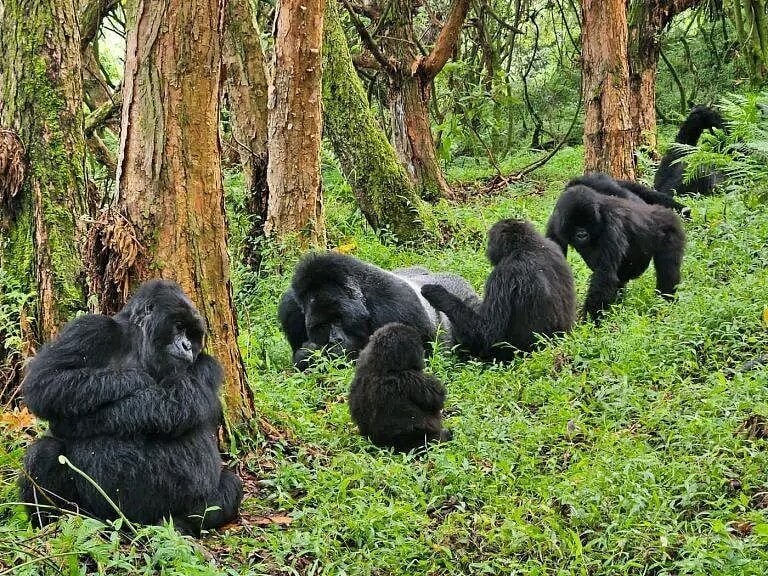
Gorilla habituation is particularly rewarding for travelers who are interested in animal behavior.
Rather than simply seeing a gorilla and taking photographs, you have more time to observe how the animals interact with one another.
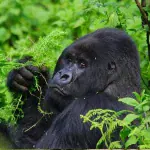
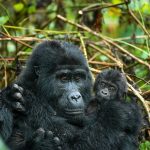
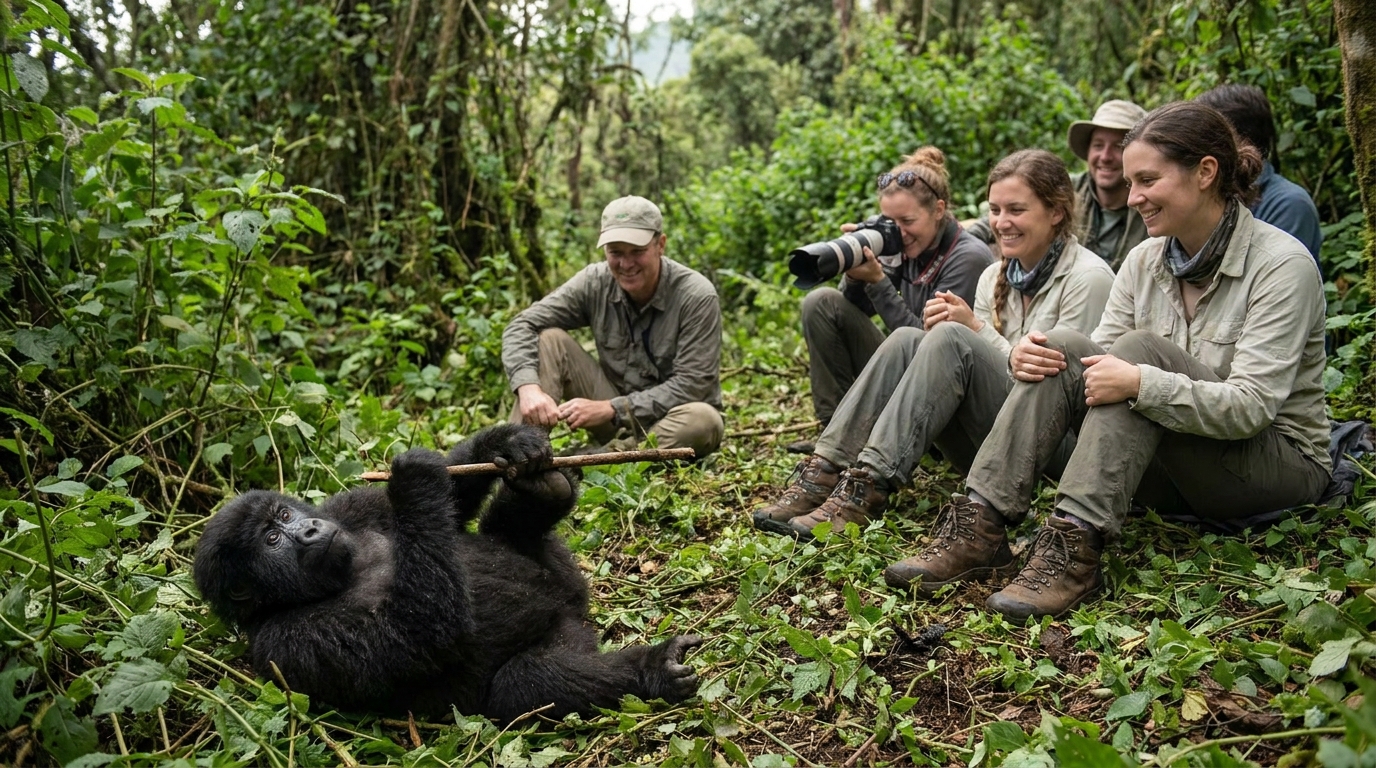
You may watch a silverback protecting the group, mothers caring for their young or juveniles playing among the vegetation.
Your ranger and tracking team can also explain aspects of gorilla ecology, social structure and conservation.
3. Ideal for Wildlife Photographers
The extended observation period can be valuable for photographers.
With more time around the gorillas, there may be more opportunities to capture natural behaviors and different photographic compositions.
However, photography must always remain responsible. Visitors should follow the instructions of their ranger, avoid flash photography and never approach the gorillas simply to obtain a better photograph.
4. Experience Bwindi’s Rainforest
The gorillas are the main attraction, but the forest itself is an important part of the adventure.
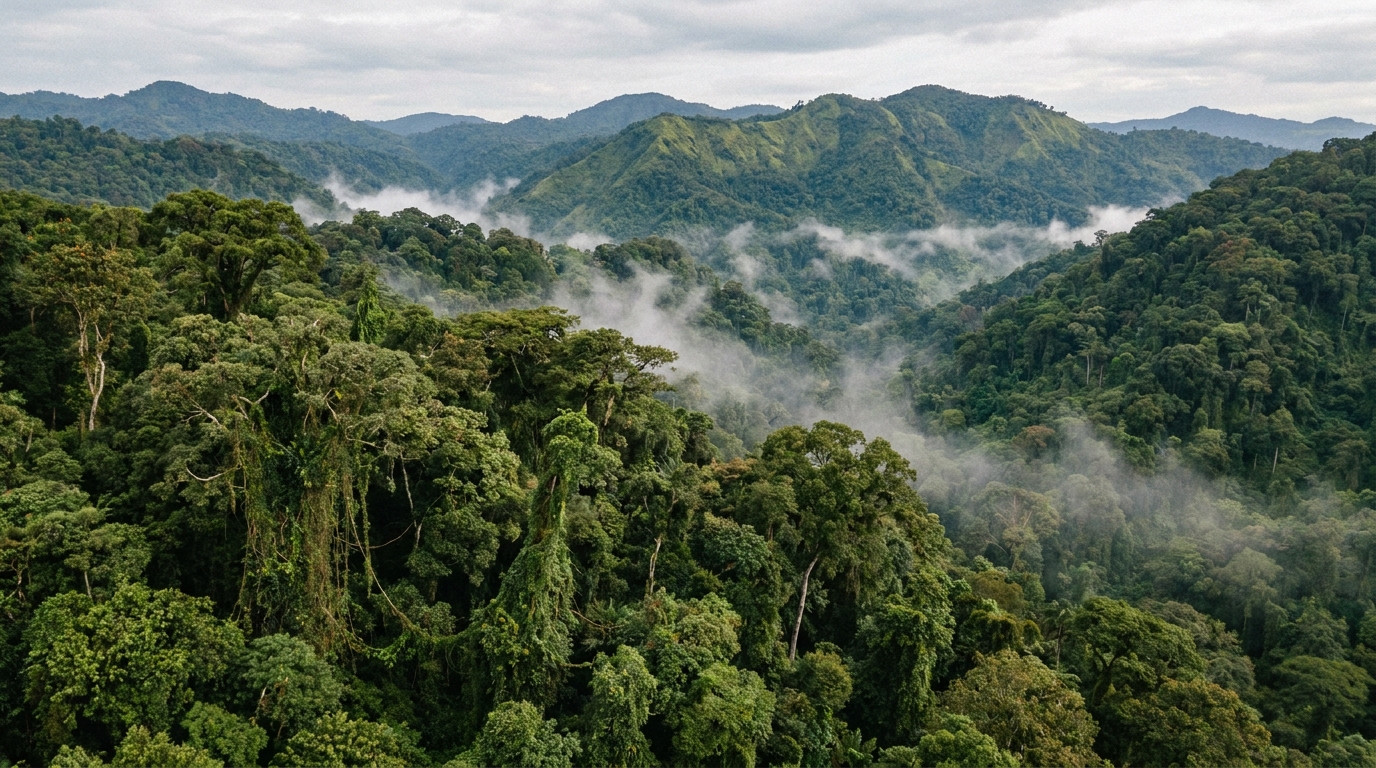
Bwindi is a dense tropical rainforest with towering trees, tangled vegetation, moss-covered surfaces and steep trails.
Walking through this environment provides a completely different experience from a traditional savannah game drive.
The journey to find the gorillas can be just as memorable as the encounter itself.
5. Support Conservation
Gorilla tourism plays an important role in supporting conservation efforts in Uganda.
Revenue generated through regulated tourism helps support protected-area management and contributes to the broader conservation economy surrounding Bwindi.
Uganda has achieved important progress in mountain gorilla conservation. The 2018 Bwindi census recorded 459 gorillas, up from 300 recorded in 1991, according to Uganda Wildlife Authority.
The recovery demonstrates the value of long-term conservation, research, veterinary care, law enforcement and community involvement.
What Is the Gorilla Habituation Experience Like?
The experience begins early in the morning.
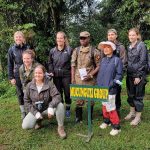
After arriving at the designated meeting point, you receive a briefing from the ranger team. The briefing explains safety procedures, responsible wildlife viewing and how visitors should behave around the gorillas.
You then begin your trek into the forest.

Entering the Forest
The first part of the adventure involves walking through Bwindi’s thick vegetation.
Depending on the location of the gorilla group, the trek may involve several hours of walking.
The terrain can be steep, muddy and slippery, especially after rainfall.
Following the Trackers
Experienced trackers help locate the gorilla group.
They look for signs such as feeding areas, footprints, nesting sites and other evidence indicating where the gorillas have moved.
As you follow the team deeper into the forest, anticipation gradually builds.
Finding the Gorillas
Finding the gorillas is often the most exciting moment of the trek.
You may hear branches moving or see vegetation shaking before you actually see the animals.
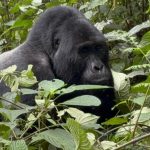
Suddenly, a silverback may appear through the foliage, or you may discover a mother with an infant resting nearby.
The first sight of the gorillas is often an unforgettable moment.
Spending Time with the Group
Once the group has been located, you can spend the permitted observation period watching the animals under the supervision of the ranger team.
Because the experience lasts longer than standard trekking, there is more time to observe natural behaviors.
You might see gorillas:
- Feeding on leaves and shoots
- Moving through the forest
- Grooming one another
- Resting
- Playing
- Communicating
- Caring for infants
- Interacting with other members of the group
After the observation period, you leave the gorillas and begin your journey back through the forest.
How Difficult Is Gorilla Habituation?
Gorilla habituation requires a reasonable level of physical fitness.
Bwindi is a mountainous rainforest, and the terrain can be challenging. You may walk uphill and downhill, navigate narrow paths and cross muddy sections.
The duration and difficulty of the trek depend largely on where the gorilla group is located on that particular day.
Travelers should prepare by walking regularly before their safari. If you enjoy hiking, walking and outdoor adventures, the experience can be particularly rewarding.
Visitors with mobility concerns should discuss their needs with their safari operator before booking.
What Should You Pack for Gorilla Habituation?
Proper preparation can make a significant difference.
Hiking boots
Wear sturdy, comfortable hiking boots with good grip. Waterproof boots are especially useful during wet conditions.
Long trousers
Long trousers help protect your legs from vegetation, insects and scratches.
Long-sleeved shirt
A long-sleeved shirt provides additional protection while moving through the forest.
Rain jacket
Bwindi receives rainfall throughout the year, so a waterproof jacket is highly recommended.
Gardening gloves
Lightweight gardening gloves can protect your hands when holding vegetation for balance.
Water
Carry enough drinking water to stay hydrated throughout the trek.
Snacks
Energy-rich snacks can be useful during a long day of hiking.
Insect repellent
An effective insect repellent can help reduce insect bites.
Camera
Bring a camera with extra batteries and enough memory. A zoom lens can help you take photographs without getting unnecessarily close to the gorillas.
Walking stick
A walking stick can provide additional support on steep or slippery trails.
Best Time for Gorilla Habituation in Uganda
Gorilla habituation is possible throughout the year.
Many travelers prefer the relatively drier periods because trails can be easier to navigate. The commonly preferred travel periods are June to September and December to February.
However, Bwindi is a rainforest, meaning rainfall can occur at any time.
The wetter months can also provide beautiful scenery because the forest becomes especially green and lush.
Instead of choosing your travel dates based only on weather, consider permit availability, accommodation, transportation and the rest of your Uganda safari itinerary.
Gorilla Habituation Permit
A special permit is required to participate in the Gorilla Habituation Experience.
The permit is different from the standard gorilla trekking permit because the experience allows a longer period of observation.
Permit prices and tourism regulations can change, so travelers should confirm the latest official rates with the Uganda Wildlife Authority before booking.
It is also advisable to reserve your permit well in advance because habituation permits are limited.
Responsible Gorilla Habituation
Responsible tourism is essential when visiting mountain gorillas.
Gorillas share many characteristics with humans, which means they can potentially be vulnerable to human-borne illnesses.
For this reason, strict viewing rules are in place.
Visitors should:
- Follow the instructions of the ranger at all times.
- Maintain the required distance from the gorillas.
- Avoid sudden movements.
- Keep voices low.
- Never touch or feed the gorillas.
- Avoid using flash photography.
- Do not litter in the forest.
- Do not visit the gorillas when sick.
- Avoid blocking the animals’ movements.
- Respect the established viewing time.
These rules help ensure that tourism does not negatively affect the animals.
Gorilla Conservation in Bwindi
Gorilla habituation is closely connected to scientific research and conservation.
Bwindi’s mountain gorillas have been protected through a combination of habitat conservation, research, veterinary interventions, ranger patrols, monitoring and community involvement.
Tourism provides an important economic incentive for protecting gorillas and their forest habitat.
The success of mountain gorilla conservation in Uganda shows what can be achieved when wildlife protection, scientific research and responsible tourism work together. www.lavishsafarisuganda.com
Supporting Communities Around Bwindi
The communities surrounding Bwindi are an important part of the conservation story.
Tourism creates employment opportunities for guides, trackers, drivers, lodge staff, porters and other local service providers.
Travelers can also support local communities by purchasing locally made crafts, taking part in cultural experiences and choosing accommodation and tourism services that contribute to the local economy.
A gorilla safari therefore has the potential to benefit both wildlife and people.
Other Activities to Combine with Gorilla Habituation
A gorilla habituation safari can be combined with several other Ugandan experiences.
Lake Bunyonyi
Lake Bunyonyi is a beautiful place to relax before or after your gorilla experience. Visitors can enjoy boat trips, scenic views and peaceful lakeside accommodation.
Queen Elizabeth National Park
Combine your gorilla experience with game drives and a boat cruise along the Kazinga Channel.
Kibale National Park
Add chimpanzee tracking to create a memorable primate-focused safari.
Mgahinga Gorilla National Park
Explore the volcanic landscapes and forests of southwestern Uganda.
Lake Mburo National Park
Lake Mburo is a convenient addition to some southwestern Uganda itineraries and offers game drives, walking experiences and other activities. www.bestsafariholidays.com
Sample Gorilla Habituation Safari Itinerary
A longer Uganda safari can combine gorilla habituation with wildlife and primate experiences.
Day 1: Arrival in Entebbe and transfer to your hotel
Day 2: Travel to Lake Mburo National Park
Day 3: Wildlife experience in Lake Mburo and continue toward Bwindi
Day 4: Gorilla Habituation Experience in Bwindi
Day 5: Bwindi forest walk or cultural experience
Day 6: Transfer to Queen Elizabeth National Park
Day 7: Game drive and Kazinga Channel boat cruise
Day 8: Travel to Kibale National Park
Day 9: Chimpanzee tracking and Bigodi community experience
Day 10: Return to Entebbe
This itinerary can be customized depending on your interests, budget, travel dates and preferred accommodation.
Who Is Gorilla Habituation Best For?
Gorilla habituation is particularly suitable for travelers who want a deeper wildlife experience.
It is an excellent choice for:
- Wildlife enthusiasts
- Nature lovers
- Photographers
- Primate researchers
- Conservation enthusiasts
- Repeat visitors to Uganda
- Adventure travelers
- Travelers who want more time observing gorillas
If you simply want to see mountain gorillas, standard gorilla trekking is an excellent option. If you want to spend substantially more time observing and learning about a gorilla group, habituation offers a more immersive alternative.
Why Choose Gorilla Habituation in Uganda?
Uganda’s Gorilla Habituation Experience offers something that few wildlife destinations can match.
It is not simply about seeing a mountain gorilla.
It is about entering an ancient rainforest, walking through challenging terrain, following experienced trackers, learning about conservation and spending extended time observing one of the world’s most fascinating great apes.
The experience can be physically demanding, but the reward is extraordinary.
You may watch a silverback calmly observing his family, a mother caring for her infant or young gorillas playing in the vegetation. These moments provide a rare glimpse into the social lives of mountain gorillas.
Plan Your Gorilla Habituation Safari with Lavish Safaris Uganda
At Lavish Safaris Uganda, we can help travelers plan tailor-made gorilla habituation safaris in Bwindi and combine them with Uganda’s other remarkable destinations.
Whether you are interested in gorilla habituation, gorilla trekking, chimpanzee tracking, wildlife safaris, birding, cultural experiences or luxury Uganda holidays, your itinerary can be designed around your interests and travel schedule.
A well-planned gorilla habituation safari allows you to experience Uganda’s forests at a deeper level while contributing to the conservation of mountain gorillas and supporting communities around Bwindi. www.bestsafariholidays.com
Gorilla habituation in Uganda is more than a wildlife encounter—it is an immersive journey into the rainforest, a lesson in conservation and a rare opportunity to spend meaningful time in the presence of endangered mountain gorillas.