
Gorilla trekking is worth the money. It is one of the most expensive single wildlife activities in Africa. A permit alone costs around $800 in Uganda or $1,500 in Rwanda for foreign non-residents (prices current as of recent years). Add transport, lodging, guides, and other costs, and a short trip easily runs $1,500–$4,000+ per person depending on style and destination. You get only one strictly timed hour with a habituated mountain gorilla family. So is it justified?
The consistent answer from travelers, guides, and conservation data is yes—for the right person. Here is a clear, detailed look at why.
The Real Cost Breakdown – Gorilla trekking is worth the money
The permit is the biggest single expense and is non-negotiable. Approximate current figures:
- Uganda (Bwindi Impenetrable or Mgahinga): ~$800 for foreign non-residents.
- Rwanda (Volcanoes National Park): $1,500.
- DR Congo (Virunga): often $400–$500 when open, but security and access issues make it less reliable for most travelers.
A basic 3–4 day Uganda trip (permit + shared transport + mid-range or budget lodging) often totals $1,500–$2,500 per person. Rwanda is higher because of the permit and more premium infrastructure. Luxury packages easily exceed $5,000–$10,000. Extra costs include porters ($15–20, highly recommended), tips, park fees, and international flights.
These prices are deliberately high. They limit visitor numbers (usually max 8 people per group) to protect the animals and fund conservation.
What You Actually Experience – Gorilla trekking is worth the money
You start early, often before dawn. After a briefing, you hike into dense rainforest or bamboo forest with armed rangers and trackers. The walk can last 30 minutes to several hours depending on where the family is that day. Terrain is often steep, muddy, and slippery—especially in Uganda’s “Impenetrable” forest. Fitness helps, but porters and guides make it manageable for reasonably healthy adults (minimum age is typically 15).
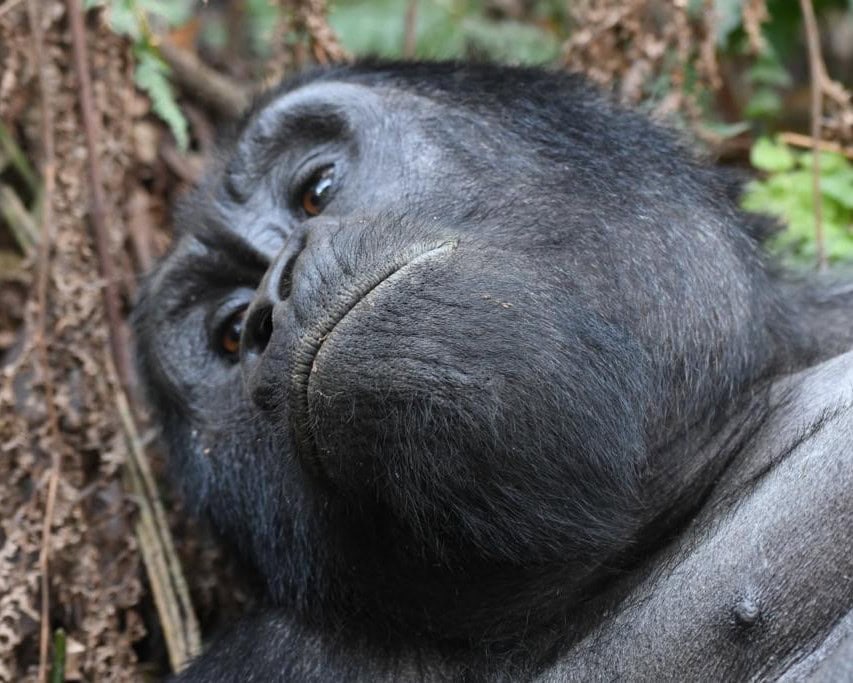
When the trackers locate the family, the clock starts. You spend exactly one hour watching them at close range (guidelines aim for 7 meters, though proximity can feel closer). You see silverbacks, mothers with infants, juveniles playing, grooming, feeding, and resting. The animals are habituated, so they largely ignore you. The encounter is quiet, intimate, and often deeply emotional. Many people describe eye contact with a gorilla as one of the most powerful wildlife moments of their lives.
Success rates are extremely high—95–99% in well-managed parks. Unlike a game drive where animals can vanish, you almost always find the assigned family.
Where the Money Goes (and Why It Matters) – Gorilla trekking is worth the money
This is the strongest justification for the price. Mountain gorillas were once critically endangered, with fewer than 400 individuals in the wild in the 1980s. Today the population exceeds 1,000 and has been upgraded to endangered. Tourism revenue is a major reason.
Permit fees fund:
- Anti-poaching patrols and ranger salaries
- Veterinary care and monitoring
- Habitat protection
- Community projects (schools, clinics, water, alternative livelihoods)
Local communities receive a share of the revenue. This turns potential poachers and encroachers into stakeholders who benefit from the animals’ survival. The model has worked remarkably well compared with many other endangered species.
Pros and Cons in Plain Terms
Pros
- Extremely high chance of a close, exclusive encounter with one of the rarest great apes on Earth
- Profound emotional and sensory experience that most people rate as unforgettable
- Direct, measurable contribution to conservation success
- Small groups and strict rules keep it low-impact and high-quality
- Combines adventure (hiking) with wildlife viewing in pristine forest
Cons
- High cost for a single hour of viewing
- Physically demanding for some (altitude, mud, steep slopes)
- Weather is unpredictable—rain is common
- Strict time limit and rules (no touching, limited photography flash, etc.)
- Not ideal if you dislike hiking or want luxury comfort above all else
Who Should (and Shouldn’t) Do It – Gorilla trekking is worth the money
It is worth the money if you:
- Care about rare wildlife and conservation
- Enjoy nature and moderate hiking
- Want an intimate rather than volume-based safari experience
- Can absorb the cost without financial stress
- Are prepared for early starts and imperfect conditions
It may not feel worth it if you:
- Are on a very tight budget
- Dislike physical effort or rain/mud
- Expect luxury or a guaranteed “perfect photo” experience
- Prefer seeing large numbers of different animals on game drives
Uganda generally offers better overall value than Rwanda for most travelers because of the lower permit price and more gorilla families. Rwanda is stronger for shorter trips, easier logistics from Kigali, and higher-end lodges.
How to Get Maximum Value
- Book permits well in advance through a reputable operator (they sell out, especially in peak dry seasons: June–September and December–February).
- Hire a porter—it supports local people and makes the hike far more comfortable.
- Choose a multi-day itinerary that includes other activities (chimpanzees, savannah parks, culture) so the gorilla hour is the highlight rather than the entire trip.
- Prepare physically with some hill walking beforehand.
- Follow all rules strictly—your behavior protects the animals and the experience for others.
- Consider the Gorilla Habituation Experience in Uganda (longer time with a group still being habituated) if you want more than one hour and can pay the higher fee.
The Bottom Line
Gorilla trekking is expensive by design. You are not just buying an hour of entertainment. You are paying for rarity, exclusivity, expert guidance, and a conservation system that has helped pull a species back from the brink. The hour itself is often described as life-changing. The knowledge that your money supports rangers, communities, and habitat protection adds lasting meaning.
If the cost fits your budget and the idea of standing quietly among wild mountain gorillas appeals to you, the answer is clear: yes, it is worth the money. Most people who do it say they would do it again.


