
The Ultimate Guide to an Unforgettable Primate Adventure
Gorilla Trekking Safari Uganda: The Ultimate Guide to an Unforgettable Primate Adventure. Uganda is one of Africa’s most remarkable destinations for wildlife lovers, nature enthusiasts, and adventure travelers. Among its many experiences, gorilla trekking safari in Uganda stands out as one of the most extraordinary ways to experience wildlife in its natural habitat.
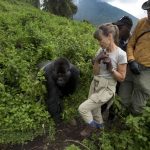
Deep in the misty forests of southwestern Uganda, travelers have the opportunity to trek through ancient rainforests in search of endangered mountain gorillas. The experience is much more than simply seeing wildlife. It is an intimate journey through the forest, guided by experienced trackers and rangers, with the reward of spending precious moments observing a gorilla family in its natural environment.
Uganda offers gorilla trekking in Bwindi Impenetrable National Park and Mgahinga Gorilla National Park. According to the Uganda Wildlife Authority, trekking can take approximately two to seven hours depending on the location of the gorilla family, with one hour allowed for observation once the family is located.

What Is Gorilla Trekking in Uganda?
Gorilla trekking is a guided hiking experience through Uganda’s mountainous rainforest to locate a habituated family of mountain gorillas.
The trek begins in the morning with a briefing at the park headquarters. Visitors are introduced to the trekking guidelines before setting off with trained ranger guides and trackers.
The journey can involve steep slopes, dense vegetation, muddy trails, streams, and uneven terrain. The exact duration cannot always be predicted because mountain gorillas move freely through their natural habitat.
When the gorilla family is located, trekkers normally spend one hour observing them. This is the moment many travelers describe as the highlight of their Uganda safari.
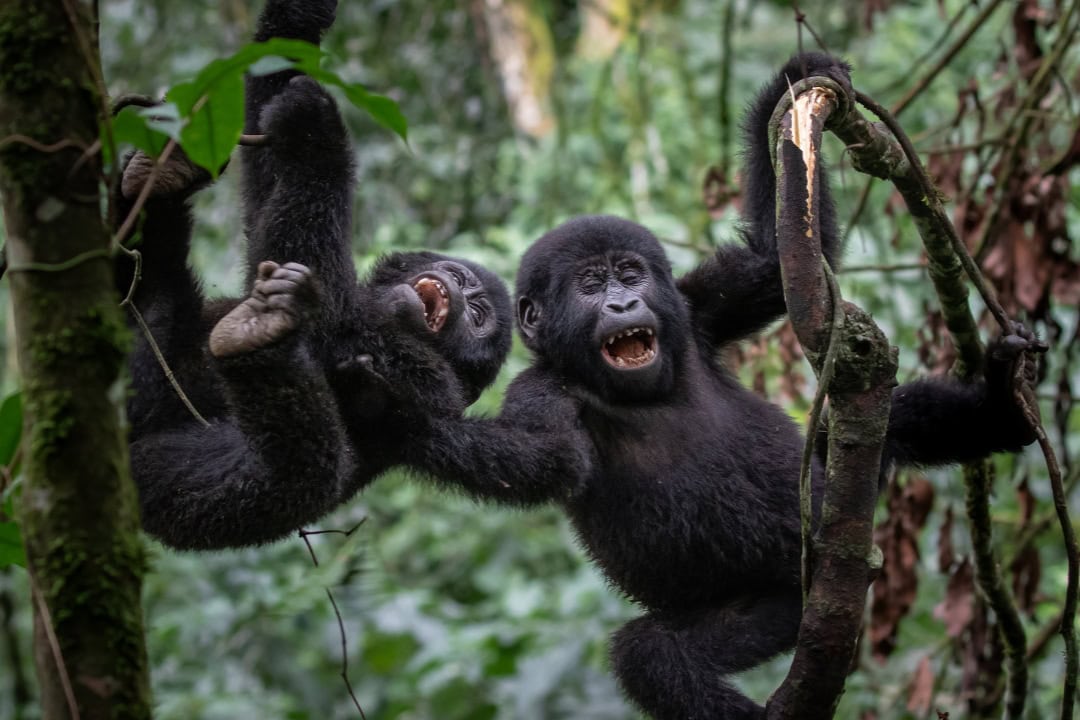
Watching a silverback protect his family, mothers caring for their young, and juveniles playing among the vegetation creates an unforgettable connection with nature.
Where Can You Go Gorilla Trekking in Uganda?
Gorilla trekking in Uganda takes place in two protected areas:
1. Bwindi Impenetrable National Park
Bwindi is Uganda’s most famous gorilla trekking destination and is home to roughly half of the world’s mountain gorilla population. The park is a UNESCO World Heritage Site and contains an extraordinary ecosystem of dense rainforest, steep valleys, and rich biodiversity.
Bwindi is divided into four major trekking sectors:
- Buhoma
- Ruhija
- Rushaga
- Nkuringo
Each sector offers a different trekking environment and accommodation experience.
Buhoma is the oldest and one of the most established trekking areas. It is popular with first-time visitors and offers opportunities for forest walks and other activities besides gorilla trekking.
Ruhija is located in the eastern part of Bwindi and is known for its beautiful forest scenery, birdlife, and mountainous terrain.
Rushaga, in southern Bwindi, is particularly important for gorilla conservation and also provides access to gorilla habituation experiences.
Nkuringo lies in the southern part of the park and is famous for spectacular views across the forest and surrounding highlands.
2. Mgahinga Gorilla National Park
Mgahinga Gorilla National Park is another excellent destination for a Uganda gorilla trekking safari.
Located within the Virunga Mountains, the park provides a different landscape from the dense forests of Bwindi. The area features volcanic mountains, bamboo forests, open woodland, and dramatic scenery.
Mgahinga is also home to mountain gorillas and offers visitors the opportunity to combine gorilla trekking with other activities, including golden monkey tracking and hiking.


Why Choose a Gorilla Trekking Safari in Uganda?
There are many reasons why Uganda is an exceptional destination for a gorilla safari.
An authentic rainforest experience
Gorilla trekking takes you away from conventional safari routes and into a completely different environment.
Instead of viewing wildlife from a safari vehicle, you walk through the forest accompanied by knowledgeable guides and trackers.
Every trek is different. The forest changes with the weather, the terrain varies, and the gorillas may be several hours away from the starting point.
Close encounters with mountain gorillas
The highlight is undoubtedly the encounter with the gorillas.
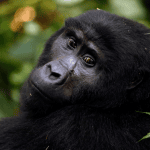
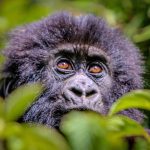
Once your group reaches the gorilla family, you may see a dominant silverback, females, blackbacks, infants, and playful juveniles.
The experience can be both exciting and peaceful. For many travelers, spending time quietly watching these intelligent animals is one of the most memorable wildlife experiences in Africa.
Supporting conservation
Gorilla tourism plays an important role in the conservation of mountain gorillas and their forest habitat.
Uganda’s conservation efforts have helped mountain gorilla numbers recover significantly. UWA reported that the 2018 Bwindi census recorded 459 gorillas, while noting that updated genetic analysis from the 2025/2026 census is awaited.
Tourism also contributes to local communities around protected areas, creating opportunities through guiding, accommodation, transportation, crafts, food services, and other tourism-related businesses.
What Happens on a Gorilla Trekking Day?
A typical gorilla trekking day starts early.
After breakfast at your lodge, you travel to the relevant park headquarters for registration and briefing.
Morning briefing
The ranger guides explain the rules of gorilla trekking and provide information about safety, responsible behavior, and what to expect during the hike.
You are then allocated to a gorilla family and begin your trek.
The forest trek
The trek may take several hours.
You walk through thick vegetation while trackers search for signs of the gorillas. Along the way, you may encounter birds, butterflies, monkeys, forest elephants, and other wildlife, depending on the area.
The forest itself becomes part of the experience.
Finding the gorillas
Once trackers locate the gorilla family, the group approaches carefully.
Your ranger provides instructions about where to stand, how to behave, and how to minimize disturbance to the animals.
One hour with the gorillas
You then have your designated viewing time with the gorilla family.
This is an excellent opportunity for photography and observation, but visitors should avoid using flash and should follow all ranger instructions.
After the encounter, you begin the trek back toward the starting point.
How Difficult Is Gorilla Trekking in Uganda?
Gorilla trekking requires a moderate level of fitness.
The forests are mountainous, and trails can be steep, muddy, slippery, and uneven. The trek may last anywhere from a few hours to much longer depending on where the gorillas are located.
UWA advises visitors to have moderate fitness because treks can last approximately two to seven hours.
However, you do not need to be an elite athlete.
Travelers can prepare by walking regularly, hiking on hills, and improving general endurance before their trip.
If you find the terrain challenging, hiring a porter can make a significant difference. Porters can assist with your backpack and provide support on difficult sections of the trail while also creating direct economic benefits for people living around the park.
Best Time for Gorilla Trekking in Uganda
Gorilla trekking is possible throughout the year.
However, the June to September and December to February periods are generally regarded as the drier seasons and are often preferred because forest trails tend to be easier to navigate.
The wetter months can bring more challenging trail conditions, but they also have advantages.
June to September
This is one of the most popular periods for Uganda gorilla trekking.
The trails are generally drier, making hiking more comfortable. It is also an excellent period for combining gorilla trekking with wildlife safaris in places such as Queen Elizabeth National Park and Lake Mburo National Park.
Because demand can be high, early planning is recommended.
December to February
This is another favorable period for trekking.
The weather is generally drier, and it is a popular choice for travelers visiting Uganda during the end-of-year and early-year holiday season.
March to May and October to November
These months can experience more rainfall.
Rain can make the trails muddy and slippery, but the forest becomes exceptionally green and beautiful. Travelers who do not mind wet conditions may enjoy a quieter experience.
For the most comfortable trekking conditions, many travelers prefer the drier months.
Gorilla Trekking Permits in Uganda
A gorilla trekking permit is required before participating in a standard gorilla trek.
Because permit regulations and prices can change, travelers should confirm the current tariff directly with the Uganda Wildlife Authority or through a licensed Uganda tour operator before making final travel arrangements.
UWA is the statutory organization responsible for managing Uganda’s national parks, wildlife reserves, and sanctuaries, and it issues gorilla and chimpanzee trekking permits.
It is also important to book permits early, particularly if you plan to travel during busy periods or have specific sector and accommodation preferences.
Gorilla Habituation Experience
For travelers who want more time with gorillas, Uganda also offers the Gorilla Habituation Experience in the Rushaga area of Bwindi.
Unlike standard trekking, habituation involves accompanying researchers and habituators as they work with gorillas that are undergoing the process of becoming accustomed to human presence. UWA describes habituation as an experience involving participation alongside researchers and habituators in this process.
This experience is especially attractive to wildlife enthusiasts, photographers, researchers, and travelers who want a deeper understanding of gorilla behavior and conservation.
What to Pack for a Gorilla Trekking Safari
Packing correctly can make your trek much more comfortable.
Consider bringing:
- Waterproof hiking boots
- Long trousers
- Long-sleeved shirts
- Lightweight waterproof jacket
- Gardening or trekking gloves
- Warm layers
- Hat and sunscreen
- Insect repellent
- Small backpack
- Reusable water bottle
- Snacks or packed lunch
- Camera with extra batteries
- Walking stick
- Binoculars
- Waterproof bag for electronics
- Personal medication and basic first-aid supplies
Because Bwindi is a rainforest environment, rain can occur even during traditionally dry periods. Waterproof clothing and good footwear are therefore highly recommended.
Gorilla Trekking Rules and Responsible Tourism
Gorilla trekking is carefully managed to protect both visitors and the gorillas.
Travelers should always follow the instructions of their ranger guide.
Important responsible-tourism practices include:
- Do not touch the gorillas.
- Maintain the required distance from the animals.
- Do not use flash photography.
- Avoid loud noises and sudden movements.
- Do not feed the gorillas.
- Do not leave rubbish in the forest.
- Follow the designated trekking routes.
- Do not trek when seriously ill with a contagious infection.
- Listen carefully to your ranger’s instructions.
These guidelines help minimize stress and reduce the possibility of transmitting diseases between humans and gorillas.
Combining Gorilla Trekking with a Uganda Wildlife Safari
One of the biggest advantages of choosing Uganda is the ability to combine gorilla trekking with traditional wildlife safaris.
A well-planned itinerary can include several different ecosystems.
Queen Elizabeth National Park
After trekking gorillas in Bwindi, travelers can continue to Queen Elizabeth National Park for game drives and a boat cruise along the Kazinga Channel.
The park is famous for elephants, buffaloes, lions, leopards, hippos, and a wide variety of birds.
Kibale National Park
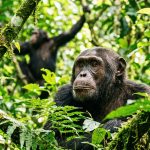
Kibale is one of Uganda’s best destinations for chimpanzee tracking.
Combining chimpanzees and gorillas creates an exceptional primate-focused safari.
Lake Mburo National Park
Lake Mburo provides an opportunity to experience a different side of Uganda’s wildlife.
The park is known for zebras, impalas, buffaloes, giraffes, and other wildlife. Walking and cycling experiences can also add variety to a safari itinerary.
Murchison Falls National Park
For a longer Uganda safari, Murchison Falls National Park can be added to the itinerary.
Here, travelers can enjoy game drives and a boat trip toward the powerful Murchison Falls, where the Nile squeezes through a narrow gorge.
How Many Days Do You Need for a Gorilla Safari in Uganda?
The ideal number of days depends on what else you want to experience.
A short trip could focus primarily on gorilla trekking, while a longer itinerary allows you to explore several of Uganda’s national parks.
A 3-day Uganda gorilla safari can work well for travelers with limited time, while a 5- to 7-day itinerary can combine gorilla trekking with additional wildlife or primate experiences.
For a more comprehensive Uganda adventure, consider 10 days or more, allowing time for gorillas, chimpanzees, savannah wildlife, scenic landscapes, and cultural experiences.
Who Can Enjoy Gorilla Trekking?
Gorilla trekking is suitable for many adventure travelers who have reasonable mobility and fitness.
The experience can be adapted to individual circumstances, but visitors should understand that Bwindi and Mgahinga involve mountainous terrain.
Older travelers and people concerned about their fitness should discuss their requirements with their tour operator before booking. A porter can also provide valuable assistance during the trek.
Why Book a Gorilla Trekking Safari with a Local Uganda Tour Operator?
Working with a knowledgeable local operator can make the planning process much easier.
A professional tour operator can assist with:
- Gorilla permit arrangements
- Accommodation selection
- Airport transfers
- Private safari transportation
- Professional driver-guides
- Park entry arrangements
- Gorilla trekking sector selection
- Itinerary planning
- Meals and logistics
- Cultural experiences
- Emergency support during the safari
For international visitors, it is particularly important to work with a properly licensed operator. UWA’s 2024 advisory states that gorilla and chimpanzee tracking permits for foreign non-residents are sold exclusively through tour operators licensed by the Uganda Tourism Board.
Final Thoughts: Experience the Magic of Gorilla Trekking in Uganda
A gorilla trekking safari in Uganda is an adventure that combines wildlife, rainforest exploration, conservation, and cultural discovery.
From the moment you enter the ancient forests of Bwindi or climb through the volcanic landscapes of Mgahinga, the journey feels different from an ordinary safari.
The anticipation of finding the gorillas, the sound of the forest around you, and the first sight of a silverback emerging from the vegetation can create a memory that lasts a lifetime.
Uganda’s combination of mountain gorillas, chimpanzees, savannah wildlife, spectacular landscapes, welcoming communities, and diverse safari experiences makes it an exceptional destination for an African adventure.
Whether you are planning a short gorilla trekking holiday or a longer Uganda wildlife and gorilla safari, careful planning will help you make the most of your journey.
Explore Uganda. Walk through the rainforest. Meet the mountain gorillas. Discover the Pearl of Africa.