
Discover Uganda’s Historic, Cultural and Emerging Oil City
Hoima City: Discover Uganda’s Historic, Cultural and Emerging Oil City. Located in western Uganda, Hoima City is a fascinating destination where history, culture, nature, business, and modern development come together.
Often associated with Uganda’s growing oil industry, Hoima is much more than an emerging economic center. It is also deeply connected to the history and heritage of the Bunyoro-Kitara Kingdom, one of the most important traditional kingdoms in the region.
The city lies approximately 200 kilometres northwest of Kampala and serves as the main administrative and commercial center of Hoima District. It is also an important urban center within the wider Bunyoro region.
For travelers exploring western Uganda, Hoima provides an interesting opportunity to discover royal history, cultural traditions, local communities, beautiful landscapes, and attractions associated with the Albertine region.
Whether you are interested in history, culture, wildlife, photography, business tourism, or exploring lesser-known destinations in Uganda, Hoima deserves a place on your travel itinerary.

Where Is Hoima City? – Hoima City
Hoima is situated in western Uganda, within the historic Bunyoro region.
The city is connected to Kampala by the Kampala–Hoima road and serves as an important gateway toward the Lake Albert area and other destinations in the Albertine region. Hoima District also extends toward the western side of Lake Albert and the border area with the Democratic Republic of Congo.
Its location makes Hoima particularly interesting for travelers exploring western and northwestern Uganda.
From the city, visitors can connect to destinations associated with Lake Albert, Murchison Falls National Park, Bunyoro cultural heritage, and the wider Albertine Rift landscape.
A City Built on Bunyoro’s Rich History
One of the most important things to understand about Hoima is its connection to the Bunyoro-Kitara Kingdom.
Bunyoro has a long and significant history in East and Central Africa. The kingdom became a powerful political and economic force over centuries, and its influence once extended across a much larger area than the present-day kingdom.
Hoima remains closely associated with this heritage.
The city is home to the Karuziika Royal Palace, the residence associated with the Omukama of Bunyoro, as well as other historical and cultural sites.
This connection gives Hoima a distinctive identity.
A visit to the city is therefore not simply a visit to a modern Ugandan city. It is also an opportunity to explore a region shaped by centuries of royal traditions, cultural practices, resistance, agriculture, trade, and community life.
The Bunyoro Royal Palace – Hoima City
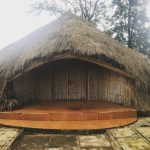
One of Hoima’s most important landmarks is Karuziika Palace, associated with the Omukama of Bunyoro-Kitara.
The palace represents the continuing cultural importance of the Bunyoro Kingdom and its royal institution.
For visitors interested in Uganda’s traditional kingdoms, the palace provides an important connection to the history and identity of the Banyoro people.
The wider Bunyoro royal institution includes traditional structures such as the kingdom’s parliament, known as the Orukurato.
Because access arrangements can vary, travelers should check with local authorities or their tour operator before planning a palace visit.

Mparo Royal Tombs
For history enthusiasts, the Mparo Tombs are among the most significant heritage sites near Hoima.
The tombs are associated with members of the Bunyoro royal family, including Omukama Chwa II Kabalega, one of the most prominent rulers in the kingdom’s history.
Kabalega is remembered for his resistance to British colonial expansion in Bunyoro. His story forms an important part of the historical narrative of the region.
The Mparo site therefore offers more than a glimpse into royal burial traditions. It provides an opportunity to learn about the political history of Bunyoro and the dramatic changes that took place during the colonial period. Uganda’s environmental and heritage authorities identify Mparo Tombs as a site of significant cultural and historical value.
A visit can be especially rewarding when accompanied by a knowledgeable local guide who can explain the history, traditions, and significance of the site.
Hoima and the Legacy of Omukama Kabalega – Hoima City
The history of Hoima cannot easily be separated from the story of Kabalega.
During his reign, Kabalega became one of the most important African rulers to resist British colonial expansion.
His forces, known as the Abarusuura, fought against colonial forces during a period of major political change in the region. Eventually, Kabalega was captured and exiled to the Seychelles.
Today, his legacy remains important to the people of Bunyoro.
Visitors can learn about his life through royal heritage sites, oral traditions, historical interpretation, and cultural experiences.
Hoima and the Bunyoro Culture
Hoima is an excellent place to begin exploring Banyoro culture.
The Banyoro have a rich cultural heritage expressed through language, music, dance, traditional ceremonies, food, clothing, clan systems, storytelling, and royal traditions.
The main traditional language of the Bunyoro region is Runyoro, although other languages are also spoken in and around the city.
One particularly interesting aspect of Bunyoro culture is the use of Empaako, a traditional praise-name system that forms an important part of cultural identity in the region.
Travelers interested in cultural tourism can arrange community experiences where they learn about local traditions and everyday life.
Exploring Hoima’s Local Life – Hoima City
One of the best ways to experience Hoima is to spend time beyond the major landmarks.
Walk through local areas, visit markets, meet residents, observe local businesses, and experience the rhythm of everyday life.
The city has grown rapidly, but traditional lifestyles remain important in the surrounding communities.
Agriculture continues to play a major role in the local economy, with crops including bananas, cassava, maize, beans, coffee, and other agricultural products grown in the region.
This combination of urban development and rural life gives Hoima a distinctive character.

Hoima and the Oil Industry
Hoima has gained national and international attention because of oil development in Uganda’s Albertine region.
The discovery and development of commercially viable oil resources have contributed to significant economic activity and infrastructure development around the city.
This has helped transform Hoima from a regional administrative and commercial center into one of Uganda’s most important emerging urban areas.
The city’s official vision describes Hoima as a modern and vibrant oil city while emphasizing sustainable industrialization, employment, and improved livelihoods.
For travelers, this provides an interesting opportunity to observe a city undergoing rapid transformation.
Modern businesses, new infrastructure, expanding services, and increasing investment are developing alongside centuries-old cultural traditions.
Hoima: Where Tradition Meets Modern Development -Hoima City
Perhaps the most interesting characteristic of Hoima is the way its past and future exist side by side.
On one side, you have royal heritage, ancient traditions, cultural ceremonies, and historic sites.
On the other, you have modern infrastructure, business development, oil-related investment, and a rapidly changing urban environment.
This contrast gives Hoima a unique identity.
You can explore the history of the Bunyoro Kingdom in the morning and experience the energy of a growing modern city later in the day.

Nature Around Hoima
Although Hoima is primarily known for its cultural and economic importance, the wider region also offers opportunities for nature and wildlife experiences.
The Albertine region is one of Uganda’s most biologically important landscapes.
Travelers based in Hoima can use the city as part of a wider itinerary exploring western and northwestern Uganda.
The surrounding region includes forests, wetlands, agricultural landscapes, hills, and Lake Albert.
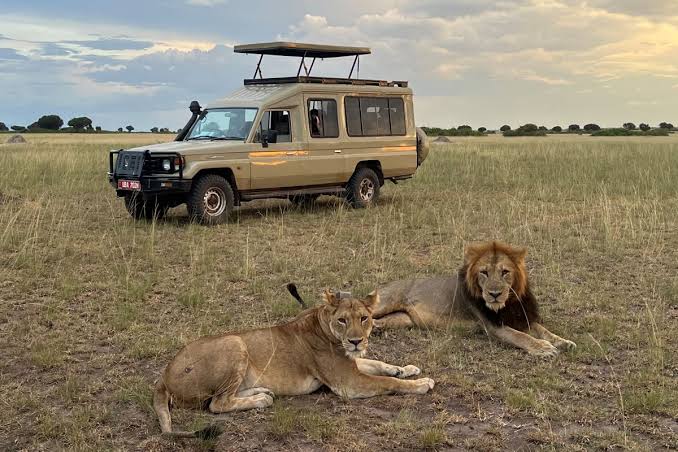
For visitors interested in combining culture with wildlife, Hoima can therefore serve as a useful stopover on a broader Uganda safari.
Lake Albert and the Albertine Landscape – Hoima City
Lake Albert lies to the west of Hoima District and forms part of the spectacular Albertine Rift landscape.
The lake is shared by Uganda and the Democratic Republic of Congo and is surrounded by dramatic scenery.
The wider Lake Albert region provides opportunities for travelers interested in fishing communities, scenic landscapes, bird watching, local culture, and nature.
A visit to the lake can provide a peaceful contrast to the busy streets of Hoima City.

Hoima as a Gateway to Murchison Falls – Hoima City
Hoima can also form part of an itinerary toward Murchison Falls National Park, Uganda’s largest national park.
Travelers exploring the region can combine cultural experiences in Bunyoro with a wildlife safari.
Murchison Falls is famous for the Nile River, powerful waterfalls, open savannah landscapes, and diverse wildlife.
A combined itinerary could include:
Hoima → Bunyoro cultural sites → Lake Albert region → Murchison Falls National Park
This provides an excellent mixture of history, culture, scenery, and wildlife.
Things to Do in Hoima City
There are several ways to make your stay in Hoima interesting and rewarding.
1. Visit the Bunyoro Royal Palace
Learn about the traditional institution of the Omukama and the history of Bunyoro-Kitara.
2. Explore Mparo Tombs
Discover the history of the Bunyoro royal family and the legacy of Omukama Kabalega.
3. Experience Bunyoro Culture
Learn about Runyoro traditions, music, dance, food, storytelling, and the cultural identity of the Banyoro.
4. Explore Local Markets
Markets offer a glimpse into everyday life and provide opportunities to see local produce, crafts, clothing, and food.
5. Visit the Lake Albert Region
Explore scenic landscapes and communities around the lake.
6. Combine Hoima With a Wildlife Safari
Extend your journey toward Murchison Falls or other nearby wildlife destinations.
7. Enjoy Local Food
Try locally prepared Ugandan dishes and discover some of the foods commonly enjoyed in the Bunyoro region.
8. Take a Cultural Walk
A guided cultural walk can provide insight into the history, communities, traditions, and changing urban landscape of Hoima.

Hoima for Business Travelers – Hoima City
Hoima is not only a tourism destination.
Its growing role in Uganda’s oil industry has attracted business activity, investment, construction, professional services, and new residents.
This makes Hoima increasingly relevant to business travelers visiting western Uganda.
The city’s development is also changing its hospitality sector, creating greater demand for accommodation, restaurants, conference facilities, transportation, and other services.
For tourism operators, this growing business environment provides opportunities to develop cultural, nature, and corporate travel experiences.
The Best Time to Visit Hoima
Hoima can be visited throughout the year.
Your ideal travel period will depend on the activities you want to combine with your city visit.
If you plan to include wildlife safaris, nature walks, or visits to surrounding attractions, it is useful to consider seasonal road and weather conditions.
The dry periods can be convenient for combining Hoima with a wider Uganda safari, while wetter periods can bring greener landscapes and beautiful scenery.
Because weather patterns can vary, travelers should confirm conditions and activity arrangements before departure.
What to Pack for a Hoima Visit – Hoima City
For a comfortable trip, consider packing:
- Lightweight clothing
- Comfortable walking shoes
- Sun hat
- Sunglasses
- Sunscreen
- Insect repellent
- Reusable water bottle
- Camera
- Binoculars for nature excursions
- Light rain jacket
- Personal toiletries
- Any necessary travel documents
If Hoima is part of a larger Uganda safari, pack according to the other destinations and activities included in your itinerary.
Why Visit Hoima?
Hoima may not receive the same international attention as Kampala, Entebbe, or Uganda’s famous national parks, but that is part of its appeal.
It offers travelers the chance to discover a less conventional side of Uganda.
Here, history is alive through the Bunyoro Kingdom.
Culture remains an important part of everyday life.
The city is changing rapidly through oil-related development.
And the surrounding region provides access to beautiful landscapes, Lake Albert, cultural sites, and wildlife destinations.
Hoima is therefore a destination where Uganda’s past, present, and future meet.
Hoima in a Uganda Safari Itinerary – Hoima City
For travelers visiting Uganda, Hoima can be incorporated into a longer western or northwestern circuit.
For example:
Day 1: Kampala or Entebbe
Day 2: Travel to Hoima
Day 3: Bunyoro cultural and historical tour
Day 4: Lake Albert experience
Day 5: Continue toward Murchison Falls National Park
Day 6–7: Wildlife safari in Murchison Falls
Day 8: Continue to another Uganda destination
The itinerary can then be extended to include chimpanzee tracking in Kibale, wildlife viewing in Queen Elizabeth National Park, or gorilla trekking in Bwindi.
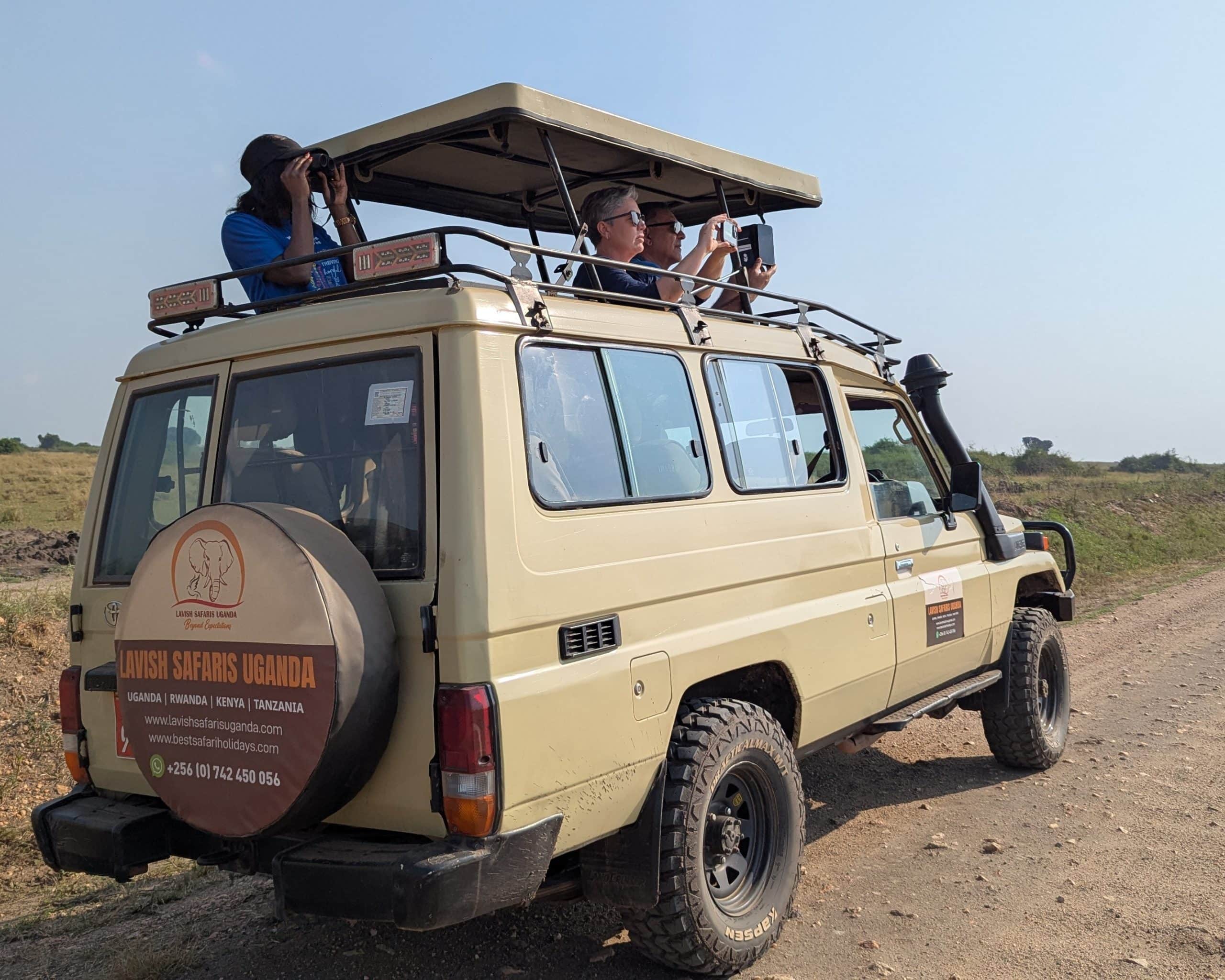
Why Choose Lavish Safaris Uganda? – Hoima City
At Lavish Safaris Uganda, we believe that discovering Uganda is about more than visiting famous national parks.
It is also about understanding the country’s history, meeting its people, experiencing its cultures, and exploring destinations that reveal a different side of the Pearl of Africa.
We can include Hoima in tailor-made Uganda safari itineraries for travelers interested in culture, history, nature, wildlife, business travel, and authentic experiences.
Your journey can combine Hoima with:
- Murchison Falls National Park
- Kibale National Park
- Queen Elizabeth National Park
- Bwindi Impenetrable National Park
- Mgahinga Gorilla National Park
- Lake Albert
- Bunyoro cultural sites
- Community experiences
Whether you are planning a private safari, family holiday, cultural tour, honeymoon, business trip, or multi-destination Uganda adventure, we can design an itinerary around your interests.
Conclusion: Discover the Spirit of Hoima
Hoima is a city with a fascinating story.
It is a place shaped by the history of the Bunyoro-Kitara Kingdom, the legacy of Omukama Kabalega, rich cultural traditions, and the rapid transformation brought by Uganda’s emerging oil industry.
For travelers, however, Hoima offers something even more valuable: an opportunity to experience a part of Uganda that combines heritage, culture, nature, business, and modern development.
From the royal history of Karuziika Palace to the heritage of Mparo Tombs, from the communities of Bunyoro to the landscapes around Lake Albert, Hoima provides a memorable introduction to western Uganda.
If you want to discover Uganda beyond the usual tourist routes, make Hoima part of your journey.