

Explore Uganda’s Wildlife on Foot
Lake Mburo Walking Safari: Explore Uganda’s Wildlife on Foot. A walking safari in Lake Mburo National Park offers one of the most exciting ways to experience Uganda’s natural beauty. Unlike a traditional game drive, where visitors observe wildlife from a safari vehicle, a walking safari allows you to explore the wilderness on foot with an experienced guide or authorized ranger.
As you walk through the park’s open savannah grasslands, acacia woodlands and beautiful natural landscapes, you gain a closer appreciation of the environment and the wildlife that inhabits it. You may encounter zebras grazing in the grass, impalas moving through the woodland, giraffes browsing on acacia trees and buffaloes resting in the distance.

A Lake Mburo walking safari is not simply about seeing animals. It is an opportunity to slow down, listen to the sounds of nature, discover animal tracks, learn about plants and smaller creatures, and understand how different species share this remarkable ecosystem.
For travelers looking for a more personal and immersive Uganda wildlife experience, walking through Lake Mburo National Park can become one of the highlights of their safari.
What Makes a Lake Mburo Walking Safari Special?
Lake Mburo National Park is one of Uganda’s best destinations for exploring the savannah on foot. It offers visitors an opportunity to experience nature beyond the traditional safari vehicle.
During a guided walking safari, you become more aware of the small details that make the wilderness fascinating. You can listen to birds calling from the trees, observe insects moving through the grass, discover animal footprints and learn how different plants contribute to the ecosystem.
Walking also gives you a different perspective on wildlife. Instead of viewing animals through a vehicle window, you experience the natural surroundings at ground level while maintaining a safe distance from wildlife under the guidance of your ranger.
The experience is particularly rewarding for nature lovers, birdwatchers, photographers, adventure travellers and anyone interested in learning more about Uganda’s wildlife.

Where Is Lake Mburo National Park?
Lake Mburo National Park is located in Kiruhura District in western Uganda, approximately 240 kilometres from Kampala. The park is accessible by road through the Kampala–Masaka–Mbarara highway, making it a convenient destination for travellers exploring western Uganda.
The journey takes you through beautiful countryside, traditional homesteads, farmlands and rolling landscapes. Along the way, visitors may see the famous long-horned Ankole cattle grazing in the countryside.
Lake Mburo is Uganda’s smallest savannah national park, but its ecological diversity makes it an important wildlife destination. Its landscape consists of open grasslands, acacia woodlands, rocky hills, wetlands, forests and lakes.
These different habitats support a variety of wildlife, making the park an excellent destination for walking safaris, game drives, birdwatching and boat excursions.

Best safari holidays – Lake Mburo National Park
What to Expect During a Lake Mburo Walking Safari
A typical walking safari begins with a briefing from an authorised park ranger, who explains the walking route, safety guidelines and what visitors may encounter along the way.
After the briefing, you set off on foot through selected areas of the park. The ranger leads the experience, sharing information about the surrounding environment and helping visitors identify wildlife, birds, plants and animal tracks.
The pace is generally relaxed, allowing you to appreciate the surroundings and take photographs where it is safe to do so.
Depending on the selected route and wildlife activity, you may encounter zebras, impalas, topis, elands, giraffes and other animals. You may also discover interesting plants, insects, bird species and signs of animal activity.
One of the most exciting aspects of the experience is the opportunity to observe the natural environment without the noise of a safari vehicle.
Walking safaris are conducted under ranger supervision. Visitors must follow the guide’s instructions, maintain a safe distance from wildlife and never approach animals independently.

Wildlife to Discover During Lake Mburo Walking Safaris
Lake Mburo National Park is home to a variety of wildlife species that can be encountered during guided nature walks. The exact sightings depend on the route, season and movement of animals.
1. Zebras
Zebras are among the most famous animals in Lake Mburo National Park. The park is particularly well known for its large population of plains zebras, which are frequently seen grazing in open grasslands.
During a walking safari, you may observe zebras feeding, interacting within their herds or moving across the savannah.
Their distinctive black-and-white stripes make them especially attractive subjects for wildlife photography.
Watching zebras from a guided walking route offers a different perspective from seeing them during a vehicle-based game drive. You can appreciate their movements, feeding behaviour and the sounds of the surrounding environment.

2. Impalas
Lake Mburo is one of the best places in Uganda to see impalas. These graceful antelopes are recognised by their reddish-brown coats, slender bodies and impressive jumping ability.
They inhabit the park’s grasslands and woodland areas, where they feed on grasses and leaves.
During a nature walk, you may see impalas grazing in groups or moving quickly through the vegetation. Male impalas are also recognisable by their beautiful curved horns.
Observing these animals in their natural environment is one of the highlights of exploring Lake Mburo on foot.

3. Rothschild’s Giraffes
Rothschild’s giraffes are among the most impressive animals found in Lake Mburo National Park.
Their tall bodies, long necks and distinctive coat patterns make them easy to recognise. They are often seen feeding on leaves from acacia trees or moving slowly through open woodland.
During a walking safari, visitors may spot giraffes from a safe distance while learning about their feeding habits and adaptations.
Seeing these gentle giants against the park’s beautiful savannah landscape creates memorable wildlife photography opportunities.

4. Common Elands
The common eland is one of Africa’s largest antelope species. It is recognised by its large body, spiral horns and impressive physical strength.
Lake Mburo provides important habitat for these animals, and visitors may encounter them grazing in open grasslands and woodland areas.
Learning about elands during a guided walk adds another interesting dimension to the experience, particularly for travellers interested in African antelope species.

5. Topis
Topis are attractive antelopes commonly associated with open grassland habitats.
They have reddish-brown coats, long legs and dark markings around parts of their bodies. They are often seen grazing or standing alert while watching their surroundings.
During a walking safari, you may spot topis in the grasslands and learn how they adapt to life in the savannah.
6. Warthogs
Warthogs are another interesting species found in Lake Mburo National Park.
They are easily recognised by their large heads, curved tusks and distinctive facial features. They spend much of their time searching for food on the ground.
Visitors may see warthogs grazing, walking through open areas or resting near vegetation.
Their unusual appearance and behaviour make them an enjoyable wildlife encounter.

7. Buffaloes
African buffaloes are among the large mammals found in Lake Mburo National Park.
They often move in herds and spend much of their time grazing in grasslands or resting in shaded areas.
Although buffaloes may be encountered during walking safaris, they are powerful and potentially dangerous wild animals. The ranger determines whether it is appropriate to continue along a particular route or change direction.
Visitors should never approach buffaloes or attempt to get closer for photographs.

8. Hippos
Lake Mburo and its surrounding wetlands provide important habitats for hippos.
These large mammals spend much of the day in water and often emerge at night to graze. During walks in suitable areas, visitors may hear hippos or observe them from a safe distance.
Hippos are among the most dangerous large wild animals in Africa, so maintaining a safe distance and following the ranger’s instructions is essential.

The Famous Salt Lick Nature Walk
One of the interesting walking experiences in Lake Mburo National Park is the guided walk to the natural salt lick near the Rwonyo area.
Salt licks are important natural features where animals obtain minerals that supplement their diets. Different wildlife species may visit these locations, making them interesting places for observation.
The walk offers an opportunity to explore the surrounding grasslands and learn how animals use natural resources within the ecosystem.
A viewing platform overlooking the salt lick provides an excellent opportunity to observe wildlife without disturbing the animals.
Visitors may see antelopes and other herbivores visiting the area, depending on the time of day and animal movements.
The experience is particularly interesting for photographers and nature enthusiasts who want to learn more about animal feeding behaviour and the importance of natural mineral sources.
Lavishsafarisuganda – best safari Company
Rubanga Forest Nature Walk
For visitors interested in forest ecosystems and birdwatching, Rubanga Forest offers another rewarding nature experience within Lake Mburo National Park.
Unlike the park’s open savannah, Rubanga Forest provides a different environment characterised by trees, woodland vegetation and a variety of forest-associated bird species.
A guided walk through this area allows visitors to discover the relationship between forest habitats and wildlife.
Birdwatchers may encounter different woodland and forest birds, while nature enthusiasts can learn about indigenous plants, vegetation and the ecological importance of forest habitats.
Access to Rubanga Forest should be arranged in advance through park management, as the walk requires the appropriate authorisation and ranger guidance.

Birdwatching During Lake Mburo Walking Safaris
Lake Mburo National Park is an excellent destination for birdwatching, supporting a variety of species across its savannah, woodland, wetland and forest habitats.
Walking safaris provide an excellent opportunity to observe birds because visitors can move quietly through selected areas and listen to their calls.
Some of the birds you may encounter include:
- African fish eagle
- Grey crowned crane
- African finfoot
- Malachite kingfisher
- Pied kingfisher
- Herons
- Egrets
- Hornbills
- Various weavers and other savannah birds
The African finfoot is particularly interesting to birdwatchers because it is an elusive species associated with aquatic environments.
Visitors interested in birding should carry binoculars and consider travelling with a knowledgeable bird guide who can help identify species and explain their behaviour.


Best Time for a Lake Mburo Walking Safari
Lake Mburo National Park can be visited throughout the year, but weather conditions may influence the walking experience.
The dry seasons, generally occurring from June to August and December to February, are often favourable for outdoor activities. Walking routes may be less muddy, and conditions can be more comfortable for exploring the park.
The wet seasons, usually from March to May and September to November, bring greener vegetation and beautiful scenery. These months can also offer rewarding birdwatching opportunities.
However, rainfall may make some walking routes slippery or more difficult to navigate.
Morning Walking Safaris
Early morning is one of the most enjoyable times to explore Lake Mburo on foot.
The temperatures are generally cooler, the light is beautiful and many animals are active as they feed and move through their habitats.
Morning walks also provide excellent opportunities for birdwatching because many species are more vocal during the early hours.

Afternoon Walking Safaris
Afternoon walks offer another opportunity to appreciate the park’s natural beauty.
As the day becomes cooler, visitors can explore selected walking areas while enjoying the scenery and learning about the surrounding environment.
The timing and route depend on ranger availability, weather conditions and park regulations.

How Long Does a Lake Mburo Walking Safari Take?
The duration of a walking safari depends on the selected route, walking pace and wildlife interests.
Many guided nature walks take approximately two to three hours, although some excursions may be shorter or longer.
A salt lick walk, for example, may take a different amount of time from an excursion through a forest or another section of the park.
Visitors should discuss their preferred walking distance and fitness level when arranging the activity.
For travellers with limited time, a guided walk can be combined with a game drive or boat safari to create a varied wildlife experience.

What to Pack for a Lake Mburo Walking Safari
Preparing properly helps you enjoy your walking safari comfortably and safely.
Consider packing the following items:
Comfortable walking shoes: Choose sturdy footwear with good grip to help you walk on natural trails and uneven ground.
Neutral-coloured clothing: Wear comfortable outdoor clothing in colours such as brown, green or khaki. Avoid clothing that is too bright.
A hat and sunglasses: These provide protection from the sun, especially during warmer conditions.
Drinking water: Carry sufficient water to remain hydrated throughout the walk.
Binoculars: These are useful for observing birds and wildlife from a safe distance.
Camera: Bring a camera with sufficient battery power and storage for your wildlife photographs.
Insect repellent: This can help protect against insects during outdoor activities.
Light rain jacket: A lightweight waterproof jacket is useful during seasons when rainfall is more likely.
Sunscreen: Apply sunscreen to protect your skin from sun exposure.
Always follow your ranger’s advice about what to carry and how to prepare for the selected route.
Safety Guidelines for Lake Mburo Walking Safaris
Walking through a national park inhabited by wild animals requires proper guidance and responsible behaviour.
For your safety and the protection of wildlife, follow these important guidelines:
- Always walk with an authorised Uganda Wildlife Authority ranger or other officially approved guide.
- Follow the ranger’s instructions throughout the excursion.
- Maintain a safe distance from all wild animals.
- Never attempt to approach, feed or touch wildlife.
- Avoid shouting, running or making unnecessary noise.
- Stay together as instructed by your guide.
- Wear comfortable footwear and suitable outdoor clothing.
- Do not leave litter or damage plants.
- Inform your guide about any physical limitations before the walk begins.
- Allow the ranger to decide when it is safe to continue, stop or change the route.
A walking safari is an exciting experience, but wildlife encounters must always be handled responsibly.
Lavish Safaris Uganda – Best Tour Company
Combining Walking Safaris with Other Activities in Lake Mburo
A visit to Lake Mburo National Park can be made even more rewarding by combining a guided nature walk with other activities.
Game Drives
Game drives are an excellent way to explore larger sections of the park and search for wildlife that may be difficult to encounter on foot.
Visitors can look for zebras, giraffes, buffaloes, impalas, elands and other savannah animals.
Combining a game drive with a walking safari provides two different ways to experience the park.
Boat Safari on Lake Mburo
A boat safari offers a peaceful opportunity to explore Lake Mburo’s aquatic environment.
During the excursion, visitors may encounter hippos, crocodiles and different waterbirds along the shoreline.
The boat experience complements a walking safari by introducing visitors to the park’s aquatic habitats.

Night Game Drives
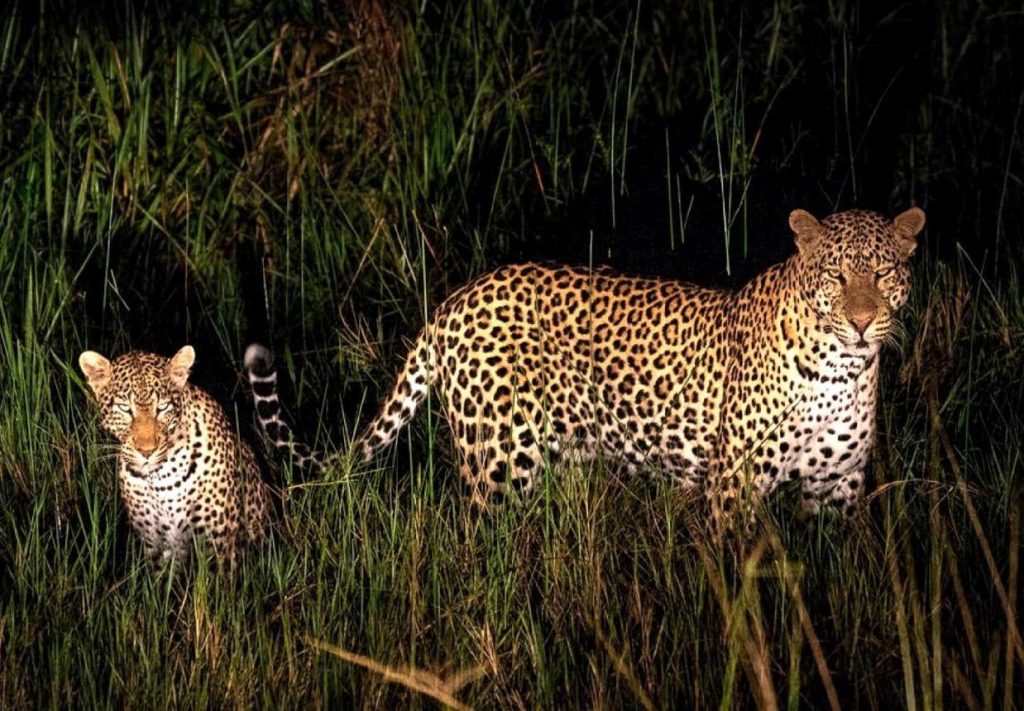
Night game drives offer opportunities to explore the park after sunset in search of nocturnal wildlife.
With an authorised ranger and appropriate lighting, visitors may encounter animals such as bush babies, genets, porcupines and other nocturnal species.
This activity provides a different perspective on the park’s wildlife and can be a memorable addition to a walking safari.
Horseback Safaris
Horseback safaris are another distinctive activity available around Lake Mburo.
They allow visitors to explore selected areas of the savannah on horseback, offering a different way to appreciate the landscape and wildlife.
These experiences are subject to operator arrangements, availability and safety requirements.

Accommodation for Lake Mburo Walking Safaris
Lake Mburo National Park and its surrounding area offer accommodation options for different budgets and travel preferences.
Visitors can choose from luxury safari lodges, midrange accommodation, budget properties and campsites.
Staying close to the park makes it easier to arrange early morning walks and other wildlife activities.
When selecting accommodation, consider its location, available facilities, meal arrangements and proximity to your preferred walking routes.
For a comfortable safari, it is advisable to organise accommodation and activities before arriving at the park, particularly during busy travel seasons.
Suggested Two-Day Lake Mburo Walking Safari Itinerary
A two-day itinerary provides enough time to enjoy a guided nature walk and explore other attractions in the park.
Day 1: Transfer to Lake Mburo National Park and Afternoon Nature Experience
After breakfast, depart for Lake Mburo National Park through Uganda’s beautiful countryside.
Enjoy scenic views along the Kampala–Mbarara highway, with opportunities to appreciate rural communities, farmlands and the famous Ankole cattle.
Upon arrival, check in at your lodge and enjoy lunch.
In the afternoon, depending on the available schedule and ranger arrangements, enjoy a guided nature walk in a suitable area of the park.
Discover the savannah environment, observe birds and learn about the wildlife and vegetation.
Return to your lodge for dinner and relaxation.
Day 2: Morning Walking Safari and Departure
Wake up early and prepare for a guided morning walking safari.
After a ranger briefing, explore the selected walking route while learning about animal tracks, plants, birds and the park’s ecosystem.
Depending on the route and wildlife movements, you may encounter zebras, impalas, topis, giraffes and other animals.
After the walk, return to your lodge for breakfast.
Depending on your schedule, you may include a boat safari or a short game drive before beginning your journey back to Kampala or continuing to another destination in western Uganda.
This itinerary provides an enjoyable introduction to Lake Mburo’s wildlife and natural environment.
Combining Lake Mburo with Other Uganda Safari Destinations
Lake Mburo National Park is an excellent starting point for exploring other destinations in western Uganda.
You can combine your walking safari with a visit to Queen Elizabeth National Park, where you can enjoy savannah game drives and a boat cruise along the Kazinga Channel.
For travellers interested in primates, Kibale National Park offers chimpanzee tracking experiences, while Bwindi Impenetrable National Park is famous for mountain gorilla trekking.
Lake Bunyonyi is another beautiful destination where visitors can enjoy scenic views, peaceful boat excursions and cultural experiences.
Combining these destinations creates a diverse Uganda safari featuring wildlife, primates, beautiful landscapes and cultural encounters.
Why Choose Lake Mburo for a Walking Safari?
Lake Mburo offers a special opportunity to explore Uganda’s savannah environment on foot.
Its diverse landscapes, wildlife habitats and guided nature experiences make it an excellent destination for visitors who want more than a traditional game drive.
A walking safari allows you to appreciate the smaller details of nature, learn about wildlife behaviour and discover the importance of conservation.
It is particularly rewarding for travellers who enjoy outdoor activities, photography, birdwatching and immersive nature experiences.
Whether you are planning a short weekend escape, a private wildlife holiday or a longer Uganda safari, Lake Mburo deserves a place on your itinerary.
Plan Your Lake Mburo Walking Safari with Lavish Safaris Uganda
At Lavish Safaris Uganda, we create memorable wildlife experiences that allow travellers to discover the beauty and diversity of Uganda.
Our Lake Mburo safari packages can include guided walking safaris, game drives, boat excursions, birdwatching experiences and comfortable accommodation arrangements.
We work with travellers to organise safari experiences that match their interests, preferred travel style and budget.
Whether you are interested in exploring the savannah on foot, discovering Uganda’s wildlife or combining Lake Mburo with gorilla trekking and chimpanzee tracking, we can help you plan an exciting adventure.
Discover the beauty of Lake Mburo National Park with Lavish Safaris Uganda and enjoy an unforgettable journey into the heart of Uganda’s wilderness.
Best Safari Holidays. Best Safari Company
Frequently Asked Questions About Lake Mburo Walking Safaris
1. Can you do a walking safari in Lake Mburo National Park?
Yes. Lake Mburo offers guided nature walks and walking safaris accompanied by authorised park rangers. Visitors can explore selected areas of the park on foot while learning about wildlife and the natural environment.
2. What animals can I see during a Lake Mburo walking safari?
Depending on the route and wildlife activity, you may encounter zebras, impalas, topis, giraffes, elands, buffaloes and other wildlife. You may also see various bird species and smaller creatures.
3. Is a walking safari in Lake Mburo safe?
Walking safaris are organised with authorised ranger guidance. Visitors must follow safety instructions, maintain a safe distance from wildlife and never walk independently among wild animals.
4. How long does a walking safari take?
Many guided nature walks take approximately two to three hours, depending on the route, pace and wildlife encounters.
5. What is the best time for a Lake Mburo walking safari?
Early morning is particularly rewarding because temperatures are cooler and wildlife and birds are often active. Afternoon walks may also be arranged depending on park conditions and ranger availability.
6. Can I visit the salt lick during a walking safari?
Yes. A guided walk to the salt lick near the Rwonyo area is one of the notable nature experiences in Lake Mburo National Park. Visitors can observe wildlife from a designated viewing platform.
7. Can I combine a walking safari with a game drive?
Yes. Combining a walking safari with a game drive is an excellent way to experience different parts of the park and observe wildlife from different perspectives.
8. What should I wear for a walking safari?
Wear comfortable walking shoes, neutral-coloured clothing and a hat. Carry drinking water, sunscreen, insect repellent and binoculars where possible.
Conclusion
A Lake Mburo walking safari is one of the most immersive ways to discover Uganda’s wildlife and natural beauty. Walking through the park’s savannah grasslands, woodlands and beautiful natural landscapes gives visitors an opportunity to experience the wilderness beyond the traditional safari vehicle.
From observing zebras and impalas to discovering animal tracks, identifying birds and learning about the importance of salt licks, every walk offers something interesting.
Whether you choose a guided salt lick walk, a forest excursion or another authorised nature trail, Lake Mburo provides a rewarding experience for travellers who appreciate nature and outdoor adventure.
Book your Lake Mburo walking safari with Lavish Safaris Uganda and discover the beauty of Uganda’s wilderness, one step at a time.


