
The Legend, History and Attractions of Amabere Ga Nyinamwiru
Nyina mwiru: The Legend, History and Attractions of Amabere Ga Nyinamwiru. Nyina mwiru is one of the most fascinating names in the cultural history and oral traditions of the Tooro Kingdom in western Uganda.
Her story is closely connected to Amabere Ga Nyinamwiru, a remarkable cultural and natural attraction located near Fort Portal. The site combines caves, limestone formations, waterfalls, green vegetation, beautiful scenery, and traditional storytelling.
For travelers exploring Fort Portal and western Uganda, visiting Amabere Ga Nyinamwiru provides an opportunity to experience more than beautiful landscapes. It offers a chance to learn about local traditions, hear a centuries-old legend, and understand how natural places can become deeply connected to the cultural identity of a community.
Who Was Nyinamwiru?
Nyinamwiru is a legendary woman whose story has been passed down through generations in the Tooro cultural tradition.
Different versions of the story may vary because the account belongs to an oral tradition. The legend is commonly associated with Nyinamwiru, King Bukuku, and the caves that are now known as Amabere Ga Nyinamwiru.
The story forms part of the rich oral heritage of the Tooro people and is traditionally shared through storytelling.
For visitors, the value of the story is not only in the details of the legend. It is also in understanding how history, tradition, landscape, and community identity can become connected over generations.
The Legend of Nyinamwiru
According to the traditional story, Nyinamwiru was the daughter of King Bukuku, who ruled in the ancient kingdom associated with the region.
The legend tells of Bukuku’s fear that a prophecy would eventually threaten his position and his attempts to prevent the prophecy from coming true.
Nyinamwiru became central to this story.
Different oral versions describe events surrounding her life, relationships, and the circumstances that eventually connected her name to the caves.
The story has been passed down through generations, and local guides often share the legend when visitors explore the site.
Because this is an oral cultural tradition, travelers may hear slightly different versions of the story from different storytellers.
That variation is part of the nature of oral history and demonstrates how stories can continue to live within communities.
What Does Amabere Ga Nyinamwiru Mean?
Amabere Ga Nyinamwiru is commonly translated as “Nyinamwiru’s breasts.”
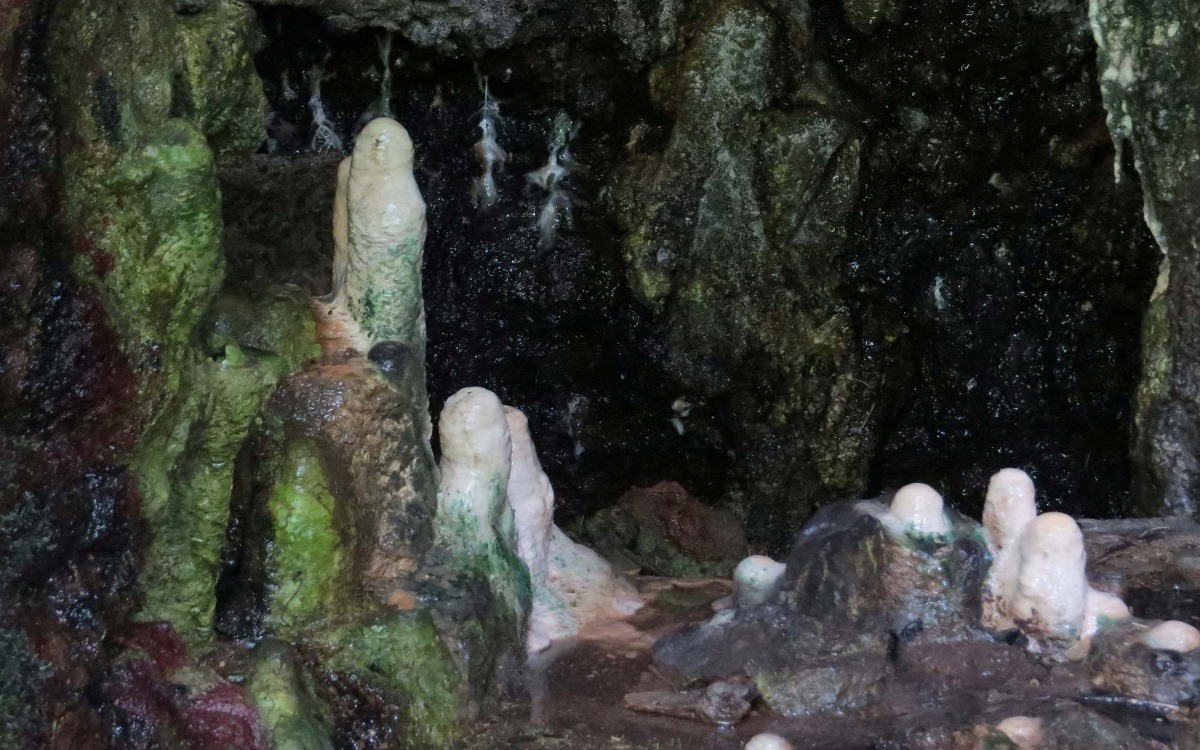
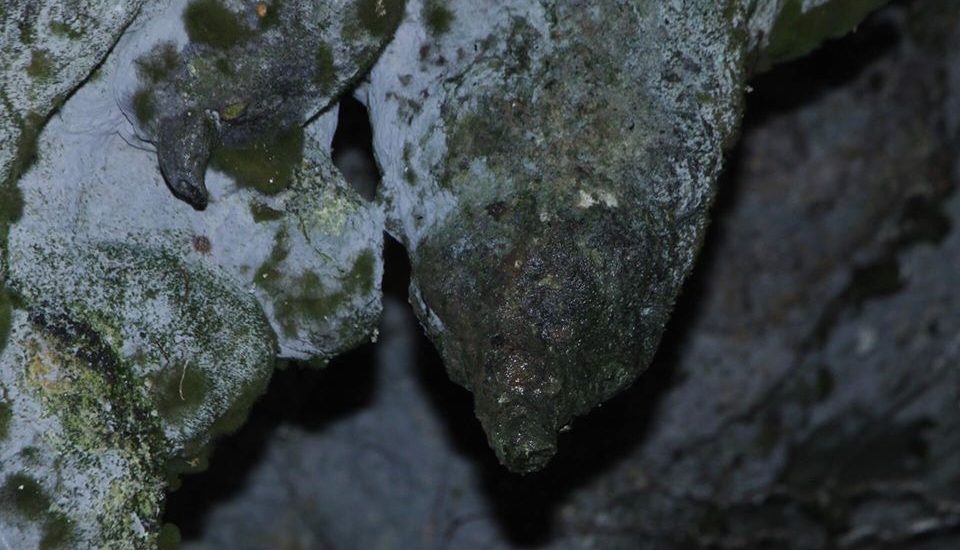
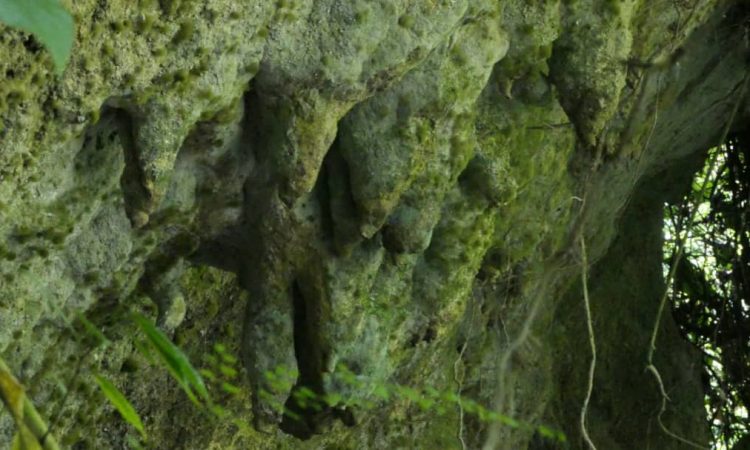
The name comes from unusual formations inside the caves that resemble breasts.
These formations are associated with the traditional story of Nyinamwiru.
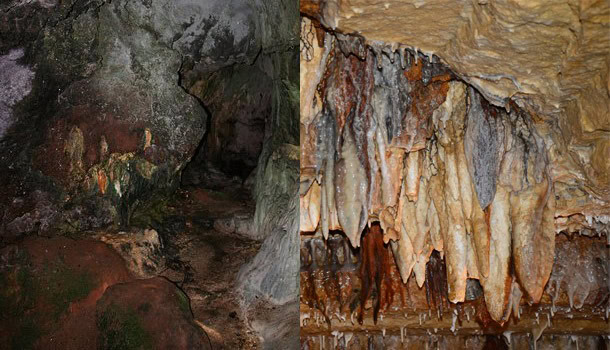
The natural formations are made from limestone and have been shaped over time by geological processes.
The combination of the physical formations and the cultural legend has made the site one of the most interesting attractions around Fort Portal.
Where Is Amabere Ga Nyinamwiru?
Amabere Ga Nyinamwiru is located near Fort Portal in western Uganda.
Its location makes it easy to combine with other attractions in the region.
A visit can be included in an itinerary featuring:
- Fort Portal city
- Tooro cultural experiences
- Crater lakes
- Tea plantations
- Kibale National Park
- Bigodi Wetland Sanctuary
- Semuliki National Park
- Rwenzori Mountains
This makes the site particularly convenient for travelers exploring western Uganda.
The Natural Beauty of the Caves
Although the Nyinamwiru legend is an important part of the attraction, the natural environment is equally fascinating.
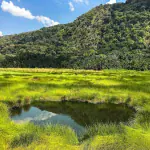
The site features limestone caves surrounded by lush vegetation.
Water flows through parts of the landscape, creating small waterfalls and streams.
The combination of rocks, water, vegetation, and caves creates a peaceful environment that is very different from the open savannah landscapes found in some of Uganda’s other national parks.
Visitors can take time to appreciate the geology and natural scenery while listening to their guide explain the site’s cultural significance.
Explore the Limestone Formations
One of the most interesting aspects of Amabere Ga Nyinamwiru is its limestone formations.
Over long periods, water and geological processes have shaped the rock, producing distinctive formations within the caves.
Some of these formations have become associated with traditional stories and interpretations.
A guided visit allows travelers to learn both about the geological features and the cultural meanings attached to them.
This combination makes the attraction suitable for visitors interested in nature, geology, history, culture, and photography.
Discover the Waterfalls
Water is another important feature of the Amabere Ga Nyinamwiru landscape.
Small waterfalls and streams flow through the surrounding area, adding to the beauty and atmosphere of the site.
The sound of flowing water creates a peaceful environment for walking and photography.
During wetter periods, the surrounding vegetation can become particularly lush, making the scenery even more attractive.
Visitors should follow local guidance when approaching wet or slippery areas.
Learn Through Local Storytelling
One of the best parts of visiting Amabere Ga Nyinamwiru is hearing the story from a local guide.
Instead of simply looking at rocks and caves, visitors can learn why the site matters to the local community.
Guides can explain the Nyinamwiru legend, introduce visitors to aspects of Tooro culture, and provide context about the surrounding landscape.
Storytelling turns the visit into a cultural experience rather than simply a sightseeing stop.
It also provides an opportunity for travelers to engage with local knowledge and traditions respectfully.
Experience Tooro Cultural Heritage
Nyinamwiru’s story is connected to the broader cultural heritage of the Tooro Kingdom.
A visit to the caves can therefore be combined with other cultural attractions in and around Fort Portal.
Travelers can learn about:
- Tooro history
- Traditional leadership
- Oral traditions
- Local customs
- Traditional storytelling
- Music and dance
- Local food
- Community life
Exploring these experiences helps visitors understand that Uganda’s heritage includes much more than its wildlife and landscapes.
Enjoy Nature Walks Around the Site
The area surrounding Amabere Ga Nyinamwiru is suitable for nature walks.
Walking allows visitors to explore the vegetation, observe birds, enjoy the scenery, and discover smaller natural features that might otherwise be missed.
A guided walk can also provide information about plants and their traditional uses.
For visitors who enjoy slower travel, this is an opportunity to appreciate the landscape without rushing from one attraction to another.
Bird Watching Around Amabere Ga Nyinamwiru
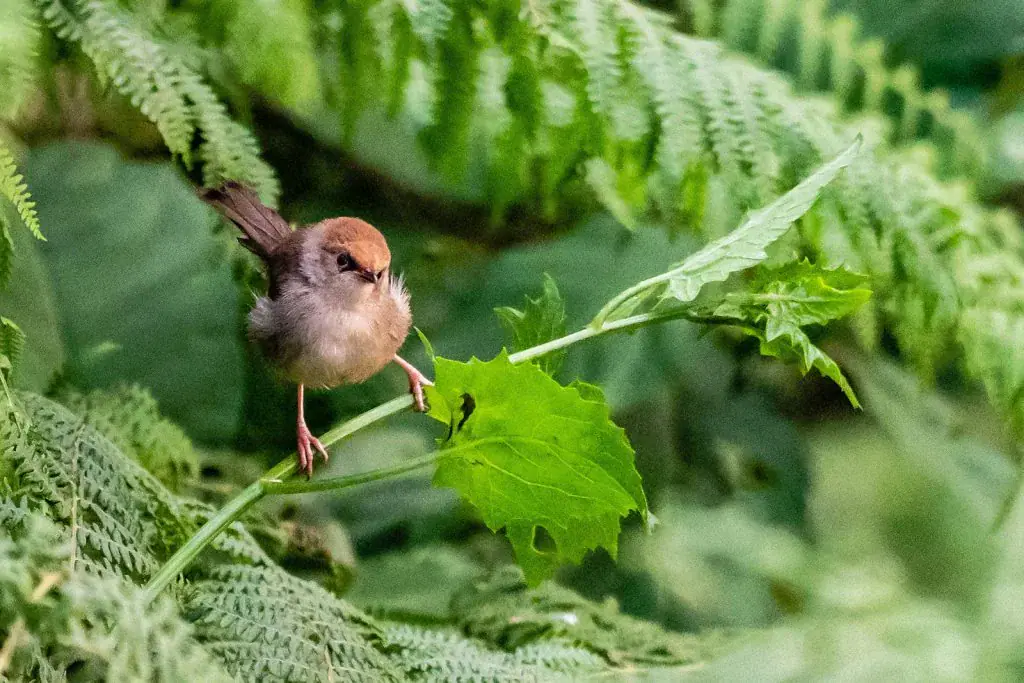
The vegetation and surrounding countryside provide opportunities for bird watching.
While the site may not be the main destination for specialist birders, visitors can encounter birds during walks around the caves and surrounding areas.
Bird watching can easily be combined with a wider Fort Portal itinerary that includes Kibale National Park and Bigodi Wetland Sanctuary, where bird diversity is particularly notable.
Travelers interested in birds should carry binoculars and allow enough time to stop and observe rather than simply passing through
Photography at Amabere Ga Nyinamwiru
The site offers a variety of photography opportunities.
You can capture:
- Limestone cave formations
- Waterfalls
- Green vegetation
- Rock textures
- Scenic landscapes
- Cultural experiences
- Local architecture
- Natural details
The combination of caves and vegetation creates interesting contrasts for photography.
Visitors should always respect restrictions concerning photography and ask permission before photographing local people.
Combine Nyinamwiru With the Fort Portal Crater Lakes
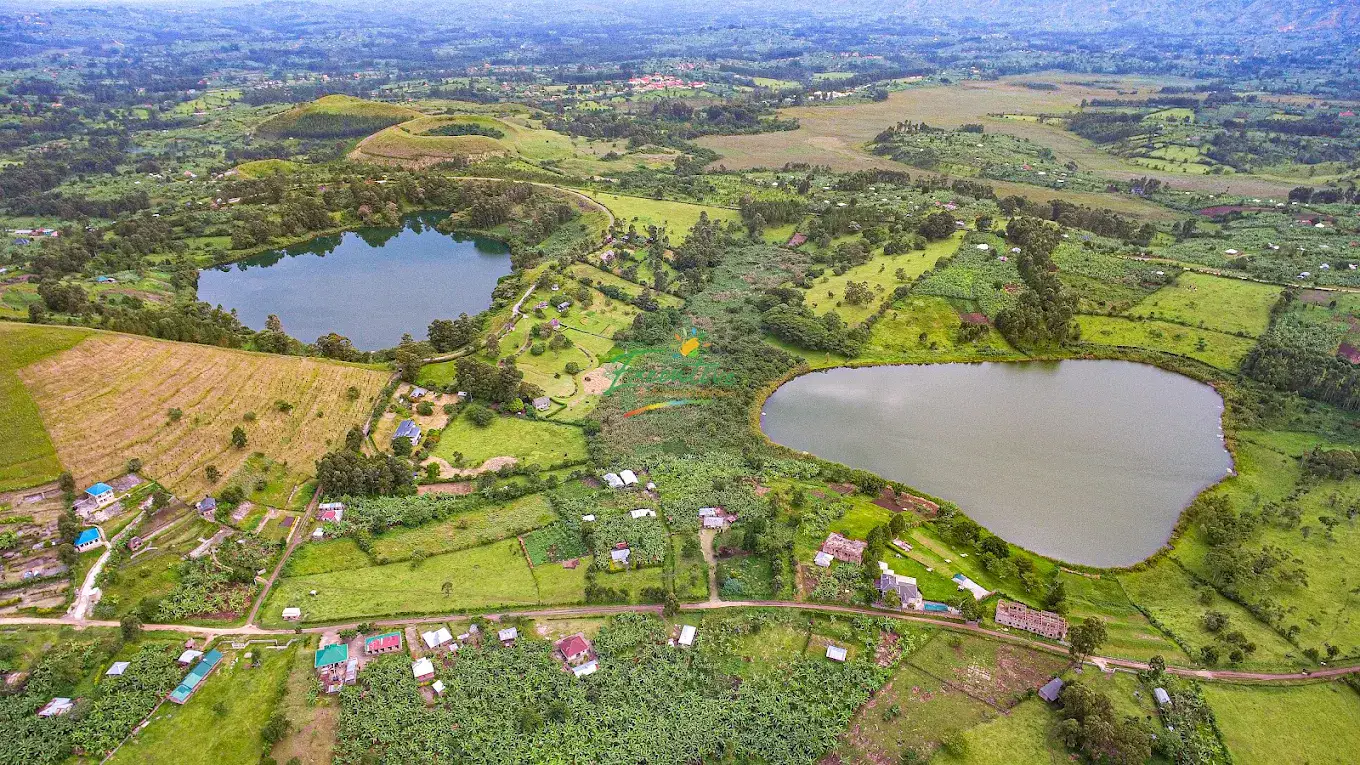
One of the best ways to experience the Nyinamwiru attraction is to combine it with the nearby crater lakes.
The crater lake region is famous for its green hills, beautiful water bodies, farms, forests, and scenic viewpoints.
A day exploring the area can include the caves in the morning followed by a crater lake excursion.
This creates a balanced experience combining culture, geology, nature, and scenic landscapes.
Combine Nyinamwiru With Kibale National Park
Travelers interested in wildlife can combine Amabere Ga Nyinamwiru with Kibale National Park.
Kibale is famous for chimpanzee trekking and its remarkable diversity of primates.
A typical itinerary could include a cultural and cave experience near Fort Portal before continuing to Kibale for a forest adventure.
This combination allows visitors to experience two very different sides of western Uganda: cultural heritage and tropical rainforest wildlife.
Combine Nyinamwiru With Bigodi Wetland Sanctuary
Bigodi Wetland Sanctuary is another excellent addition.
After learning about the Nyinamwiru legend and exploring the caves, travelers can visit Bigodi to experience wetlands, birds, primates, and community-based tourism.
The combination is particularly suitable for visitors interested in nature and culture.
Combine Nyinamwiru With Semuliki National Park
For a longer western Uganda itinerary, Amabere Ga Nyinamwiru can also be combined with Semuliki National Park.
Semuliki offers tropical forest scenery, bird watching, primate experiences, and the famous Sempaya Hot Springs.
This combination provides a diverse journey through western Uganda’s natural and cultural landscapes.
Best Time to Visit Amabere Ga Nyinamwiru
Amabere Ga Nyinamwiru can be visited throughout the year.
The drier periods can make walking around the attraction more comfortable, while the wetter periods bring lush vegetation and increased water flow around the waterfalls.
Because rainfall can occur at different times, it is advisable to carry appropriate footwear and rain protection.
Visitors should also follow local guidance when walking near caves, rocks, waterfalls, or slippery surfaces.
What to Pack for Your Visit
A visit to Amabere Ga Nyinamwiru does not require extensive equipment, but a few items can make the experience more comfortable.
Consider carrying:
- Comfortable walking shoes
- Lightweight clothing
- A light rain jacket
- Hat
- Sunscreen
- Insect repellent
- Drinking water
- Camera
- Binoculars
- Small backpack
- Waterproof protection for electronics
Good walking shoes are particularly useful because surfaces around caves and waterfalls can become slippery.
How Long Do You Need at Amabere Ga Nyinamwiru?
Most visitors can explore the attraction within a few hours.
However, the ideal amount of time depends on how deeply you want to experience the site.
A shorter visit can focus on:
Caves + Nyinamwiru legend + waterfalls
A longer visit can include:
Caves + storytelling + nature walk + photography + surrounding scenery
You can then continue to other Fort Portal attractions.
Amabere Ga Nyinamwiru for Different Travelers
Solo Travelers
Solo travelers can enjoy the caves, storytelling, photography, and nature walks with a local guide.
Couples
Couples can combine the attraction with crater lake sightseeing, scenic walks, and other Fort Portal experiences.
Families
Families can enjoy learning about the legend and exploring the natural environment together. Parents and guardians should follow local safety guidance, particularly around caves, rocks, and waterfalls.
Older Travelers
Visitors who prefer a slower pace can discuss suitable walking distances with their guide before beginning the experience.
Travelers With Accessibility Needs
Accessibility can vary across the cave area, paths, and surrounding terrain.
Travelers with mobility or other accessibility requirements should communicate their needs in advance so that suitable arrangements can be considered.
Responsible Tourism at Amabere Ga Nyinamwiru
Protecting the site and respecting its cultural importance is everyone’s responsibility.
Visitors can help by:
- Following instructions from local guides.
- Avoiding damage to cave formations.
- Keeping the area clean.
- Avoiding littering.
- Respecting cultural traditions.
- Asking permission before taking photographs of people.
- Supporting local guides and community initiatives.
- Staying on appropriate paths.
- Avoiding loud or disruptive behavior.
- Respecting other visitors.
Responsible tourism helps preserve both the natural environment and the cultural stories connected to the site.
Why Visit Nyinamwiru?
Amabere Ga Nyinamwiru is special because it brings together legend, culture, geology, nature, and local storytelling.
A visit allows travelers to stand inside a landscape that has been connected to generations of Tooro oral tradition.
You can explore the caves, see the unusual limestone formations, listen to the story of Nyinamwiru, enjoy waterfalls, walk through green surroundings, and learn more about the cultural heritage of western Uganda.
For travelers exploring Fort Portal, the attraction provides a meaningful opportunity to understand how natural landscapes can become part of a community’s cultural identity.
Plan Your Nyinamwiru Experience With Lavish Safaris Uganda
At Lavish Safaris Uganda, we can help you include Amabere Ga Nyinamwiru in a tailor-made western Uganda itinerary.
Your journey can combine the caves with Fort Portal city, Tooro cultural experiences, crater lakes, tea plantations, Kibale National Park, Bigodi Wetland Sanctuary, Semuliki National Park, Queen Elizabeth National Park, Lake Bunyonyi, or the Rwenzori Mountains.
Whether you are interested in culture, history, nature, photography, wildlife, adventure, or relaxed sightseeing, we can help create an itinerary that suits your interests and preferred pace.