
Discover the Beauty of Uganda’s Wildlife and Wilderness
Introduction to Queen Elizabeth Wildlife Safari
Queen Elizabeth Wildlife Safari: Discover the Beauty of Uganda’s Wildlife and Wilderness. A Queen Elizabeth wildlife safari is one of the most exciting and rewarding African safari experiences in Uganda. Located in the beautiful southwestern region of the country, Queen Elizabeth National Park is one of East Africa’s most remarkable wildlife destinations, offering visitors an opportunity to explore diverse landscapes, encounter incredible animals and experience the natural beauty of the African wilderness.
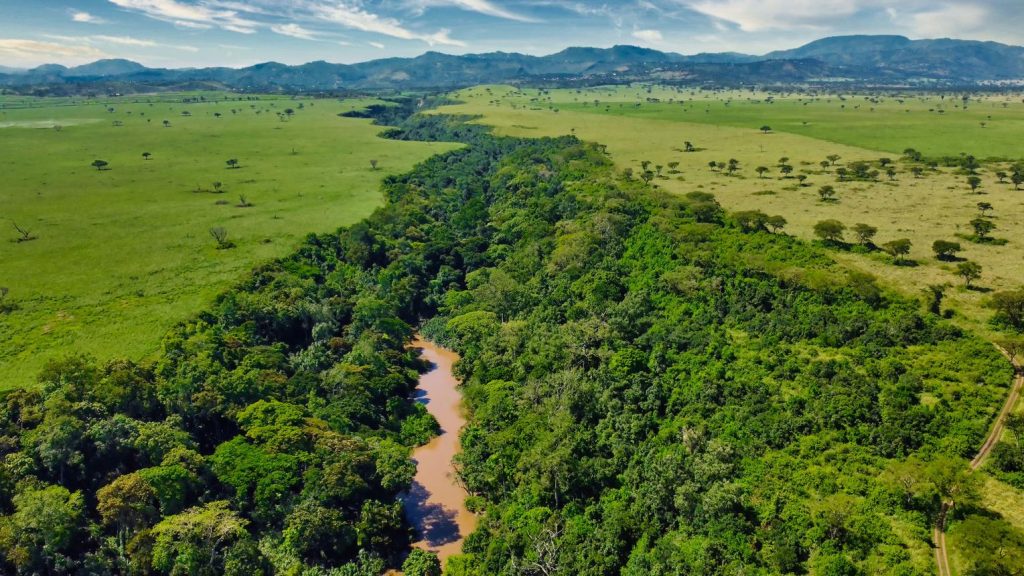
Famous for its spectacular savannah plains, beautiful crater lakes, tropical forests, wetlands and the magnificent Kazinga Channel, Queen Elizabeth National Park offers a variety of wildlife experiences throughout the year. The park is home to African elephants, buffaloes, lions, leopards, Uganda kobs, waterbucks, hippos, crocodiles and numerous other wildlife species.
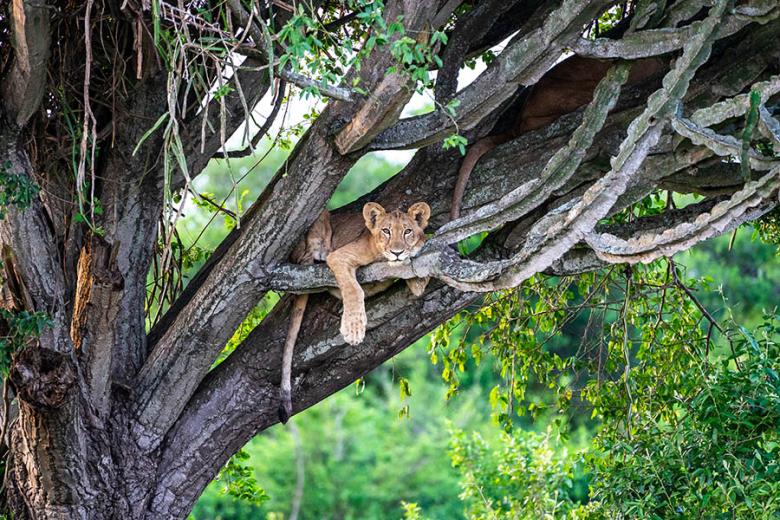
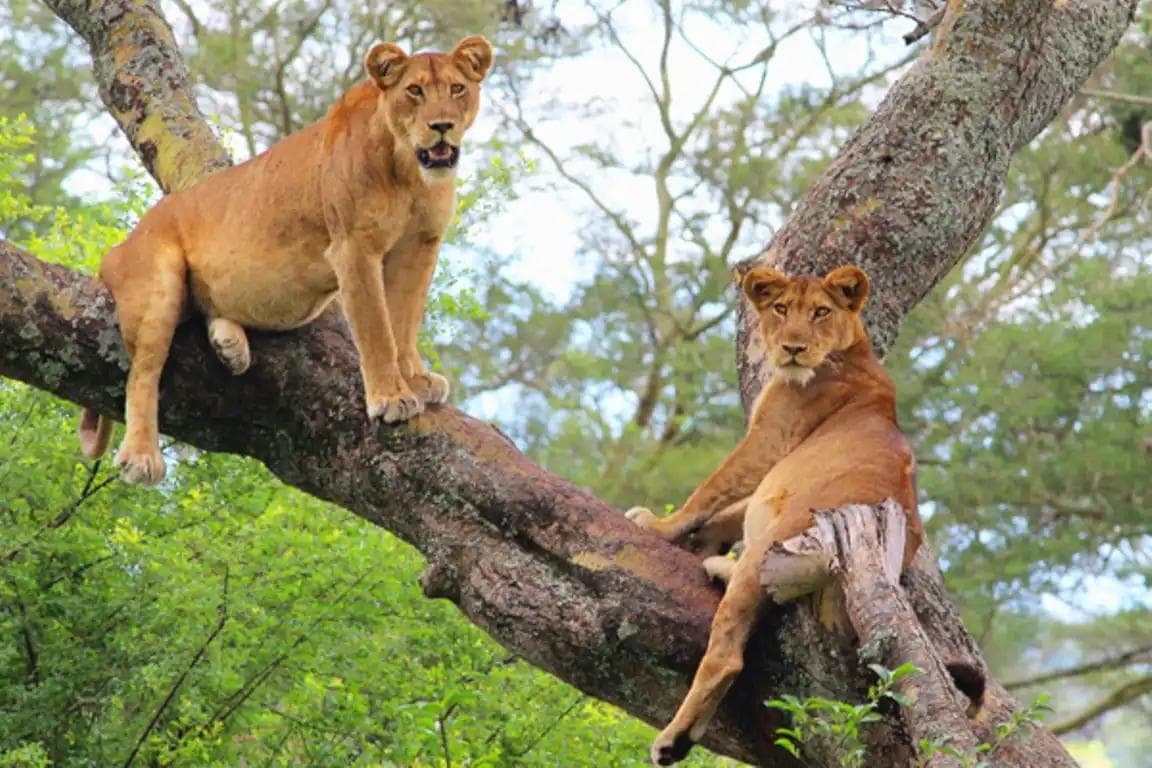
One of the park’s most fascinating attractions is the famous tree-climbing lions of the Ishasha sector. These remarkable predators attract wildlife enthusiasts, photographers and safari travellers interested in experiencing something unique in the African wilderness.
A Queen Elizabeth wildlife safari is not limited to traditional game drives. Visitors can also enjoy boat cruises, chimpanzee tracking, birdwatching, nature walks and cultural experiences that provide a deeper understanding of Uganda’s natural and cultural heritage.
Whether you are planning a luxury African safari, a family holiday, a romantic getaway or an adventurous wildlife expedition, Queen Elizabeth National Park promises an unforgettable journey.
At Lavish Safaris Uganda, we create personalised safari experiences that allow travellers to discover the park’s outstanding wildlife, beautiful scenery and remarkable attractions while enjoying comfortable accommodation and professional guiding services.
Where Is Queen Elizabeth National Park Located? – Queen Elizabeth Wildlife Safari
Queen Elizabeth National Park is situated in southwestern Uganda, approximately 400 kilometres from Kampala. It extends across several districts, including Kasese, Rubirizi, Rukungiri and Kamwenge.
The park forms an important part of Uganda’s western tourism circuit and is surrounded by some of the country’s most beautiful natural attractions. Its location makes it possible to combine a wildlife safari with gorilla trekking in Bwindi Impenetrable National Park, chimpanzee tracking in Kibale Forest National Park and relaxation at Lake Bunyonyi.
Covering approximately 1,978 square kilometres, Queen Elizabeth National Park features a remarkable variety of ecosystems. These include open savannah grasslands, acacia woodlands, tropical forests, wetlands, volcanic crater lakes and riverine habitats.
The park is bordered by Lake Edward and Lake George, which are connected by the famous Kazinga Channel. These water bodies support a wide range of wildlife and contribute significantly to the park’s ecological importance.
Its diverse landscapes make Queen Elizabeth National Park an excellent destination for travellers seeking a combination of wildlife viewing, scenic exploration and outdoor adventure.
Wildlife to See During a Queen Elizabeth Wildlife Safari
One of the main reasons travellers visit Queen Elizabeth National Park is its outstanding wildlife diversity. The park supports numerous mammal species, creating excellent opportunities to observe animals in their natural habitats.
1. African Elephants – Queen Elizabeth Wildlife Safari
African elephants are among the most impressive animals you can encounter during a Queen Elizabeth wildlife safari. These magnificent giants are commonly spotted moving through the savannah grasslands, woodlands and areas surrounding permanent water sources.
During game drives, visitors may see elephants feeding, drinking, bathing and interacting in family groups. The Kasenyi Plains and other wildlife-rich areas provide excellent opportunities to observe these animals.
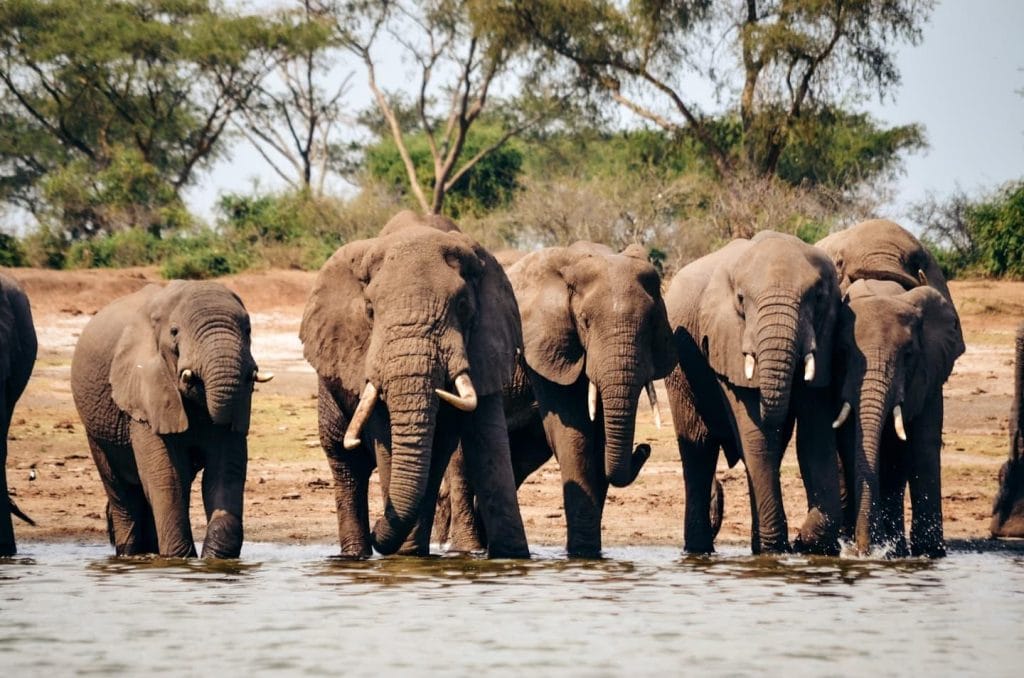
Watching a herd of elephants moving gracefully across the open savannah is one of the most memorable highlights of a Uganda wildlife safari.
2. Tree-Climbing Lions
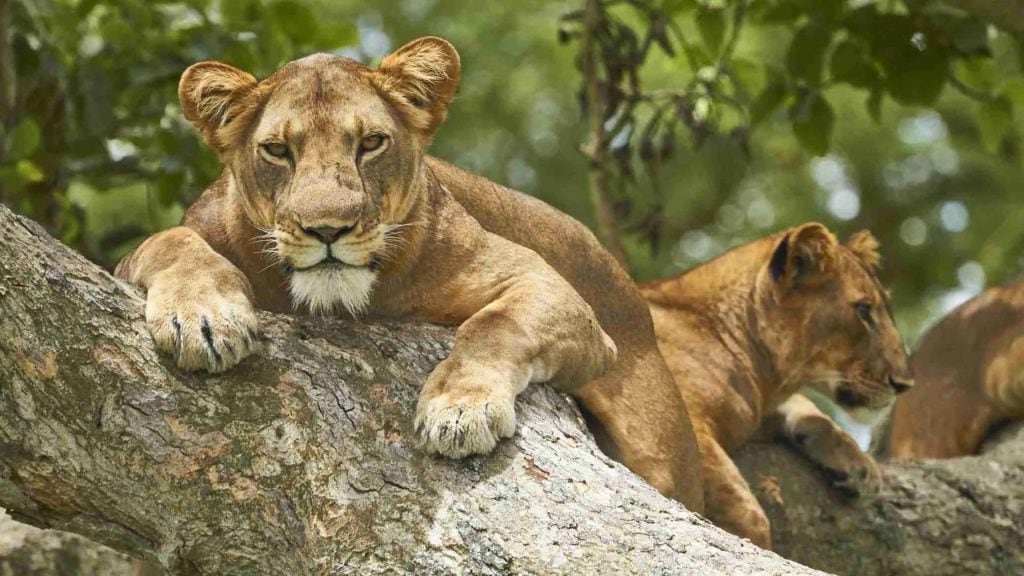
Queen Elizabeth National Park is internationally recognised for its unusual tree-climbing lions, particularly in the Ishasha sector in the southern part of the park.
Unlike many other lion populations, these lions are regularly observed resting on the branches of large fig trees. This fascinating behaviour makes Ishasha one of the most distinctive wildlife-viewing destinations in Uganda.
Visitors can enjoy guided game drives through the sector while searching for lions resting in trees or moving through the surrounding grasslands.
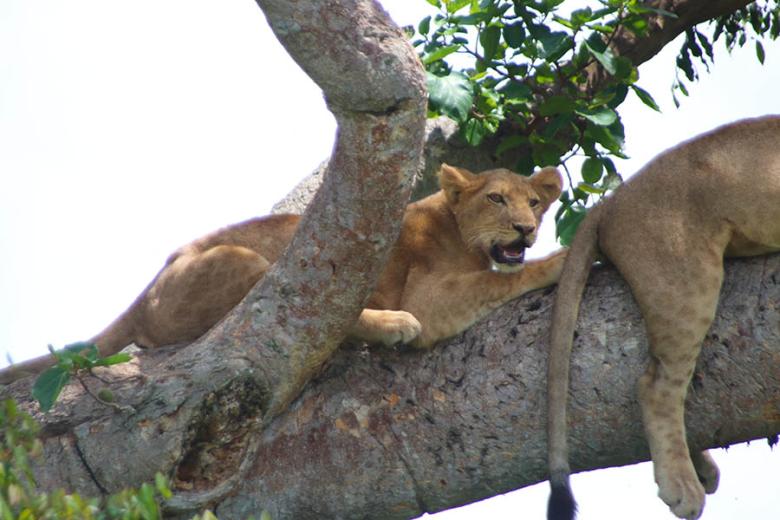
Although sightings are never guaranteed, encountering these remarkable predators is a special experience for anyone visiting Queen Elizabeth National Park.
3. African Buffaloes – Queen Elizabeth Wildlife Safari
African buffaloes are among the most frequently encountered large mammals in Queen Elizabeth National Park. They are commonly seen grazing in large herds across open grasslands and near water sources.
Their powerful bodies, dark coats and distinctive curved horns make them fascinating animals to observe.
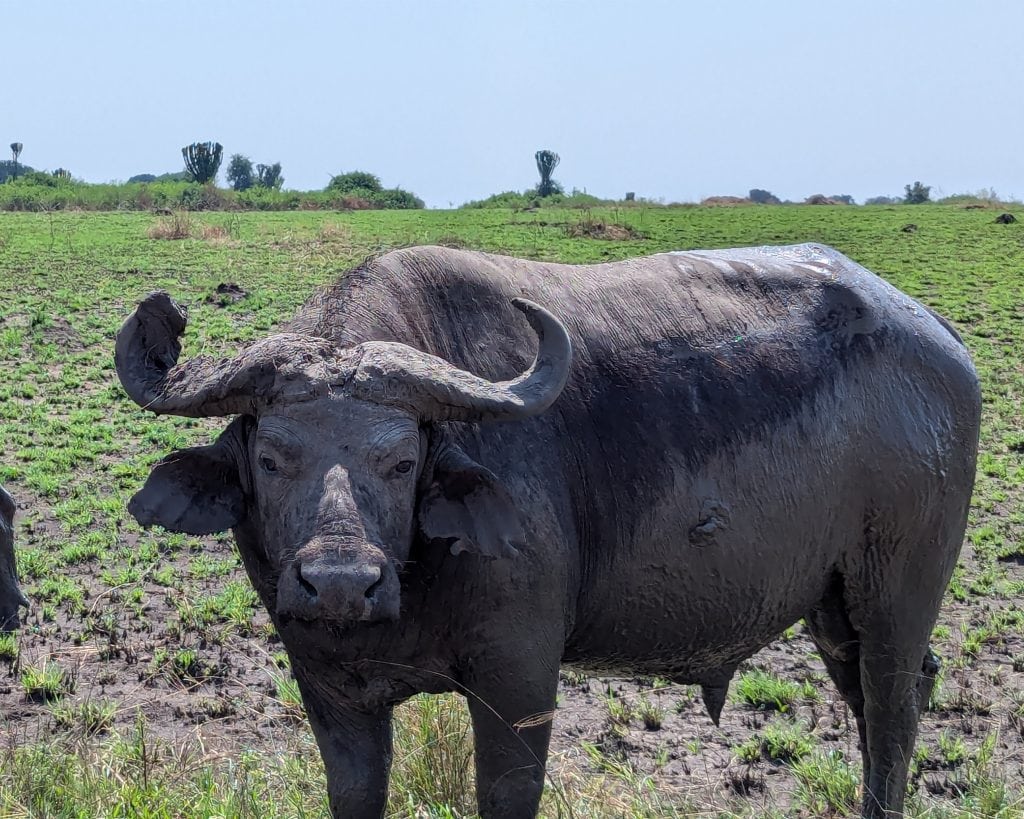
The Kasenyi Plains provide excellent opportunities to encounter buffaloes as they graze and interact with other wildlife species.
4. Uganda Kobs
The Uganda kob is one of the country’s most iconic antelope species. These beautiful animals are frequently seen grazing across the open grasslands of Queen Elizabeth National Park.
The Kasenyi Plains are particularly famous for their large populations of Uganda kobs.
Their presence also attracts predators, especially lions, making this area an exciting destination for wildlife enthusiasts and photographers.
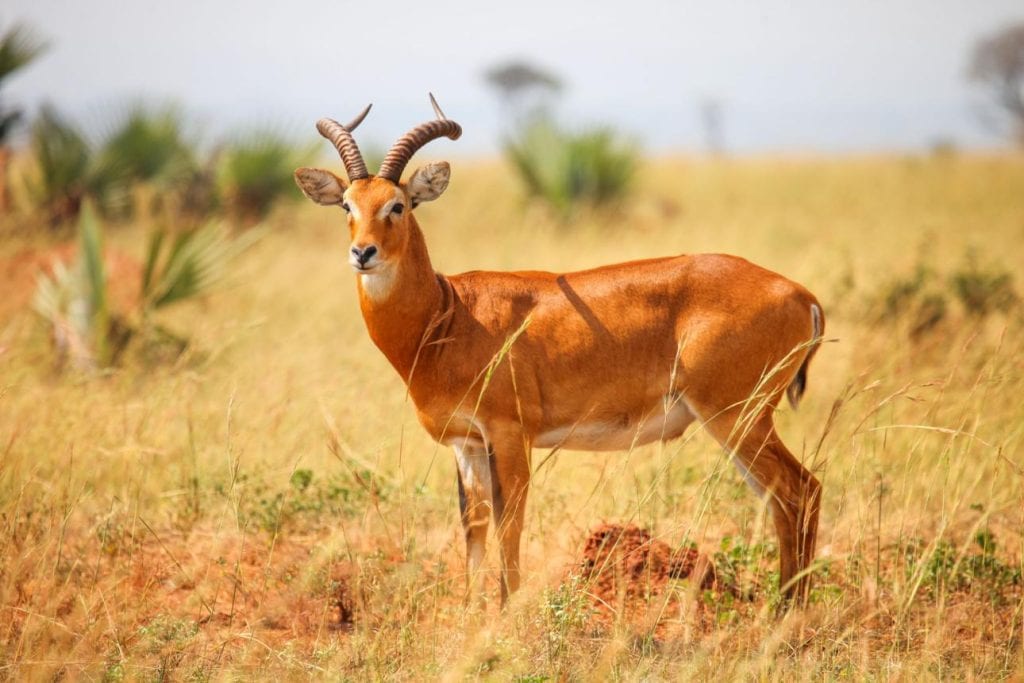
Observing Uganda kobs in their natural environment provides a wonderful opportunity to appreciate the diversity of Uganda’s wildlife.
5. Leopards – Queen Elizabeth Wildlife Safari
Leopards are among the most elusive predators found in Queen Elizabeth National Park. Although they are not as easily spotted as elephants or buffaloes, the park provides suitable habitats for these secretive cats.
Their excellent camouflage and naturally solitary behavior make them challenging to locate.
Early morning and late afternoon game drives provide opportunities to search for leopards resting in trees, moving through woodland or hunting in the grasslands.

Encountering a leopard during a safari is a particularly rewarding experience for wildlife photographers.
6. Hippos and Nile Crocodiles
The Kazinga Channel is one of the best places in Uganda to observe hippos and Nile crocodiles in their natural environment.
Hippos spend much of the day submerged in water, emerging during cooler hours to graze along the riverbanks. Nile crocodiles can also be spotted resting along the shores.
A boat cruise along the channel offers excellent opportunities to observe these fascinating animals from a comfortable viewing distance.
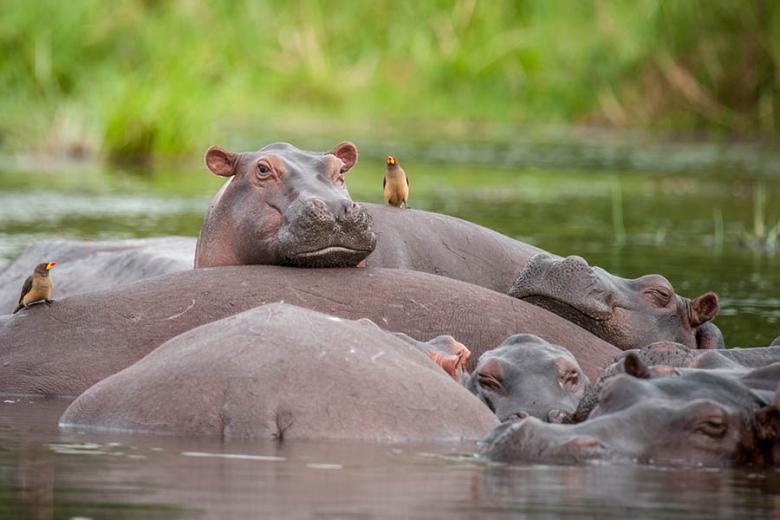
The large concentrations of hippos make this experience one of the most memorable attractions in Queen Elizabeth National Park.
7. Other Wildlife Species – Queen Elizabeth Wildlife Safari
Beyond its famous large mammals, Queen Elizabeth National Park supports numerous other wildlife species that contribute to its remarkable biodiversity.
Visitors may encounter:
Waterbucks.
Warthogs.
Spotted hyenas.
Giant forest hogs.
Baboons.
Vervet monkeys.
Topis.
Various mongoose species.
- Other antelope species.


The Olive baboon
Every game drive offers an opportunity to discover different animals and appreciate the richness of Uganda’s natural environment.
Best Activities During a Queen Elizabeth Wildlife Safari
Queen Elizabeth National Park offers much more than traditional game drives. Visitors can enjoy several exciting activities that combine wildlife viewing, adventure, photography and cultural exploration.
1. Game Drives in Queen Elizabeth National Park – Queen Elizabeth Wildlife Safari
Game drives are among the most popular activities during a Queen Elizabeth wildlife safari. They provide an opportunity to explore the park’s extensive savannah plains while searching for different wildlife species.
The Kasenyi Plains are particularly famous for excellent game-viewing opportunities. Visitors can encounter elephants, buffaloes, Uganda kobs, warthogs and various predators.
Morning game drives are especially rewarding because many animals are active during the cooler hours of the day. Afternoon game drives also provide opportunities to observe wildlife moving towards water sources and grazing areas.
Travelling with an experienced safari guide makes the experience more rewarding. Professional guides understand animal behaviour, know the best wildlife-viewing locations and help visitors learn about the park’s ecosystems.
2. Kazinga Channel Boat Safari
A boat safari along the Kazinga Channel is one of the most memorable experiences in Queen Elizabeth National Park.
The channel connects Lake Edward and Lake George and is famous for its large concentrations of hippos, crocodiles and water-associated wildlife.
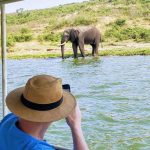
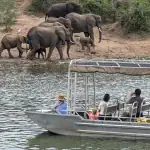
During the cruise, visitors can observe elephants drinking along the shores, buffaloes grazing near the water and hippos resting in large groups.
The channel is also an excellent birdwatching destination, with numerous waterbirds frequently spotted along its banks.
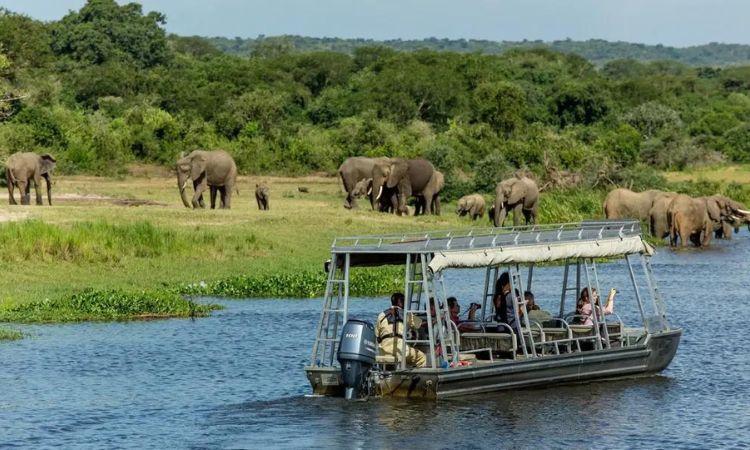
A Kazinga Channel boat safari offers a different perspective of the park and provides outstanding opportunities for wildlife photography.
3. Exploring the Ishasha Sector – Queen Elizabeth Wildlife Safari
The Ishasha sector is located in the southern part of Queen Elizabeth National Park and is internationally recognised for its tree-climbing lions.
This beautiful wilderness area features open savannah grasslands, scattered fig trees and diverse wildlife habitats.
Visitors can enjoy guided game drives while searching for lions, elephants, buffaloes, topis and other animals.
Ishasha is also an excellent destination for travellers combining Queen Elizabeth National Park with gorilla trekking in Bwindi Impenetrable National Park.
Its peaceful atmosphere and beautiful landscapes make it a rewarding addition to any Uganda safari itinerary.
4. Birdwatching Safaris
Queen Elizabeth National Park is one of Uganda’s outstanding birdwatching destinations, with more than 600 recorded bird species.
Its diverse habitats, including wetlands, forests, lakeshores, savannah grasslands and crater lakes, support an impressive variety of resident and migratory birds.
Some notable bird species include:
African fish eagle.
Shoebill.
Grey crowned crane.
Martial eagle.
African jacana.
Malachite kingfisher.
Saddle-billed stork.
Various pelicans.
Different bee-eaters and hornbills.
The Kazinga Channel, wetlands and surrounding forests provide excellent birdwatching opportunities for beginners and experienced bird enthusiasts.
5. Chimpanzee Tracking in Kyambura Gorge – Queen Elizabeth Wildlife Safari
Kyambura Gorge, often called the Valley of Apes, is another remarkable attraction within Queen Elizabeth National Park.
The gorge features a beautiful tropical forest ecosystem that supports chimpanzees and other primates.
Chimpanzee tracking allows visitors to explore the forest with experienced guides while searching for these intelligent and fascinating animals.
During the experience, visitors can learn about chimpanzee behaviour, feeding habits, social structures and conservation.

Chimpanzee tracking adds a rewarding primate experience to a traditional wildlife safari and makes Queen Elizabeth National Park even more attractive to nature lovers.
6. Exploring the Katwe Explosion Craters
The Katwe Explosion Craters are among the most fascinating geological attractions in Queen Elizabeth National Park.
These volcanic formations create beautiful landscapes and offer spectacular views of the surrounding countryside.
Visitors can explore selected crater viewpoints, enjoy photography and learn about the geological history of the region.
Lake Katwe is also famous for its traditional salt-mining activities, which provide an important source of livelihood for surrounding communities.
A visit to the crater lakes offers a refreshing experience beyond traditional wildlife viewing.
7. Visiting the Equator – Queen Elizabeth Wildlife Safari
Travellers exploring Queen Elizabeth National Park can also visit the Equator crossing near the Kikorongo area.
This geographical attraction provides opportunities for photography and learning about the significance of the Equator.
It is a popular stop for visitors travelling through western Uganda and adds another interesting experience to a safari itinerary.
Best Wildlife Viewing Areas in Queen Elizabeth National Park
Queen Elizabeth National Park has several wildlife-viewing areas, each offering unique landscapes and opportunities to encounter different animals.
Kasenyi Plains
The Kasenyi Plains are among the best locations for traditional African game drives. The open grasslands support large populations of Uganda kobs, buffaloes, elephants and other wildlife.
The area is also known for lion sightings, particularly where predators hunt the abundant antelope populations.
Ishasha Sector – Queen Elizabeth Wildlife Safari
Ishasha is famous for its tree-climbing lions and beautiful savannah landscapes. It is an excellent destination for travellers interested in unusual wildlife encounters and photography.
The sector also supports elephants, buffaloes, topis and several other wildlife species.
Mweya Peninsula
Mweya Peninsula is one of the park’s main tourism centres. It offers beautiful views of Lake Edward and the Kazinga Channel, as well as convenient access to boat cruises and nearby game-viewing areas.
Kazinga Channel – Queen Elizabeth Wildlife Safari
The Kazinga Channel is one of the park’s most important wildlife attractions. Its shores attract hippos, crocodiles, elephants, buffaloes and numerous waterbirds.
Boat cruises provide excellent opportunities to observe these animals in their natural environment.
Uganda Wildlife Authority+2
Kyambura Gorge
Kyambura Gorge offers a completely different wildlife experience. Its forested environment provides opportunities to track chimpanzees and discover other primates, birds and forest wildlife.
Exploring these different areas gives visitors a more complete understanding of the park’s remarkable biodiversity.
Best Time to Visit Queen Elizabeth National Park for a Wildlife Safari
Queen Elizabeth National Park can be visited throughout the year. However, certain months offer more favourable conditions for wildlife viewing, photography and outdoor activities.
Dry Seasons: June to September and December to February – Queen Elizabeth Wildlife Safari
The dry seasons are generally considered excellent periods for wildlife safaris.
During these months, vegetation is often shorter, making it easier to spot animals across the open grasslands. Wildlife may also concentrate around permanent water sources, creating rewarding game-viewing opportunities.
Other advantages include:
Generally favourable conditions for game drives.
Easier access to many safari tracks.
Excellent opportunities for wildlife photography.
Comfortable conditions for outdoor activities.
Rainy Seasons: March to May and October to November
The rainy seasons transform the park into a beautiful green landscape, creating attractive scenery for nature lovers and photographers.
Although some roads and tracks may become muddy, these months offer several advantages.
Visitors can enjoy:
Beautiful green landscapes.
Excellent birdwatching opportunities.
Attractive scenery for photography.
Opportunities to observe seasonal changes in wildlife habitats.
A quieter atmosphere during some travel periods.
The best time ultimately depends on your interests, travel schedule and preferred safari experience.
How to Get to Queen Elizabeth National Park – Queen Elizabeth Wildlife Safari
Queen Elizabeth National Park can be accessed by road or air, depending on your travel preferences, budget and itinerary.
Road Transport
Travelling by road is one of the most popular ways to reach Queen Elizabeth National Park.
The journey from Kampala generally takes around seven to eight hours, depending on the route, traffic and stops along the way.
Visitors can travel through Mbarara and Bushenyi or take the Fort Portal route.
A road safari offers opportunities to explore Uganda’s countryside, enjoy scenic landscapes and visit interesting destinations along the journey.
Travellers can also include stopovers at the Equator, Lake Mburo and other attractions when planning an extended Uganda safari.
Air Transport
Travellers who prefer a quicker journey can arrange domestic or charter flights from Entebbe or Kajjansi to airstrips serving the Queen Elizabeth region.
Depending on the itinerary, flights may use Kasese, Mweya or other suitable nearby airstrips.
Flying is particularly convenient for luxury safari travellers and visitors with limited time.
Where to Stay During a Queen Elizabeth Wildlife Safari – Queen Elizabeth Wildlife Safari
Queen Elizabeth National Park offers different accommodation options to suit a variety of travel budgets and preferences.
Visitors can choose from luxury safari lodges, comfortable midrange properties and affordable accommodation facilities.
Some popular accommodation choices include:
Mweya Safari Lodge
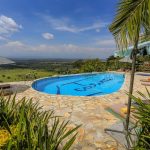
Located on the Mweya Peninsula, Mweya Safari Lodge is one of the park’s best-known accommodation properties. It offers beautiful views of the Kazinga Channel and surrounding wilderness.
It is a popular choice for travellers seeking comfortable accommodation and convenient access to safari activities.
Elephant Plains Lodge – Queen Elizabeth Wildlife Safari
Elephant Plains Lodge offers a comfortable safari experience with impressive views of the surrounding landscape.
It is an attractive option for travellers seeking relaxation, scenic surroundings and wildlife experiences.
Ishasha Wilderness Camp
Located in the Ishasha sector, this camp is an excellent accommodation choice for visitors interested in exploring the southern part of Queen Elizabeth National Park.
Its location makes it convenient for travellers hoping to search for the famous tree-climbing lions.
Katara Lodge – Queen Elizabeth Wildlife Safari
Katara Lodge is known for its beautiful setting overlooking the Great Rift Valley landscape.
It offers a peaceful environment for travellers exploring Queen Elizabeth National Park and the surrounding attractions.
Enganzi Game Lodge
Enganzi Game Lodge provides comfortable accommodation for visitors exploring Queen Elizabeth National Park and its wildlife attractions.
Choosing the right accommodation depends on your budget, preferred level of comfort, safari activities and travel itinerary.
Sample 3-Day Queen Elizabeth Wildlife Safari – Queen Elizabeth Wildlife Safari
A three-day Queen Elizabeth wildlife safari is an excellent way to explore the park’s major attractions while enjoying exciting wildlife encounters.
Day 1: Transfer to Queen Elizabeth National Park and Afternoon Game Drive
After breakfast, depart for Queen Elizabeth National Park through the beautiful countryside of western Uganda.
Enjoy scenic views along the journey, with opportunities to stop for refreshments and photographs.
Upon arrival, proceed to your safari lodge for check-in and lunch.
In the afternoon, enjoy a guided game drive across the Kasenyi Plains, searching for elephants, buffaloes, Uganda kobs, warthogs and other wildlife.
Your safari guide will help you explore different wildlife habitats while explaining the behaviour of the animals you encounter.
After the game drive, return to your lodge for dinner and an overnight stay.
Day 2: Morning Game Drive and Kazinga Channel Boat Safari – Queen Elizabeth Wildlife Safari
Begin your day with an early morning game drive in search of the park’s remarkable wildlife.
Explore the open grasslands while searching for lions, elephants, buffaloes, antelopes and other animals.
Return to your lodge for breakfast and relaxation.
In the afternoon, enjoy a boat cruise along the Kazinga Channel.
During the cruise, you may encounter large groups of hippos, Nile crocodiles, elephants, buffaloes and numerous bird species.
The experience offers wonderful opportunities for wildlife photography and relaxation.
After the boat safari, return to your accommodation for dinner and overnight.
Day 3: Chimpanzee Tracking and Departure
After breakfast, enjoy an optional chimpanzee tracking experience in Kyambura Gorge, subject to permit availability and the applicable arrangements.
Explore the tropical forest with experienced guides while searching for chimpanzees and other primates.
Learn about their behaviour, feeding habits and social interactions while enjoying the beautiful forest environment.
After the activity, begin your journey back to Kampala or continue to your next safari destination.
This itinerary can be customised to include the Ishasha sector, additional game drives or other attractions depending on your interests and available time.
Combining Queen Elizabeth Wildlife Safari with Gorilla Trekking – Queen Elizabeth Wildlife Safari
One of the best ways to experience Uganda is by combining a Queen Elizabeth wildlife safari with mountain gorilla trekking in Bwindi Impenetrable National Park.
This combination allows travellers to experience two different ecosystems and some of Africa’s most remarkable wildlife encounters.
In Queen Elizabeth National Park, visitors can enjoy traditional game drives, boat safaris and opportunities to encounter savannah wildlife.
In Bwindi, the experience changes completely as travellers venture into the tropical rainforest in search of endangered mountain gorillas.
Visitors can also include chimpanzee tracking in Kibale Forest National Park, creating an exciting combination of wildlife viewing and primate experiences.
A safari combining Queen Elizabeth, Bwindi and Kibale is particularly suitable for international travellers seeking a comprehensive Uganda safari holiday.
Other interesting destinations that can be included are:
Lake Bunyonyi: A beautiful destination for relaxation, canoeing and scenic experiences.
Lake Mburo National Park: An excellent destination for zebras, impalas, giraffes and walking safaris.
Murchison Falls National Park: Famous for its powerful waterfall, wildlife viewing and boat safaris.
Rwenzori Mountains: An attractive destination for mountain adventures, hiking and nature exploration.
These combinations allow visitors to discover more of Uganda while enjoying a diverse range of wildlife and adventure experiences.
Cultural Experiences Around Queen Elizabeth National Park
A Queen Elizabeth wildlife safari also provides opportunities to learn about the traditions, lifestyles and cultural heritage of communities living around the park.
Visitors can experience traditional music, dance, storytelling, local crafts and community activities.
Interactions with local communities provide a deeper understanding of how people live alongside wildlife and participate in tourism and conservation.
Cultural experiences can also introduce visitors to traditional farming practices, local food and the history of communities in western Uganda.
Including cultural activities in your safari creates a more meaningful travel experience while providing opportunities to support local livelihoods.
Responsible Tourism and Wildlife Conservation – Queen Elizabeth Wildlife Safari
Wildlife conservation plays an important role in protecting Queen Elizabeth National Park and its natural ecosystems.
As one of Uganda’s most important conservation areas, the park provides habitats for numerous wildlife species while supporting biodiversity and sustainable tourism.
Visitors are encouraged to practise responsible tourism throughout their safari.
Important practices include:
Maintaining a respectful distance from wild animals.
Avoiding littering and protecting natural habitats.
Following park regulations and safety guidelines.
Listening to the instructions of professional safari guides.
Avoiding unnecessary disturbance to wildlife.
Supporting responsible tourism businesses and local communities.
Travelling with responsible tour operators also helps support conservation initiatives, community development and sustainable tourism.
By choosing responsible wildlife experiences, travellers contribute to protecting Uganda’s natural heritage for future generations.
Why Choose Queen Elizabeth National Park for Your African Wildlife Safari?
Queen Elizabeth National Park is one of Uganda’s most rewarding safari destinations because of its exceptional biodiversity, beautiful landscapes and diverse tourism activities.
Here are some reasons why it deserves a place on your African safari itinerary.
1. Exceptional Wildlife Diversity
The park supports numerous mammal species, including elephants, buffaloes, lions, leopards, hippos and several antelope species.
2. Famous Tree-Climbing Lions
The Ishasha sector offers opportunities to search for lions resting in the branches of large fig trees.
3. Beautiful Natural Landscapes
Visitors can explore savannah plains, crater lakes, tropical forests, wetlands and scenic waterways.
4. Kazinga Channel Boat Safaris
The channel provides excellent opportunities to observe hippos, crocodiles, elephants, buffaloes and waterbirds.
5. Outstanding Birdwatching
With more than 600 recorded bird species, the park is an excellent destination for birdwatchers and nature enthusiasts.
6. Chimpanzee Tracking
Kyambura Gorge provides opportunities to explore tropical forests and search for wild chimpanzees.
7. Excellent Safari Combinations
Queen Elizabeth National Park can easily be combined with Bwindi, Kibale and other western Uganda destinations.
These attractions make the park an excellent choice for travellers seeking an authentic African wildlife adventure.
Uganda Wildlife Authority+2
Plan Your Queen Elizabeth Wildlife Safari with Lavish Safaris Uganda
A Queen Elizabeth wildlife safari is an unforgettable journey into the heart of Uganda’s wilderness. From exciting game drives across the Kasenyi Plains to spectacular boat cruises along the Kazinga Channel, every experience offers an opportunity to discover the country’s remarkable natural beauty.
Whether you dream of photographing African elephants, watching tree-climbing lions, observing hippos, tracking chimpanzees or enjoying breathtaking African landscapes, Queen Elizabeth National Park promises an enriching safari adventure.
At Lavish Safaris Uganda, we specialise in organising personalised Uganda wildlife safaris, gorilla trekking holidays, chimpanzee tracking adventures and tailor-made East African safari experiences.
We assist travellers with:
Customised safari itinerary planning.
Luxury, midrange and budget accommodation arrangements.
Comfortable 4×4 safari transportation.
Professional English-speaking safari guides.
Wildlife game drives and boat safari arrangements.
Gorilla trekking and chimpanzee tracking experiences.
Cultural tours and community experiences.
Whether you are interested in a short wildlife getaway, a luxury African safari, a family holiday or an extended Uganda adventure, we can design a safari that matches your interests, travel expectations and budget.
Discover the incredible wildlife of Queen Elizabeth National Park and experience the magic of Uganda with Lavish Safaris Uganda.
Frequently Asked Questions About Queen Elizabeth Wildlife Safari
1. What is Queen Elizabeth National Park famous for?
Queen Elizabeth National Park is famous for its diverse wildlife, tree-climbing lions in Ishasha, African elephants, buffaloes, hippos, the Kazinga Channel and outstanding birdwatching opportunities.
2. What animals can I see during a Queen Elizabeth wildlife safari?
Visitors can encounter African elephants, lions, leopards, buffaloes, Uganda kobs, waterbucks, warthogs, hippos, crocodiles and several primate species.
3. How many days do I need for a Queen Elizabeth wildlife safari?
Two to three days provide a good introduction to the park. However, four or more days allow additional time to explore Ishasha, enjoy boat cruises, experience chimpanzee tracking and discover different wildlife habitats.
4. Can I see tree-climbing lions in Queen Elizabeth National Park?
Yes. The Ishasha sector is particularly famous for its tree-climbing lions. However, sightings depend on wildlife movements and are not guaranteed.
5. Is Queen Elizabeth National Park suitable for a family safari?
Yes. The park offers exciting wildlife experiences, scenic boat cruises and comfortable accommodation options suitable for families. Activities should be selected according to children’s ages and park regulations.
6. Can I combine Queen Elizabeth National Park with Bwindi gorilla trekking?
Absolutely. Combining Queen Elizabeth National Park with Bwindi Impenetrable National Park is one of the most popular Uganda safari combinations, offering savannah wildlife viewing and mountain gorilla trekking.
7. What is the best time to visit Queen Elizabeth National Park?
June to September and December to February are generally excellent periods for wildlife viewing. However, the park offers rewarding safari experiences throughout the year.
8. Is Queen Elizabeth National Park good for birdwatching?
Yes. The park has more than 600 recorded bird species, making it one of Uganda’s outstanding birdwatching destinations.