

Why Sustainable and Responsible Safari Travel Matters Today
Sustainable and responsible safari travel tips shape the future of African tourism by guiding travelers toward ethical choices that protect wildlife, support communities, and preserve natural habitats. More travelers now seek meaningful experiences that combine adventure, education, and environmental care. They want to enjoy Wildlife Safaris while minimizing their impact, and they often ask how they can travel responsibly during Family-Friendly Safaris, Family Safaris, or Family Holidays. They also wonder how sustainability influences Game Drives, luxury safaris, Walking Tours, and Family Trips.
These questions help families and solo travelers understand their role in conservation. Sustainable travel creates value for local people, promotes fair employment, and strengthens wildlife protection. Responsible choices also support eco-lodges, cultural preservation, and nature-friendly Safari Holidays. Sustainable and responsible safari travel tips help every traveler play a part in protecting Africa’s fragile ecosystems. As travelers adopt these values, they deepen the meaning of their Safaris and create lasting memories. Lavish Safaris Uganda continues to show global travelers how sustainability enhances Tours, Walking Safaris, Hiking Trips, and beach activities like snorkelling. This introduction sets the foundation for understanding how simple actions lead to powerful change across Africa’s wild landscapes.

Understanding the Power of Sustainable Choices on African Safaris
Why Responsible Travel Strengthens Wildlife Protection
Sustainable and responsible safari travel tips encourage travelers to rethink how they interact with Africa’s natural spaces. Many travelers ask how their actions influence Wildlife Safaris or Game Drives. Every journey offers a chance to support conservation, and these choices protect the landscapes that make Safaris special. Travelers who follow sustainable guidelines help reduce pressure on wildlife habitats by choosing eco-friendly lodges, minimizing waste, and respecting nature. Families visiting through Family Tours often seek ways to reduce their footprint while enjoying Family-friendly tours that introduce children to nature. Responsible Travel also improves Tourism revenue flow to communities, supporting schools, healthcare, and local artisans. These benefits create stronger relationships between visitors and local people, making Family Safaris more meaningful.
Cultural visits offer gentle reminders that Africa’s traditions hold deep value. These cultural connections truly enrich Family Holidays and influence how children see the world. Some travelers ask whether luxury safaris can remain sustainable, and the answer is yes, because many luxury camps now follow strict eco-practices. Through this awareness, Sustainable and responsible safari travel tips encourage every traveler to enjoy memorable Safaris Holidays while protecting wildlife for future generations.
Environmentally Conscious Actions for the Modern Safari Traveler
Simple Steps That Reduce Environmental Impact
Sustainable and responsible safari travel tips highlight simple habits that safeguard nature. Travelers often ask how they can minimize waste during Family Trips or Wildlife Safaris. Packing reusable bottles and stainless-steel containers helps reduce plastic use. Families planning Family Tours can bring light, eco-friendly bags to store snacks and supplies. Many eco-lodges appreciate guests who reduce packaging. These habits protect rivers, grasslands, and forests that support wildlife.
Responsible travelers also prefer biodegradable sunscreen and toiletries that protect waterways during Walking Safaris or Hiking Tours. Another key question concerns how to behave around wildlife. Respecting distance during Game Drives ensures wildlife remains comfortable. Travelers should observe quietly and avoid blocking animal paths. Families traveling with children can teach them how to stay calm near animals. These lessons help young travelers appreciate nature. Staying on designated tracks prevents environmental damage and reduces soil erosion. Some travelers ask about carbon offsetting and how it fits into Safaris Holidays. Offsetting flights helps reduce emissions and supports conservation projects. These cumulative actions reflect the heart of Sustainable and responsible safari travel tips and create meaningful change across Africa’s diverse ecosystems.
How Sustainable Safari Lodges and Operators Support Conservation
Choosing Responsible Partners for Ethical Travel
Sustainable and responsible safari travel tips encourage travelers to choose lodges and operators that follow ecological guidelines. Many families planning Family-Friendly Safaris ask how to identify responsible operators. Eco-certified lodges use solar power, reduce plastic, manage water carefully, and employ local staff. These choices reduce pressure on ecosystems and offer authentic experiences. Responsible operators care deeply about wildlife protection and use ethical practices during Game Drives, Walking Tours, and Tours. Travelers often want to support companies that help communities, preserve culture, and reduce emissions.
Lodges that use electric safari vehicles provide quieter Wildlife Safari experiences that disturb animals less. Families appreciate these features because they allow closer, calmer viewing. Responsible operators also support anti-poaching programs that protect elephants, rhinos, and big cats. Some eco-lodges work closely with local villages to promote education and cultural exchange. These partnerships improve Family Holidays by offering cultural experiences like dance, music, and storytelling. Choosing sustainable operators strengthens the future of Safari Holidays and ensures responsible growth in tourism. Through these decisions, travelers support Sustainable and responsible safari travel tips while enjoying high-quality Safaris that protect the wild for future generations.
Social and Cultural Responsibility While Visiting African Destinations
How Respect for Local Communities Enhances Safari Travel
Sustainable and responsible safari travel tips emphasize cultural respect because Africa’s heritage plays a key role in Safari Holidays. Families often ask how to behave during cultural Visits while enjoying Family Trips or Family Tours. Dressing modestly and respecting cultural traditions helps visitors build trust and create positive interactions. Many travelers enjoy purchasing local crafts directly from artists, and this support creates sustainable income for families living near wildlife areas. Buying local also celebrates African creativity. Travelers should always request permission before taking photos of individuals.
This simple act shows respect and reflects awareness of cultural sensitivity. Families visiting Africa enjoy storytelling sessions, food tasting, and traditional dance experiences that enrich their Family Safaris. Travelers who follow Sustainable and responsible safari travel tips help preserve cultural traditions passed down for generations. Cultural responsibility also means respecting customs when entering sacred spaces or villages. Guided cultural experiences allow travelers to gain deeper insight into community life. These interactions make Walking Tours and wildlife activities more meaningful because they connect travelers to the culture that surrounds them. Responsible cultural behavior ensures travelers leave positive impressions and strengthen relationships with communities across Africa.
Responsible Wildlife Viewing During Safari Adventures
Keeping Wildlife Safe While Enhancing Viewing Experiences
Sustainable and responsible safari travel tips help travelers understand that responsible wildlife viewing keeps everyone safe. Many families ask how to behave during Wildlife Safari experiences so that animals remain undisturbed. Keeping a respectful distance ensures animals feel safe. Remaining quiet during Game Drives prevents stress to animals and improves viewing. Young travelers on Family-Friendly Safaris benefit from guidance on how to observe animals calmly. Ethical viewing also means avoiding actions that provoke animals during Walking Safaris in bush environments.
Families on Family Holidays often enjoy primate tracking, and respecting guidelines ensures safe encounters. Travelers should never feed animals, as this disrupts natural behavior. Travelers who follow responsible viewing rules influence wildlife protection. These habits also support conservation teams who monitor wildlife movement. Sustainable and responsible safari travel tips reflect the importance of staying on marked tracks to avoid harming vegetation. Families enjoy learning about animal behavior from guides who share knowledge during Tours. These practices make wildlife encounters safe, enriching, and sustainable.
Reducing Carbon Footprint and Supporting Conservation Projects
How Travelers Offset Emissions and Strengthen Nature Protection?
Sustainable and responsible safari travel tips encourage travelers to offset their carbon footprint. Air travel creates emissions, and responsible travelers often ask how to reduce this impact. Carbon offset programs support tree planting, renewable energy, and reforestation. Travelers can also choose direct conservation contributions to wildlife sanctuaries. Families planning Family Trips enjoy discussing conservation with children. This makes Family Safaris educational and impactful. Travelers may choose eco-lodges that use solar power or energy-saving designs. Hiking Tours also offer low-impact ways to explore Africa. Families interested in cultural conservation can donate to community education programs. These actions empower local families and reduce pressure on wildlife. Sustainable travelers feel proud knowing they contribute to positive change across Africa. These actions align with Sustainable and responsible safari travel tips and help create a future where nature thrives.
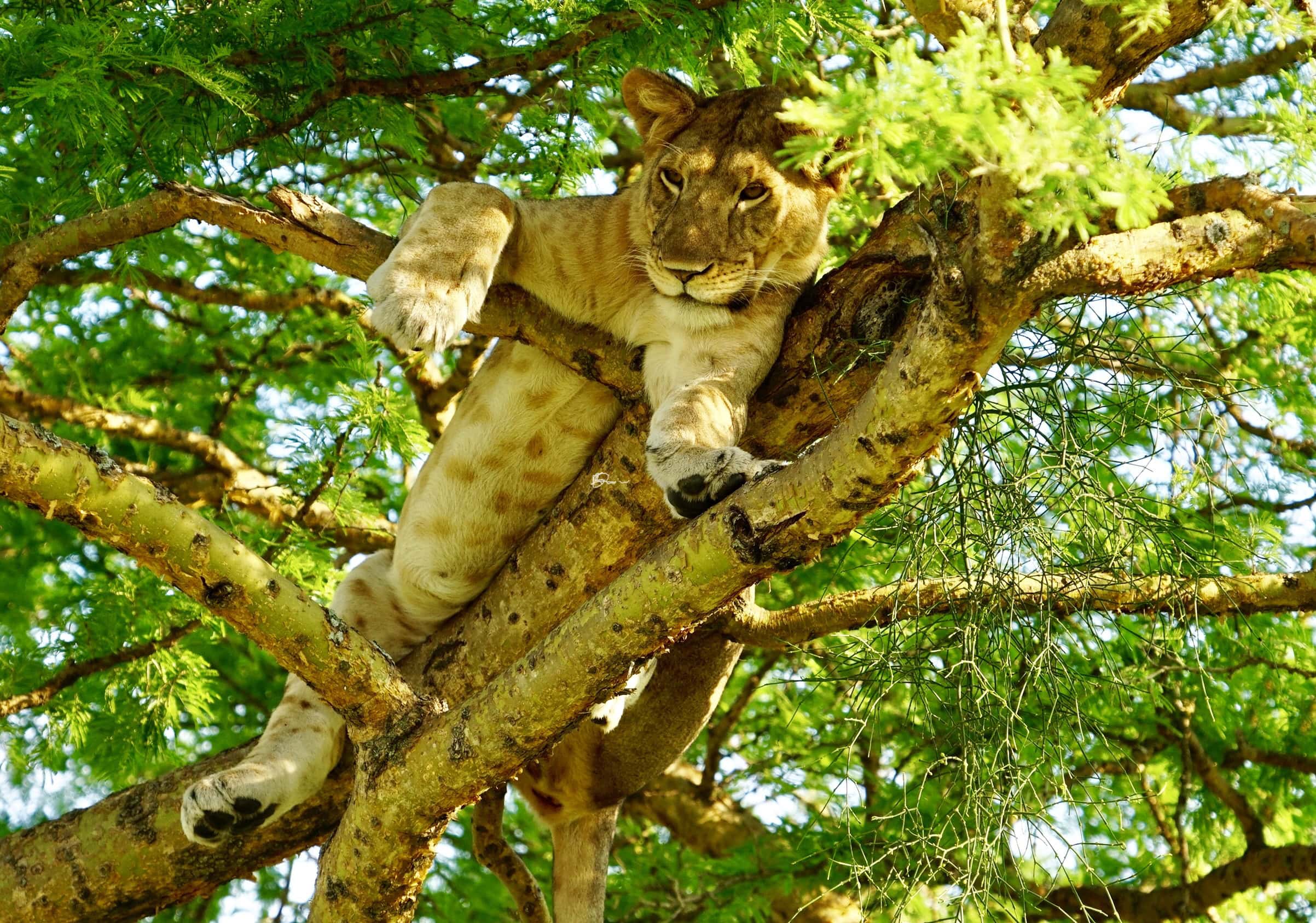
How Sustainable Travel Strengthens the Future of African Safaris
Sustainable and responsible safari travel tips provide travelers with clear steps that protect wildlife, support communities, and enrich Safari Holidays. Every traveler influences Africa’s landscapes through small, steady choices. Families who follow these guidelines create stronger bonds during Family Trips, Family Tours, and Family-Friendly Safaris. Responsible choices protect national parks, empower communities, and preserve cultural heritage. Travelers enjoy Wildlife Safaris, Walking Tours, Game Drives, and luxury safaris with greater purpose and respect. Sustainable travel keeps Africa’s wild spaces alive for future generations. Lavish Safaris Uganda invites travelers to embrace responsible habits and experience meaningful Safaris that protect nature. These habits transform each journey into a positive force for conservation and community support. Through these values, the future of African tourism continues to shine