

The Ultimate Guide to Wildlife, Nature and Adventure
Tanzania Safari: The Ultimate Guide to Wildlife, Nature and Adventure. A Tanzania safari is one of Africa’s most unforgettable travel experiences. From the endless plains of the Serengeti to the wildlife-filled Ngorongoro Crater, Tanzania offers incredible opportunities to see some of Africa’s most iconic animals in their natural habitats.
Tanzania is especially famous for the Great Wildebeest Migration, spectacular elephant herds, the Big Five, dramatic landscapes, fascinating cultures, and the opportunity to combine a wildlife safari with a beach holiday in Zanzibar.
Whether you are planning a romantic honeymoon, a family holiday, a luxury African safari, or an adventurous wildlife expedition, Tanzania offers a wide range of experiences to suit different travel styles and budgets.
Tanzania has an extensive protected-area network, including national parks, conservation areas, game reserves and wildlife management areas.
Why Choose a Tanzania Safari?
Tanzania stands out as one of Africa’s premier safari destinations because of the remarkable variety of wildlife and landscapes found across the country.
A safari here can take you from open grasslands and acacia-dotted plains to volcanic landscapes, forests, wetlands and tropical beaches.
Some of the main reasons travelers choose Tanzania include:
- The Great Wildebeest Migration
- Excellent Big Five viewing
- Serengeti National Park
- Ngorongoro Crater
- Tarangire National Park
- Mount Kilimanjaro
- Lake Manyara
- Nyerere National Park
- Ruaha National Park
- Authentic cultural experiences
- Luxury safari lodges and tented camps
- Zanzibar beach extensions
- Family, honeymoon and private safari options
The combination of wildlife, scenery, culture and beaches makes Tanzania suitable for both first-time African travelers and experienced safari enthusiasts.
Serengeti National Park
No Tanzania safari is complete without considering Serengeti National Park.
The Serengeti is famous throughout the world for its enormous open plains and the Great Wildebeest Migration. TANAPA describes the park as home to more than 1.5 million wildebeest, alongside zebras and numerous predators.
The Great Wildebeest Migration
The Great Migration is one of the world’s most spectacular wildlife events.
Large herds of wildebeest, accompanied by zebras and other grazing animals, move through the Serengeti ecosystem in search of fresh pasture and water. The movement is continuous rather than a single event occurring on one particular day.
Different parts of the Serengeti can offer different migration experiences depending on the season.
January and February are particularly associated with the calving season in the southern Serengeti, while June and July can provide excellent opportunities to witness migration activity.

Wildlife in Serengeti
Serengeti is an excellent destination for viewing:
- Lions
- Leopards
- Cheetahs
- Elephants
- Buffaloes
- Rhinos
- Giraffes
- Zebras
- Wildebeest
- Hippos
- Hyenas
- Gazelles
- Numerous bird species
The park is also recognized for its exceptional birdlife, with more than 500 recorded bird species.
Ngorongoro Crater
Another highlight of a Tanzania safari is the Ngorongoro Crater, located within the Ngorongoro Conservation Area.
The crater is a spectacular volcanic landscape with a large concentration of wildlife. The Ngorongoro Conservation Area is also recognized for its combination of wildlife, dramatic scenery, archaeological importance and human history.
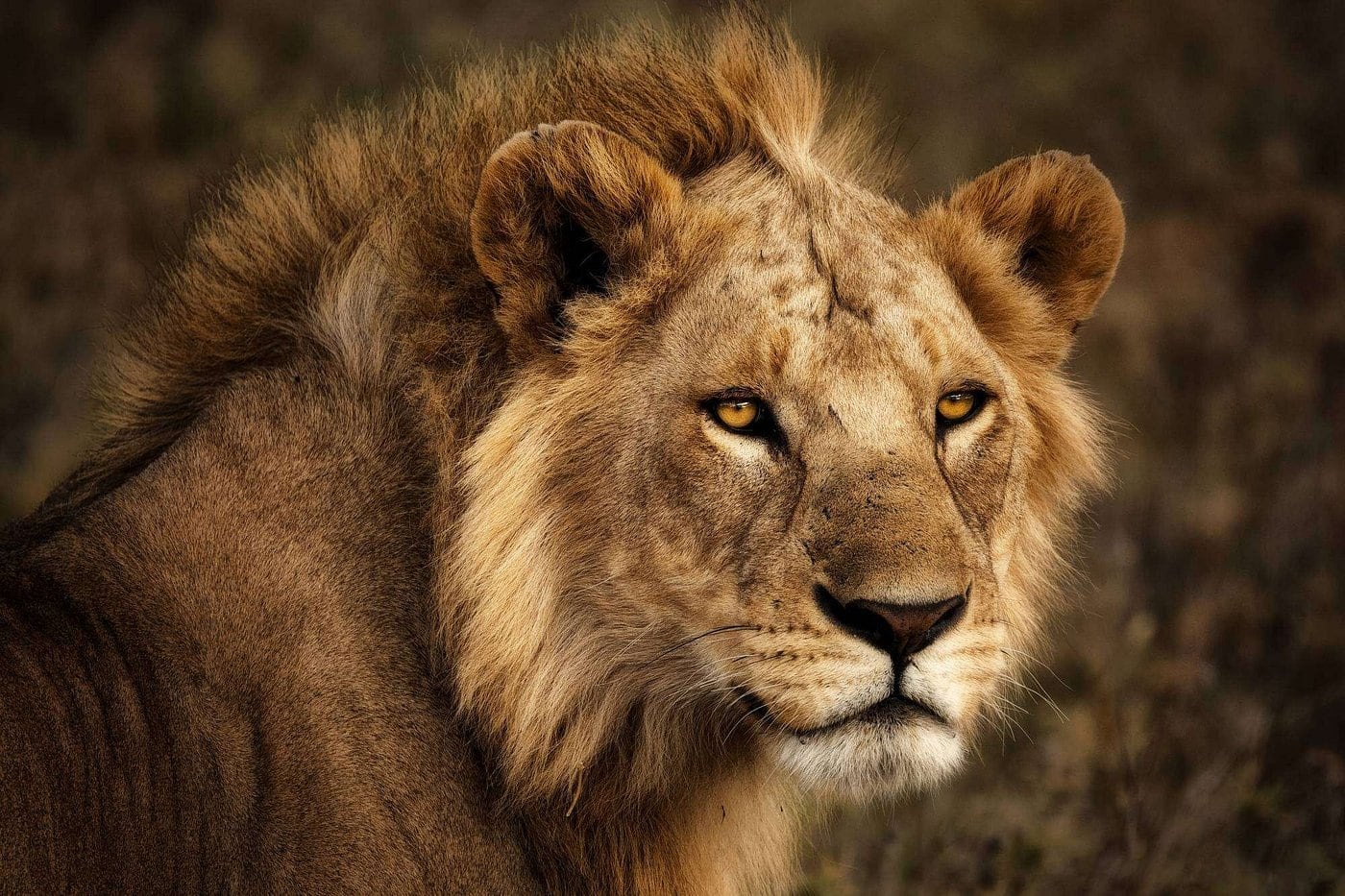
A game drive into the crater can provide opportunities to see lions, elephants, buffaloes, rhinos, hippos and other wildlife.
The crater is particularly attractive to travelers who want to experience diverse wildlife within a relatively concentrated area.
Beyond wildlife, the wider Ngorongoro Conservation Area offers opportunities to learn about local communities, landscapes and the long human history of the region.
Tarangire National Park
Tarangire National Park is an excellent addition to a northern Tanzania safari.
The park is particularly famous for elephants and its distinctive baobab landscapes. During the dry season, wildlife gathers around the Tarangire River and other sources of water, creating excellent game-viewing opportunities.
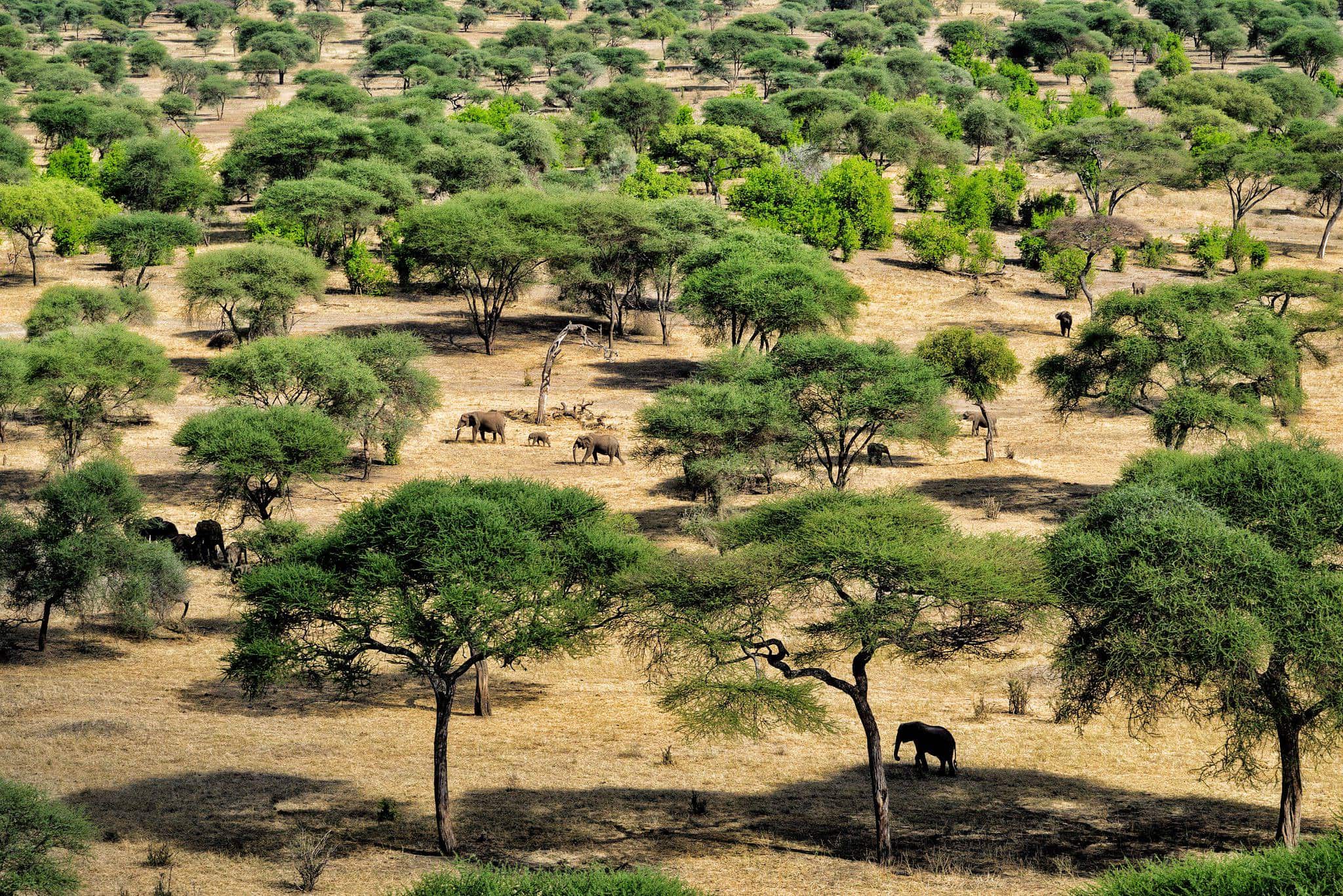
Visitors may encounter:
- Large elephant herds
- Lions
- Leopards
- Giraffes
- Zebras
- Wildebeest
- Buffaloes
- Antelopes
- Birds
- Beautiful baobab trees

Tarangire can be particularly rewarding during the dry season when wildlife becomes concentrated around water sources.
Lake Manyara National Park
Lake Manyara National Park is another popular destination on Tanzania’s northern safari circuit.
The park combines woodland, grassland, wetlands and the alkaline waters of Lake Manyara. It is known for its birdlife and diverse landscapes.
A safari in Lake Manyara can offer opportunities to see elephants, giraffes, buffaloes, zebras, monkeys, hippos and numerous bird species.
The park is also traditionally associated with tree-climbing lions, making it an interesting stop for travelers exploring northern Tanzania.
Mount Kilimanjaro
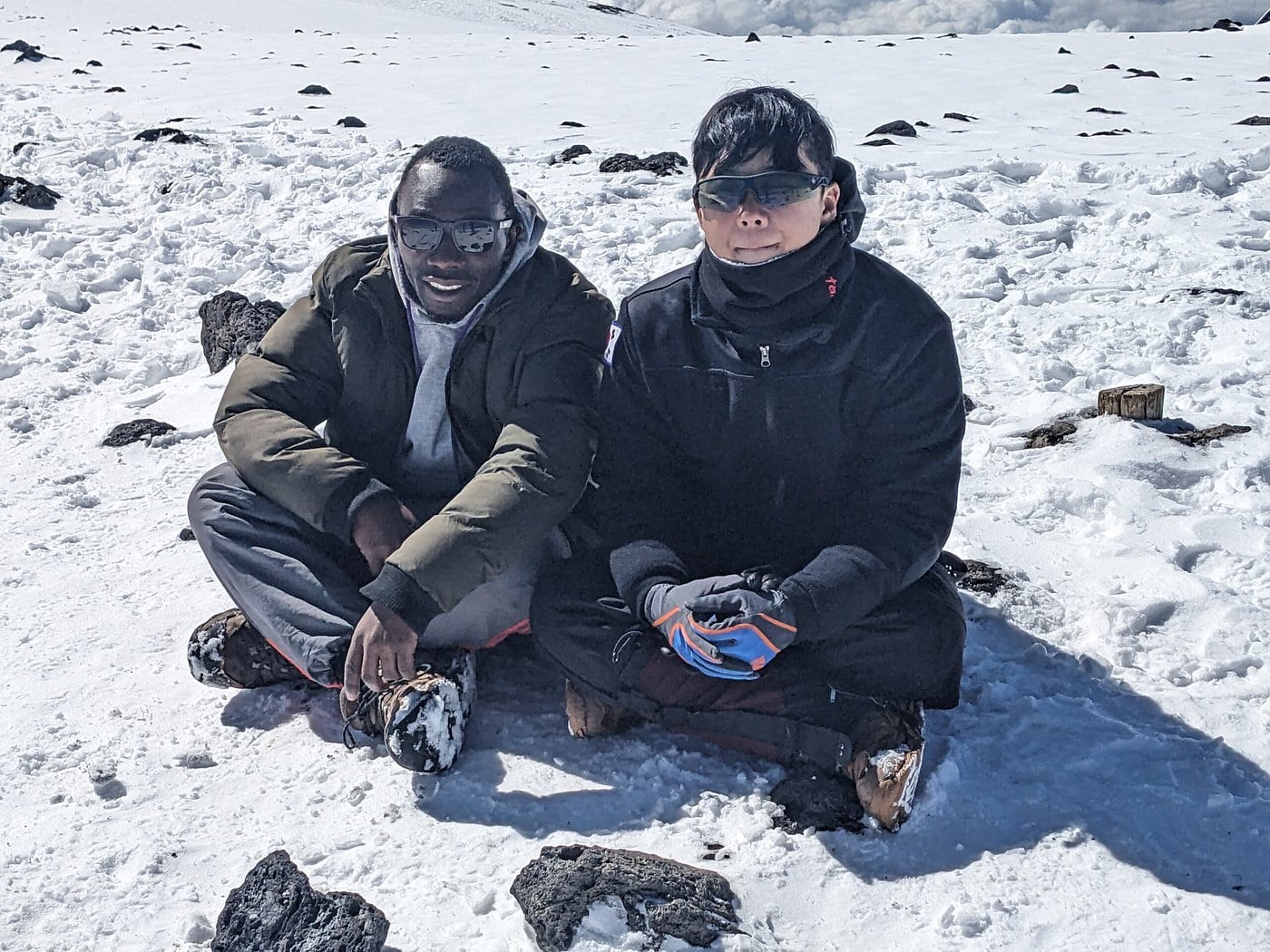
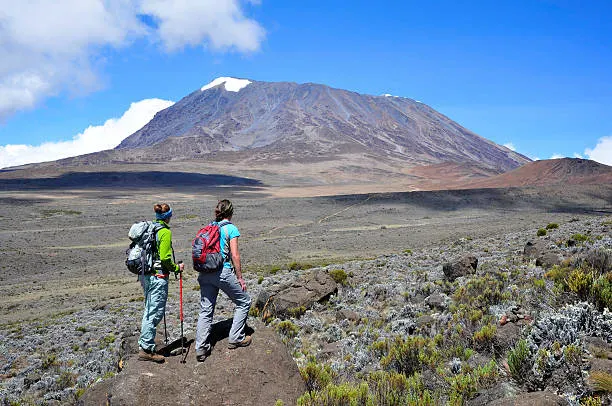
Tanzania is not only about wildlife. It is also home to Mount Kilimanjaro, Africa’s highest mountain.
At 5,895 metres, Mount Kilimanjaro is one of the continent’s most famous natural landmarks.
For adventurous travelers, combining a Tanzania safari with a Kilimanjaro trek creates an exciting African holiday.
You can spend several days exploring the mountain before continuing to the northern safari circuit for wildlife viewing.
Nyerere National Park
For travelers looking beyond the popular northern circuit, Nyerere National Park offers a different safari experience.
The park is part of Tanzania’s southern safari circuit and is known for its extensive wilderness, rivers and varied wildlife habitats.
It can be particularly attractive to travelers seeking a quieter safari environment away from some of the busier areas of the northern circuit.
Nyerere can also be combined with other southern Tanzania destinations for a longer wildlife adventure.
Ruaha National Park
Ruaha National Park is another outstanding destination for travelers looking for a more remote Tanzania safari.
The park is famous for its large landscapes and wildlife diversity, including elephants, lions, giraffes, buffaloes and numerous antelope species.
Ruaha is particularly appealing to adventurous travelers who want to experience a less-developed and more secluded side of Tanzania.
Tanzania Safari Activities
A Tanzania safari is more than simply driving through a national park.
Depending on the destination and conservation regulations, travelers can enjoy a variety of experiences.
Game Drives
Game drives are the most popular safari activity.
With an experienced guide, visitors explore wildlife areas in specially designed safari vehicles while looking for animals and learning about their behavior, habitats and conservation.
Hot-Air Balloon Safaris
A hot-air balloon safari provides a completely different perspective of the African landscape.
Floating above the plains around sunrise can offer spectacular views of wildlife and the Serengeti landscape. Balloon safaris are among the experiences offered in Serengeti.
Walking Safaris
Walking allows visitors to experience the African bush from a different perspective.
Instead of concentrating only on large animals, walking safaris can reveal smaller details such as tracks, insects, plants, birds and animal signs.
Cultural Experiences
Tanzania is home to diverse communities with rich cultural traditions.
A safari can sometimes be combined with a cultural experience where travelers learn about local lifestyles, traditional practices, crafts, food and community conservation initiatives.
Bush Dining
For a special occasion, travelers can enjoy a meal in a carefully arranged bush setting.
A bush breakfast or dinner can transform an ordinary safari day into a memorable experience.
Best Time for a Tanzania Safari
Tanzania can be visited throughout much of the year, but the best time depends on what you want to experience.
June to October
The dry season from June to October is widely considered one of the best periods for wildlife viewing.
During these months, vegetation is generally less dense and animals often gather around available water sources.
The period is also popular for migration experiences in the Serengeti.
January to February
January and February can be excellent for experiencing the wildebeest calving season in the southern Serengeti.
The abundance of young animals can also attract predators, creating interesting opportunities for wildlife photography and observation.
March to May
March to May is part of the main rainy season.
The landscapes can become beautifully green, and some travelers prefer this period because of fewer visitors and potentially lower accommodation rates.
However, travelers should expect wetter conditions, and some safari roads and accommodation options may be affected by heavy rainfall.
Tanzania Safari Accommodation
Tanzania offers accommodation for different travel styles and budgets.
You can choose from:
- Luxury safari lodges
- Permanent tented camps
- Mobile tented camps
- Mid-range lodges
- Budget campsites
- Private safari camps
Luxury travelers can choose exclusive lodges and tented camps with spacious rooms, private dining and personalized services.
Travelers on a tighter budget can choose comfortable mid-range accommodation and camping options.
The best accommodation depends on your itinerary, preferred safari circuit, budget and travel dates.
Tanzania Safari and Zanzibar Beach Holiday
One of the best ways to extend a Tanzania safari is with a beach holiday in Zanzibar.
After several days of game drives, you can fly to Zanzibar and relax on tropical beaches, explore Stone Town, enjoy a boat trip or experience the island’s rich cultural heritage.
A popular combination is:
Safari + Zanzibar
For example:
Arusha → Tarangire → Ngorongoro → Serengeti → Zanzibar
This itinerary combines wildlife, landscapes, culture and tropical beaches in one memorable East African holiday.
How Long Should a Tanzania Safari Be?
The ideal safari duration depends on your interests and budget.
3-Day Tanzania Safari
A short safari can focus on destinations such as Tarangire, Ngorongoro or Lake Manyara.
5-Day Tanzania Safari
Five days allow travelers to combine several northern Tanzania destinations and enjoy a more relaxed wildlife experience.
7-Day Tanzania Safari
Seven days provide enough time to explore destinations such as Tarangire, Ngorongoro and Serengeti without rushing between parks.
10-Day Tanzania Safari
A 10-day safari allows travelers to explore more extensively and can include additional destinations or a combination of wildlife and cultural experiences.
Tanzania Safari and Zanzibar
For travelers with more time, a 10- to 14-day holiday can combine a northern Tanzania safari with several days on Zanzibar.
What to Pack for a Tanzania Safari
Packing appropriately makes your safari more comfortable.
Recommended items include:
- Lightweight, comfortable clothing
- A warm jacket for early-morning game drives
- Comfortable walking shoes
- Sun hat
- Sunglasses
- Sunscreen
- Insect repellent
- Binoculars
- Camera and spare batteries
- Personal toiletries
- Reusable water bottle
- Small daypack
- Any required personal medication
- Neutral-colored clothing
Early mornings can be cool, particularly during the dry season, so carrying a warm layer is useful.
Responsible Tourism on a Tanzania Safari
Responsible tourism is important for protecting Tanzania’s wildlife and natural landscapes.
Visitors should follow their guide’s instructions, maintain a safe distance from animals, avoid littering and respect local communities and cultural traditions.
Choosing responsible safari operators and accommodation providers can also help support conservation and communities.
Wildlife tourism contributes to the management and protection of Tanzania’s protected areas, making responsible travel an important part of the safari experience.
Planning Your Tanzania Safari
When planning your safari, consider the following:
1. Choose Your Safari Circuit
The northern circuit is ideal for first-time visitors who want destinations such as Serengeti, Ngorongoro and Tarangire.
The southern and western circuits are attractive for travelers looking for more remote experiences.
2. Choose the Right Season
Your travel dates should depend on whether your priority is the Great Migration, calving season, general wildlife viewing, birding or quieter parks.
3. Select Your Accommodation
Choose accommodation according to your budget, preferred comfort level and location.
4. Decide on a Private or Group Safari
Private safaris offer greater flexibility, while shared safaris can be a more economical option.
5. Add Extra Experiences
You can make your trip more memorable by adding cultural visits, walking experiences, balloon safaris, Kilimanjaro trekking or a Zanzibar beach extension.
Why Tanzania Is Perfect for an African Safari
Tanzania brings together many of the experiences travelers dream about when planning an African adventure.
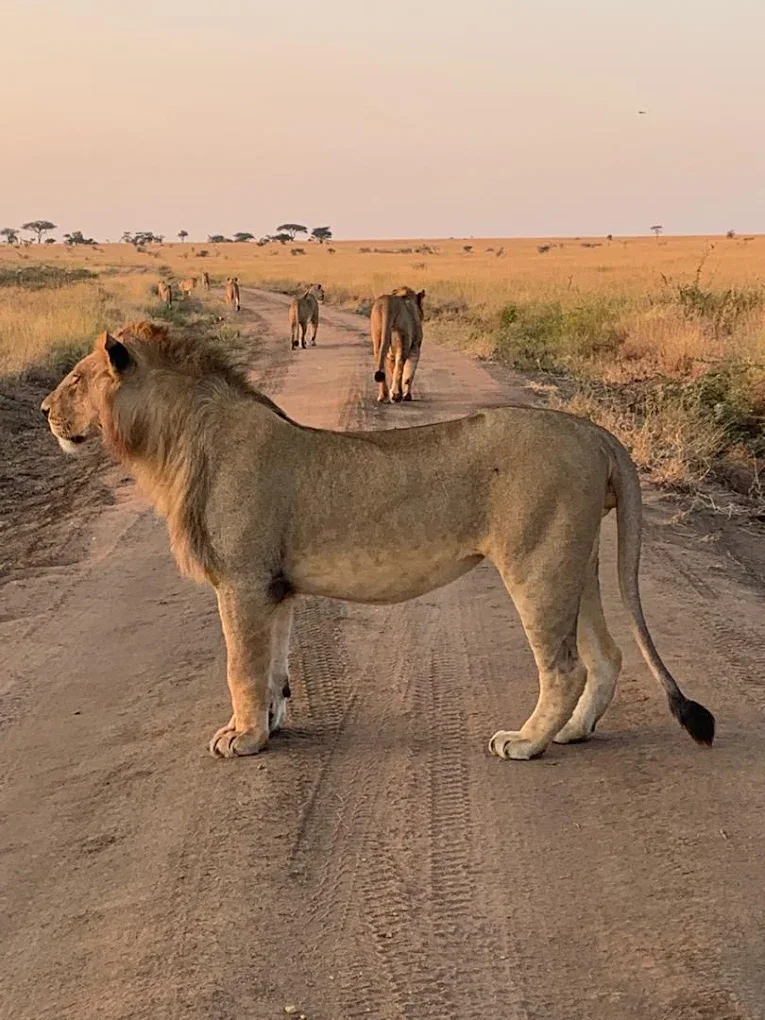
You can watch lions crossing the Serengeti plains, witness enormous herds of wildebeest, explore the Ngorongoro Crater, observe elephants beneath ancient baobabs in Tarangire, admire Mount Kilimanjaro and finish your journey relaxing on Zanzibar’s beaches.
The country’s protected areas offer a remarkable range of landscapes and wildlife experiences, from the famous northern circuit to the more remote southern and western regions.
Conclusion
A Tanzania safari is more than a wildlife holiday. It is an opportunity to experience some of Africa’s most extraordinary landscapes, animals, cultures and natural wonders.
From the spectacular Serengeti Great Migration and wildlife-rich Ngorongoro Crater to the elephant-filled plains of Tarangire, Tanzania offers unforgettable safari experiences throughout the year.
For travelers seeking the ultimate East African adventure, Tanzania can also be combined with Mount Kilimanjaro, cultural experiences and a relaxing Zanzibar beach holiday.
Whether you are planning a short wildlife escape or a luxury multi-country African adventure, Tanzania offers the flexibility, scenery and wildlife to create an unforgettable journey.


