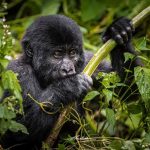

A Practical Guide to Filming and Photography. On a single trip through Uganda, you can photograph a gorilla’s face in dripping rainforest, film elephants crossing a golden plain, shoot rafters hurtling down the Nile, and catch a shoebill stork standing motionless in a papyrus swamp. Few countries offer this much variety within such short distances.
This guide is organized around what you want to capture, so you can match your project to the right places, seasons, and skills.
Why Uganda Works So Well for Creators
- Variety within reach. Rainforest, savanna, mountains, lakes, rivers, and cities are all linked by a few days of driving.
- Less crowded than famous destinations. Many locations feel wild and unhurried, which means cleaner frames.
- Strong human stories. Markets, fishing villages, music, farming, and daily life give documentary makers plenty to work with.
- Practical for visitors. English is widely spoken, and local operators can arrange vehicles, guides, and access.
Choose Your Subject
1. Primates: Gorillas and Chimpanzees
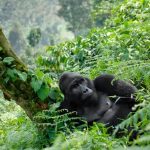
Where: Bwindi Impenetrable and Mgahinga (gorillas), Kibale Forest (chimpanzees).
What to expect: Dim light, dense foliage, steep and slippery trails, and limited time with the animals (usually around an hour with gorillas). Flash is not allowed.
How to prepare:
- Use a camera that handles high ISO well
- Bring a fast lens, such as a 70-200mm f/2.8 or a bright zoom
- Pack a lens cloth and rain cover, because the forest is humid
- Travel light, and consider a porter to carry your bag
- Shoot in bursts when the animals move, since behavior changes quickly
2. Savanna Wildlife
Where: Murchison Falls, Queen Elizabeth, Kidepo Valley, and Lake Mburo.
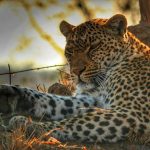
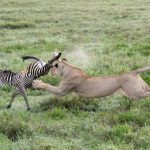
What to expect: Elephants, giraffes, buffalo, lions, hippos, antelope, and plenty of birds. Much of the work happens from a pop-up roof safari vehicle.
How to prepare:
- Bring a long telephoto lens (400mm or longer is ideal)
- Use a bean bag on the window frame for stability
- Ask your driver to turn off the engine when you shoot
- Book a private vehicle so you control the timing
3. Birds
Uganda has more than 1,000 bird species. Mabamba Swamp is famous for the shoebill, while forests and wetlands across the country offer turacos, kingfishers, bee-eaters, and more.
Tips:
- Hire a local bird guide, who can find species by sound
- Use a fast shutter speed (at least 1/1000s for birds in flight)
- Arrive early, since birds are most active at dawn
- Be patient and quiet near nests
4. Landscapes
Where: Rwenzori Mountains, Lake Bunyonyi, Sipi Falls, Murchison Falls, the Virunga volcanoes, and the Nile at Jinja.
Tips:
- Shoot at sunrise and sunset for warm, directional light
- Use a tripod and a low ISO for maximum detail
- Add foreground elements, such as palms, canoes, or terraces, for depth
- Watch the weather, because moody clouds can improve a scene
5. People and Culture
Where: Kampala markets, fishing villages on Lake Victoria, rural farming areas, and cultural experiences near the national parks.
Tips:
- Greet people first and build rapport before raising the camera
- Ask permission, and accept a “no” gracefully
- Offer to show them the photo
- Be especially careful with children, and get consent from a parent or guardian
- Use a 35mm or 50mm lens to stay close and personal
6. Adventure and Action
Where: Jinja for white-water rafting, kayaking, and quad biking; Sipi Falls for hiking; the Rwenzoris for trekking.
Tips:
- Use a waterproof action camera for rafting and kayaking
- Shoot at 60 fps or higher for slow-motion options
- Use dry bags and waterproof cases for the rest of your gear
- Position yourself ahead of the group where it is safe to do so
When to Go: A Seasonal Planner – A Practical Guide to Filming and Photography
| Period | Conditions | Creative advantages |
|---|---|---|
| December to February | Dry and warm | Clear skies, easier roads, active wildlife |
| March to May | Heavy rain | Lush green scenery, dramatic skies, few tourists |
| June to September | Dry | Best trekking and game viewing, but busiest period |
| October to November | Showers return | Green landscapes, migratory birds, quieter parks |
A useful rule: Dry months are easier and give better wildlife access. Wet months give you more atmosphere and fewer people in your frame. Both can produce excellent work if you plan around the conditions.
Understanding Light in Uganda – A Practical Guide to Filming and Photography
Because Uganda sits on the equator, the sun rises and sets quickly and the midday light is hard and overhead.
- Golden hours (roughly 6:00 to 8:30 a.m. and 4:30 to 6:30 p.m.) are your prime shooting windows
- Midday is better for travel, rest, equipment checks, or shooting in shade and forest
- Overcast days are excellent for portraits, forests, and waterfalls because the light is soft
- Dusty dry-season air can create beautiful glowing backlight in the evening
Permits, Rules, and Paperwork – A Practical Guide to Filming and Photography
Do this early, because approvals can take time.
- Commercial and professional filming (documentaries, ads, broadcasts, paid productions) generally requires permits. In national parks, this typically involves the Uganda Wildlife Authority (UWA). Other authorities may be involved depending on your project.
- Personal photography with ordinary tourist equipment is normally fine in most places.
- Drones are tightly regulated. National parks often prohibit them, and flying generally requires prior authorization. Do not fly without confirming current rules in writing.
- Sensitive locations such as military sites, government buildings, and airports should not be photographed without permission.
- Professional equipment may need to be declared at entry. Check current customs rules before you travel.
- Keep copies of permits, equipment lists, and identification with you.
Rules, fees, and procedures change, so verify them with official sources or an experienced local operator before you travel.
Building Your Kit – A Practical Guide to Filming and Photography
Cameras and Lenses
- A reliable camera body (and a backup if the project matters)
- 24-70mm for general use
- 70-200mm for flexible telephoto work
- 400mm or longer for wildlife
- A wide-angle lens for landscapes and interiors
- A fast prime (35mm or 50mm) for people and low light
Stability
- Bean bag for vehicles
- Lightweight tripod
- Monopod
- Gimbal for smooth video
Audio
- Shotgun microphone with a windshield
- Lavalier microphones for interviews
- Headphones and a portable recorder
Power and Storage
- Multiple batteries
- Vehicle charger or inverter and a power bank
- Several memory cards
- Portable SSD for nightly backups
Protection
- Rain covers
- Dust covers
- Silica gel packs
- Lens hoods and cleaning kits
- A padded, weather-resistant bag
Practical note: Power can be unreliable outside towns. Charge everything whenever you have access to electricity.
Field Techniques That Work – A Practical Guide to Filming and Photography
Tell stories, not just snapshots. For any subject, collect a wide establishing frame, a medium frame, a close detail, and a few cutaways.
Shoot in layers. Foreground, subject, and background add depth to both photos and video.
Slow down. The best images often come after the first fifteen minutes, when your subject relaxes and you stop rushing.
Capture sound. For video, ambient audio such as birdsong, rain, markets, and river noise makes scenes feel real.
Use the right settings.
- Wildlife: fast shutter, continuous autofocus, eye detection if available
- Landscapes: low ISO, tripod, small aperture
- Low light forest: wide aperture, higher ISO, stabilization
- Video: consistent frame rate and a flat or log profile if you plan to grade
Review as you go. A quick check helps you catch focus problems, blown highlights, or missing coverage while there is still time to fix them.
Ethics: Shooting With Respect – A Practical Guide to Filming and Photography
Good work is respectful work.
Wildlife
- Keep a safe distance
- Never bait, call, or lure animals
- Stay in the vehicle where required
- No flash, especially with primates and at night
- Follow your guide’s instructions
People and communities
- Always ask first
- Do not stage scenes that misrepresent people
- Support local guides, fixers, and businesses
- Share photos with the people you photograph where possible
- Avoid publishing identifiable images of children without proper consent
Storytelling
- Show the full picture of the country, including modern cities, young entrepreneurs, farmers, musicians, and conservationists, not just a single stereotype
Environment
- Take no litter into wild places
- Avoid single-use plastic
- Stay on marked trails and tracks
Safety and Logistics
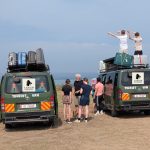
- Local guide or driver: Essential for parks, remote areas, and long distances
- Insurance: Cover people, equipment, and medical evacuation
- Health: Confirm vaccine requirements (including yellow fever) and ask a doctor about malaria prevention
- Gear security: Keep equipment out of sight in busy areas, and use hotel or lodge safes when possible
- Roads: Build in buffer time, because travel often takes longer than maps suggest
- Connectivity: Signal is good in towns and unreliable in parks, so download maps and files in advance
- Entry rules: Check visa and health requirements well before departure
Sample Plans
5 Days: Wildlife Highlights
- Day 1: Travel to Murchison Falls
- Day 2: Sunrise game drive and Nile boat cruise
- Day 3: Travel to Kibale Forest
- Day 4: Chimpanzee tracking
- Day 5: Return
8 Days: Gorillas and Landscapes
- Days 1 to 2: Queen Elizabeth (game drive, Kazinga Channel cruise)
- Day 3: Drive via Ishasha to Bwindi
- Day 4: Gorilla trekking
- Days 5 to 6: Lake Bunyonyi for landscapes and community life
- Days 7 to 8: Return, with Lake Mburo en route
6 Days: Culture and Adventure
- Day 1: Kampala markets and street scenes
- Days 2 to 4: Jinja (Nile sunrise, rafting, village life)
- Day 5: Mabamba Swamp for the shoebill
- Day 6: Entebbe and departure
Add a rest or buffer day whenever possible. Creative work needs breathing room.
Post-Production Workflow
- Back up nightly to two separate drives
- Organize files by date and location
- Cull early to avoid mountains of unused footage
- Shoot RAW for photos
- Label audio files clearly
- Keep release forms for any identifiable people in commercial work
Frequently Asked Questions
Do tourists need permits for photography?
Personal photography is generally allowed. Commercial or professional filming typically requires permits.
Can I fly a drone?
Only with proper authorization, and many protected areas do not allow it.
What’s the best lens for wildlife?
A telephoto of 400mm or longer, plus a stabilizing bean bag.
Is it safe to carry expensive gear?
Yes, with common sense: stay discreet, use secure storage, and travel with reliable local guides.
Can I photograph people freely?
Ask first, respect a “no,” and be extra careful with children.
How many days do I need for good wildlife results?
At least three or four days in a key park, because patience matters more than gear.
Should I hire a fixer?
For commercial, documentary, or multi-location projects, it’s strongly recommended.
Final Thoughts – A Practical Guide to Filming and Photography
Lavish Safaris Uganda. Uganda rewards creators who prepare well and stay curious. Match your subjects to the right locations, respect the rules and the people you meet, pack for dust, damp, and low light, and give yourself time. The best images rarely come on day one. They arrive after you have settled into a place and learned to see it.