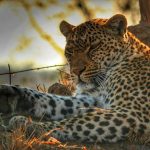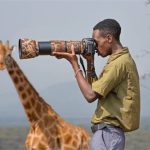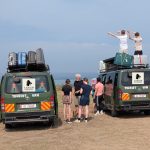

Chasing Lions on Camera. The alarm goes off at 5:15 a.m. It’s still dark, and the air smells of wet earth and woodsmoke. You grab your camera bag, a flask of coffee, and a packed breakfast, then climb into a safari vehicle with the roof already popped. Somewhere out on the northern plains, a pride of lions is stirring.
This is what filming in Murchison Falls looks like. This guide follows that rhythm, from planning to the final edit, so you know what to expect and how to make the most of every hour.
Why Murchison Falls Is a Filmmaker’s Park
Uganda’s largest national park gives you an unusual mix of qualities:
- Open savanna north of the Nile, with long sightlines and room to frame wide shots
- Layered scenery: borassus palms, acacia, river channels, and big skies
- Quieter sightings, so you are not competing with a line of vehicles
- Rich supporting characters: elephants, giraffes, buffalo, hippos, crocodiles, and abundant birdlife
- The Nile and the falls, which add scale and a strong sense of place
A note on expectations: lions here live at lower densities than in some more famous parks. You can see them, and many visitors do, but it takes time, local knowledge, and luck. Treat lions as the goal of your trip, not a promise.
Know the Park Before You Go – Chasing Lions on Camera
The Victoria Nile divides the park in two.
North bank (your main filming zone). The Delta area and the Buligi tracks are open grassland where prey species such as Uganda kob, buffalo, and hartebeest gather. This is where lions are most often found. You cross by ferry or bridge from the Paraa area, depending on current arrangements, so confirm crossing times and build them into your schedule.
South bank. Thicker vegetation, forest, and the Budongo area nearby make this side better for chimpanzees and birds than for lions.
Choosing Your Season
| Season | Months | For filmmakers |
|---|---|---|
| Dry | Dec to Feb, Jun to Sep | Shorter grass, animals near water, easier tracks. Best for sightings. |
| Wet | Mar to May, Oct to Nov | Tall grass can hide animals and tracks get muddy, but skies are dramatic and the park is green and quiet. |
If your priority is lion behavior, go in the dry season. If your priority is mood and landscape, the wet season has real appeal, as long as you accept fewer sightings.
Permits and Paperwork – Chasing Lions on Camera
Handle this early, since approvals can take time.
- Commercial or professional filming (documentary, advertising, broadcast, paid content) generally requires permission from the Uganda Wildlife Authority (UWA). Fees and conditions vary by project.
- Personal filming on a tourist camera is usually allowed, but confirm the current rules.
- Drones are tightly restricted in national parks and often not permitted. Do not fly without written authorization.
- Carry copies of permits, equipment lists, and passports during your trip.
An experienced local tour operator can guide you through the process and arrange a suitable vehicle and driver.
A Day in the Field – Chasing Lions on Camera
5:30 a.m. — Leave Before the Light
Early starts are non-negotiable. Predators are most visible and active in the cool hours, and the light is at its softest. Drive toward the last known lion area, scanning the grass for shapes and ears.
6:30 a.m. — Golden Hour Search
As the sun rises, the plains glow. Even before you find lions, film the scene: kob silhouetted on a ridge, mist over the grass, a giraffe crossing a track. These shots become your opening sequence.
8:30 a.m. — The Sighting
When you find lions, stop at a respectful distance and ask your driver to switch off the engine. Then settle in:
- Start with a wide shot to show the environment
- Move to medium shots of behavior
- Add close-ups only when the lion is relaxed and you are not pressuring it
- Keep recording during quiet moments, since the best action starts without warning
11:00 a.m. — The Midday Pause
Lions usually rest through the heat. So should you. Return to camp, back up your cards, charge batteries, clean lenses, and review your footage. This is also a good time for interviews, B-roll of the lodge, or detail shots of your gear.
4:00 p.m. — Second Window
As temperatures fall, lions often stretch, groom, and start to move. This is your second chance for active behavior and warm side light.
Sunset — The Final Shots
Finish with silhouettes, landscapes, and any last behavior. Be back at camp before park gate rules require, and confirm those times with your guide.
Building Your Kit – Chasing Lions on Camera
You do not need an enormous setup, but you do need the right pieces.
Lenses
- Telephoto, 400mm or longer, for distance and compression
- 70-200mm or 100-400mm zoom for flexible framing
- Wide-angle lens for landscapes and context
Support
- Bean bag on the window frame or roof, which is the most practical option in a safari vehicle
- Monopod or gimbal for handheld work
- Tripod for use at camp
Audio
- Directional microphone with a wind cover
- Headphones
- A recorder for ambient sound
Power and storage
- Spare batteries and a vehicle charger or inverter
- Several memory cards
- A portable hard drive, with footage backed up every night
Protection
- Dust covers and cloths for the dry season
- Rain covers for the wet season
- Silica gel packs for humidity
Packing tip: keep your gear organized and within reach. Lions can move quickly, and fumbling for a lens can cost you the shot.
Techniques That Make the Difference
Film in sequences. One long clip is rarely useful. Gather establishing, medium, close, and cutaway shots, so your edit has variety.
Use frame rates deliberately. Shoot standard speed for general footage and higher frame rates for slow motion when lions walk, yawn, or turn their heads.
Expose for the face. Backlit manes look beautiful, but make sure the eyes and face keep detail.
Read the body language. A raised head, fixed gaze, twitching ears, or tail movement often signals action. Be ready before it happens.
Capture sound. Record roars, grunts, birds, and wind. Strong audio makes ordinary footage feel alive.
Stay patient. Many sightings are long stretches of rest followed by seconds of drama. Patience is the real skill in wildlife filmmaking.
Ethics: Film Without Disturbing
Good footage is never worth stressing an animal.
- Maintain a safe, respectful distance
- Never bait, call, or lure lions
- Stay inside the vehicle at all lion sightings
- Keep voices low and movements slow
- Do not use flash or spotlights
- Do not block animals’ paths or crowd them
- Give mothers and cubs extra space
- Stay on tracks and obey park rules
- Listen to your guide
A simple test: if the animal changes its behavior because of you, back off.
Safety Essentials
- Hire an experienced driver-guide
- Keep body parts and equipment inside the vehicle
- Carry water, sun protection, and a first aid kit
- Ask a doctor or travel clinic about malaria prevention and vaccinations
- Check current travel advice and entry requirements before you go
Where to Stay – Chasing Lions on Camera
Base yourself near the Paraa area or on the north bank, so you can reach the Buligi tracks and Delta quickly in the best light. Compare lodges and camps on:
- Distance to the filming area
- Reliable electricity for charging
- Early breakfast or packed meals
- Secure storage for gear
- Budget and comfort level
Book early in the dry season, since lodges fill quickly.
Suggested Schedule
| Day | Focus |
|---|---|
| Day 1 | Arrive, settle in, short scouting drive |
| Day 2 | Full day on the northern tracks, with sunrise and sunset drives |
| Day 3 | Return to the best lion area, then film the Nile and falls |
| Day 4 | Final sunrise drive for missing shots, then depart |
Four days is a strong minimum if lions are your priority. Extra days improve your odds more than extra gear ever will.
Add Other Stories to Your Film
Lions are the headline, but the best films have supporting chapters:
- Nile boat cruise for hippos, crocodiles, elephants, and birds
- Top of the falls for dramatic scenery
- Budongo Forest for chimpanzees
- Ziwa Rhino Sanctuary on the way north
- Giraffes and elephants on the northern plains
Frequently Asked Questions
Are lions easy to find here?
They can be seen, but they are not guaranteed. Local guide knowledge and early starts make a large difference.
What lens should I bring?
A 400mm or longer telephoto, plus a bean bag.
Do I need a permit?
For commercial or professional projects, usually yes. Confirm with UWA well before you travel.
Can I use a drone?
Typically not without special written authorization.
Can I film at night?
This depends on park rules and available guided night drives, so ask your operator.
Is a private vehicle worth it?
Yes. It lets you stay as long as you need and control positioning.
Final Thoughts – Chasing Lions on Camera
Lavish Safaris Uganda. Filming lions in Murchison Falls is a slow, rewarding craft. You rise before dawn, wait through long quiet hours, and then, for a few minutes, the scene comes together: light, landscape, and a lion doing exactly what lions do. Prepare your permits, pack smart, hire a guide who understands your goals, and give the park enough days to reveal itself.