

A Complete Guide to Gorilla Trekking in Bwindi Impenetrable National Park
Discover the Beauty of Buhoma Gorilla Sector
Buhoma Gorilla Sector. Uganda is one of Africa’s most rewarding destinations for wildlife lovers, nature enthusiasts, and adventure travellers. Among its most famous attractions is Buhoma Gorilla Sector, a remarkable destination located in the northern part of Bwindi Impenetrable National Park. Known for its mountain gorillas, ancient rainforest, breathtaking scenery, and welcoming local communities, Buhoma offers an unforgettable experience for travellers seeking an authentic African adventure.
Buhoma holds a special place in Uganda’s tourism history because it was the first sector of Bwindi to welcome visitors for mountain gorilla trekking. Over the years, it has become a popular destination for international travellers, conservation enthusiasts, photographers, and safari lovers hoping to encounter endangered mountain gorillas in their natural habitat.
Beyond gorilla trekking, Buhoma offers opportunities for guided forest walks, birdwatching, cultural experiences, and community-based tourism. Its surrounding landscape features lush green hills, mist-covered forests, and rural settlements that provide visitors with a deeper appreciation of Uganda’s natural and cultural heritage.
At Lavish Safaris Uganda, we help travellers discover the beauty of Buhoma through carefully planned safari experiences that combine wildlife encounters, comfortable accommodation, and meaningful connections with local communities.
Whether you are planning your first gorilla trekking adventure, a luxury Uganda safari, or an extended wildlife holiday, Buhoma Gorilla Sector is an excellent destination to include in your itinerary.
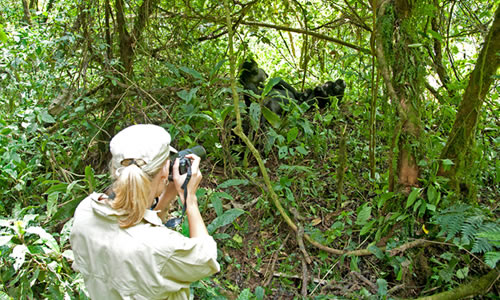
Where Is Buhoma Gorilla Sector Located? – Buhoma Gorilla Sector
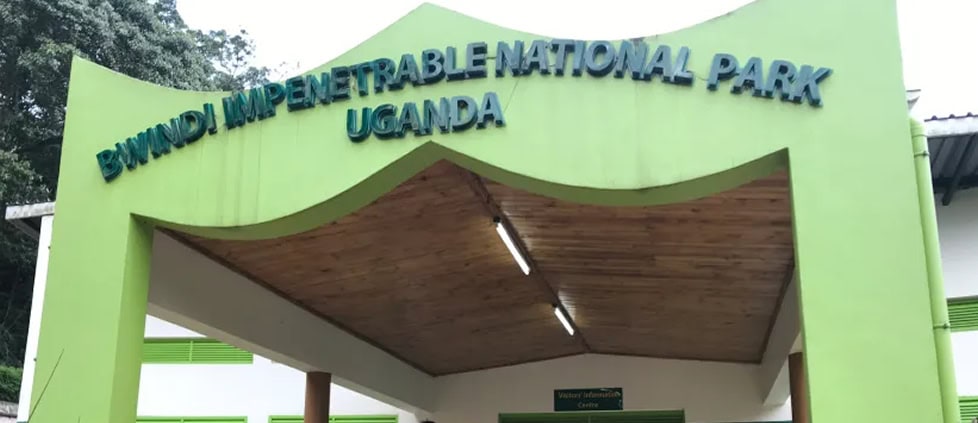
Buhoma Gorilla Sector is situated in the northern part of Bwindi Impenetrable National Park in southwestern Uganda. The park lies within a mountainous region characterised by dense tropical rainforest, steep slopes, deep valleys, and rich biodiversity.
Bwindi is a UNESCO World Heritage Site recognised for its exceptional natural importance and outstanding biodiversity. Its ancient forest provides a critical habitat for mountain gorillas and numerous other wildlife species.
Buhoma is one of the park’s established gorilla trekking sectors and has developed tourism facilities that make it a convenient base for visitors exploring northern Bwindi.
The sector is surrounded by beautiful countryside, small villages, forested hills, and agricultural landscapes. Travelling to Buhoma offers an opportunity to experience a different side of Uganda, far removed from busy urban centres.
Visitors can enjoy scenic drives through southwestern Uganda, observe local farming activities, and appreciate the changing landscapes as they approach the rainforest.
How to Get to Buhoma – Buhoma Gorilla Sector
Travellers can reach Buhoma by road or by combining a domestic flight with a road transfer.
By road: Visitors travelling from Kampala or Entebbe can arrange a private safari vehicle through southwestern Uganda. The journey is long and may take approximately 8–10 hours or more, depending on the starting point, traffic, road conditions, and stops along the way.
By domestic flight: Travellers seeking a quicker transfer may consider a scheduled or charter flight to an appropriate airstrip serving the Bwindi region, followed by a road transfer to Buhoma. Flight availability, airstrip choice, and transfer times depend on the operator and travel dates.
For many travellers, a road safari offers an opportunity to discover Uganda’s countryside along the way. Those with limited time may prefer to explore domestic flight options.
Lavish Safaris Uganda can help visitors plan transport arrangements according to their schedule, preferred comfort level, and budget.
Why Is Buhoma Gorilla Sector Famous?
Buhoma is particularly famous for mountain gorilla trekking, one of the most extraordinary wildlife experiences available in Africa.
Mountain gorillas are endangered great apes that live in the forested mountains of Uganda, Rwanda, and the Democratic Republic of the Congo. Their survival depends on effective conservation, habitat protection, veterinary care, and responsible management of tourism.
Buhoma was the starting point for Uganda’s first gorilla tourism activities in Bwindi in the early 1990s. Its long history of gorilla conservation and tourism has helped establish it as one of the country’s best-known wildlife destinations.
The sector offers access to gorilla families that have been habituated to human presence for carefully managed tourism encounters.
However, gorilla trekking is only one part of the Buhoma experience. The destination also appeals to travellers interested in forest ecology, birdwatching, photography, community tourism, and conservation education.
Its combination of wildlife, natural beauty, and local culture makes Buhoma an excellent choice for visitors seeking a well-rounded Uganda safari.
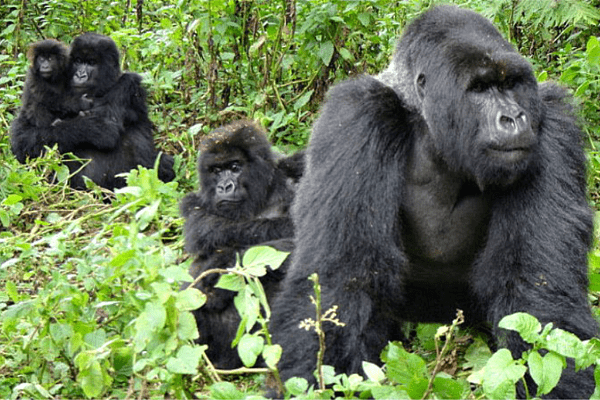
Mountain Gorilla Trekking in Buhoma – Buhoma Gorilla Sector
Mountain gorilla trekking is the main attraction of Buhoma Gorilla Sector. It allows visitors to hike through Bwindi’s rainforest with authorised guides and trackers in search of a habituated gorilla family.
The experience combines adventure, education, and wildlife observation, offering visitors an opportunity to encounter mountain gorillas in their natural environment.
What Happens During Gorilla Trekking?
The experience usually begins early in the morning at the designated park briefing point.
Visitors receive instructions from Uganda Wildlife Authority personnel about gorilla behaviour, conservation, safety, and responsible tourism. They are then assigned to a gorilla trekking group and accompanied by authorised guides and trackers.
The team enters the forest to locate the assigned gorilla family. The hike may take a few hours or longer, depending on the gorillas’ movements and the condition of the terrain.
Bwindi’s forest can be thick and challenging to navigate. Visitors may walk along narrow paths, climb steep slopes, cross muddy sections, and move through dense vegetation.
When the gorillas are located, visitors are generally permitted to spend up to one hour observing them, subject to current regulations and the guidance of park personnel.
During this time, travellers may see gorillas feeding, resting, grooming, interacting with their young, or moving through the forest. Each encounter is different because gorillas live naturally and are not trained to perform for visitors.
What Makes Gorilla Trekking in Buhoma Special? – Buhoma Gorilla Sector
One of the most remarkable aspects of gorilla trekking is the opportunity to observe these animals at close range under controlled conditions.
Adult silverbacks often command attention because of their size and distinctive silver hair along the back. Female gorillas care for their young, while juveniles may explore their surroundings and play with other family members.
Watching these behaviours provides insight into the intelligence, social relationships, and family bonds of mountain gorillas.
The experience also encourages a deeper understanding of conservation. Mountain gorillas have faced significant historical threats, and responsible tourism helps generate resources and employment that support their continued protection.
For many visitors, meeting a mountain gorilla family becomes the highlight of their Uganda holiday.
Gorilla Families in Buhoma – Buhoma Gorilla Sector
Buhoma is home to several gorilla families that have been habituated for tourism. The families available for trekking and their operational status can change as wildlife management decisions are made.
Historically recognised Buhoma-area gorilla families include the Mubare, Habinyanja, and Rushegura groups.
1. Mubare Gorilla Family
The Mubare family is particularly important in Uganda’s gorilla tourism history. It became the first gorilla family opened to tourism in Bwindi in 1993.
Its establishment marked a significant milestone in the development of mountain gorilla tourism in Uganda and helped create a foundation for conservation-based travel in the region.
The family’s history reflects the gradual growth of gorilla tourism and the importance of protecting mountain gorillas through responsible visitor management.

2. Habinyanja Gorilla Family – Buhoma Gorilla Sector
The Habinyanja family is another well-known group associated with the Buhoma sector.
Its history includes changes in family structure and leadership, illustrating how gorilla groups naturally develop over time.
Observing a gorilla family can help visitors appreciate the social dynamics of mountain gorillas, including the relationships between adult males, females, and younger members.
3. Rushegura Gorilla Family
The Rushegura family is also historically associated with Buhoma and has attracted visitors interested in observing mountain gorillas in the wild.
Like other gorilla families, its movements and social structure can change over time.
Important: Gorilla family composition, names, leadership, and trekking allocations can change. The family assigned to a visitor is determined through official arrangements, and a particular family cannot always be guaranteed. Confirm current information with the Uganda Wildlife Authority or your safari operator before travelling.
The Natural Beauty of Bwindi Impenetrable National Park – Buhoma Gorilla Sector
Buhoma’s appeal extends beyond gorillas. Its location within Bwindi Impenetrable National Park gives visitors access to one of Africa’s most biologically diverse rainforest environments.
The park is famous for its ancient vegetation, thick forest canopy, steep valleys, and rich wildlife.
During guided walks, visitors may discover towering trees, ferns, flowering plants, vines, and moss-covered vegetation. Mist often settles over the hills, creating beautiful scenery and a peaceful atmosphere.
Bwindi’s biodiversity makes it a rewarding destination for nature enthusiasts who want to explore tropical rainforest ecosystems.
Wildlife Beyond Mountain Gorillas – Buhoma Gorilla Sector
Although gorillas are the park’s most celebrated attraction, Bwindi supports many other species.
Depending on location and conditions, visitors may encounter or hear:
- Forest birds with distinctive calls and colourful plumage.
- Monkeys and other primates.
- Butterflies and other insects.
- Small forest mammals.
- Reptiles and amphibians adapted to rainforest habitats.
Many animals remain difficult to see because the vegetation is dense. This is part of the appeal of exploring a natural forest, where wildlife encounters cannot be guaranteed.
The park is especially valuable for conservation because it protects a complex ecosystem that supports numerous species and contributes to the long-term survival of mountain gorillas.
Birdwatching in Buhoma – Buhoma Gorilla Sector
Buhoma is an excellent destination for birdwatchers visiting southwestern Uganda.
Bwindi is internationally recognised for its exceptional bird diversity, including species associated with the Albertine Rift, one of Africa’s important biodiversity regions.
The forest’s varied habitats support numerous bird species, making guided birdwatching a rewarding activity for both experienced birders and beginners.
What Can Birdwatchers Expect?
Visitors may hear birds calling from the canopy, observe species along forest trails, and search for birds in areas where vegetation provides better visibility.
Depending on the season, location, and luck, birdwatchers may encounter species such as the African green broadbill, African emerald cuckoo, handsome francolin, or Rwenzori batis in suitable habitats across the broader Bwindi region.
Seeing particular species is never guaranteed, and some birds are difficult to observe in dense vegetation.
An experienced local birding guide can help identify calls, explain bird behaviour, and locate promising viewing areas.
Why Choose Buhoma for Birding?
Buhoma offers a combination of rainforest trails, rich bird diversity, and access to experienced local guides.
Birdwatching can be combined with gorilla trekking, forest walks, and other wildlife activities to create a more varied safari.
For visitors interested in photography, birding, and biodiversity, a longer stay in Buhoma provides additional time to explore the forest at a relaxed pace.
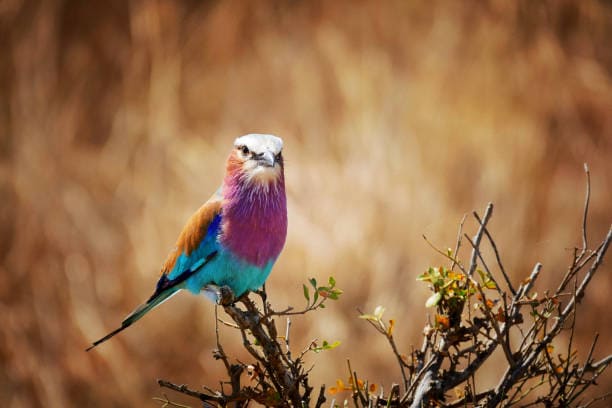
Nature Walks and Forest Exploration – Buhoma Gorilla Sector
Buhoma offers opportunities for guided nature walks that allow visitors to discover Bwindi’s rainforest beyond the main gorilla trekking experience.
These walks provide a slower and more detailed way to appreciate the park’s natural environment.
Depending on the route and activity available, visitors may learn about forest plants, birds, insects, ecological relationships, and the importance of conserving tropical rainforests.
Guides can also explain how the forest supports local wildlife and contributes to the wider environment.
Waterfalls and Scenic Trails
Selected guided trails in and around the Buhoma area lead through beautiful forest landscapes and may include visits to waterfalls or viewpoints, depending on the route selected.
The Buhoma area is associated with guided forest walks such as the Munyaga River Trail, while other routes may be available through authorised park arrangements.
Trail lengths, accessibility, and conditions vary. Some routes are suitable for visitors seeking a gentle introduction to the forest, while others require greater stamina.
A guided walk is a good option for travellers who want to enjoy Bwindi’s scenery and biodiversity without making every day of their trip a gorilla trekking expedition.
Cultural Experiences Around Buhoma
A visit to Buhoma provides an opportunity to learn about the communities living near Bwindi Impenetrable National Park.
The surrounding area is home to communities whose lives are connected to agriculture, local trade, tourism, and the forest landscape.
Cultural experiences can help visitors understand the relationship between people, natural resources, and conservation.
Community Visits
Depending on the activities available, visitors may participate in guided community experiences that introduce local traditions, food, music, dance, crafts, and everyday life.
Such visits offer an opportunity to meet community members, learn about their livelihoods, and gain a better understanding of the region’s cultural identity.
For a respectful experience, choose locally led activities that provide fair compensation to the people involved and respect their privacy and traditions.
Supporting Local Crafts and Enterprises
Visitors can support community livelihoods by purchasing locally made crafts, using local guides, and choosing tourism services that create employment in the area.
These choices can help spread tourism benefits beyond accommodation providers and contribute to the wider local economy.
The Batwa Cultural Experience
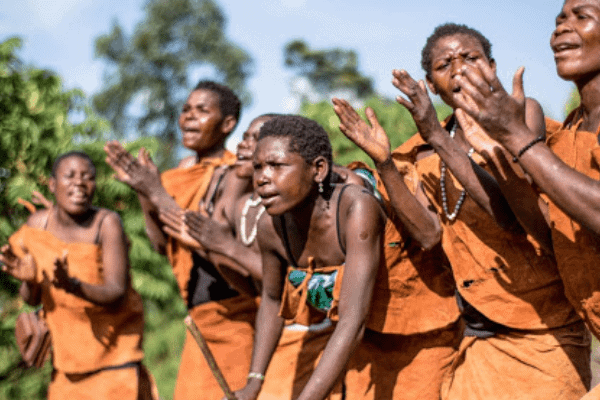
The Batwa are Indigenous forest people with a long historical connection to the forests of the region.
Some community-led experiences around Bwindi introduce visitors to aspects of Batwa heritage, traditional knowledge, music, and historical relationships with the forest.
These experiences should be approached with respect for the community’s dignity, perspectives, and contemporary circumstances.
Visitors should select reputable, community-supported programmes that present Batwa culture responsibly rather than treating cultural heritage as a performance without context.
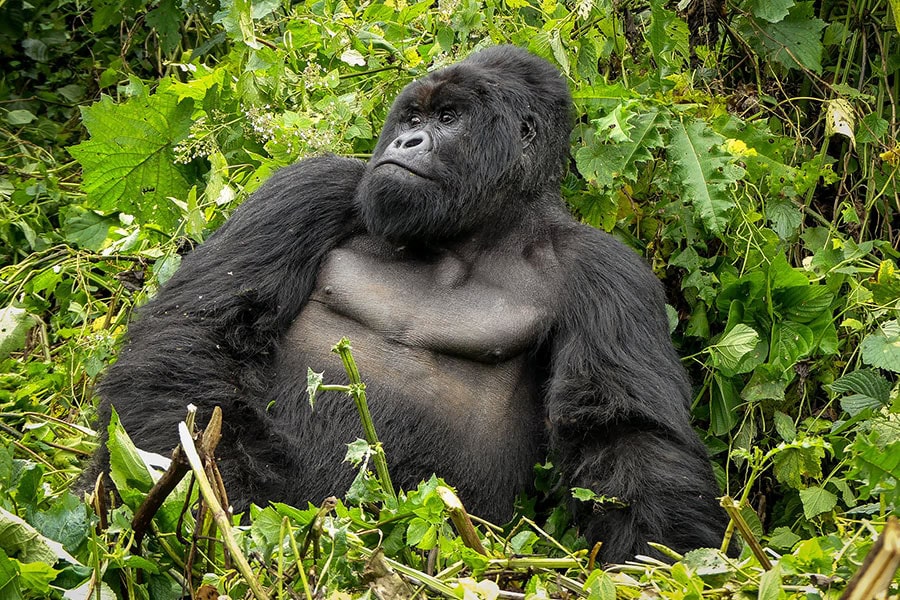
Best Time to Visit Buhoma Gorilla Sector
Buhoma can be visited throughout the year, but weather conditions can influence hiking comfort, trail conditions, and travel arrangements.
Bwindi is a tropical rainforest, meaning rain can occur even during periods that are generally considered drier.
June to August
These months are commonly regarded as part of the drier season in southwestern Uganda.
They are popular with international travellers planning gorilla trekking and wider Uganda safaris. Trails may be more manageable, although rain and muddy conditions remain possible.
Advance booking is advisable because demand for permits and accommodation can be high.
December to February
This is another generally drier period and can be a good time to visit Buhoma.
Visitors can combine gorilla trekking with birdwatching, nature walks, and other destinations in Uganda.
As with all seasons, local weather can change, so waterproof clothing and suitable footwear remain essential.
March to May
This period commonly experiences increased rainfall.
Trails may become muddy and slippery, and hiking can be more challenging. However, the forest remains lush and beautiful.
Travellers visiting during this period should allow flexibility in their schedules and prepare for wet conditions.
September to November
Rainfall often increases during parts of this period, although conditions vary from year to year.
Visitors may still enjoy excellent wildlife experiences, provided they are prepared for changing weather and potentially difficult trails.
The best time to visit Buhoma depends on your travel preferences, available permits, budget, and comfort with rainforest conditions. Gorilla trekking is a year-round activity, subject to official operations and permit availability.
Where to Stay in Buhoma
Buhoma offers a variety of accommodation options, ranging from luxury forest lodges to mid-range properties and budget-friendly guesthouses.
Choosing the right accommodation can improve your experience, particularly because gorilla trekking usually begins early in the morning.
Luxury Safari Lodges
Luxury lodges are ideal for travellers who value comfort, personalised service, quality dining, and beautiful views of the surrounding forest or hills.
Depending on the property, facilities may include spacious rooms, private verandas, fireplaces, gardens, and relaxing common areas.
A luxury stay can be particularly appealing for honeymooners, couples, private safari travellers, and guests seeking a premium Uganda experience.
Mid-Range Accommodation
Mid-range lodges provide a balance between comfort and value.
They often offer private rooms, restaurant services, comfortable beds, and convenient access to the Buhoma trekking briefing point.
These properties are suitable for couples, families with eligible-age children, and travellers who want good facilities without the cost of a luxury lodge.
Budget Lodges and Guesthouses
Budget accommodation can be a good option for visitors who want to prioritise wildlife activities while keeping overall safari costs manageable.
Facilities vary, so travellers should confirm room arrangements, meals, hot water, heating where available, and transport to the park briefing point.
Choosing the Right Location
Before booking, consider the distance from your accommodation to the designated gorilla trekking meeting point.
Also confirm whether meals, transfers, porter arrangements, and other services are included in the price.
At Lavish Safaris Uganda, we can help travellers compare suitable accommodation options based on their budget, travel dates, and preferred level of comfort.

Buhoma Gorilla Trekking Permits: What You Need to Know
A valid gorilla trekking permit is required to participate in the official gorilla trekking experience.
Permits regulate visitor numbers and help manage encounters with mountain gorillas in a way that supports conservation and visitor safety.
Because permits are limited, it is advisable to arrange them well in advance, particularly if you are travelling during peak periods.
Before confirming your booking, make sure you understand the following:
- The current gorilla trekking permit price.
- The date and sector for your trekking experience.
- Permit availability for your preferred travel dates.
- The current minimum age requirement.
- The cancellation and amendment policy.
- Whether the permit is included in your safari package.
- Any applicable health, safety, or visitor requirements.
Permit fees and policies can change, so confirm the latest information through the Uganda Wildlife Authority or your authorised safari operator.
A permit allows participation in the regulated trekking experience but does not guarantee a specific duration of hiking or a particular gorilla family’s behaviour.
What to Pack for a Buhoma Gorilla Trekking Safari
Packing appropriately is important because Bwindi’s forest can be wet, steep, and physically demanding.
The right equipment can help make your trekking experience safer and more comfortable.
Essential Packing List
1. Sturdy hiking boots
Choose comfortable boots with good grip and ankle support for muddy, uneven trails.
2. Waterproof jacket
Rain showers are possible throughout the year, so a lightweight waterproof jacket is essential.
3. Long-sleeved shirts and long trousers
These help protect your skin from vegetation, insects, and scratches.
4. Gardening or hiking gloves
Gloves can help protect your hands when moving through vegetation or using support on steep sections.
5. Drinking water
Carry sufficient drinking water for the duration of the trek.
6. Snacks or a packed lunch
Ask your lodge or safari operator to arrange suitable food for your trekking day.
7. Insect repellent
Use a suitable product according to its instructions.
8. Camera and spare batteries
A camera helps preserve memories of the experience. Flash photography is not permitted during gorilla encounters.
9. Small backpack
Use a comfortable daypack to carry water, food, rain protection, and other essentials.
10. Walking stick
A walking stick can provide extra stability on steep or slippery trails. Suitable sticks may be available locally.
Travellers should also carry any personal medication they need and avoid bringing unnecessary items into the forest.
Gorilla Trekking Rules and Responsible Tourism
Mountain gorillas are vulnerable to human disturbance and certain infectious diseases. Following official rules helps protect the animals and visitors.
During your Buhoma gorilla trekking experience, remember to:
- Maintain the required distance from the gorillas.
- Never touch, feed, chase, or attempt to attract them.
- Avoid loud conversations and sudden movements.
- Never use flash photography.
- Follow the instructions of authorised guides and trackers.
- Remain with your assigned group.
- Avoid visiting when you are ill, particularly if you have symptoms of a contagious respiratory infection.
- Follow official guidance if a gorilla approaches you.
- Never leave litter in the forest.
- Respect decisions made by park staff to protect the gorillas.
Visitors who develop symptoms of illness before the trek should inform their safari operator and follow official health guidance.
Responsible tourism helps minimise disturbance and ensures that gorilla trekking continues to support conservation rather than compromise it.
Combining Buhoma with Other Uganda Safari Destinations
Buhoma can be incorporated into a longer Uganda safari featuring wildlife, landscapes, and cultural experiences.
Queen Elizabeth National Park
Queen Elizabeth National Park offers classic savannah wildlife experiences, including game drives and boat cruises along the Kazinga Channel.
Visitors may encounter elephants, buffaloes, antelopes, hippos, and a wide range of birds.
Combining Buhoma with Queen Elizabeth National Park creates a varied safari featuring both rainforest gorillas and savannah wildlife.
Kibale National Park
Kibale National Park is well known for chimpanzee tracking and its exceptional primate diversity.
Travellers can combine gorilla trekking in Buhoma with chimpanzee tracking in Kibale for a deeper exploration of Uganda’s great apes and forest ecosystems.
Lake Bunyonyi
Lake Bunyonyi is a scenic destination in southwestern Uganda, known for its surrounding hills, terraced landscapes, and islands.
Visitors can enjoy peaceful lakeside accommodation, canoeing where available, birdwatching, and relaxation after a challenging trek.
Murchison Falls National Park
For travellers with additional time, Murchison Falls National Park offers game drives, boat cruises on the Nile, and views of the river forcing its way through a narrow gorge.
This destination is farther north and is best included in a longer itinerary with sufficient time for transfers.
Mgahinga Gorilla National Park
Mgahinga Gorilla National Park offers volcanic scenery, golden monkey tracking, and other mountain-based nature experiences.
It can be included in a broader southwestern Uganda safari depending on the traveller’s interests and the activities available.
Suggested 5-Day Buhoma Gorilla Safari Itinerary
A five-day itinerary offers time to enjoy gorilla trekking and explore the surrounding area without rushing every activity.
Day 1: Travel to Buhoma
Depart from Entebbe or Kampala and travel through southwestern Uganda towards Bwindi Impenetrable National Park.
Enjoy scenic views of the countryside and make suitable stops along the way.
Arrive at your lodge in the Buhoma area, settle in, and receive a briefing about the following day’s activity.
Day 2: Mountain Gorilla Trekking
Enjoy an early breakfast before proceeding to the official trekking briefing.
Meet your authorised guide and trackers, receive safety instructions, and enter the forest to locate your assigned gorilla family.
Spend the permitted observation period watching the gorillas and learning about their behaviour.
Return to your lodge for dinner and relaxation.
Day 3: Nature Walk and Community Experience
Enjoy a guided nature walk, birdwatching excursion, or suitable community-led cultural activity, depending on availability.
This provides an opportunity to explore Buhoma beyond gorilla trekking and learn more about the area’s natural and cultural heritage.
Day 4: Transfer to Lake Bunyonyi or Queen Elizabeth National Park
Choose a scenic extension according to your interests.
Lake Bunyonyi is ideal for travellers seeking relaxation and beautiful scenery, while Queen Elizabeth National Park is suitable for visitors who want additional wildlife viewing.
Travel times will depend on the selected destination and road conditions.
Day 5: Safari Activity and Departure
Depending on your chosen extension, enjoy a morning activity before beginning your return journey or continuing to another destination.
This itinerary can be adjusted to suit your arrival time, permit availability, accommodation preferences, and overall travel budget.
Why Choose Lavish Safaris Uganda for Your Buhoma Safari?
At Lavish Safaris Uganda, we are committed to helping travellers experience the natural beauty and wildlife of Uganda through well-organised and personalised safari arrangements.
We understand that a gorilla trekking holiday involves several important decisions, including securing permits, selecting accommodation, arranging transport, and choosing additional activities.
Our safari planning services can help you organise:
- Gorilla trekking permit enquiries and booking arrangements, subject to availability.
- Private transport and transfers.
- Accommodation in Buhoma and the wider Bwindi region.
- Guided nature and birdwatching activities.
- Community-based cultural experiences.
- Extensions to Uganda’s national parks and scenic destinations.
- Private, luxury, mid-range, and budget safari itineraries.
Whether you are travelling alone, as a couple, with friends, or as part of a private group, we can help you develop an itinerary that reflects your interests and available time.
Our aim is to make your journey comfortable and memorable while encouraging responsible wildlife viewing and respect for local communities.
Frequently Asked Questions About Buhoma Gorilla Sector
1. What is Buhoma Gorilla Sector known for?
Buhoma is best known for mountain gorilla trekking in the northern part of Bwindi Impenetrable National Park. It also offers birdwatching, guided nature walks, scenic forest exploration, and cultural experiences.
2. Where is Buhoma located?
Buhoma is located in southwestern Uganda, in the northern sector of Bwindi Impenetrable National Park.
3. How long does gorilla trekking take in Buhoma?
The trek can take a few hours or longer, depending on the location of the gorillas and forest conditions. Once the gorillas are located, visitors are generally permitted up to one hour with them under current trekking rules.
4. What is the minimum age for gorilla trekking?
The standard minimum age for gorilla trekking in Uganda is generally 15 years. Travellers should confirm current requirements before booking.
5. Can I visit Buhoma throughout the year?
Yes. Gorilla trekking is offered throughout the year, subject to permit availability and park operations. Rainfall and trail conditions vary by season.
6. Is Buhoma suitable for luxury travellers?
Yes. The wider Buhoma area offers accommodation ranging from luxury lodges to mid-range and budget properties. Travellers can choose according to their preferred comfort level and budget.
7. What other activities can I do in Buhoma?
Visitors can enjoy birdwatching, guided forest walks, selected waterfall trails, cultural experiences, and community-based tourism, depending on availability.
8. Do I need to book a gorilla permit in advance?
Yes. Advance booking is strongly recommended because permits are limited and popular travel dates can fill quickly.
9. Is gorilla trekking physically demanding?
It can be. The forest contains steep slopes, uneven ground, thick vegetation, and muddy trails. Visitors should prepare with suitable footwear and an appropriate level of fitness.
10. Can I combine Buhoma with other destinations?
Yes. Buhoma can be combined with Queen Elizabeth National Park, Kibale National Park, Lake Bunyonyi, Murchison Falls National Park, or other destinations, depending on the length of your holiday.
Conclusion: Experience the Wonders of Buhoma Gorilla Sector
Buhoma Gorilla Sector is one of Uganda’s most remarkable wildlife destinations, combining extraordinary mountain gorilla encounters with beautiful rainforest landscapes, rich biodiversity, and meaningful cultural experiences.
From the excitement of trekking through Bwindi’s ancient forest to the privilege of observing mountain gorillas in their natural environment, Buhoma offers an experience that stays with travellers long after their journey ends.
Its established conservation history, varied accommodation options, birdwatching opportunities, and welcoming local communities make it an excellent destination for first-time visitors and experienced safari travellers alike.
A visit to Buhoma is more than a wildlife holiday. It is an opportunity to appreciate the importance of conservation, support responsible tourism, and discover the natural beauty that makes Uganda such a special destination.


