
An Unforgettable Journey into the World of Mountain Gorillas
Discover the Magic of Gorilla Habituation
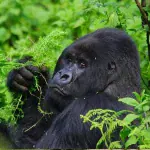
Gorilla Habituation in Uganda: Gorilla Habituation in Uganda: An Unforgettable Journey into the World of Mountain Gorillas. Uganda is one of Africa’s most remarkable wildlife destinations, offering travellers the opportunity to experience nature in its most authentic form. Among its most extraordinary wildlife experiences is mountain gorilla habituation, a unique adventure that allows visitors to spend extended time observing mountain gorillas as they gradually become accustomed to the presence of humans.
Unlike a traditional gorilla trekking experience, which usually involves visiting a gorilla family that is already habituated to people, gorilla habituation provides a deeper understanding of gorilla behaviour, family relationships, feeding habits, communication, and conservation.
For travellers seeking an exclusive and educational wildlife adventure, gorilla habituation in Uganda offers an exceptional opportunity to connect with nature while supporting the protection of one of the world’s most endangered great apes.
At Lavish Safaris Uganda, we believe that every wildlife journey should be meaningful, memorable, and responsible. Gorilla habituation is an ideal experience for travellers who want to go beyond ordinary sightseeing and discover the fascinating world of mountain gorillas in their natural habitat.
What Is Gorilla Habituation?
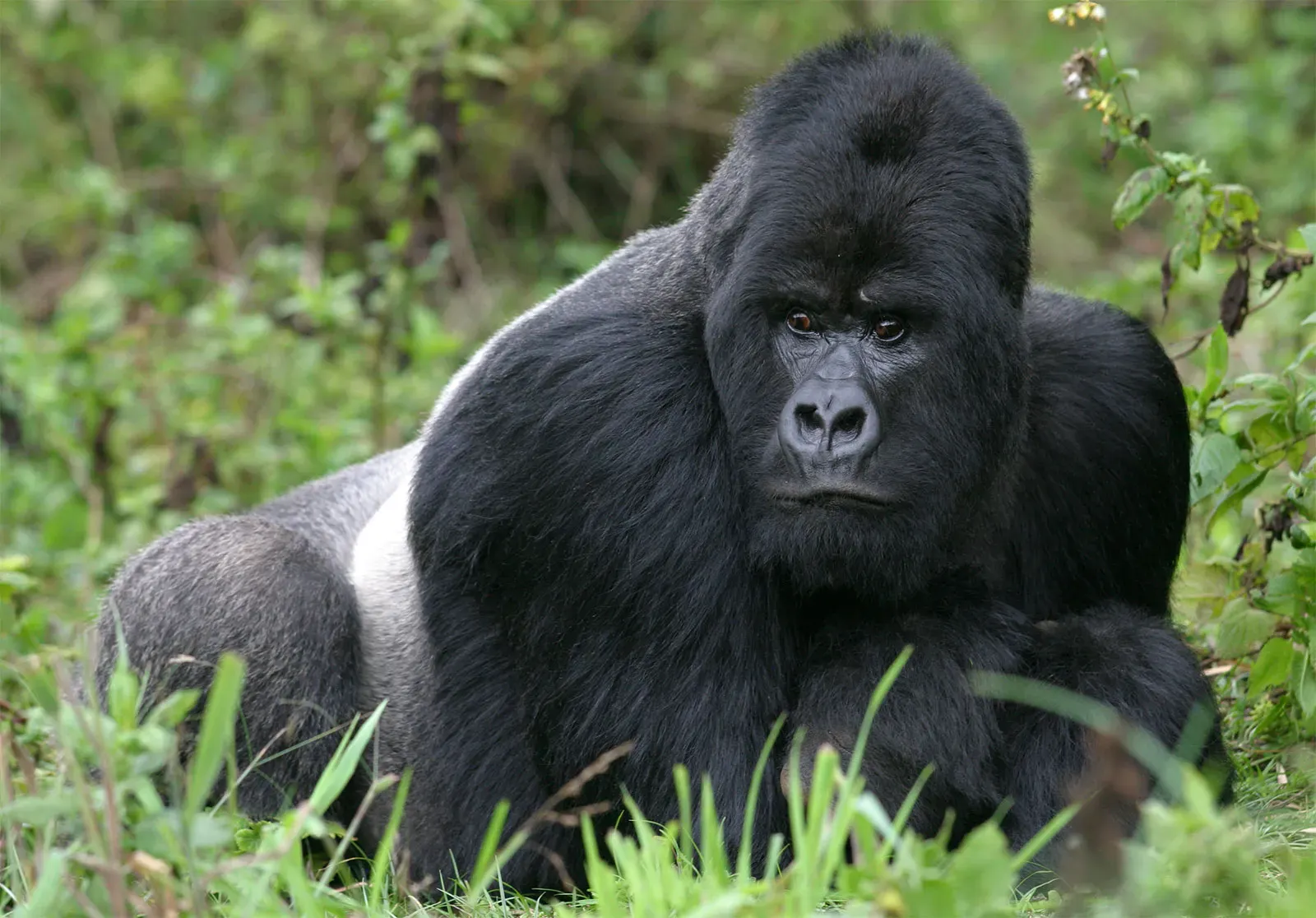
Gorilla habituation is the gradual process of helping wild mountain gorillas become accustomed to the presence of humans without changing their natural behaviour or making them tame.
Mountain gorillas live in the dense forests of East Africa, particularly in Uganda’s Bwindi Impenetrable National Park and the Virunga mountain region. Because these animals are naturally cautious around unfamiliar people, researchers and conservation teams spend considerable time observing them from a distance before they are considered sufficiently habituated for controlled tourism.
The habituation process is carefully managed by experienced researchers, trackers, conservationists, and Uganda Wildlife Authority personnel. They gradually introduce their presence to a gorilla family, observing how the animals respond and allowing them to become familiar with human observers.
This process can take several years, depending on the gorilla family’s behaviour and circumstances. The primary goal is to protect the gorillas while enabling important scientific research and, where appropriate, responsible tourism.
Gorilla habituation is not about domesticating wild animals. Instead, it is about allowing gorillas to tolerate human observation while continuing to live naturally in their forest environment.
Where Can You Experience Gorilla Habituation in Uganda?
Uganda is internationally recognised for its mountain gorilla conservation programmes, and Bwindi Impenetrable National Park is the principal destination for the gorilla habituation tourism experience.
1. Bwindi Impenetrable National Park
Bwindi Impenetrable National Park is located in southwestern Uganda and is one of Africa’s most important biodiversity conservation areas. Its ancient rainforest is home to mountain gorillas, forest elephants, numerous primate species, butterflies, and hundreds of bird species.
The park is a UNESCO World Heritage Site and is internationally celebrated for its exceptional biodiversity and conservation significance.
Bwindi’s dense vegetation, steep hills, mist-covered valleys, and rich forest ecosystem create a remarkable setting for wildlife exploration. Visitors who participate in gorilla habituation enter this extraordinary environment accompanied by authorised guides and trackers.
The experience takes place in the park’s Rushaga sector, in southern Bwindi, where the gorilla habituation programme is offered.
During the adventure, visitors may observe gorillas feeding on leaves, moving through the forest, resting, interacting with family members, and displaying their natural behaviours. The exact activities depend on the location and movements of the gorilla family on the day.
Bwindi is also an excellent destination for travellers interested in birdwatching, nature walks, cultural encounters, and community-based tourism.
2. The Rushaga Sector
The Rushaga sector is particularly important for visitors interested in gorilla habituation in Uganda.
Situated in the southern part of Bwindi Impenetrable National Park, Rushaga is known for its gorilla tourism activities and access to habituation experiences.
The surrounding landscape features mountainous terrain, lush vegetation, rural communities, and breathtaking views of the forest-covered hills.
Travellers visiting Rushaga should be prepared for challenging hiking conditions. The forest floor can be muddy and slippery, and the terrain may involve steep slopes, thick vegetation, and uneven trails.
A reasonable level of physical fitness is recommended because the time needed to locate the gorillas varies. The forest is a natural environment, so sightings and walking conditions cannot be guaranteed in advance.
For visitors seeking a more immersive encounter than conventional gorilla trekking, Rushaga provides an exceptional opportunity to learn about gorilla conservation and responsible wildlife tourism.

Gorilla Habituation vs. Gorilla Trekking: What Is the Difference?
Although gorilla habituation and gorilla trekking both involve observing mountain gorillas in their natural habitat, the experiences differ in several important ways.
Gorilla Trekking
Gorilla trekking involves hiking through the forest with experienced guides and trackers to find a gorilla family that has already been habituated to human presence.
Once the gorillas are located, visitors are generally permitted to spend up to one hour observing them, subject to current park regulations and the guidance of the authorised team.
This experience is ideal for travellers with limited time who want to see mountain gorillas, take photographs where permitted, and learn about their behaviour and conservation.
Gorilla Habituation Experience
Gorilla habituation offers a more extended and research-focused encounter with a gorilla family undergoing the habituation process.
Visitors participating in the established Uganda Wildlife Authority habituation tourism programme are generally allowed up to four hours with the gorillas once they are located, subject to current regulations and instructions from the authorised team.
During this time, visitors can learn more about the process of habituation, observe a wider range of natural behaviours, and gain insights into the work of researchers and trackers.
The longer encounter makes gorilla habituation especially attractive to wildlife enthusiasts, photographers, conservation supporters, and travellers seeking a deeper educational experience.
Important: The four-hour habituation experience is not four hours of unrestricted interaction. Visitors must maintain the required distance, follow all safety instructions, and avoid disturbing the gorillas.
What to Expect During a Gorilla Habituation Experience
A gorilla habituation adventure is a full forest expedition that combines hiking, wildlife observation, conservation education, and appreciation of Uganda’s natural heritage.
1. An Early-Morning Start
The experience usually begins early in the morning at the designated park briefing point.
Before entering the forest, visitors receive instructions from authorised park staff about gorilla behaviour, safety requirements, photography, conservation, and responsible conduct.
The briefing also explains what to expect during the hike and why maintaining a respectful distance from the gorillas is essential.
After the briefing, visitors join the authorised team and begin their journey into the forest.
2. Hiking Through the Rainforest
The journey to locate the gorilla family can be an adventure in itself.
Bwindi’s forest contains towering trees, thick undergrowth, tangled vines, moss-covered vegetation, and a remarkable variety of plant life. As visitors move along forest trails, they may hear birds calling from the canopy and discover signs of other wildlife.
The terrain can be steep, muddy, and physically demanding. The duration of the hike depends on where the gorillas are located, their movements, and the prevailing forest conditions.
Experienced trackers use their knowledge of gorilla movements and the forest environment to help locate the designated family.
Visitors should remain patient and follow their guides throughout the expedition.
3. Observing Mountain Gorillas in Their Natural Environment
One of the most rewarding moments is finally encountering the gorilla family.
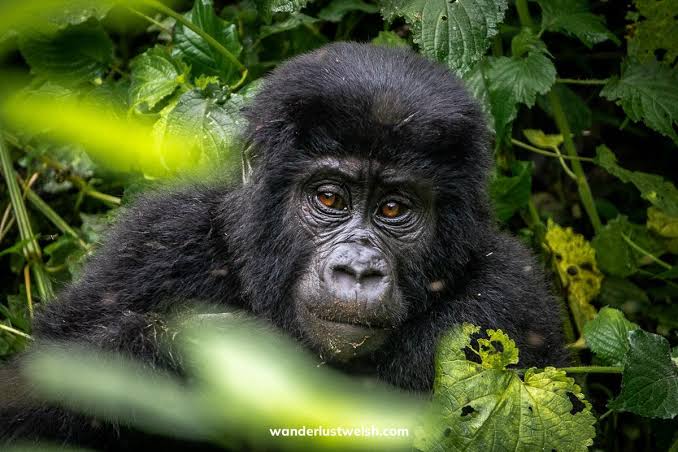
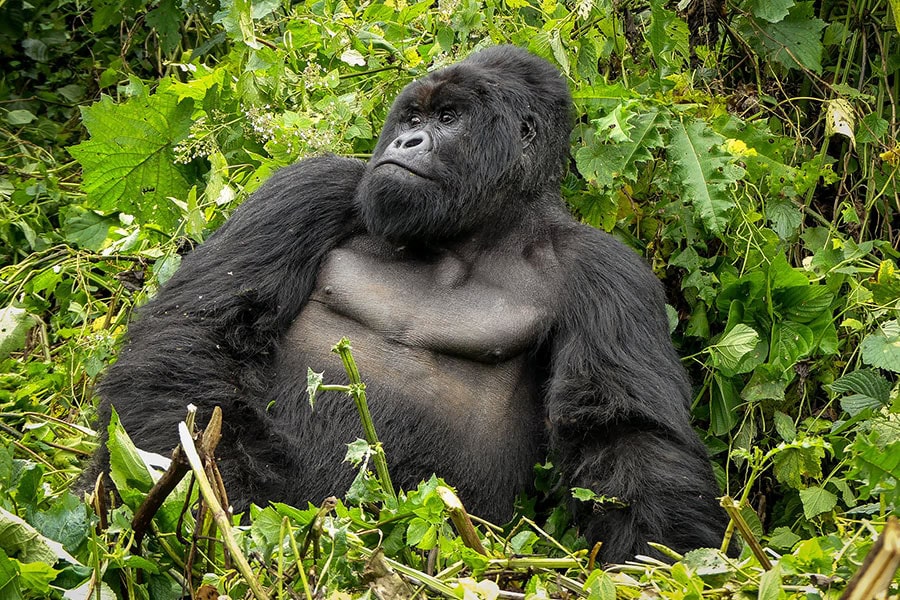
Visitors may see adult females feeding, young gorillas playing, juveniles exploring their surroundings, and a dominant silverback supervising the group.
Gorillas communicate through body movements, facial expressions, vocalisations, and other behaviours. Observing these interactions provides a fascinating introduction to their social structure.
Because the habituation process is still ongoing, the gorillas may behave more cautiously around visitors than fully habituated groups. The authorised team manages the encounter to minimise disturbance and protect both people and animals.
Every encounter is different, making patience, respect, and flexibility essential parts of the experience.
4. Learning from Researchers and Trackers
Gorilla habituation is not simply about viewing wildlife. It also offers an opportunity to understand the scientific and conservation work behind gorilla protection.
Researchers and trackers monitor gorilla movements, record observations, and help conservation teams understand the animals’ behaviour and needs.
During the experience, visitors may learn how conservationists identify individual gorillas, recognise family relationships, monitor health and behaviour, and assess responses to human presence.
This knowledge helps visitors appreciate the dedication required to protect mountain gorillas and maintain their natural habitat.
5. Enjoying an Extended Wildlife Encounter
The longer observation period allows visitors to spend more time learning about the gorillas’ daily routines.
Depending on the group’s behaviour, visitors may observe feeding, grooming, resting, movement through vegetation, social interactions, and communication.
However, gorilla habituation does not guarantee constant activity or dramatic encounters. Gorillas may spend considerable time feeding or resting, and the forest can make visibility challenging.
The value of the experience lies in observing the animals responsibly and understanding their natural world rather than expecting a staged wildlife performance.
Why Is Gorilla Habituation Important for Conservation?
Mountain gorillas face ongoing conservation challenges, including habitat pressures, disease risks, and the effects of human activity.
Gorilla habituation supports conservation in several important ways.
Supporting Scientific Research
Habituation enables authorised researchers to observe gorillas more closely under controlled conditions. This can contribute to knowledge about their behaviour, social relationships, feeding patterns, and ecological needs.
Long-term observations help conservation teams make informed decisions about protecting gorilla populations and their habitats.
Supporting Gorilla Protection
Responsible gorilla tourism generates revenue that can contribute to wildlife conservation, park management, monitoring, and local livelihoods.
Tourism also creates opportunities for communities to benefit economically from protecting their natural environment.
When managed responsibly, these benefits can strengthen support for conservation and encourage the long-term protection of mountain gorillas.
Promoting Environmental Awareness
Visitors who participate in gorilla habituation gain a deeper understanding of the importance of preserving tropical rainforests and protecting endangered wildlife.
The experience can inspire travellers to support conservation initiatives, respect wildlife, and make responsible choices when visiting natural areas.
Supporting Local Communities
Communities surrounding Bwindi play an important role in the region’s tourism economy.
Tourism can create employment for guides, trackers, porters, drivers, lodge employees, craft producers, and other local service providers.
Visitors can also support community enterprises by purchasing locally made crafts, choosing locally operated services, and participating in appropriate cultural experiences.
These economic opportunities help connect tourism with community development and conservation.
Best Time to Experience Gorilla Habituation in Uganda
Gorilla habituation is available throughout the year, subject to permit availability, park operations, and current regulations.
Uganda has a tropical climate, and Bwindi’s rainforest can receive rainfall at any time of the year. Weather conditions and trail quality can change quickly.
Drier Periods
The periods commonly regarded as drier in southwestern Uganda are approximately June to August and December to February.
These months may offer more manageable hiking conditions, although rain is still possible and the forest can remain wet.
Demand for gorilla tourism can also be high during popular travel periods, so advance planning is advisable.
Wetter Periods
The wetter periods generally occur around March to May and September to November.
Rain can make forest trails more slippery and challenging. However, the rainforest remains beautiful, and travellers who are comfortable with variable weather may still enjoy a rewarding experience.
The best time to visit depends on your travel dates, fitness, preferred accommodation, budget, and tolerance for wet hiking conditions.
For the best arrangements, consult Lavish Safaris Uganda about seasonal travel conditions and available habituation permits before confirming your itinerary.
Gorilla Habituation Permits: What Travellers Should Know
A gorilla habituation permit is required to participate in Uganda’s authorised habituation tourism experience.
The permit system helps regulate visitor numbers, manage encounters, and support the responsible protection of gorillas.
Permits are limited, so booking well in advance is recommended, particularly during peak travel seasons.
Before booking, travellers should confirm:
- The current gorilla habituation permit price.
- The date and sector where the experience will take place.
- Permit availability for the intended travel dates.
- The applicable age requirements and health guidelines.
- Whether the permit is included in the safari quotation.
- The cancellation, amendment, and refund conditions.
Permit fees and regulations may change, so it is important to verify the current requirements directly with the Uganda Wildlife Authority or through an authorised booking operator.
Travellers should also understand that a permit does not guarantee a particular gorilla behaviour or an effortless hike. Wildlife encounters take place in a natural environment and must be managed according to conservation priorities.
What to Pack for Gorilla Habituation
Proper preparation can make your forest adventure more comfortable and enjoyable.
Because Bwindi is a mountainous rainforest, visitors should pack for changing weather, muddy trails, and thick vegetation.
Essential Items
Hiking boots: Choose sturdy, comfortable hiking boots with good grip and ankle support.
Long trousers and a long-sleeved shirt: These help protect your skin from vegetation, insects, and scratches.
Waterproof jacket: Rain showers are possible throughout the year.
Gardening or hiking gloves: Gloves can help protect your hands when navigating vegetation or using support on steep sections of the trail.
Drinking water: Carry enough water for the duration of the hike.
Packed lunch and snacks: Ask your safari operator or lodge to arrange suitable provisions for the excursion.
Insect repellent: Use an appropriate repellent and follow its instructions.
Camera and spare batteries: A camera can help preserve memories, but flash photography should not be used.
Small backpack: A comfortable daypack is useful for carrying water, snacks, rain protection, and personal essentials.
Walking stick: A walking stick can provide support on steep or slippery trails. Local providers may offer suitable options.
Visitors should avoid bringing unnecessary items and should carry all litter out of the forest.
Gorilla Habituation Rules and Responsible Tourism
Protecting mountain gorillas is the highest priority during every habituation encounter.
All visitors must follow the instructions of authorised park personnel and comply with current wildlife regulations.
Important guidelines include:
- Maintain the required distance from the gorillas.
- Never touch, feed, chase, or attempt to attract a gorilla.
- Speak quietly and avoid sudden movements.
- Never use flash photography.
- Follow instructions about where to stand and when to move.
- Do not leave the authorised group or approach gorillas independently.
- Avoid visiting when ill, especially if you have symptoms of a contagious respiratory infection.
- Follow official guidance if a gorilla approaches or displays unusual behaviour.
- Do not litter or damage vegetation.
- Respect the decisions of guides and trackers if an encounter must be shortened or adjusted.
Mountain gorillas are susceptible to certain human diseases, including respiratory infections. Visitors who are unwell should inform their operator and follow official health and cancellation guidance.
Responsible tourism helps reduce disturbance, protect wildlife, and ensure that future generations can continue to experience Uganda’s extraordinary natural heritage.
Who Should Consider Gorilla Habituation?
Gorilla habituation is particularly suitable for travellers who want to develop a deeper understanding of wildlife and conservation.
Wildlife Enthusiasts
Nature lovers can spend more time observing gorilla behaviour and learning about their social lives.
Photographers
The extended observation period can provide additional opportunities for photography, subject to park rules, lighting conditions, vegetation, and the animals’ movements.
Photographers should bring suitable equipment and remain mindful that photography must never disturb the gorillas.
Conservation Supporters
Travellers interested in wildlife protection can learn about the practical work involved in monitoring and protecting mountain gorillas.
Educational and Special-Interest Travellers
Researchers, students, wildlife groups, and travellers with a strong interest in primate behaviour may appreciate the educational aspects of the experience.
Luxury Safari Travellers
Visitors seeking a premium wildlife holiday can combine gorilla habituation with comfortable accommodation, private transport, personalised guiding, and other activities in southwestern Uganda.
However, gorilla habituation itself remains a physically demanding forest activity, regardless of the accommodation selected.
Combining Gorilla Habituation with Other Uganda Experiences
A gorilla habituation adventure can form part of a longer Uganda safari that explores the country’s wildlife, landscapes, and cultural heritage.
Queen Elizabeth National Park
Queen Elizabeth National Park offers classic African safari experiences, including game drives, boat cruises along the Kazinga Channel, and opportunities to observe elephants, buffaloes, antelopes, hippos, and numerous bird species.
Combining Bwindi with Queen Elizabeth National Park creates a varied itinerary featuring both rainforest primates and savannah wildlife.
Kibale National Park
Kibale National Park is internationally known for chimpanzee tracking and its rich primate diversity.
Visitors can explore the forest with authorised guides and learn about chimpanzee behaviour, forest ecology, and primate conservation.
A combination of gorilla habituation and chimpanzee tracking is an excellent option for travellers interested in great apes.
Lake Bunyonyi
Lake Bunyonyi is a scenic destination surrounded by terraced hills and dotted with islands.
After a physically demanding forest expedition, travellers can enjoy peaceful lakeside views, canoeing where available, birdwatching, and relaxation at a lakeside lodge.
Mgahinga Gorilla National Park
Mgahinga Gorilla National Park, in southwestern Uganda, offers beautiful volcanic scenery, golden monkey tracking, guided nature walks, and other mountain-based experiences.
It can be incorporated into a wider southwestern Uganda itinerary depending on the activities available and the traveller’s interests.
Cultural Experiences Around Bwindi
Visitors can explore selected community-led cultural experiences near Bwindi to learn about local traditions, food, crafts, music, and everyday life.
Activities should be arranged respectfully through reputable local providers, with appropriate consent and fair benefits for participating communities.
Combining wildlife encounters with cultural experiences creates a more complete understanding of Uganda’s natural and cultural heritage.
Suggested Gorilla Habituation Safari Itinerary
A four-day or five-day itinerary can provide a practical starting point for travellers wishing to experience gorilla habituation in Uganda.
Day 1: Transfer to Bwindi Impenetrable National Park
Depart from Entebbe or Kampala and travel towards southwestern Uganda, enjoying scenic countryside, rolling hills, and changing landscapes along the way.
Depending on the departure point and road conditions, the journey can be long. An overnight stop or domestic flight may be considered to make the trip more comfortable.
Arrive at your lodge near the Rushaga sector, settle in, and prepare for the following day’s forest activity.
Day 2: Gorilla Habituation Experience
Enjoy an early breakfast before heading to the designated briefing location.
Meet the authorised park team, receive the required safety instructions, and enter the forest to locate the gorilla family.
Spend the permitted observation period learning about gorilla behaviour and the habituation process.
After the experience, return to your lodge for relaxation and dinner.
Day 3: Nature Walk or Community Experience
Enjoy a more relaxed day exploring the surroundings of Bwindi.
Depending on availability, activities may include guided nature walks, birdwatching, cultural visits, or community-based experiences.
This day can also provide time to recover from the forest hike before continuing your journey.
Day 4: Return Journey or Extension
Travel back towards Entebbe or Kampala, or extend your safari to include another destination.
Travellers with additional time may continue to Queen Elizabeth National Park, Kibale National Park, or Lake Bunyonyi.
This itinerary is a suggested framework. Actual driving times, accommodation, permit availability, and activities should be confirmed before booking.
Accommodation Options for Gorilla Habituation
Choosing the right accommodation can make a significant difference to your overall safari experience.
Travellers visiting Rushaga can consider lodges and safari camps in the surrounding area, selecting an option that matches their comfort requirements, budget, and transport arrangements.
Luxury Accommodation
Luxury lodges are ideal for travellers seeking spacious rooms, attentive service, quality dining, scenic views, and a relaxing atmosphere after a long day in the forest.
Some properties offer private verandas, fireplaces, landscaped grounds, and views across the surrounding hills.
Mid-Range Lodges
Mid-range accommodation provides a balance between comfort and value. These properties may offer comfortable rooms, restaurant services, warm hospitality, and convenient access to the habituation briefing point.
Budget Accommodation
Budget lodges and guesthouses are suitable for travellers who prefer to focus their budget on the wildlife experience while maintaining access to essential facilities.
When selecting accommodation, consider the location, road access, transfer arrangements, meal services, and distance to the designated briefing point. A lodge that looks close on a map may still require travel on challenging local roads.
Why Choose Lavish Safaris Uganda for Your Gorilla Habituation Adventure?
At Lavish Safaris Uganda, we understand that a successful safari requires careful planning, reliable information, and attention to the needs of every traveller.
Our goal is to help visitors experience Uganda’s remarkable wildlife through thoughtfully planned journeys that combine comfort, discovery, and responsible tourism.
When arranging a gorilla habituation safari, we can help travellers plan important details such as:
- Gorilla habituation permit enquiries and booking arrangements, subject to availability.
- Suitable accommodation near the Rushaga sector.
- Ground transport and airport transfers.
- Private safari arrangements and itinerary planning.
- Extensions to Uganda’s national parks and scenic destinations.
- Guidance on what to pack and how to prepare for the forest.
- Opportunities to incorporate cultural experiences and community tourism.
Whether you are planning a private safari, a special-interest wildlife holiday, a photography trip, or a luxury African adventure, we can help you develop an itinerary suited to your travel dates, interests, and budget.
We encourage all visitors to approach gorilla tourism with respect for the animals, the forest, and the communities whose livelihoods are connected to conservation.
Frequently Asked Questions About Gorilla Habituation
1. How long does gorilla habituation take?
The habituation process can take several years, depending on the gorilla family and its response to human presence. It is a gradual process managed by experienced conservation teams.
2. How long can visitors spend with gorillas during habituation?
Under Uganda’s established habituation tourism programme, visitors are generally permitted up to four hours with the gorillas once they have been located, subject to current regulations and instructions from authorised staff.
3. Where does gorilla habituation take place in Uganda?
The established gorilla habituation tourism experience takes place in the Rushaga sector of Bwindi Impenetrable National Park in southwestern Uganda.
4. Is gorilla habituation more difficult than gorilla trekking?
It can be physically demanding because the activity involves hiking through dense rainforest, sometimes over steep and muddy terrain. The longer observation period also means visitors should be prepared for an extended day outdoors.
5. What is the minimum age for gorilla habituation?
Uganda’s standard minimum age for gorilla tourism is generally 15 years, but travellers should confirm the current age policy and any applicable requirements before booking.
6. Can I take photographs during gorilla habituation?
Photography is generally permitted under park rules, but flash photography is prohibited. Visitors must follow instructions from the authorised team and never allow photography to interfere with wildlife protection.
7. Is gorilla habituation available throughout the year?
The experience is offered throughout the year, subject to operational arrangements and permit availability. Conditions in Bwindi vary with the weather, and rainfall can occur in every season.
8. Do I need to book a gorilla habituation permit in advance?
Yes. Permits are limited, so booking well in advance is strongly recommended, especially during popular travel periods.
9. Is gorilla habituation suitable for everyone?
Not necessarily. The activity requires walking through uneven forest terrain and may involve steep climbs, mud, and changing weather. Travellers should honestly assess their fitness and discuss any mobility concerns with their operator before booking.
10. Can I combine gorilla habituation with other safari activities?
Yes. Many travellers combine the experience with chimpanzee tracking, savannah game drives, boat cruises, birdwatching, scenic lake visits, or cultural experiences, depending on the length of their holiday.
Conclusion: Experience the Extraordinary with Gorilla Habituation in Uganda
Gorilla habituation is one of Uganda’s most distinctive wildlife experiences, offering a deeper look into the lives of mountain gorillas and the conservation work that helps protect them.
From hiking through the ancient rainforest of Bwindi Impenetrable National Park to observing gorilla family interactions and learning about scientific research, every stage of the journey provides an opportunity to appreciate the natural world.
The experience is especially rewarding for travellers who value education, conservation, and meaningful encounters with wildlife. It also demonstrates how responsible tourism can help support protected areas and create opportunities for surrounding communities.
For anyone dreaming of a remarkable African adventure, gorilla habituation in Uganda offers an unforgettable opportunity to discover the beauty of mountain gorillas in their natural home.
Discover Uganda. Experience the rainforest. Connect with mountain gorillas. Travel responsibly with Lavish Safaris Uganda.
Plan Your Gorilla Habituation Safari
Ready to explore Bwindi Impenetrable National Park and experience one of Africa’s most extraordinary wildlife adventures?
Contact Lavish Safaris Uganda to enquire about available permits, accommodation options, and tailor-made gorilla habituation safari packages.