The Pearl of Africa-Uganda’s Primate. Winston Churchill famously called Uganda the “Pearl of Africa” after his 1907 visit, captivated by its lush landscapes, dramatic scenery, and extraordinary wildlife. More than a century later, the name still fits — and nowhere is that beauty more alive than in Uganda’s forests, where the country has also become known as a true primate paradise.

Where the Name Comes From
Churchill’s description wasn’t just poetic flattery. Uganda offers a landscape of striking contrasts: snow-capped peaks in the Rwenzori Mountains, the source of the Nile River, vast savannahs, dense rainforests, and the shimmering expanse of Lake Victoria — all within a single, compact country.
What makes the “Pearl” title fitting:
- Rare geographic diversity packed into a small area
- Fertile land supporting rich biodiversity year-round
- A landscape that shifts dramatically from region to region, often within a few hours’ drive
This natural richness set the stage for what Uganda is perhaps best known for today — its primates.
A Paradise Built for Primates
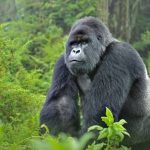
Uganda’s varied terrain and protected forests have made it one of the richest primate habitats on Earth. The country is home to over a dozen primate species, including nearly half of the world’s remaining mountain gorillas.
Highlights of Uganda’s primate paradise:
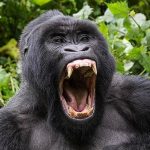
- Mountain gorillas in Bwindi Impenetrable and Mgahinga Gorilla National Parks
- Large, habituated chimpanzee populations in Kibale Forest
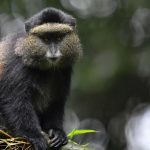
- Rare golden monkeys found only in the Virunga region
- A dozen additional monkey species scattered across the country’s forests
Few destinations allow travelers to encounter this much primate diversity without extensive travel between sites.
Bwindi: Where Beauty Meets Rarity – The Pearl of Africa-Uganda’s Primate
Bwindi Impenetrable National Park captures both sides of Uganda’s reputation — stunning natural beauty and irreplaceable wildlife. Its ancient, tangled rainforest is one of the oldest and most biodiverse ecosystems in Africa, and it shelters roughly half the world’s mountain gorilla population.
Trekking through Bwindi’s misty, moss-covered trails to spend an hour with a gorilla family is often described by visitors as one of the most moving wildlife experiences on Earth — a moment where the “Pearl of Africa” and “primate paradise” titles feel like one and the same.
Kibale Forest: The Heart of the Paradise – The Pearl of Africa-Uganda’s Primate
If Bwindi represents rarity, Kibale National Park represents abundance. Known as the primate capital within Uganda itself, Kibale holds thirteen recorded primate species in a single forest, with one of the most reliable chimpanzee-trekking experiences in Africa.
Why Kibale stands out:
- High primate density in a relatively compact forest
- Well-habituated chimpanzee groups for close observation
- The option to join a full-day Chimpanzee Habituation Experience
Walking beneath Kibale’s canopy, surrounded by the calls of chimpanzees and colobus monkeys, it’s easy to understand why this forest anchors Uganda’s primate reputation.
A Landscape That Protects What It Holds
Uganda’s beauty and its primate populations aren’t separate stories — they’re deeply connected. The same forests, mountains, and wetlands that earned Uganda its “Pearl of Africa” nickname are what continue to protect its primates today.
Conservation efforts supporting this balance:
- National parks and reserves preserving critical habitat
- Community revenue-sharing programs tied to tourism
- Strict permit systems limiting pressure on habituated groups
- Ongoing veterinary and research support for gorilla and chimpanzee populations
This combination of natural beauty and dedicated protection has allowed Uganda’s primate populations to grow steadily, even as similar species face decline elsewhere.
Two Titles, One Country – The Pearl of Africa-Uganda’s Primate
Uganda’s reputation as the “Pearl of Africa” was earned over a century ago, admired for its scenery and natural richness. Its status as a primate paradise is more recent, but no less deserved — the product of decades of conservation work protecting some of the world’s rarest wildlife.
Together, these two identities tell the same story: a country where extraordinary landscapes and extraordinary wildlife exist side by side, waiting for travelers willing to look a little closer.