
Uganda’s World of Primates. Uganda is home to one of the richest and most accessible primate communities in Africa. Dense forests, varied landscapes, and careful conservation have created a destination where travellers can encounter both great apes and a wide range of monkeys in a single journey. This is Uganda’s world of primates—diverse, intimate, and deeply memorable.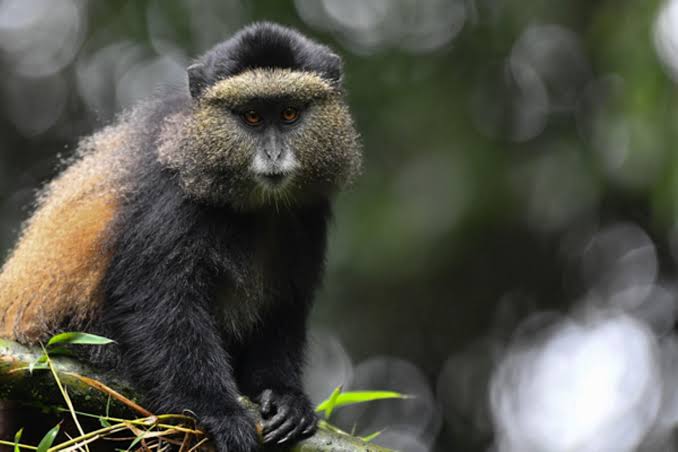
Mountain Gorillas of the Misty Forests
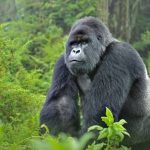
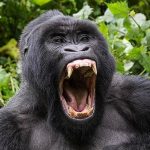
At the heart of this world are the mountain gorillas. Bwindi Impenetrable National Park and Mgahinga Gorilla National Park protect a significant share of the global population. These animals live in stable family groups led by a dominant silverback.
Gorilla trekking takes visitors on foot through steep, misty forest to spend a limited time with a habituated family. You may watch them feed quietly on vegetation, groom one another, or rest while infants play nearby. The encounter is carefully regulated and often described as one of the most powerful wildlife experiences available anywhere.
Chimpanzees: Energy and Intelligence – Uganda’s World of Primates
Kibale National Park stands out for its chimpanzees. The forest supports a high density of these apes, making it one of the best places in Africa for reliable tracking. Chimpanzees are highly social and expressive. They move quickly through the trees, communicate with loud calls, and display complex group behaviour.
Tracking them feels dynamic and engaging. Guides lead small groups through the forest until the chimps are located, offering the chance to observe feeding, grooming, play, and social interactions at close range.
Golden Monkeys and Forest Companions
In the volcanic landscapes of Mgahinga, golden monkeys provide another distinctive highlight. These agile primates, with their warm golden coats, are restricted to the Virunga region. Tracking them offers a lighter, more playful experience that pairs well with gorilla trekking.
Uganda’s forests are also home to many other monkeys. Black-and-white colobus leap through the canopy with their striking white mantles. Red-tailed monkeys, L’Hoest’s monkeys, grey-cheeked mangabeys, blue monkeys, and olive baboons appear regularly on walks and drives. Together they create a constant sense of life in the trees and undergrowth.
A Broader Primate Community – Uganda’s World of Primates
Beyond the better-known species, Uganda supports nocturnal primates such as bushbabies and pottos. Specialised night walks can reveal these smaller, often overlooked animals. In total, the country hosts more than 20 primate species, giving it one of the highest concentrations in Africa relative to its size.
This diversity is supported by a range of habitats—from highland forests to lower-elevation rainforests—allowing different species to thrive in relatively close proximity.
Conservation and Respectful Tourism
Primate tourism in Uganda is closely tied to protection. Revenue from gorilla and chimpanzee permits supports park management, anti-poaching work, and community programmes around the forests. Groups are habituated carefully so that they tolerate human presence without undue stress.
Visitors play an important role by following clear rules: maintain a respectful distance, limit time with the animals, stay quiet, and follow the guidance of rangers and trackers. These practices help ensure that the experiences remain possible for future travellers.
Exploring Uganda’s Primate World – Uganda’s World of Primates
Many itineraries combine chimpanzee tracking in Kibale with gorilla trekking in Bwindi, sometimes adding golden monkeys or time in nearby parks for broader wildlife viewing. Moving through the forests on foot creates a strong sense of immersion. The mist, the sounds of the canopy, and the sudden appearance of primates make each day distinctive.
Uganda’s world of primates is defined by variety, accessibility, and meaningful encounters. From the calm presence of mountain gorillas to the lively social world of chimpanzees and the colourful supporting cast of forest monkeys, it offers a rare opportunity to connect with some of the planet’s most intelligent and endangered animals in their natural homes. For travellers seeking depth and diversity beyond the classic savannah safari, these forests deliver experiences that linger long after the journey ends.