
A Complete Guide to the History, Culture and Attractions of Western Uganda
Tooro Kingdom: A Complete Guide to the History, Culture and Attractions of Western Uganda. Tooro Kingdom is one of the most fascinating cultural destinations in western Uganda. It is a place where history, tradition, nature, and modern life come together to create a unique travel experience.
Located in the heart of western Uganda, Tooro is closely associated with Fort Portal, a beautiful city surrounded by green hills, tea plantations, crater lakes, forests, and spectacular mountain scenery.
For travelers exploring western Uganda, visiting Tooro Kingdom offers much more than sightseeing. It is an opportunity to discover the heritage of the Batooro people, learn about the kingdom’s royal history, experience traditional culture, and explore some of the region’s most beautiful natural attractions.
Whether you are interested in history, culture, wildlife, photography, adventure, or community experiences, Tooro Kingdom has something worth discovering.
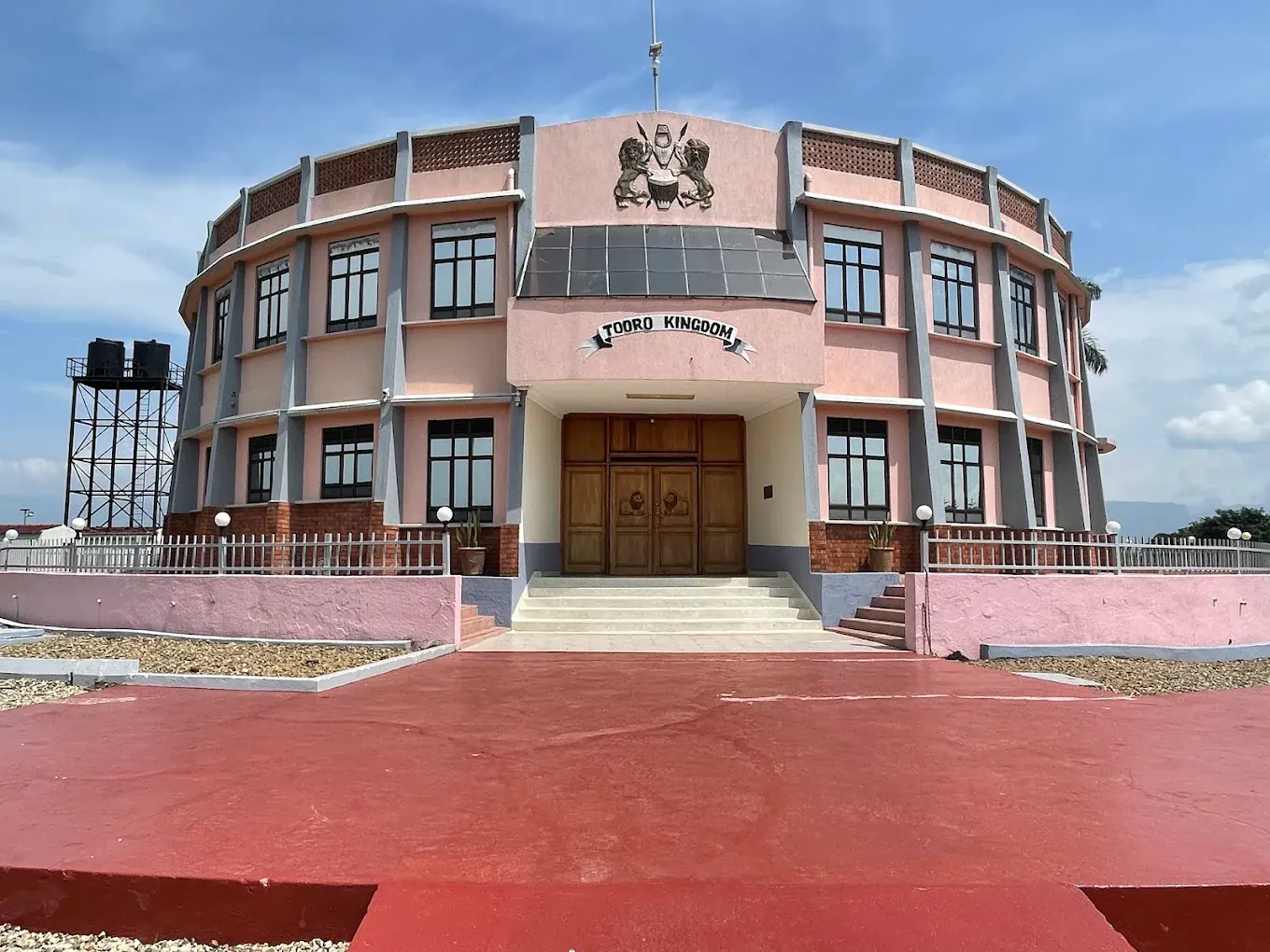
Where Is Tooro Kingdom? – Tooro Kingdom
Tooro Kingdom is located in western Uganda, with Fort Portal serving as its main cultural and urban center.
The kingdom’s traditional areas extend across parts of present-day Kabarole, Bunyangabu, Kamwenge, Kitagwenda, Kyenjojo, Kyegegwa, and Ntoroko.
Its location makes Tooro an excellent starting point for exploring several famous destinations in western Uganda, including Kibale National Park, Semuliki National Park, Queen Elizabeth National Park, and the Rwenzori Mountains.
This combination of cultural and natural attractions makes the region ideal for a longer Uganda safari.
A Brief History of Tooro Kingdom
Tooro Kingdom has a long and fascinating history connected to the ancient kingdoms of the Great Lakes region.
According to the kingdom’s historical account, Tooro became an independent kingdom around 1830 under Prince Kaboyo, also known as Rukirabasaija Kaboyo Omuhundwa Kasusunkwanzi Olimi I.
Prince Kaboyo established Tooro as an independent kingdom after separating from Bunyoro-Kitara and became the first Omukama of Tooro.
The kingdom experienced political changes over the following decades. In 1891, Tooro regained its independence under Omukama Daudi Kasagama Kyebambe IV.
Uganda’s traditional kingdoms were abolished in 1967. They were later restored in 1993 as cultural institutions.
Today, Tooro Kingdom continues to preserve and promote the culture, traditions, history, and identity of the Batooro people.
The Batooro People – Tooro Kingdom
The people of Tooro are known as the Batooro, while one person is called a Mutooro.
The Batooro have a rich cultural heritage expressed through language, music, dance, traditional ceremonies, food, family traditions, storytelling, and community life.
Their traditional language is Rutooro, which remains an important part of Batooro identity.
Agriculture has traditionally been an important part of life in the region. Communities grow crops such as bananas, millet, sweet potatoes, vegetables, beans, and other food crops.
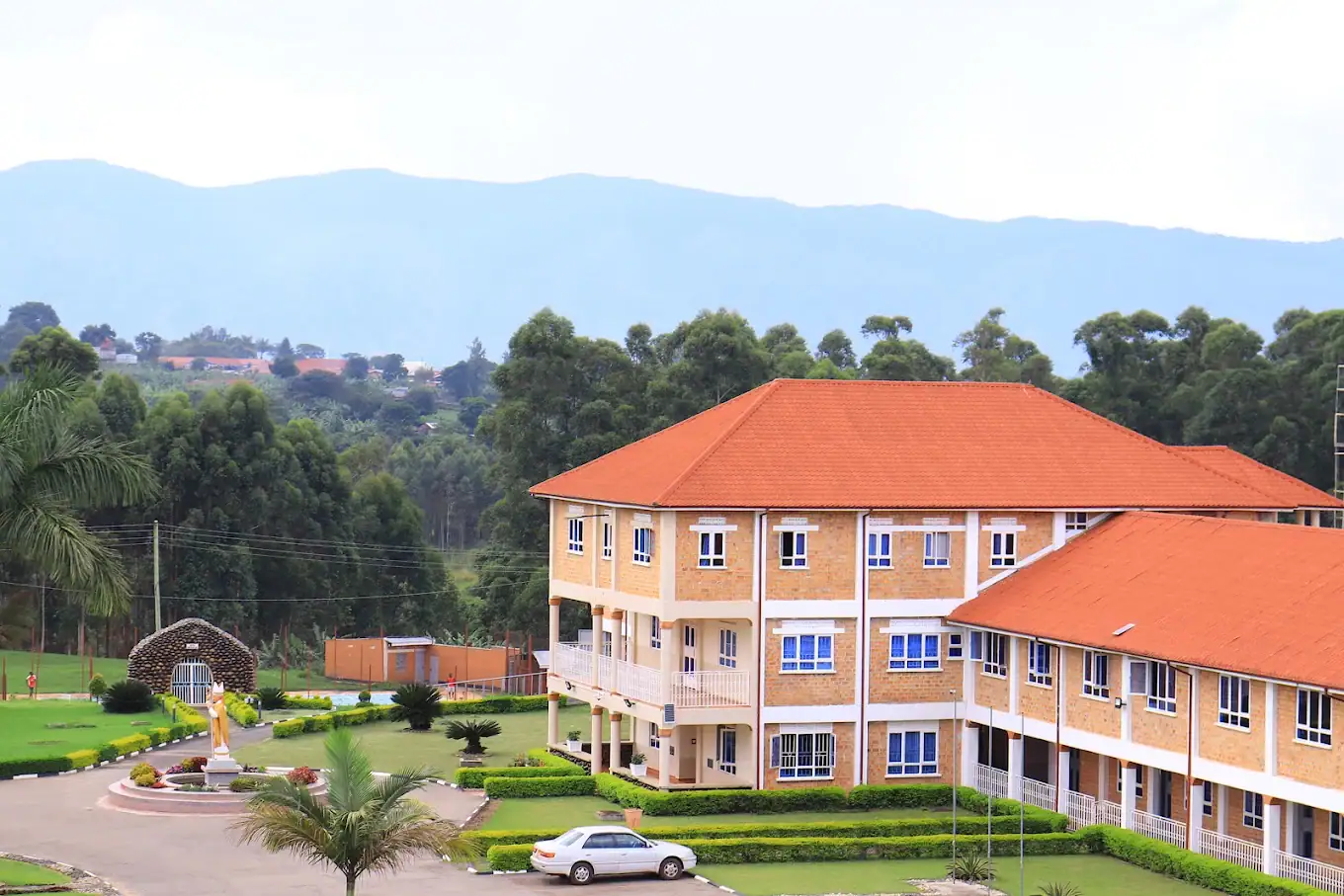
The area is also known for cattle keeping and tea farming.
For travelers, learning about the Batooro people provides a deeper understanding of the region and its connection to the land.
Karuziika Royal Palace
One of the most important cultural attractions in Tooro is Karuziika Royal Palace in Fort Portal.
The palace is an important symbol of the Tooro monarchy and its cultural heritage. It is located on Karuziika Hill, offering beautiful views across Fort Portal and the surrounding countryside.
A visit to the palace provides an opportunity to learn about the history of Tooro’s kings and the cultural significance of the royal institution.
The palace is also associated with Empango, the annual celebration of the king’s coronation anniversary.
For visitors interested in Ugandan history and traditional leadership, Karuziika Royal Palace is an important place to include on a Fort Portal itinerary.
Karambi Royal Tombs – Tooro Kingdom
The Karambi Royal Tombs are another important cultural and historical attraction near Fort Portal.
The site is the final resting place of several former Tooro kings and members of the royal family.
Visitors can learn about the history of the Tooro monarchy while seeing traditional royal artifacts and items associated with the kingdom.
The tombs are an important cultural and sacred site, so visitors should always follow local guidance and show respect during their visit.
A visit to Karambi is particularly valuable for travelers who want to understand the historical development of Tooro Kingdom and its royal traditions.
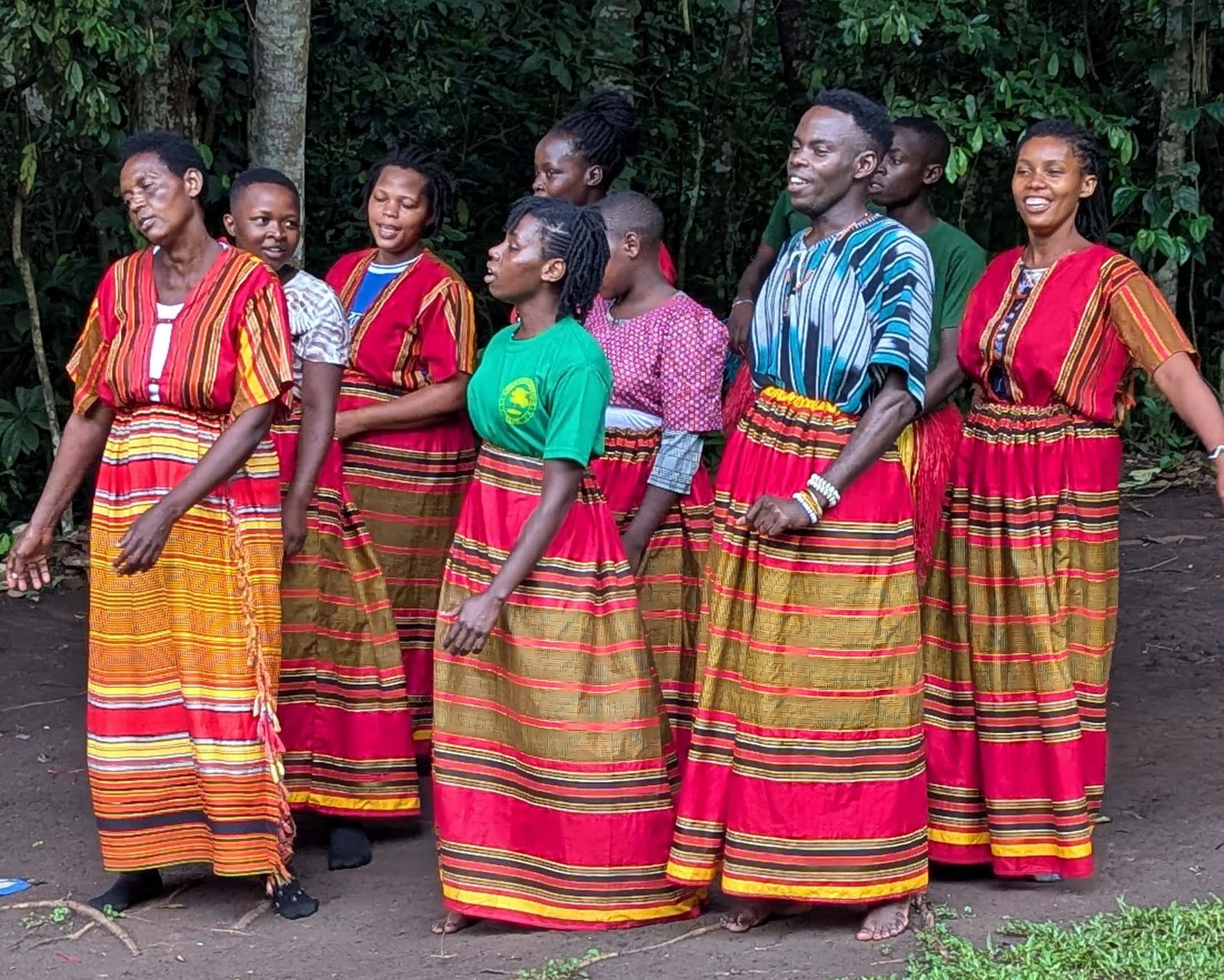
Experience Tooro Traditional Music and Dance
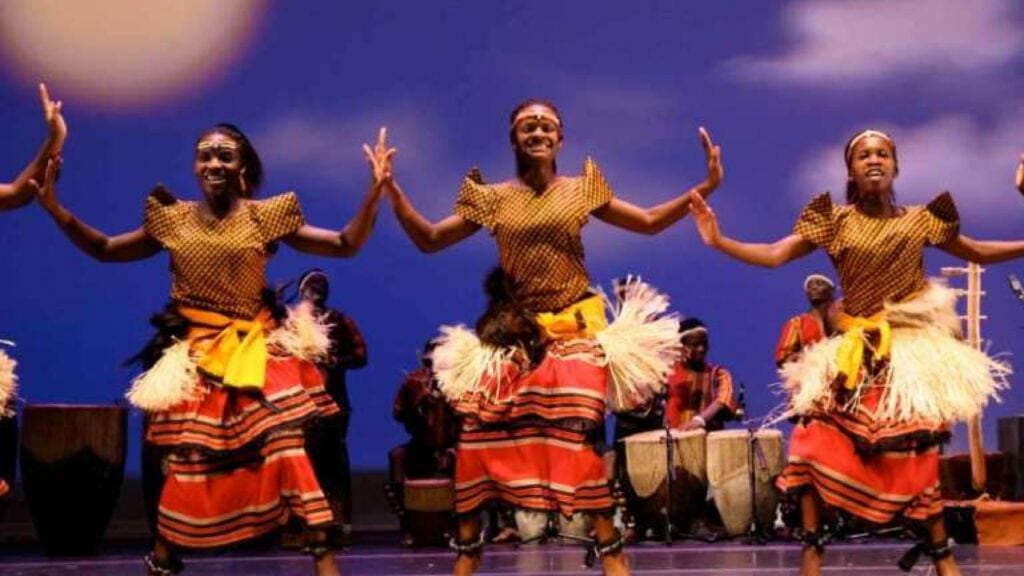
Music and dance are central to many cultural celebrations in Tooro.
Traditional performances can include drumming, singing, dancing, storytelling, and other forms of cultural expression.
These performances provide visitors with a lively introduction to Batooro traditions.
Rather than simply watching a performance, travelers can learn about the meaning of the dances, the role of drums, traditional clothing, and how music is used during important community celebrations.
A cultural performance can therefore become one of the most memorable parts of a visit to Tooro.
Experience Empango Celebrations – Tooro Kingdom
One of the most important cultural events in Tooro is Empango.
Empango is an annual celebration associated with the anniversary of the Omukama’s coronation.
The occasion brings together members of the kingdom and visitors for a celebration of Tooro’s history and cultural identity.
Traditional music, dance, speeches, ceremonies, and community gatherings form an important part of the wider event.
If your travel dates coincide with a public Empango celebration, it can be an excellent opportunity to experience Tooro culture in a vibrant setting.
Explore Amabere Ga Nyina Mwiru
A trip to Tooro would not be complete without visiting Amabere Ga Nyina Mwiru.
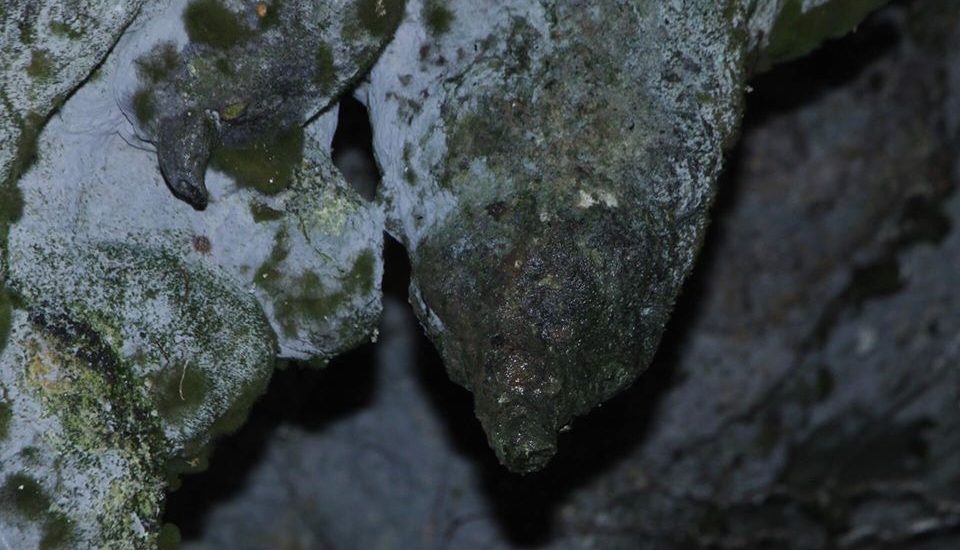
Located near Fort Portal, this attraction combines natural formations, waterfalls, beautiful scenery, and traditional folklore.
The caves are famous for their unusual limestone formations, which have inspired a traditional story about Nyinamwiru.
According to the local legend, Nyinamwiru was the daughter of King Bukuku. The story has been passed down through generations and remains an important part of the cultural interpretation of the site.
Although the story belongs to local folklore rather than documented historical fact, it provides an interesting insight into the oral traditions of the region.
A visit to Amabere is therefore both a natural and cultural experience.
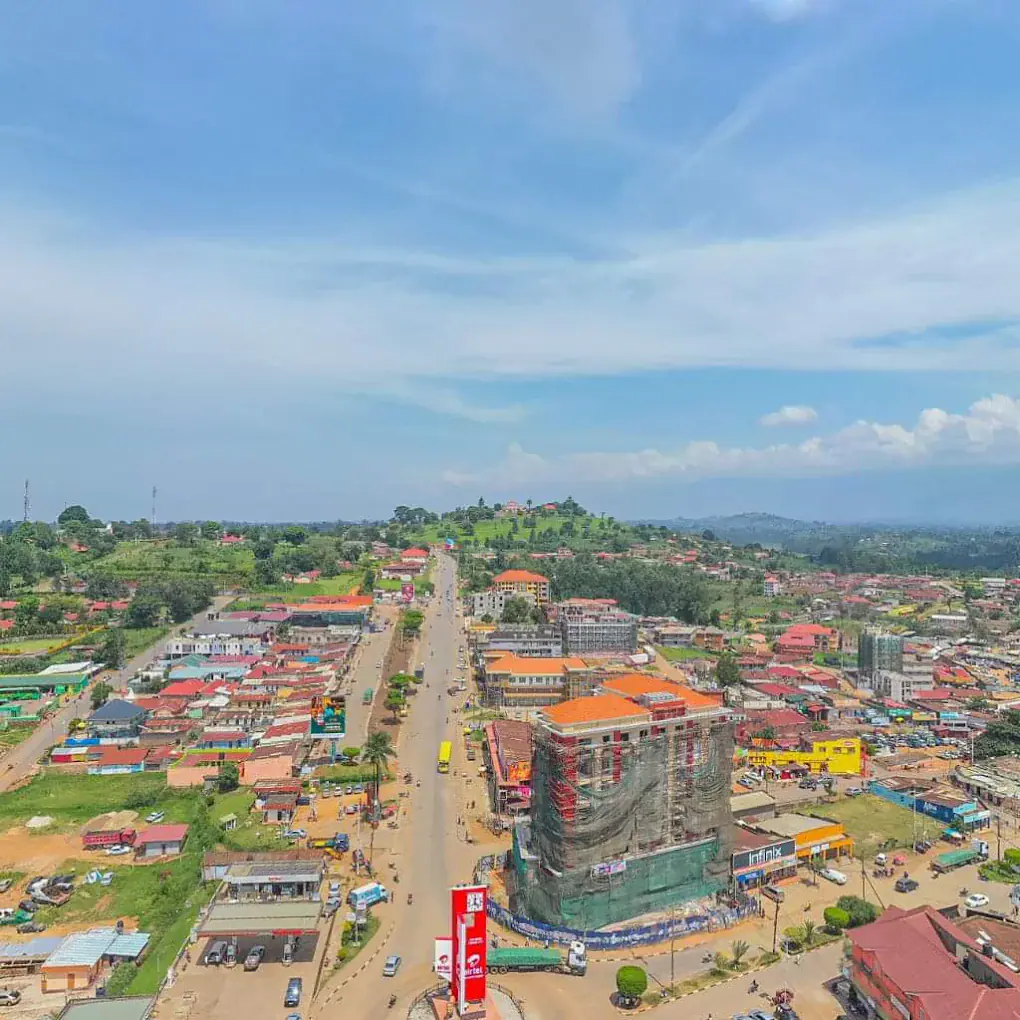
Discover Fort Portal City – Tooro Kingdom
Fort Portal is often regarded as the cultural heart of Tooro.
The city provides a convenient base for travelers exploring the region. It has accommodation, restaurants, shops, markets, and easy access to surrounding attractions.
Fort Portal is also surrounded by beautiful countryside, making it an excellent destination for scenic drives and nature experiences.
From the city, travelers can easily reach attractions such as the crater lakes, tea plantations, Amabere caves, Kibale National Park, and other destinations in western Uganda.
Explore the Crater Lakes of Tooro
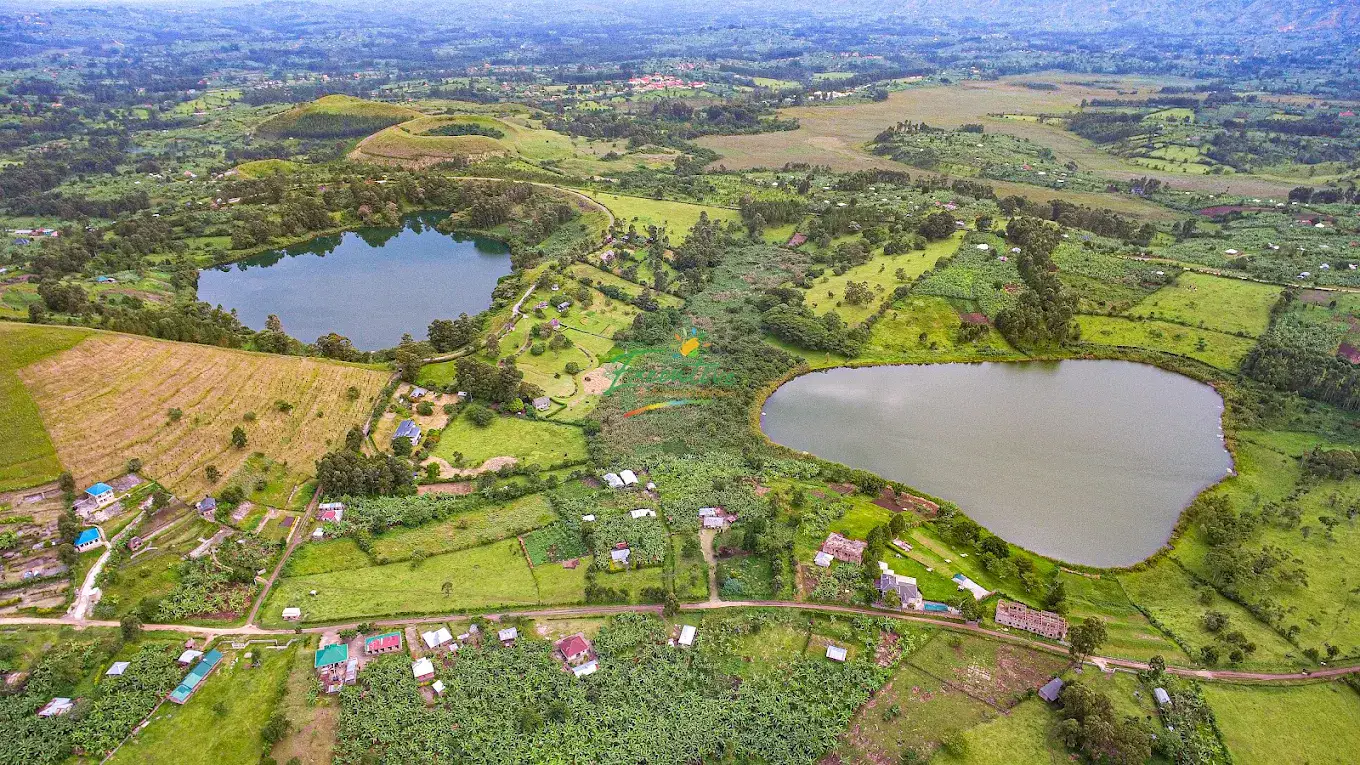
The crater lakes around Fort Portal are among the most beautiful natural attractions in the Tooro region.
The lakes are surrounded by green hills, farms, forests, and small communities.
Their peaceful surroundings make them ideal for travelers looking to escape busy city life.
You can explore the crater lake region through guided walks, cycling, photography, scenic drives, and community visits.
For photographers, the combination of calm water, green hills, farms, and distant mountain views creates beautiful scenery.
Visit the Tea Plantations – Tooro Kingdom
Tea is an important part of the economy and landscape around Fort Portal.
The green tea plantations create spectacular scenery, especially when viewed against the backdrop of the Rwenzori Mountains.
Visitors can explore tea-growing areas and learn about how tea is cultivated and harvested.
A tea plantation visit can also be combined with a broader cultural or countryside tour.
For travelers interested in agriculture, photography, and local livelihoods, this is a rewarding experience.
Discover the Rwenzori Mountains
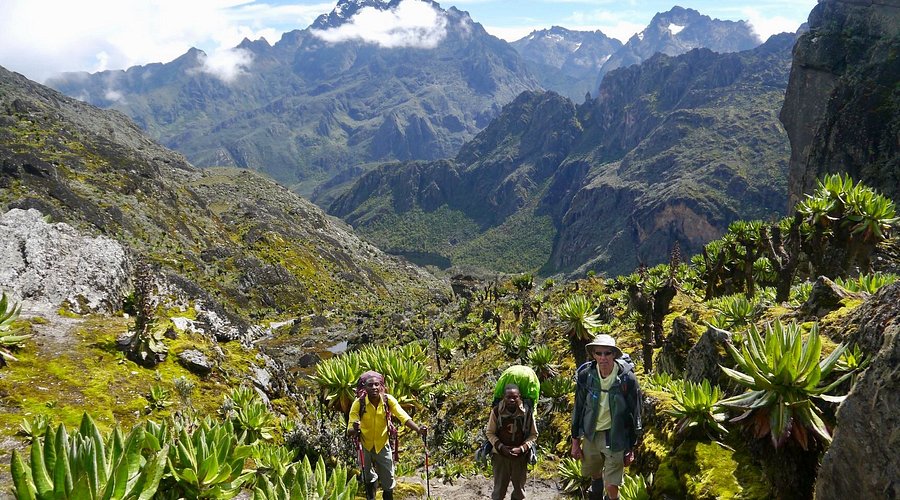
The magnificent Rwenzori Mountains, also known as the Mountains of the Moon, are an important part of the wider landscape of western Uganda.
The mountains provide opportunities for hiking, nature walks, and challenging multi-day trekking expeditions.
For serious hikers, the higher peaks provide a demanding adventure. For travelers who prefer a relaxed experience, simply enjoying views of the mountains from the surrounding countryside can be equally rewarding.
The Rwenzori Mountains also contribute to the unique identity and natural beauty of the Tooro region.
Taste Traditional Tooro Food – Tooro Kingdom
Food is an important part of experiencing a new culture.
Traditional Batooro cuisine includes locally produced foods such as bananas, matoke, millet, sweet potatoes, beans, vegetables, and meat.
Visitors can enjoy local meals while learning about traditional cooking methods and the importance of agriculture to communities in the region.
Trying local food is one of the simplest ways to connect with the culture of Tooro.
Discover Local Arts and Crafts
Tooro also has a rich tradition of arts and crafts.
Visitors can find handmade products created by local artisans, including baskets, decorative items, artwork, and other traditional crafts.
Purchasing locally produced crafts can be a meaningful way to support local artists and communities.
It also gives travelers an opportunity to take home a unique reminder of their time in western Uganda.
Community and Cultural Tourism in Tooro – Tooro Kingdom
Community tourism provides an opportunity to experience Tooro beyond its major tourist attractions.
A community visit may include meeting local families, learning about traditional lifestyles, tasting local food, listening to stories, watching cultural performances, or visiting local craft producers.
These experiences can help travelers understand how communities have adapted to life around the forests, mountains, lakes, and agricultural landscapes of western Uganda.
Responsible tourism can also create income opportunities for local communities while encouraging the preservation of cultural traditions.
Tooro Kingdom and Tourism
Tooro Kingdom adds an important cultural dimension to tourism in western Uganda.
Many travelers visit the region primarily for wildlife or chimpanzee trekking. However, adding cultural experiences makes the journey more complete.
You can spend one day exploring the royal heritage of Tooro, another day tracking chimpanzees in Kibale National Park, and another exploring crater lakes or the Rwenzori landscape.
This combination makes western Uganda particularly appealing to travelers who want a varied and meaningful holiday.
Best Time to Visit Tooro Kingdom – Tooro Kingdom
Tooro Kingdom can be visited throughout the year.
However, the ideal time depends on the activities you want to include in your itinerary.
If you plan to combine your cultural tour with chimpanzee tracking, wildlife safaris, or mountain trekking, consider the seasonal conditions for those activities when planning your trip.
Cultural attractions such as the royal palace, royal tombs, Fort Portal, crater lakes, and local communities can be visited at different times of the year.
It is also worth checking the dates of major cultural events if you would like to experience a traditional celebration.
How to Combine Tooro Kingdom with a Uganda Safari
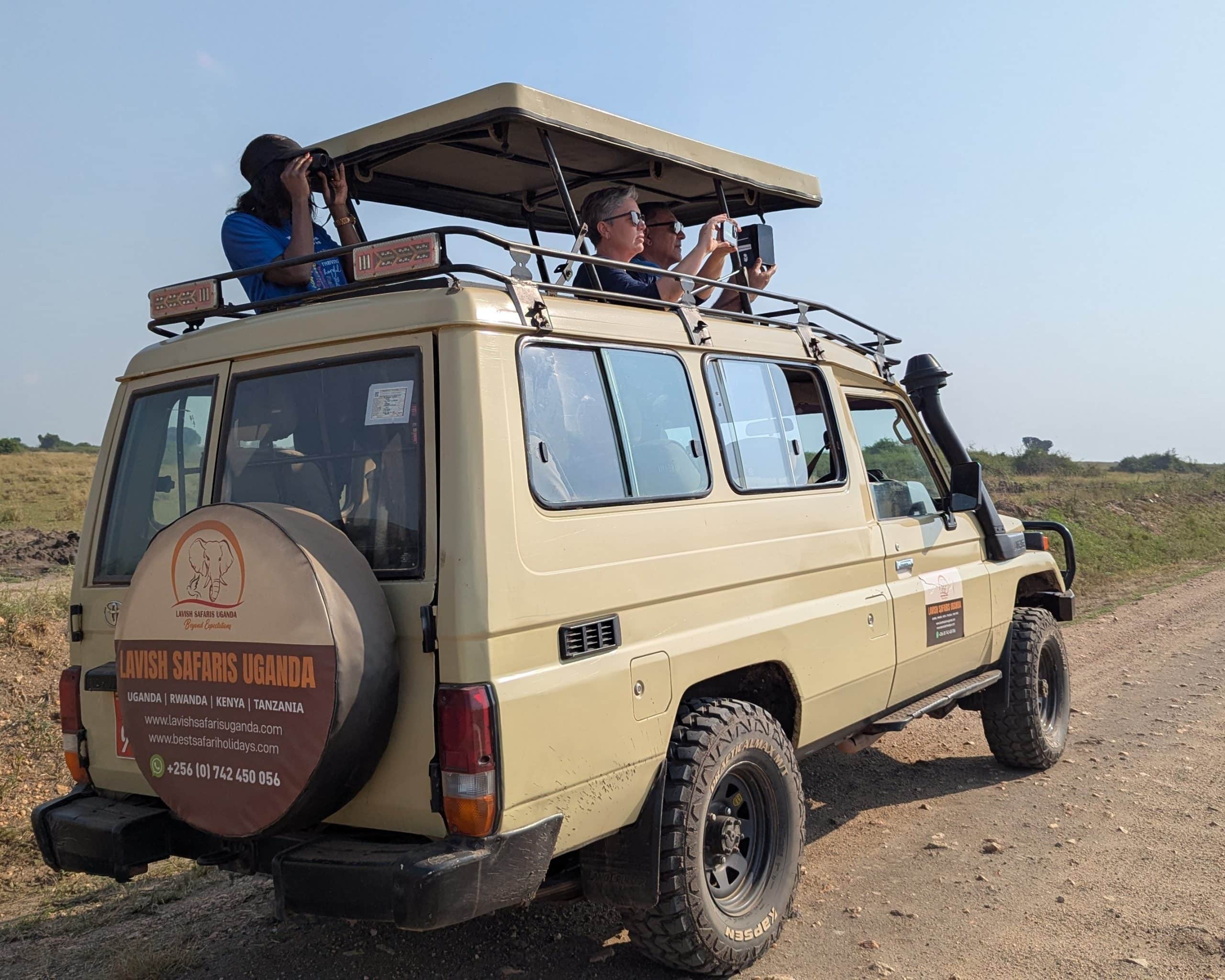
Tooro Kingdom is ideally positioned for a western Uganda safari.
A typical journey can begin in Kampala before continuing to Fort Portal.
From Fort Portal, travelers can explore Tooro’s cultural attractions before heading to Kibale National Park for chimpanzee tracking.
The journey can then continue toward Queen Elizabeth National Park for wildlife viewing and a boat cruise on the Kazinga Channel.
Travelers with more time can continue toward the Rwenzori Mountains and eventually Bwindi Impenetrable National Park for gorilla trekking.
A possible route is:
Kampala → Fort Portal → Tooro Kingdom → Kibale National Park → Queen Elizabeth National Park → Rwenzori Region → Bwindi
This route combines culture, primates, wildlife, mountains, and some of Uganda’s most spectacular scenery.
Why Visit Tooro Kingdom? – Tooro Kingdom
There are many reasons to include Tooro Kingdom in your Uganda travel plans.
Rich cultural heritage
Tooro has a long history and strong cultural traditions that continue to shape the identity of the Batooro people.
Royal history
The Karuziika Royal Palace and Karambi Royal Tombs provide fascinating insights into the kingdom’s royal heritage.
Beautiful landscapes
The region is surrounded by crater lakes, tea plantations, forests, rolling hills, and mountain scenery.
Easy access to other attractions
Fort Portal provides access to several major destinations in western Uganda.
Authentic cultural experiences
Visitors can interact with communities, experience traditional food, music, dance, arts, and storytelling.
Excellent combination with wildlife
Tooro can easily be combined with chimpanzee tracking in Kibale and wildlife safaris in Queen Elizabeth National Park.
Final Thoughts – Tooro Kingdom
Tooro Kingdom is much more than a historic kingdom. It is a living cultural heritage that continues to connect people with the history, traditions, and identity of western Uganda.
A visit to Tooro provides an opportunity to discover the royal heritage of the Batooro, explore Karuziika Palace and Karambi Royal Tombs, experience traditional music and dance, hear fascinating legends, taste local food, and meet communities.
Beyond its cultural attractions, Tooro is surrounded by some of Uganda’s most beautiful natural landscapes. The crater lakes, tea plantations, forests, and Rwenzori Mountains make the region particularly attractive to nature lovers and adventure travelers.
For visitors planning a Uganda safari, adding Tooro Kingdom to a western Uganda itinerary creates a richer experience that combines culture, history, nature, adventure, and community tourism.