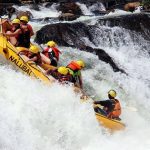

Tourism Clubs and Safaris in Uganda. Walk into almost any Ugandan secondary school or university and you may find a group of students planning their next trip, practising tour-guide scripts, or organising a nature walk. These are tourism clubs, and they are quietly changing how Ugandans see their own country.
Uganda is home to mountain gorillas, tree-climbing lions, the source of the Nile, and more than 1,000 bird species. Yet many Ugandans have never visited a national park. Tourism clubs help change that by turning classroom lessons into real adventures. This guide covers what these clubs do, how they connect with safaris, and how to plan a trip that is educational, safe, and fun.
What Is a Tourism Club?
A tourism club is a group of people who come together to learn about tourism, promote local attractions, and protect the environment. Most clubs fall into one of these categories:
| Type of club | Who joins | Typical focus |
|---|---|---|
| School clubs | Primary and secondary students | Nature awareness, culture, day trips, conservation habits |
| University and college clubs | Tourism, hospitality, wildlife, and environment students | Field learning, industry networking, career skills |
| Community clubs | Youth groups, women’s groups, village associations | Local tourism ideas, cultural showcases, income opportunities |
| Adult and corporate travel clubs | Friends, colleagues, families | Group safaris, team bonding, domestic travel |
The details differ, but the idea is the same: learn about it, experience it, and help protect it.
Why Tourism Clubs Matter in Uganda
1. They grow domestic tourism
Foreign visitors get most of the attention, but local travellers are a huge opportunity. When Ugandans take trips within their own country, they support lodges, guides, drivers, restaurants, and craft sellers all year round, including in low seasons when international visitors are fewer.
2. They build conservation champions
Someone who has watched an elephant herd cross a river or listened to chimpanzees in the forest is far more likely to care about protecting wildlife. Clubs turn that spark into lifelong habits.
3. They prepare tomorrow’s tourism workforce
Tourism is one of Uganda’s biggest sources of jobs and foreign income. Clubs give members early exposure to careers such as:
- Safari guides and drivers
- Park rangers and wildlife researchers
- Lodge and restaurant managers
- Travel consultants and tour planners
- Conservation and community development officers
4. They strengthen communities
Many clubs work with people who live near parks. Cultural visits, craft markets, and homestays bring income directly to families and show how conservation and livelihoods can support each other.
5. They teach life skills
Planning a trip means budgeting, negotiating, communicating, solving problems, and working as a team. These are skills that last well beyond any one safari.
What a Healthy Tourism Club Does Year-Round
The best clubs are active all year, not only during an annual trip. Ideas include:
- Monthly meetings with a theme, such as birds, primates, culture, or conservation news
- Guest speakers like rangers, safari guides, lodge owners, and conservationists
- Nature walks in local forests, wetlands, or botanical gardens
- Clean-up days and tree planting to give back to the environment
- Tourism quizzes and debates to sharpen knowledge
- Photography contests showcasing Uganda’s landscapes and wildlife
- Mock tours where members practise guiding and presenting
- Fundraising events to help pay for trips and community projects
- Social media pages that promote Ugandan destinations to a wider audience
Top Safari Destinations for Tourism Clubs
Different clubs have different budgets, ages, and interests. Here is a breakdown to help match the destination to the group.
Beginner-friendly and budget-conscious
Entebbe and Lake Victoria area
A great starting point for school groups. Visit the wildlife education centre, wander the botanical gardens, and, if time allows, take a canoe trip to Mabamba Swamp to search for the rare shoebill stork.
Ziwa Rhino Sanctuary
Walk on foot to see white rhinos up close, with expert rangers explaining the story of rhino conservation in Uganda. It’s an easy stop on the way to Murchison Falls.
Lake Mburo National Park
Compact, scenic, and close to Kampala, this park is perfect for a first safari. Expect zebras, impalas, giraffes, and plenty of birds. Boat rides and guided walks make it especially good for learners.
Classic safari experiences
Queen Elizabeth National Park
This park offers savanna, crater lakes, and wetlands in one place. Highlights include game drives, the Kazinga Channel boat cruise with hippos and elephants, and the tree-climbing lions of Ishasha.
Murchison Falls National Park
Uganda’s largest park has a spectacular waterfall, rich wildlife, and some of the best boat trips in the country. It works well for clubs studying ecosystems, rivers, and conservation.
Primate adventures
Kibale National Park
Famous for chimpanzee tracking and one of the highest primate densities in Africa. It’s excellent for clubs interested in biodiversity and forest ecology.
Bwindi Impenetrable and Mgahinga National Parks
Home to the endangered mountain gorillas. Trekking requires a permit and a minimum age of 15, so it suits older students and adult clubs with a bigger budget.
Wilderness for the adventurous
Kidepo Valley National Park
Remote, rugged, and full of character. It rewards clubs that have more time and a sense of adventure.
Sample Itineraries for Club Trips
One-day learning trip
- Morning: Wildlife education centre in Entebbe
- Midday: Picnic lunch and nature talk
- Afternoon: Botanical gardens walk and group reflection
Weekend safari (2 to 3 days)
- Day 1: Drive to Lake Mburo, check in, evening game drive
- Day 2: Morning walking safari, boat trip, community craft visit
- Day 3: Club discussion on what members learned, return to Kampala
Five-day wildlife and primates trip
- Day 1: Drive to Murchison Falls, stopping at Ziwa Rhino Sanctuary
- Day 2: Game drive and boat trip to the base of the falls
- Day 3: Travel to Kibale, visit a local community
- Day 4: Chimpanzee tracking, then move to Queen Elizabeth
- Day 5: Kazinga Channel cruise and return
Extended adventure (7 to 10 days)
Add Bwindi for gorilla trekking and Kidepo for remote wilderness, depending on budget and ages.
Planning a Club Safari: A Practical Checklist
1. Define the purpose. Decide whether the trip is mainly for learning, fun, fundraising, or career exposure. This shapes everything else.
2. Appoint a planning team. Give members roles such as treasurer, safety officer, logistics lead, and communications lead. This makes the trip a learning exercise in itself.
3. Set a realistic budget. Include:
- Transport and fuel
- Park entrance fees
- Accommodation and meals
- Guides and activity fees
- Insurance and emergency funds
4. Choose dates wisely. Dry seasons (June to September and December to February) make roads and trails easier. Wet seasons (March to May and October to November) bring green landscapes and quieter parks but muddier conditions.
5. Work with a licensed operator. A trusted company can arrange vehicles, guides, permits, and group-friendly itineraries, and can often suggest cost-saving ideas.
6. Check current fees and rules. Park fees vary by residency and age category, and they change from time to time. Confirm the latest rates with the Uganda Wildlife Authority or your operator before finalising your budget.
7. Get permissions. For school groups, secure written consent from the school and parents, and share the full itinerary and emergency contacts.
8. Brief the group. Cover safety rules, behaviour, packing lists, and learning goals before departure.
Money-Saving Ideas for Clubs
- Go as a bigger group to share vehicle and guide costs.
- Pick nearer parks for shorter, cheaper trips.
- Use budget lodges, campsites, or hostels that welcome groups.
- Travel outside peak season for better rates.
- Fundraise early with talent shows, sports days, sponsorships, or partnerships with local businesses.
- Ask for group or student discounts from operators and lodges.
- Bring your own snacks and refillable water bottles to save money and reduce plastic.
What to Pack – Tourism Clubs and Safaris in Uganda
- Comfortable clothes in neutral colours such as khaki, green, or brown
- A warm layer for early mornings
- Sturdy closed shoes or hiking boots
- Rain jacket or poncho
- Hat, sunglasses, sunscreen, and insect repellent
- Reusable water bottle
- Binoculars and camera
- Notebook and pen for field notes
- Basic first-aid kit and personal medication
Safari Manners: How Good Visitors Behave
- Keep your distance from wildlife and never feed animals.
- Stay in the vehicle during game drives unless the guide says otherwise.
- Speak quietly so animals and other visitors aren’t disturbed.
- Don’t litter. Carry out everything you bring in.
- Respect local people. Ask before taking photos and buy crafts directly from makers.
- Listen to your guide and rangers. They know the animals and the area best.
Health and Safety – Tourism Clubs and Safaris in Uganda
- Talk to a doctor or travel clinic about vaccinations and malaria prevention.
- Carry a first-aid kit and identify members with first-aid training.
- Use well-maintained vehicles and experienced drivers.
- Keep a full list of members, emergency contacts, and medical needs with the group leader.
- Consider travel or accident insurance for the group.
How to Start a Tourism Club – Tourism Clubs and Safaris in Uganda
No club at your school or community yet? Here’s how to begin.
- Find a few like-minded friends and a teacher, lecturer, or mentor to guide you.
- Get approval from your school, college, or local leaders.
- Draft a short constitution with your purpose, leadership roles, and meeting schedule.
- Start small. A nature walk, film screening, or guest talk is enough to build momentum.
- Build partnerships with safari operators, lodges, conservation groups, and the Uganda Wildlife Authority.
- Document and share your activities on social media and school newsletters to attract members and supporters.
The Bigger Picture – Tourism Clubs and Safaris in Uganda
Lavish Safaris Uganda. When young people see Uganda’s wildlife for themselves, they understand why it matters. A tourism club trip can plant the idea that tourism is not only about visitors from abroad. It is about Ugandans enjoying, protecting, and benefiting from their own natural heritage.