
Discover the Best Wildlife Experiences in the Pearl of Africa
Introduction to Uganda Safari Wildlife
Uganda Safari Wildlife: Discover the Best Wildlife Experiences in the Pearl of Africa. Uganda safari wildlife offers an extraordinary opportunity to discover Africa’s natural beauty, diverse animal species, and breathtaking landscapes. Known as the Pearl of Africa, Uganda is one of East Africa’s most rewarding safari destinations, combining classic savannah wildlife viewing with tropical rainforest adventures, mountain gorilla encounters, chimpanzee tracking, and unforgettable boat safaris.

From elephants roaming across open grasslands to lions resting beneath acacia trees, Uganda provides remarkable opportunities to observe wildlife in its natural habitat. The country is also famous for its mountain gorillas, chimpanzees, colourful birdlife, and beautiful national parks, making it an excellent destination for nature lovers, photographers, families, couples, and adventure travellers.
Unlike destinations that focus mainly on savannah game drives, Uganda offers a diverse range of experiences within one safari holiday. Visitors can explore Murchison Falls National Park, enjoy wildlife viewing in Queen Elizabeth National Park, track chimpanzees in Kibale National Park, and encounter mountain gorillas in Bwindi Impenetrable National Park.
Whether you are planning a short wildlife getaway, a Big Five safari, a luxury African adventure, or a comprehensive wildlife holiday, Uganda offers opportunities to create a memorable journey tailored to your interests and budget.
Why Choose Uganda for a Safari Wildlife Adventure? – Uganda Safari Wildlife
Uganda is a special safari destination because it combines diverse wildlife, dramatic scenery, rich cultural heritage, and a wide variety of outdoor activities.
1. Exceptional Wildlife Diversity
Uganda’s varied ecosystems support an impressive range of wildlife. Its national parks, forests, wetlands, lakes, and savannahs provide habitats for large mammals, primates, reptiles, and numerous bird species.
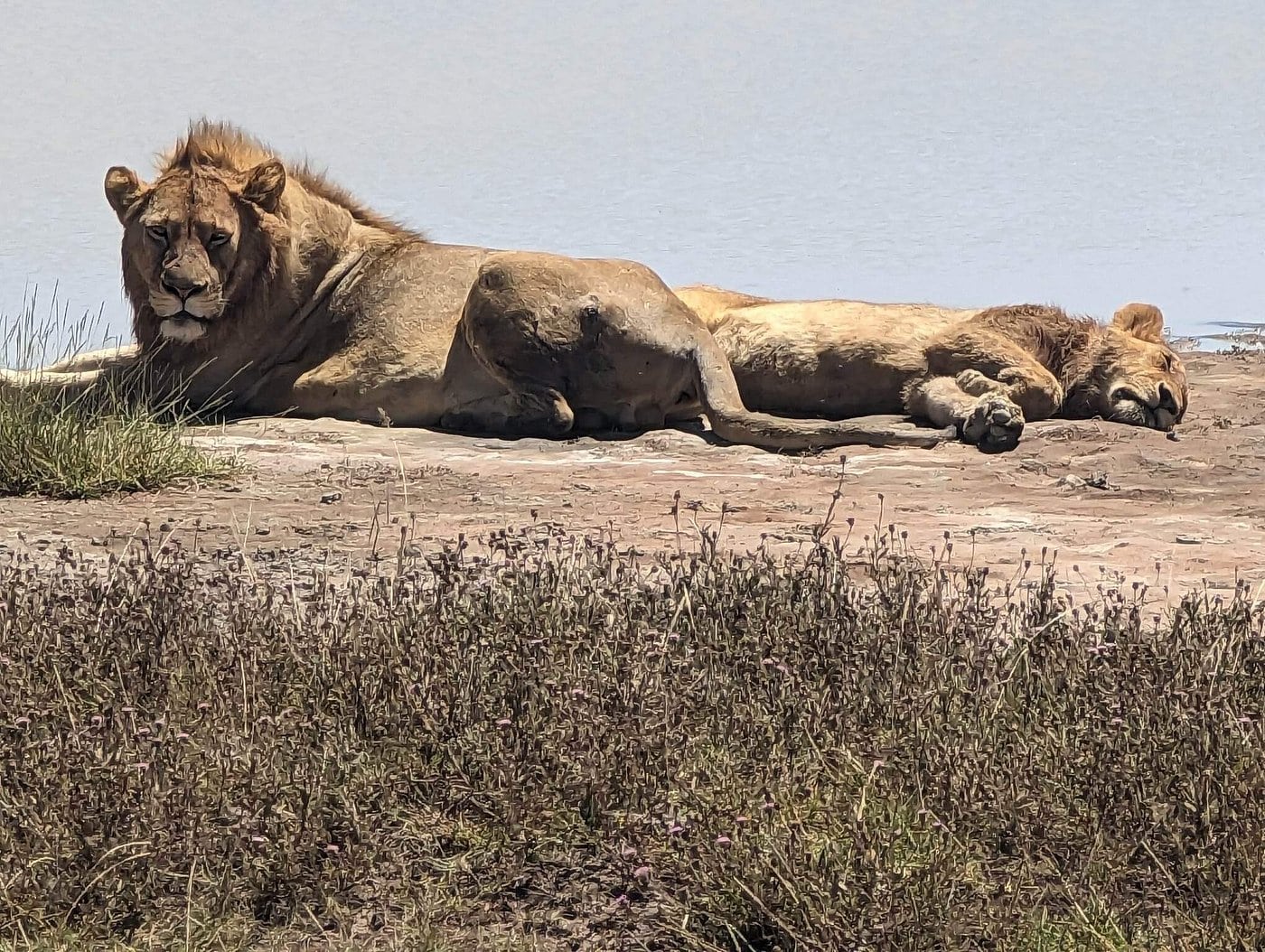
During a safari, visitors may encounter African elephants, lions, leopards, buffaloes, giraffes, zebras, hippos, crocodiles, waterbucks, Uganda kobs, and several other antelope species.
The country’s forests offer equally rewarding experiences, particularly for travellers interested in mountain gorillas, chimpanzees, and other primates.
Wildlife sightings depend on the location, season, habitat conditions, and movements of animals. However, Uganda’s variety of ecosystems creates excellent opportunities for diverse wildlife encounters.

2. Opportunities to See the African Big Five – Uganda Safari Wildlife
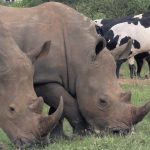
The African Big Five consists of lions, leopards, elephants, buffaloes, and rhinoceroses. Uganda offers opportunities to see all five during a carefully planned safari.
Queen Elizabeth National Park and Murchison Falls National Park are among the leading destinations for viewing elephants, lions, buffaloes, and leopards. Rhino tracking at Ziwa Rhino Sanctuary can be included in an itinerary, particularly when travelling towards Murchison Falls.
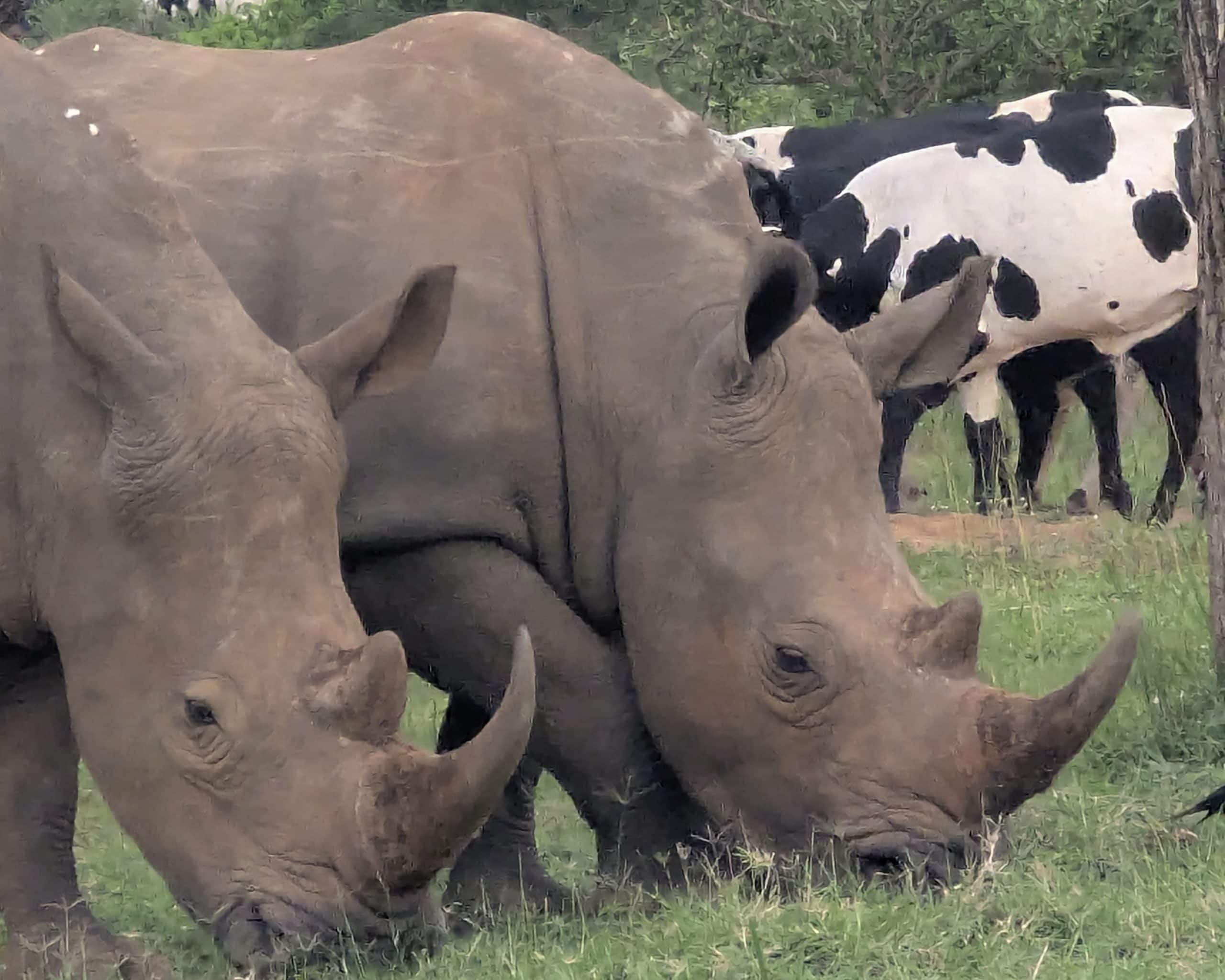
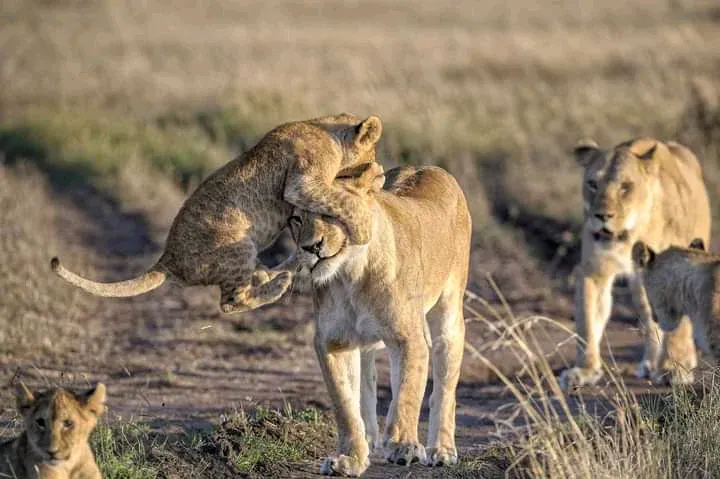
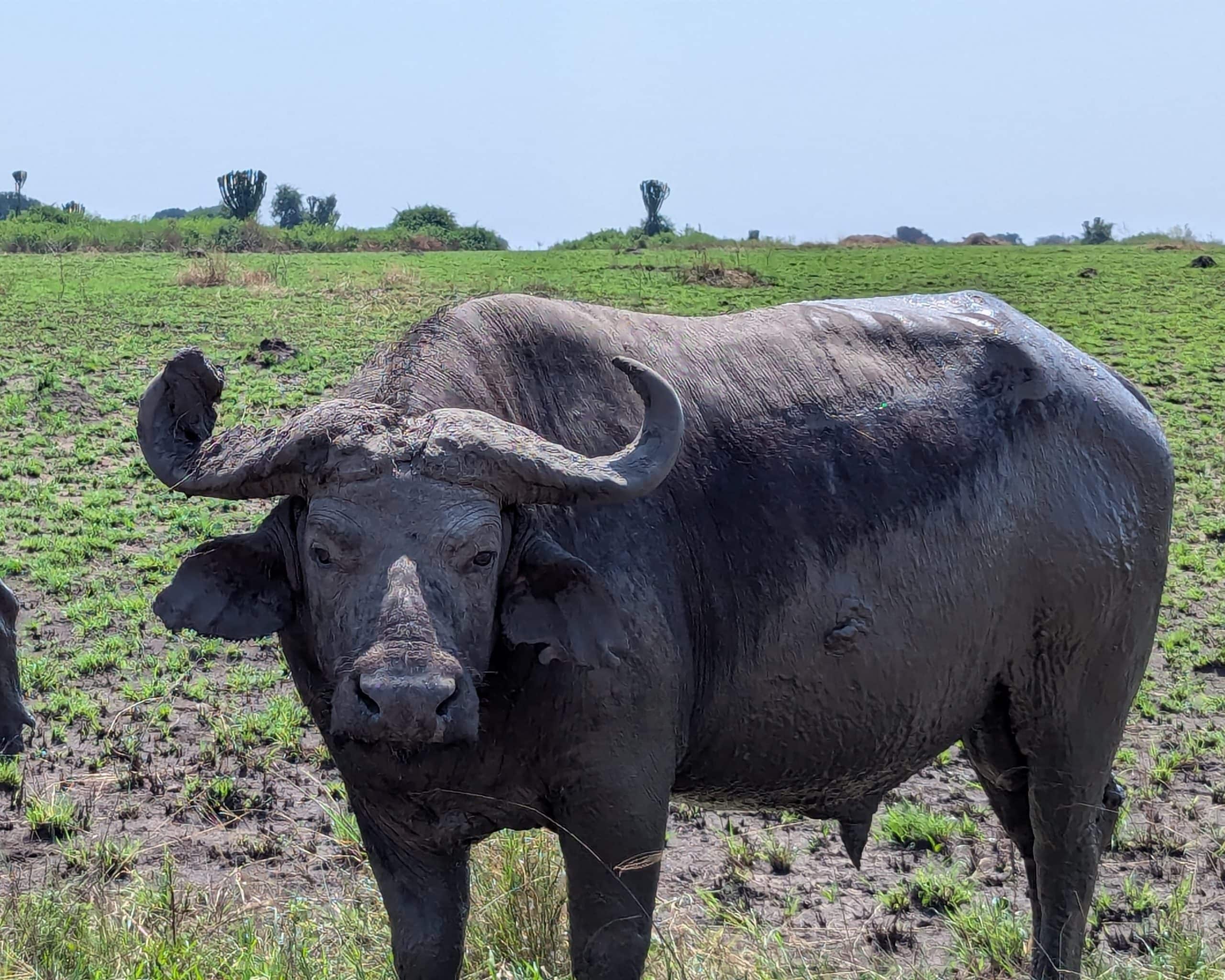
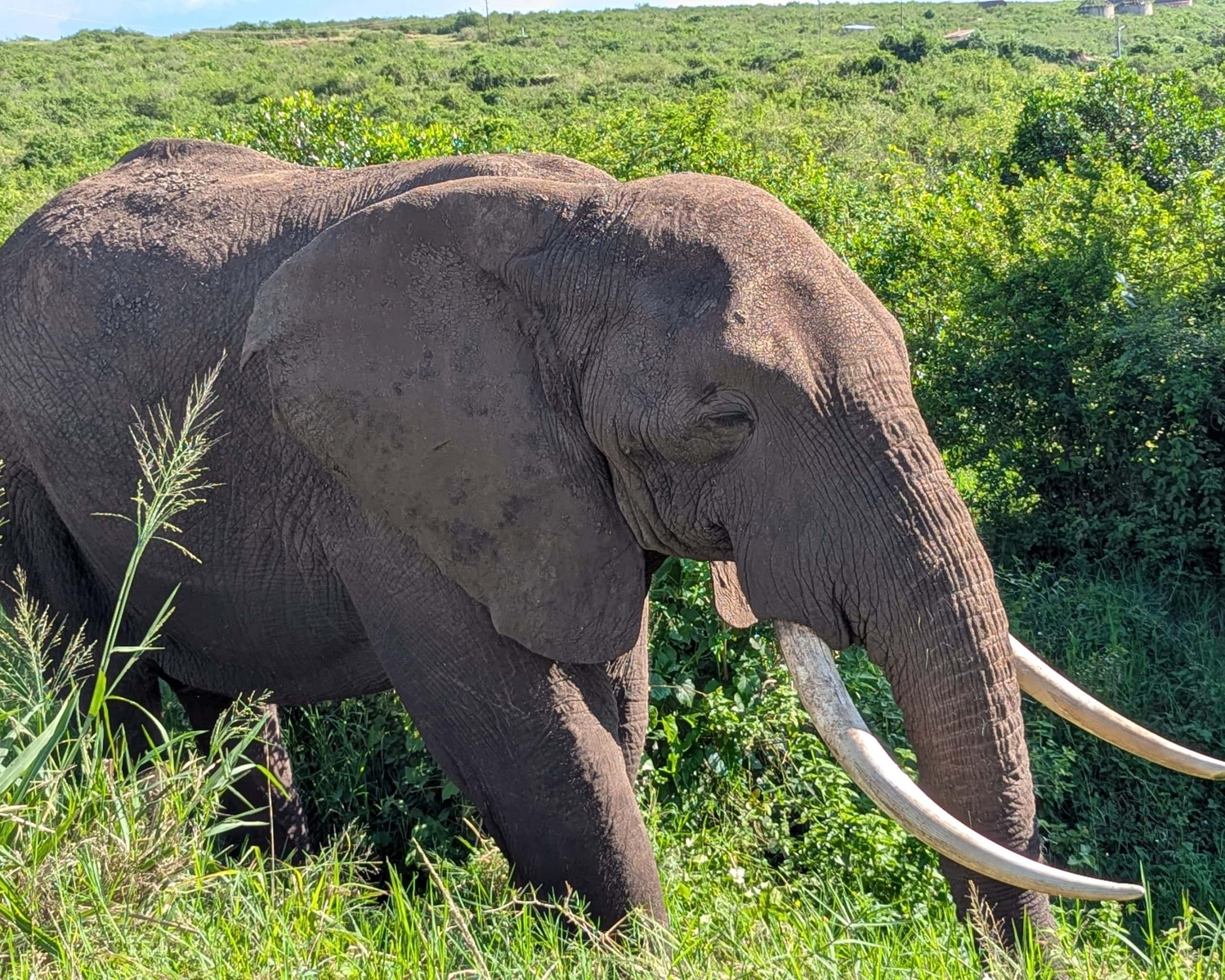

Combining these destinations allows visitors to experience different wildlife habitats while searching for the Big Five.
It is important to remember that sightings are never guaranteed. Rhinoceros tracking is also a separate guided conservation experience at the sanctuary rather than a standard game drive inside the main national parks.
3. Mountain Gorilla Trekking
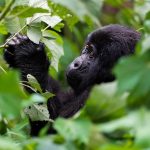
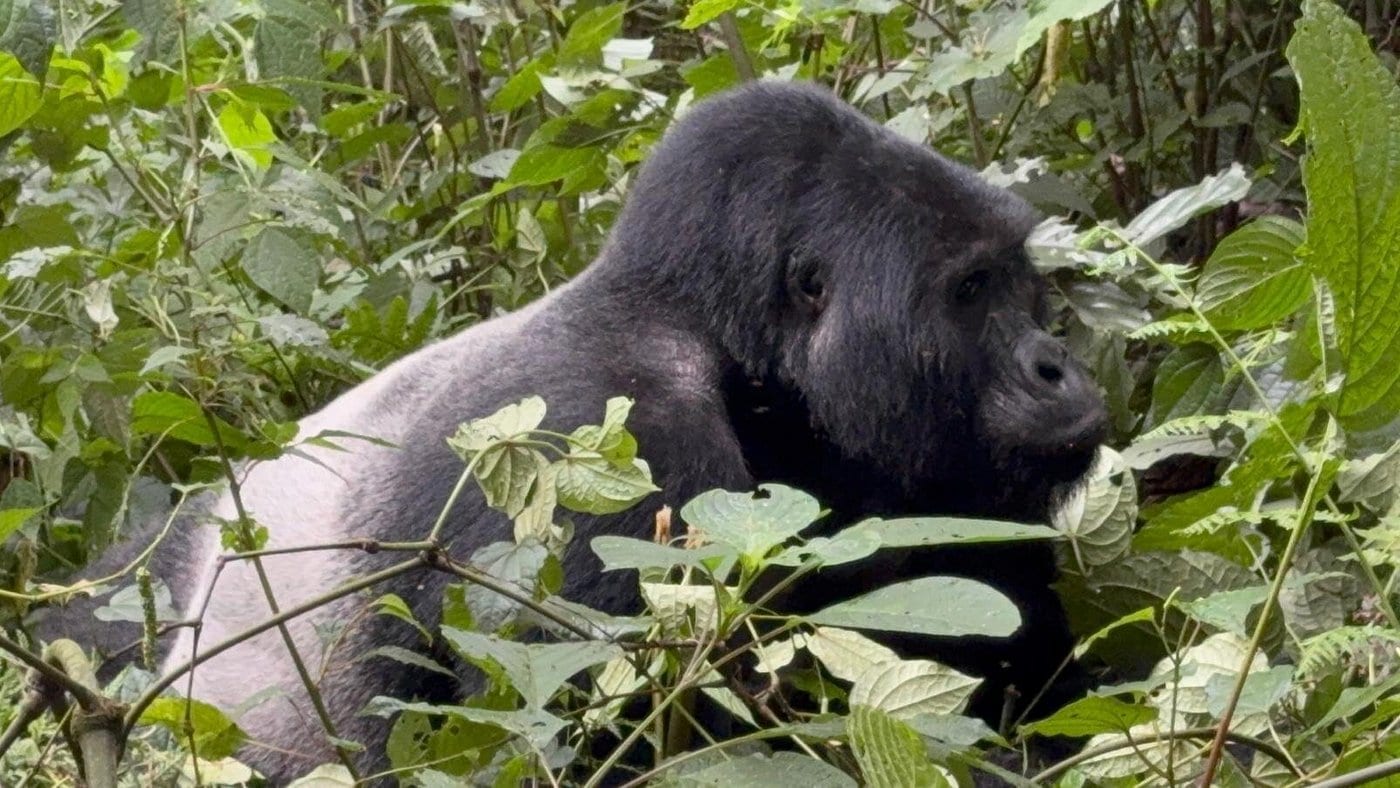
Mountain gorilla trekking is one of Uganda’s most celebrated wildlife experiences. Bwindi Impenetrable National Park and Mgahinga Gorilla National Park provide opportunities to observe habituated mountain gorilla families in their natural forest habitats.
The experience involves hiking through forest vegetation with authorised guides and trackers. Once the gorillas are located, visitors can observe their behaviour during the permitted viewing period, including feeding, grooming, resting, and interacting with family members.
Gorilla trekking permits are limited, and advance booking is strongly recommended. Visitors should also prepare for steep slopes, muddy trails, and changing weather conditions.
4. Chimpanzee Tracking in Tropical Forests – Uganda Safari Wildlife
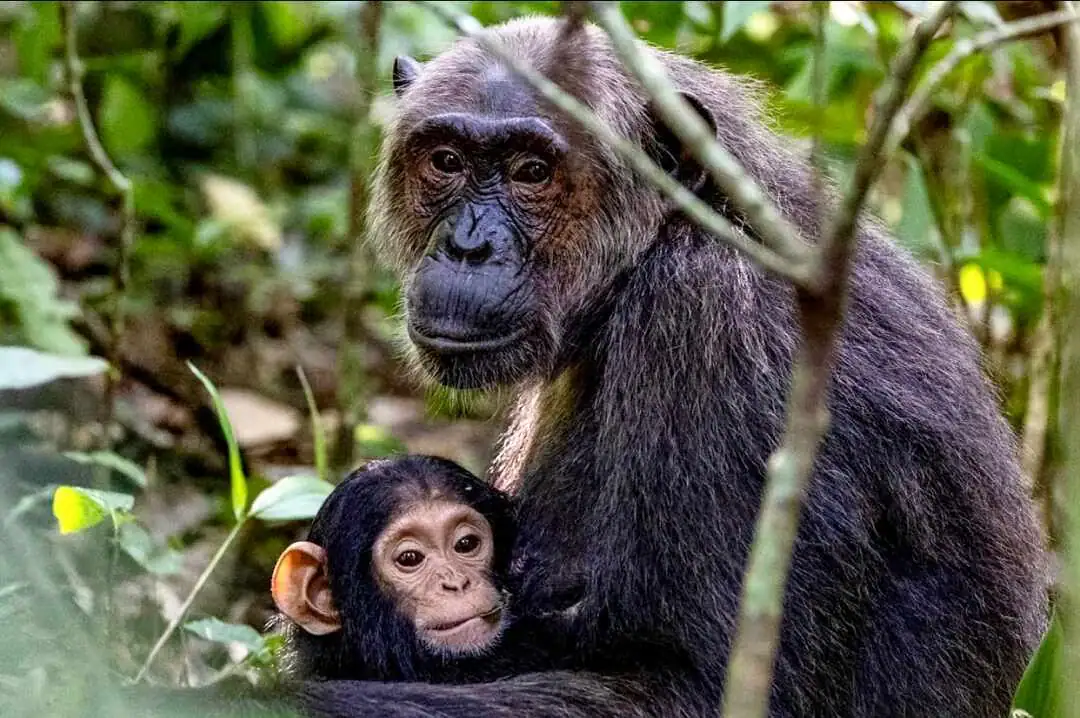
Uganda is also a leading destination for chimpanzee tracking, particularly in Kibale National Park.
Chimpanzees are intelligent, social primates whose behaviour makes them fascinating to observe. Visitors may see them feeding, communicating, grooming, or moving through the forest canopy.
Chimpanzee tracking provides a different experience from savannah game drives and complements mountain gorilla trekking beautifully.
5. Beautiful Landscapes and Scenic Experiences
Uganda’s landscapes are among the highlights of a safari. Travellers can enjoy rolling savannahs, ancient rainforests, crater lakes, volcanic mountains, wetlands, and dramatic river valleys.

Murchison Falls offers spectacular views of the Nile squeezing through a narrow rocky gorge. Queen Elizabeth National Park features beautiful crater lakes and the wildlife-rich Kazinga Channel, while Bwindi’s mist-covered forests create an unforgettable setting for gorilla trekking.
These landscapes make Uganda ideal for travellers seeking wildlife encounters alongside photography, nature exploration, and cultural discovery.
Best National Parks for Uganda Safari Wildlife – Uganda Safari Wildlife
1. Murchison Falls National Park
Murchison Falls National Park is Uganda’s largest national park and one of the country’s most popular destinations for wildlife safaris. It combines extensive savannah plains, riverine woodland, wetlands, and the remarkable River Nile.
The park is home to elephants, giraffes, buffaloes, lions, leopards, hippos, crocodiles, and various antelope species.
Top wildlife activities in Murchison Falls National Park
- Morning and afternoon game drives.
- Boat cruises along the Nile.
- Visits to the top of Murchison Falls.
- Wildlife photography across the savannah.
- Birdwatching in riverine and wetland habitats.
- Rhino tracking at Ziwa Rhino Sanctuary as part of a wider safari itinerary.
Game drives provide opportunities to search for grazing animals and predators across the northern savannah. A boat cruise along the Nile offers a different perspective, with hippos, crocodiles, elephants near the riverbanks, and numerous waterbirds often visible.
The park is an excellent choice for travellers looking for classic African wildlife viewing combined with spectacular scenery.
2. Queen Elizabeth National Park – Uganda Safari Wildlife
Queen Elizabeth National Park is one of Uganda’s most diverse wildlife destinations. Located in western Uganda, it contains open grasslands, woodland, wetlands, crater lakes, and the famous Kazinga Channel.
The park supports elephants, buffaloes, lions, leopards, hippos, crocodiles, and many antelope species. It is also known for its rich birdlife.
Best safari experiences in Queen Elizabeth National Park
- Game drives across the Kasenyi plains.
- Boat safaris along the Kazinga Channel.
- Searching for lions and leopards.
- Exploring the Ishasha sector, famous for its tree-climbing lions.
- Birdwatching and nature photography.
- Scenic drives around the crater lakes.
The Kazinga Channel boat safari is particularly popular because visitors can observe hippos, crocodiles, waterbirds, and other wildlife along the water’s edge.
The Ishasha sector adds another exciting dimension to a safari because of its tree-climbing lions, although sightings are not guaranteed.
Queen Elizabeth National Park is ideal for travellers seeking a varied safari with game drives, boat trips, and scenic exploration.
3. Bwindi Impenetrable National Park – Uganda Safari Wildlife
Bwindi Impenetrable National Park is internationally recognised for its mountain gorilla population and ancient tropical rainforest. This UNESCO World Heritage Site is an important conservation area and one of Uganda’s most distinctive wildlife destinations.
The park offers guided mountain gorilla trekking, allowing visitors to observe habituated gorilla families in their natural environment.
Bwindi has four main gorilla trekking sectors: Buhoma, Ruhija, Rushaga, and Nkuringo. The appropriate sector depends on permit availability, the assigned gorilla family, accommodation, and itinerary arrangements.
Activities in Bwindi include:
- Mountain gorilla trekking.
- Gorilla habituation experiences in the designated area, subject to permits.
- Forest walks where available.
- Birdwatching.
- Community and cultural experiences.
- Learning about forest conservation.
Gorilla trekking is physically demanding for some visitors because trails may be steep, slippery, and uneven. Appropriate footwear, drinking water, and suitable outdoor clothing are essential.
Bwindi is a must-visit destination for travellers seeking a memorable primate experience during their Uganda safari.
4. Kibale National Park – Uganda Safari Wildlife
Kibale National Park is one of the best places in Uganda to experience chimpanzee tracking. Its tropical rainforest supports a rich diversity of primates, birds, and other forest wildlife.
Guided tracking excursions take visitors into the forest to search for chimpanzees and observe their behaviour.
Popular activities in Kibale National Park
- Chimpanzee tracking.
- Chimpanzee habituation experiences where available.
- Guided forest walks.
- Birdwatching.
- Primate observation.
- Visits to nearby Bigodi Wetland Sanctuary.
Kibale is especially attractive to travellers who want to explore Uganda’s rainforests and learn about primate behaviour. It can be combined with Queen Elizabeth National Park or Bwindi to create a broader wildlife itinerary.
5. Lake Mburo National Park – Uganda Safari Wildlife
Lake Mburo National Park is a rewarding destination for wildlife viewing in western Uganda. Its rolling hills, acacia woodland, open grassland, and lakes provide habitats for zebras, impalas, elands, buffaloes, giraffes, hippos, and many bird species.
Best activities in Lake Mburo National Park
- Guided game drives.
- Boat trips on Lake Mburo.
- Guided walking safaris in designated areas.
- Horseback safaris where available.
- Birdwatching.
- Wildlife photography.
Lake Mburo is particularly appealing to travellers seeking a relaxed safari or a destination where guided walking experiences complement traditional game drives.
Its location also makes it a useful stop on a longer journey between Kampala and southwestern Uganda.
6. Kidepo Valley National Park – Uganda Safari Wildlife
Kidepo Valley National Park is located in northeastern Uganda and is known for its remote wilderness, dramatic mountains, open plains, and seasonal river valleys.
The park supports lions, elephants, buffaloes, giraffes, zebras, and various antelope species. It also offers excellent opportunities for birdwatching and wildlife photography.
The Narus Valley is a popular area for game drives because wildlife often gathers around available water sources, especially during drier periods.
Kidepo is a particularly good choice for travellers seeking a quieter safari with dramatic landscapes and a sense of remote wilderness. Because it is far from central Uganda, visitors should allow enough time for road travel or consider suitable domestic flight options.
7. Mgahinga Gorilla National Park
Mgahinga Gorilla National Park lies in southwestern Uganda within the Virunga volcanic mountain range. Its forested slopes, bamboo vegetation, and volcanic scenery provide a unique setting for wildlife encounters.
The park is known for mountain gorillas and golden monkeys.
Activities in Mgahinga include:
- Mountain gorilla trekking.
- Golden monkey tracking.
- Guided hikes on designated trails.
- Birdwatching.
- Nature walks and authorised cultural experiences.
Mgahinga is an excellent option for travellers seeking primate encounters alongside mountain scenery and outdoor adventure.
8. Semuliki National Park – Uganda Safari Wildlife
Semuliki National Park protects lowland tropical rainforest and wetlands in western Uganda. It is particularly attractive to birdwatchers and travellers interested in forest biodiversity.
Visitors can enjoy guided forest walks, birdwatching, and opportunities to learn about the area’s unique ecosystems. The park supports specialised forest birdlife, primates, and other wildlife associated with its habitats.
Semuliki is best suited to travellers who want to explore Uganda beyond its main savannah safari destinations.
Best Wildlife Experiences on a Uganda Safari
Game Drives – Uganda Safari Wildlife
Game drives are a central part of a traditional Uganda wildlife safari. Travellers explore national parks in a suitable safari vehicle accompanied by an experienced guide.
Early-morning drives can be rewarding because many animals are active during cooler hours. Afternoon drives offer further opportunities to search for wildlife and photograph the changing scenery.
Game drives are particularly popular in Murchison Falls, Queen Elizabeth, Lake Mburo, and Kidepo Valley national parks.
Boat Safaris
Boat safaris allow visitors to view wildlife from Uganda’s rivers and lakes. They are particularly useful for observing hippos, crocodiles, waterbirds, and animals gathering along the shoreline.
The Nile in Murchison Falls National Park and the Kazinga Channel in Queen Elizabeth National Park are among the country’s most popular boat safari destinations.
These excursions also provide excellent opportunities for wildlife photography.
Gorilla and Chimpanzee Tracking – Uganda Safari Wildlife
Primate tracking adds a distinctive dimension to Uganda safari wildlife experiences.
Mountain gorilla trekking takes place in Bwindi and Mgahinga, while Kibale is a leading destination for chimpanzee tracking. These activities are conducted under conservation guidelines designed to protect the animals and visitors.
Permits should be secured in advance, and travellers should confirm the relevant age restrictions and activity requirements.
Birdwatching
Uganda is an outstanding destination for birdwatching, thanks to its varied habitats and rich birdlife.
Birding opportunities can be found around Mabamba Bay, Murchison Falls, Queen Elizabeth, Bwindi, Kibale, and Semuliki.
Travellers may search for the shoebill in suitable wetland habitats, as well as fish eagles, kingfishers, hornbills, turacos, and numerous other species.
A specialist birding guide can help identify birds by their appearance, calls, behaviour, and habitat.
Wildlife Photography – Uganda Safari Wildlife
Uganda offers excellent opportunities to photograph large mammals, primates, birds, and dramatic landscapes.
A camera with a suitable zoom lens, binoculars, and patience can help capture memorable moments. Early morning and late afternoon often provide attractive natural light.
Responsible photography is essential. Visitors should avoid disturbing animals or encouraging guides to approach wildlife too closely.
Best Time for Uganda Safari Wildlife Viewing
Uganda offers wildlife experiences throughout the year, but seasonal conditions can influence road access, trekking difficulty, and wildlife viewing.
Drier Seasons: June to August and December to February – Uganda Safari Wildlife
These periods are generally popular for game drives because some roads may be easier to navigate, and wildlife can become more concentrated around available water sources in certain habitats.
The drier months are also popular for gorilla trekking, chimpanzee tracking, and general safari travel.
However, rainfall can occur throughout the year, and forest trails may remain muddy.
Wetter Seasons: March to May and September to November
The wetter months often bring lush landscapes, flowing rivers, and excellent birdwatching opportunities. Some accommodation providers may offer seasonal rates, depending on demand.
Heavy rainfall can make forest trails and some roads more challenging, so travellers should allow flexibility in their itineraries.
The best time to visit depends on your interests, travel dates, preferred activities, and tolerance for different weather conditions.
How to Plan a Uganda Safari Wildlife Holiday – Uganda Safari Wildlife
Choose Your Wildlife Priorities
Begin by deciding which animals and experiences matter most to you. You might prioritise the Big Five, mountain gorillas, chimpanzees, birds, or a combination of several activities.
Your preferences will help determine which national parks to visit and how much time to spend in each location.
Decide on the Length of Your Safari
The ideal duration depends on your chosen destinations and the time needed for travel between parks.
- 3–4 days: A short safari focused on one main wildlife destination.
- 5–7 days: A combination of selected parks or a gorilla trekking-focused holiday.
- 8–10 days: An opportunity to combine game drives, chimpanzee tracking, and gorilla trekking.
- 12–15 days: A comprehensive safari covering several parks, with time for birdwatching, cultural experiences, and relaxation.
These are general planning guidelines. A practical itinerary should account for driving distances, accommodation locations, activity schedules, and permit availability.
Choose the Right Accommodation – Uganda Safari Wildlife
Uganda offers a variety of accommodation options, including budget camps, midrange safari lodges, luxury lodges, and exclusive tented camps.
Consider the location, comfort, meals, accessibility, and proximity to your planned activities. For gorilla trekking, accommodation near your assigned trekking sector can make early departures easier.
Arrange Reliable Transport and Guiding
A private 4×4 safari vehicle with a knowledgeable local guide provides flexibility and comfort. Experienced guides help locate wildlife, explain animal behaviour, and share insights into conservation and local culture.
Domestic flights may be useful for longer distances, depending on availability, schedules, luggage restrictions, and budget.
Prepare for Your Safari – Uganda Safari Wildlife
Pack lightweight clothing, comfortable shoes, a waterproof jacket, insect repellent, sun protection, binoculars, and a camera if desired.
For gorilla and chimpanzee tracking, long trousers, long sleeves, sturdy footwear, and gardening gloves can be useful in dense vegetation.
Before travelling, confirm entry requirements, health recommendations, park regulations, travel insurance, and the conditions attached to your permits.
Responsible Tourism and Wildlife Conservation in Uganda
Responsible tourism helps protect Uganda’s wildlife, natural habitats, and surrounding communities.
Visitors should follow park regulations, maintain the required distance from animals, avoid feeding wildlife, and never leave litter in conservation areas. Gorilla and chimpanzee encounters require particular care because human contact can expose primates to infectious diseases.
Choosing responsible safari operators and supporting local guides, accommodation providers, and community tourism initiatives can help ensure that tourism benefits the people living near conservation areas.
Respecting wildlife means accepting that sightings are not guaranteed and that animals must never be disturbed for photographs.
By travelling responsibly, visitors contribute to the long-term protection of Uganda’s natural heritage.
Sample 10-Day Uganda Safari Wildlife Itinerary – Uganda Safari Wildlife
A 10-day itinerary can combine savannah wildlife viewing with chimpanzee tracking and mountain gorilla trekking.
Day 1: Arrival in Entebbe
Arrive in Uganda, transfer to your accommodation, and prepare for the safari.
Day 2: Travel to Murchison Falls National Park
Enjoy the scenic drive north, with a possible stop at Ziwa Rhino Sanctuary for guided rhino tracking, subject to arrangements and timing.
Day 3: Game Drive and Nile Boat Safari – Uganda Safari Wildlife
Explore the northern savannah during a morning game drive, followed by a boat cruise along the Nile.
Day 4: Travel to Kibale National Park
Continue to western Uganda through scenic countryside, allowing sufficient time for the road journey.
Day 5: Chimpanzee Tracking in Kibale
Join a guided chimpanzee tracking experience, subject to permit availability. Spend the rest of the day relaxing or exploring the surrounding area.
Day 6: Travel to Queen Elizabeth National Park – Uganda Safari Wildlife
Continue to Queen Elizabeth National Park and enjoy the scenery along the way.
Day 7: Wildlife Viewing in Queen Elizabeth National Park
Enjoy a game drive and a boat safari along the Kazinga Channel.
Day 8: Travel to Bwindi Impenetrable National Park
Travel to the appropriate gorilla trekking sector and settle into your accommodation.
Day 9: Mountain Gorilla Trekking – Uganda Safari Wildlife
Join a guided gorilla trek with a valid permit. Spend the rest of the day relaxing and enjoying the surrounding forest scenery.
Day 10: Return towards Entebbe or Continue Your Journey
Begin the return journey or arrange a suitable domestic flight, depending on the departure schedule.
This itinerary involves substantial road travel and may need adjustments according to permit availability and flight arrangements. Travellers with additional time can include Lake Mburo, Mgahinga, or other destinations for a more relaxed experience.
How Much Does a Uganda Safari Wildlife Holiday Cost?- Uganda Safari Wildlife
The cost of a Uganda wildlife safari depends on several factors, including trip duration, accommodation category, group size, transport, activities, and permits.
Budget and midrange safaris generally use more affordable accommodation and road transfers, while luxury safaris may include premium lodges, private guiding, and domestic flights.
Gorilla trekking and chimpanzee tracking permits can form a significant part of the total cost. Other expenses may include park fees, accommodation, meals, vehicle hire, guide services, and optional activities.
When comparing safari quotations, check what is included and excluded. A clear itinerary should outline accommodation, meals, transport, activities, permits, and any additional charges.
For an accurate price, request a personalised quotation based on your preferred dates, number of travellers, accommodation style, and wildlife interests.
Conclusion: Experience the Best of Uganda Safari Wildlife
Uganda safari wildlife offers a remarkable combination of African savannah adventures, rainforest discoveries, primate encounters, and scenic exploration.
From elephants and lions in Murchison Falls National Park to hippos along the Kazinga Channel, chimpanzees in Kibale, and mountain gorillas in Bwindi, Uganda provides a diverse range of wildlife experiences.
Whether you are planning a Big Five safari, a primate-focused adventure, a birdwatching holiday, or a luxury wildlife escape, the Pearl of Africa offers opportunities to discover nature in unforgettable ways.
With careful planning, knowledgeable local guides, suitable accommodation, and responsible travel practices, your Uganda safari can become a rewarding journey filled with wildlife, beautiful landscapes, and meaningful cultural experiences.
Plan your Uganda safari wildlife adventure with Lavish Safaris Uganda. Discover tailor-made safari packages designed around your interests, travel dates, accommodation preferences, and budget, and experience the extraordinary natural beauty of the Pearl of Africa.