
Discover Africa’s Remarkable Animals and Natural Wonders
Introduction to Wildlife Viewing in Uganda
Wildlife Viewing Uganda: Discover Africa’s Remarkable Animals and Natural Wonders. Wildlife viewing in Uganda is one of the most rewarding ways to explore the natural beauty of Africa. Known as the Pearl of Africa, Uganda offers an extraordinary combination of diverse wildlife, spectacular landscapes, tropical rainforests, open savannahs, wetlands, rivers, and lakes. From watching elephants roam across the plains to observing lions resting in the grass and mountain gorillas moving through mist-covered forests, Uganda provides unforgettable encounters with nature.

Unlike destinations focused mainly on traditional savannah safaris, Uganda offers a wide range of wildlife experiences within one country. Visitors can enjoy game drives, boat safaris, guided nature walks, birdwatching, chimpanzee tracking, and mountain gorilla trekking. This diversity makes Uganda an excellent destination for first-time safari travellers, wildlife photographers, bird enthusiasts, families, couples, and adventure seekers.
The country’s national parks protect important habitats for many animal species, including African elephants, lions, leopards, buffaloes, giraffes, zebras, hippos, crocodiles, antelopes, chimpanzees, and mountain gorillas. Uganda is also recognised for its impressive birdlife, making it a rewarding destination for travellers interested in both large mammals and smaller, fascinating species.

Whether you are planning a short wildlife excursion or a longer African safari, Uganda offers opportunities to experience wildlife in natural surroundings while discovering the country’s cultural heritage and beautiful scenery.
Why Choose Uganda for Wildlife Viewing? – Wildlife Viewing Uganda
Uganda stands out as a wildlife destination because of its remarkable biodiversity and variety of safari activities. Travellers can explore different ecosystems during a single holiday, moving from savannah grasslands to tropical forests and from riverbanks to mountain landscapes.

1. Exceptional Wildlife Diversity
Uganda’s varied landscapes support an impressive range of animals. National parks and conservation areas provide habitats for large mammals, primates, reptiles, and countless bird species.
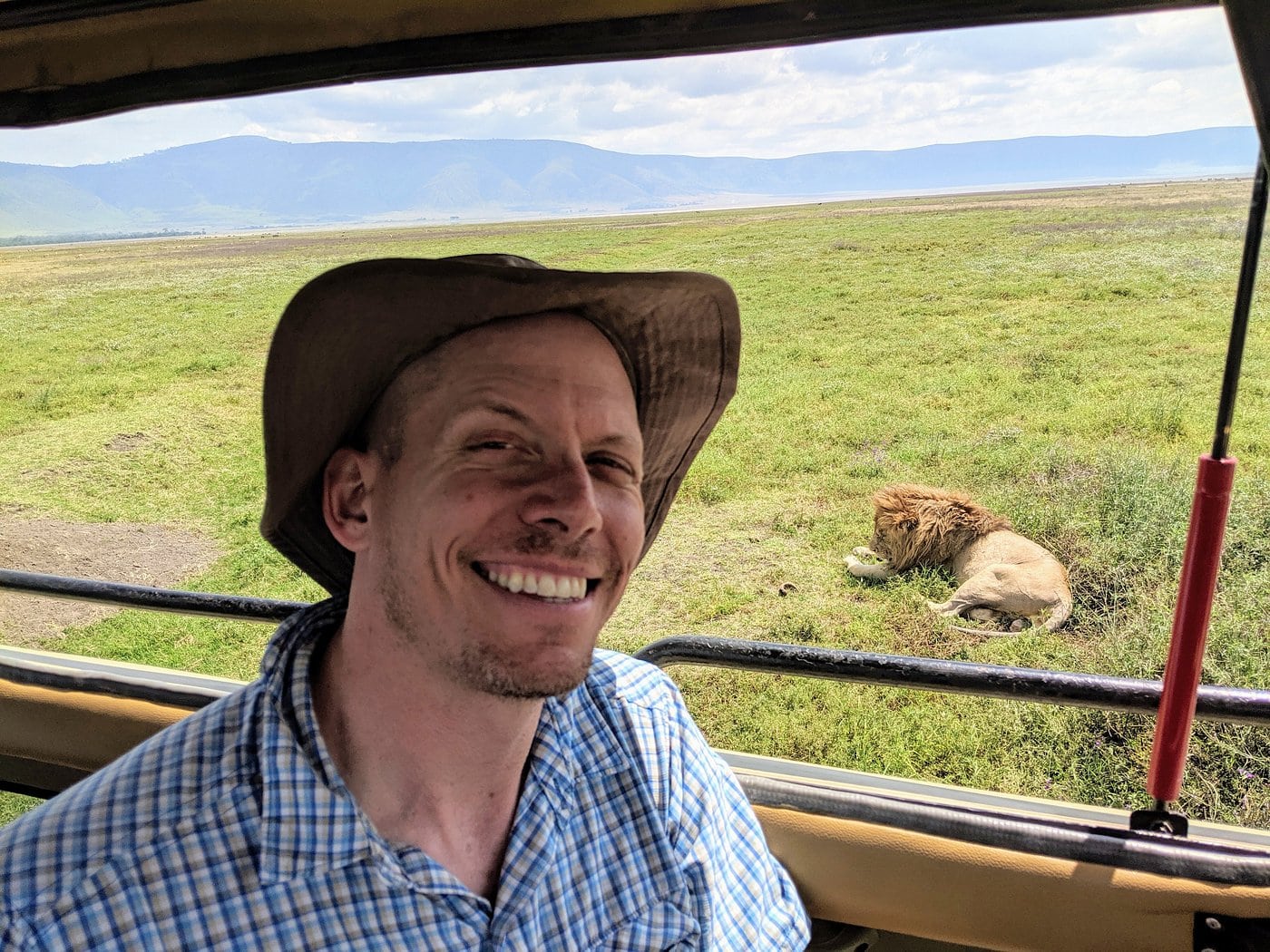
Visitors may encounter elephants feeding in woodland, buffaloes gathering near water, giraffes browsing on acacia trees, hippos resting in rivers, and antelopes grazing across open plains. In suitable habitats, travellers can also search for lions and leopards.
The country’s forests provide a different kind of wildlife experience. Bwindi Impenetrable National Park is famous for mountain gorillas, while Kibale National Park is one of the leading destinations for chimpanzee tracking.
Every wildlife viewing experience is different, as sightings depend on the season, habitat, animal movements, and local conditions.
2. Opportunities to See the African Big Five – Wildlife Viewing Uganda
Uganda offers opportunities to see the African Big Five: lions, leopards, elephants, buffaloes, and rhinoceroses.
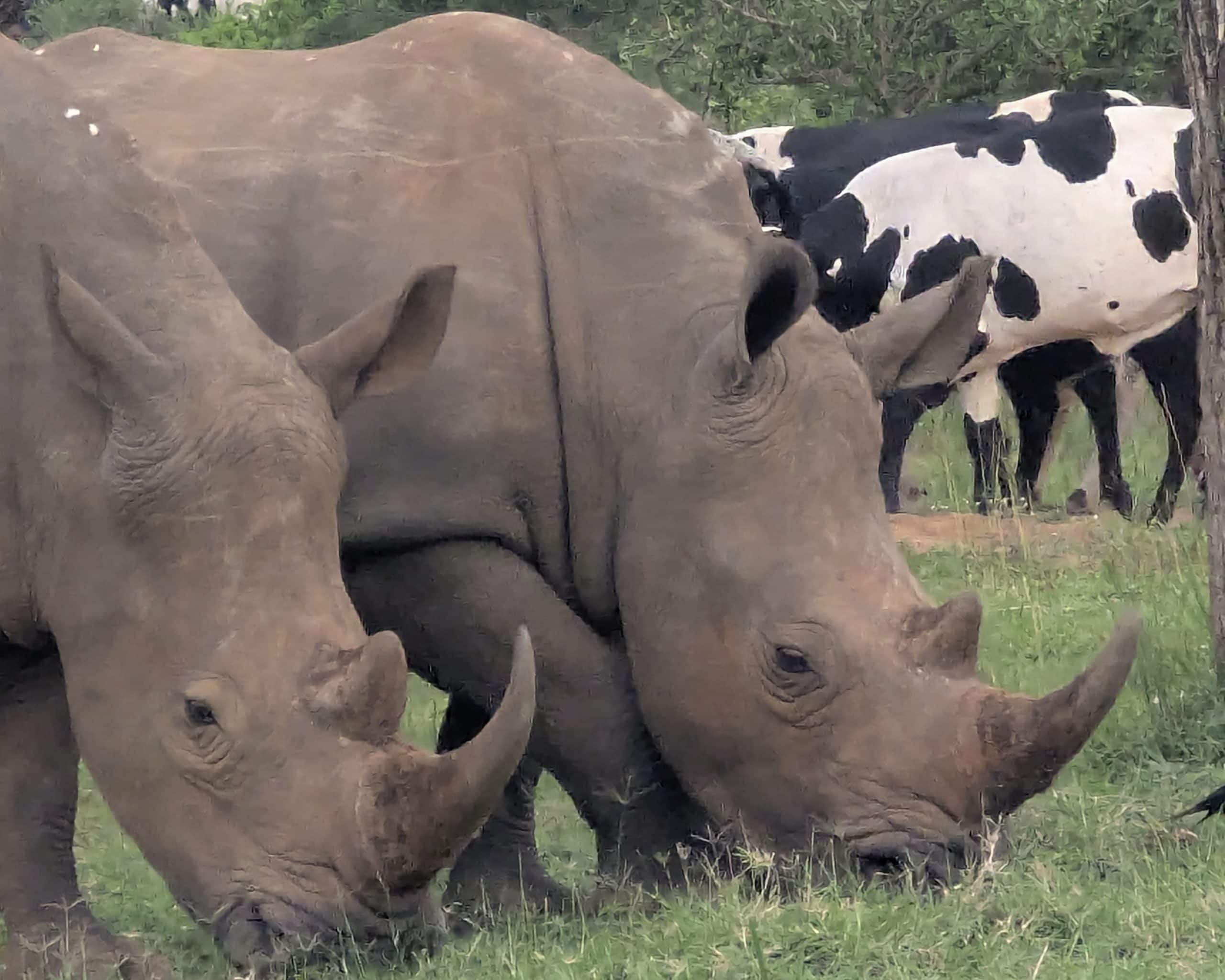
Queen Elizabeth National Park and Murchison Falls National Park are important destinations for viewing elephants, lions, buffaloes, and leopards. Rhino tracking at Ziwa Rhino Sanctuary can be added to a suitable itinerary, allowing travellers to search for rhinoceroses with trained guides.
Combining these destinations provides an excellent foundation for a Big Five safari in Uganda. However, sightings cannot be guaranteed, and rhino tracking generally takes place at the sanctuary rather than within the main national parks.
3. Unique Primate Encounters
Uganda is particularly famous for its primate experiences. Mountain gorilla trekking in Bwindi Impenetrable National Park or Mgahinga Gorilla National Park allows visitors to observe habituated gorilla families in their natural forest habitats.

Chimpanzee tracking in Kibale National Park offers another exciting experience, providing opportunities to observe chimpanzees feeding, vocalising, climbing trees, and moving through the forest.
Travellers may also encounter other primates, including red-tailed monkeys, black-and-white colobus monkeys, and various other forest-dwelling species.
These experiences add a special dimension to wildlife viewing in Uganda, allowing visitors to discover animal behaviour beyond the traditional game drive.
4. Beautiful Landscapes and Scenic Wildlife Experiences – Wildlife Viewing Uganda
Uganda’s wildlife is closely connected to its remarkable scenery. The Nile River flows through Murchison Falls National Park, creating spectacular viewpoints and opportunities for boat safaris. Queen Elizabeth National Park features crater lakes, open plains, and the wildlife-rich Kazinga Channel.

Bwindi’s misty rainforests provide a dramatic setting for gorilla trekking, while Lake Mburo National Park offers rolling hills, acacia woodland, and lakeside habitats.
The combination of wildlife and scenery makes Uganda particularly appealing to photographers and travellers who want an immersive African nature experience.
Best National Parks for Wildlife Viewing in Uganda
1. Queen Elizabeth National Park – Wildlife Viewing Uganda
Queen Elizabeth National Park is one of Uganda’s leading destinations for wildlife viewing. Located in western Uganda, the park contains savannah grasslands, wetlands, crater lakes, woodland, and the famous Kazinga Channel.

Its varied habitats support elephants, buffaloes, lions, leopards, hippos, crocodiles, and numerous antelope species. The park is also an outstanding destination for birdwatching.
Best wildlife viewing activities in Queen Elizabeth National Park
- Morning and afternoon game drives.
- Boat safaris along the Kazinga Channel.
- Searching for lions and other predators in suitable habitats.
- Exploring the Ishasha sector, known for its tree-climbing lions.
- Birdwatching around wetlands, lakes, and grasslands.
- Scenic drives through crater-lake landscapes.
The Kazinga Channel boat safari is particularly rewarding. Visitors can observe hippos in the water, crocodiles along the banks, elephants near the shoreline, and numerous waterbirds.
The Ishasha sector is another highlight because of its famous tree-climbing lions, although sightings are not guaranteed.
Queen Elizabeth National Park is an excellent choice for travellers seeking a varied wildlife safari with opportunities for game drives, boat trips, birdwatching, and landscape photography.
2. Murchison Falls National Park – Wildlife Viewing Uganda
Murchison Falls National Park is Uganda’s largest national park and one of the country’s most rewarding destinations for wildlife viewing. Its landscapes include open savannah, riverine woodland, wetlands, and the mighty River Nile.


The park is home to elephants, giraffes, buffaloes, lions, leopards, hippos, crocodiles, and several antelope species. Its open landscapes and river ecosystems provide excellent opportunities to observe wildlife.
Top wildlife experiences in Murchison Falls National Park
- Game drives across the northern savannah.
- Boat cruises along the Nile.
- Wildlife photography near riverbanks and grasslands.
- Visiting the top of Murchison Falls.
- Birdwatching, including searches for the shoebill in suitable wetland habitats.
- Rhino tracking at Ziwa Rhino Sanctuary as part of a wider itinerary.
Morning game drives offer opportunities to search for predators and grazing animals while the temperatures are relatively cool. Boat cruises reveal a different side of the park, with hippos, crocodiles, waterbirds, and elephants often visible along the river.
Murchison Falls is particularly suitable for travellers who want to combine wildlife viewing with dramatic natural scenery.
3. Bwindi Impenetrable National Park – Wildlife Viewing Uganda
Bwindi Impenetrable National Park is internationally renowned for its mountain gorillas and ancient tropical rainforest. This UNESCO World Heritage Site protects an important ecosystem that supports gorillas, forest birds, monkeys, and numerous other species.


Unlike the open savannah parks, wildlife viewing in Bwindi usually involves exploring the forest on foot with authorised guides.
Wildlife experiences in Bwindi include:
- Mountain gorilla trekking.
- Gorilla habituation experiences in designated areas, subject to permits.
- Forest birdwatching.
- Guided nature walks where available.
- Opportunities to learn about forest conservation and local communities.
Gorilla trekking involves hiking through forest vegetation, sometimes over steep and muddy terrain. The duration varies according to the location of the gorilla family.
Visitors should follow all instructions from their guides and maintain the required distance from the gorillas. These precautions help protect both people and wildlife.
Bwindi is an essential destination for travellers who want a close, carefully managed encounter with one of Africa’s most remarkable mammals.
4. Kibale National Park – Wildlife Viewing Uganda
Kibale National Park is one of Uganda’s best destinations for primate viewing, especially chimpanzees. Its tropical rainforest supports a rich diversity of monkeys, birds, and other forest wildlife.
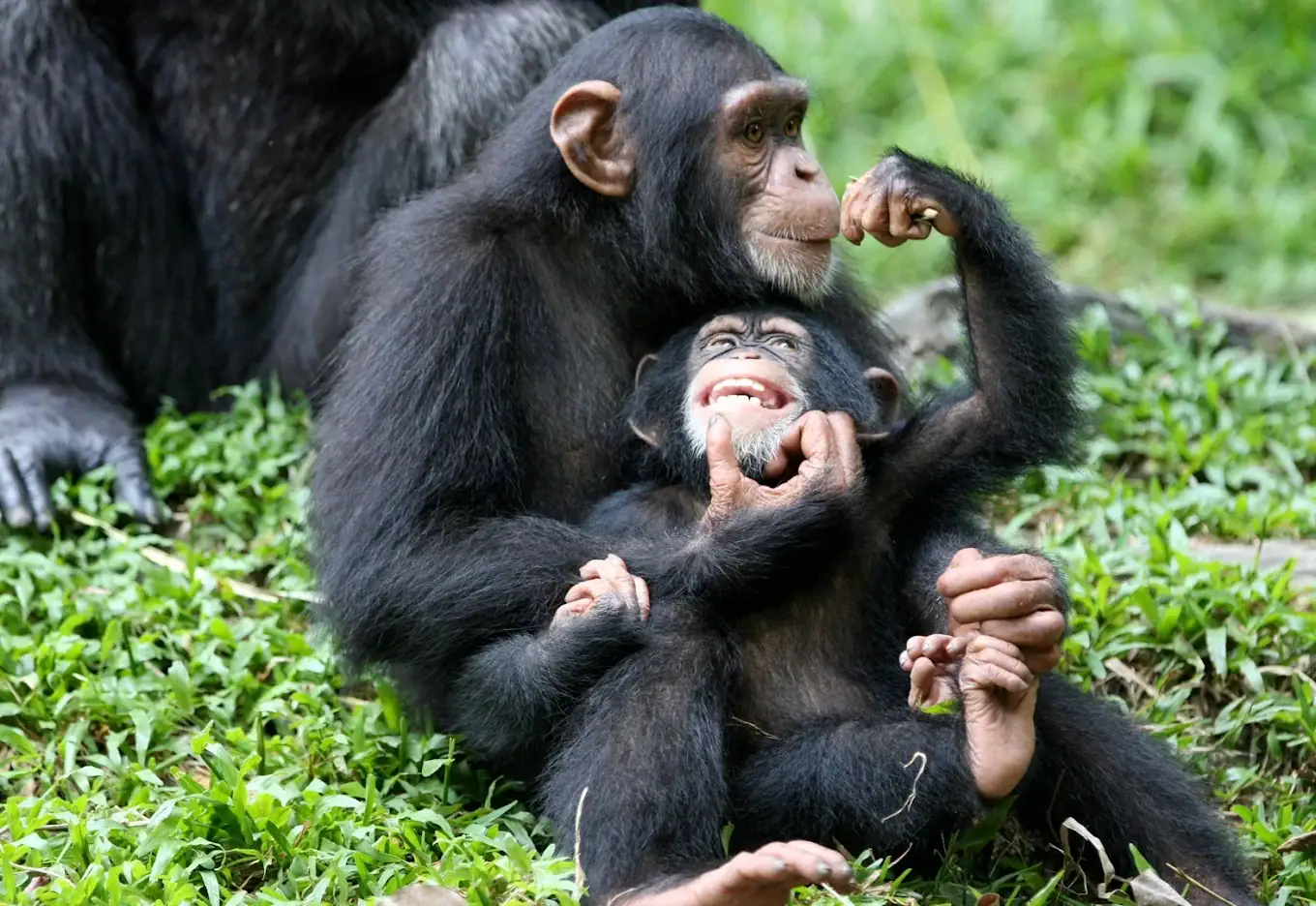
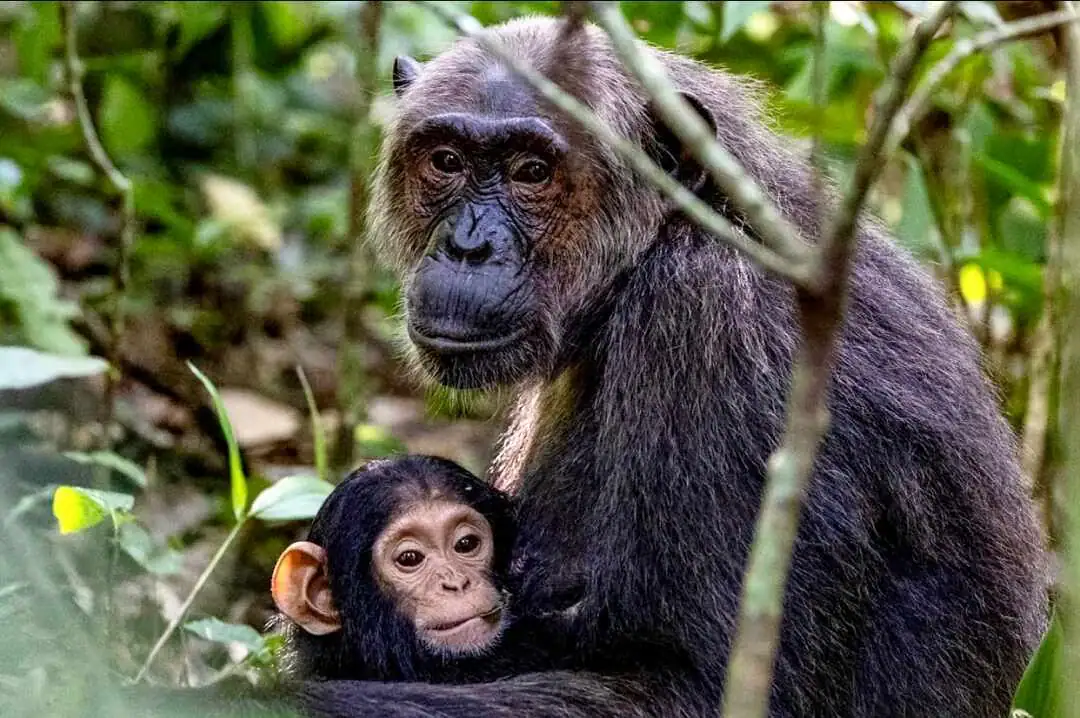
Chimpanzee tracking takes visitors into the forest with trained guides who help locate and interpret the behaviour of the animals.
Popular wildlife activities in Kibale include:
- Chimpanzee tracking.
- Chimpanzee habituation experiences where available.
- Guided forest walks.
- Primate observation.
- Birdwatching.
- Exploring nearby Bigodi Wetland Sanctuary.
Chimpanzees are active, social animals. Visitors may observe them feeding, communicating, grooming, or travelling through the trees. Because they move freely through the forest, sightings and the length of the tracking experience can vary.
Kibale is an excellent choice for wildlife enthusiasts interested in primates and can be combined with Queen Elizabeth National Park or Bwindi for a broader Uganda safari.
5. Lake Mburo National Park – Wildlife Viewing Uganda
Lake Mburo National Park is a rewarding destination for wildlife viewing, particularly for travellers exploring western Uganda. Its habitats include rolling hills, savannah, acacia woodland, wetlands, and lakes.
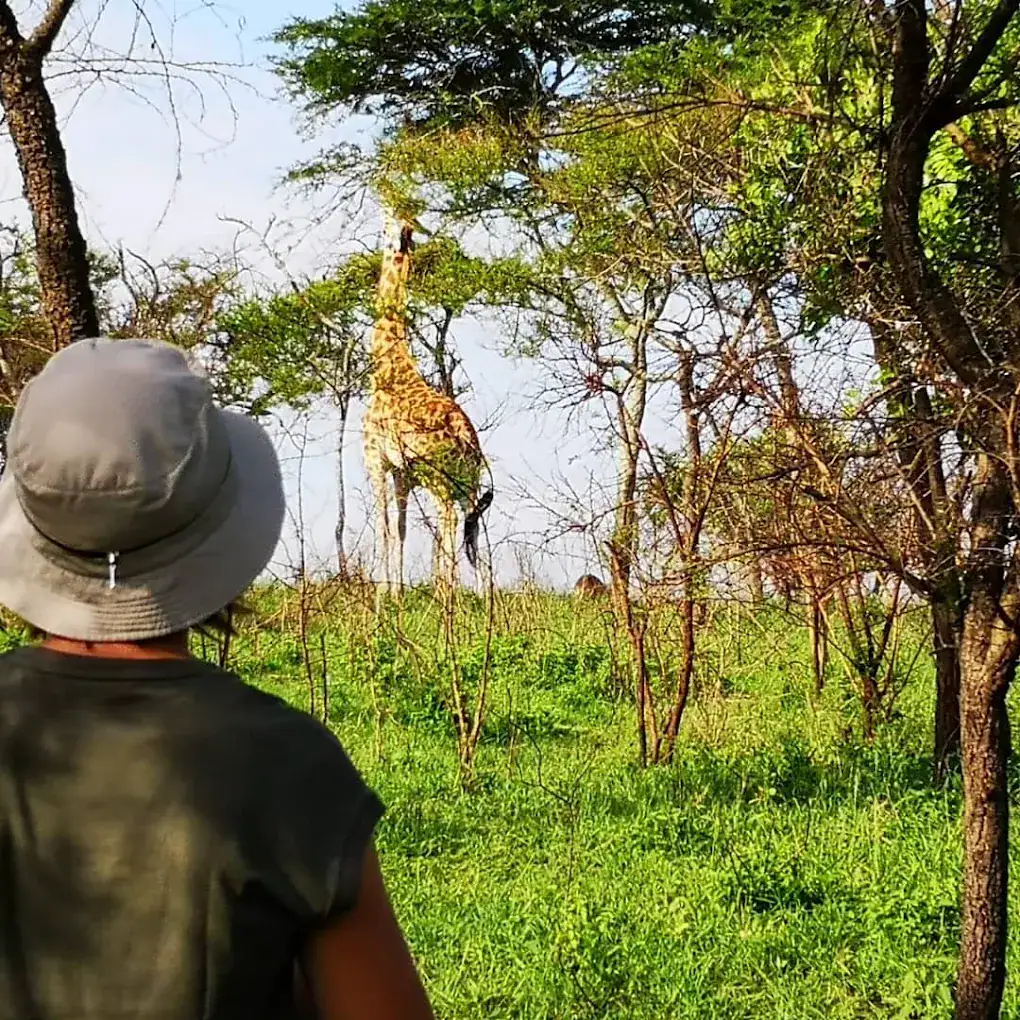

The park is known for zebras, impalas, elands, buffaloes, giraffes, hippos, and diverse birdlife.
Wildlife viewing activities in Lake Mburo National Park
- Guided game drives.
- Boat trips on Lake Mburo.
- Guided walking safaris in designated areas.
- Horseback wildlife safaris where available.
- Birdwatching.
- Scenic photography and nature walks.
Lake Mburo offers an alternative to the larger savannah parks, with opportunities to appreciate wildlife at a relaxed pace. Walking safaris can be especially rewarding for observing tracks, plants, insects, and smaller animals that are easily overlooked from a vehicle.
Its location also makes it a useful stop on itineraries travelling between Kampala and southwestern Uganda.
6. Mgahinga Gorilla National Park – Wildlife Viewing Uganda
Mgahinga Gorilla National Park is located in southwestern Uganda within the Virunga volcanic mountain range. Its mountain forests, bamboo vegetation, and dramatic scenery make it a unique destination for wildlife enthusiasts.


The park is known for mountain gorillas and golden monkeys, offering opportunities to observe these remarkable primates in their natural habitats.
Activities in Mgahinga include:
- Mountain gorilla trekking.
- Golden monkey tracking.
- Guided mountain hikes on designated trails.
- Birdwatching.
- Nature walks and cultural experiences with authorised providers.
Mgahinga is an excellent addition to a wildlife itinerary for travellers interested in primates, mountain landscapes, and conservation.
7. Semuliki National Park – Wildlife Viewing Uganda
Semuliki National Park, in western Uganda, protects lowland tropical rainforest and wetland habitats associated with the Albertine Rift region.


The park is particularly attractive to birdwatchers and nature enthusiasts because of its forest birdlife, primates, and specialised wildlife habitats.
Visitors can enjoy guided forest walks, birdwatching, and opportunities to learn about the area’s ecology. Semuliki is less focused on large savannah mammals than Queen Elizabeth or Murchison Falls, making it especially suitable for travellers interested in biodiversity and forest ecosystems.
8. Kidepo Valley National Park
Kidepo Valley National Park, in northeastern Uganda, offers a remote and dramatic safari experience. Its broad valleys, rugged mountains, seasonal rivers, and open grasslands create a spectacular setting for wildlife viewing.

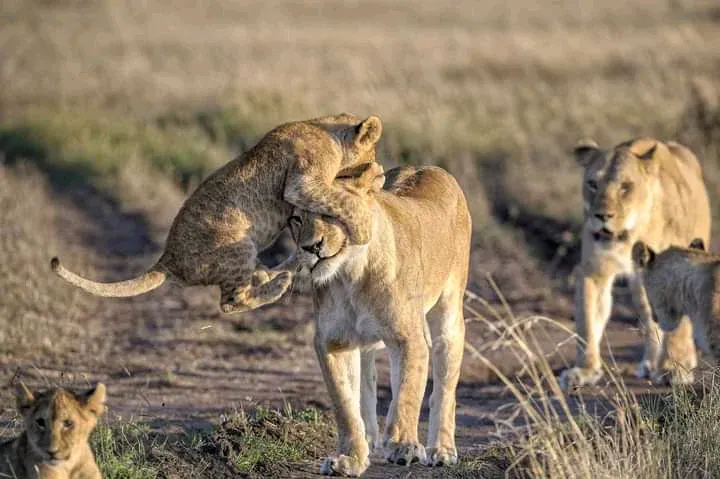
The park supports lions, elephants, buffaloes, giraffes, zebras, and various antelope species, alongside diverse birdlife.
Game drives across the Narus Valley are especially popular because its water sources can attract wildlife, particularly during drier conditions.
Kidepo is an excellent choice for travellers looking for a quieter, more remote safari away from the country’s busier wildlife destinations. Due to its distance from central Uganda, it is best suited to itineraries that allow sufficient travel time or incorporate domestic flights.
The Best Ways to Enjoy Wildlife Viewing in Uganda
Game Drives – Wildlife Viewing Uganda
Game drives are one of the most popular ways to view wildlife in Uganda. Travellers explore national parks in a suitable safari vehicle accompanied by a knowledgeable guide who understands animal behaviour, habitats, and local conditions.
Early-morning drives can be productive because many animals are active during the cooler hours. Afternoon drives provide additional opportunities to find wildlife and enjoy the scenery.
Game drives are especially popular in Queen Elizabeth, Murchison Falls, Lake Mburo, and Kidepo Valley national parks.
Boat Safaris
Boat safaris provide excellent opportunities to view wildlife from rivers and lakes. They are particularly rewarding for observing hippos, crocodiles, waterbirds, and animals that come to drink along the shoreline.

The Kazinga Channel in Queen Elizabeth National Park and the Nile in Murchison Falls National Park are two of Uganda’s most celebrated boat safari locations.
Boat trips also offer excellent photographic opportunities, allowing visitors to capture animals against the backdrop of water, vegetation, and open skies.
Guided Nature Walks – Wildlife Viewing Uganda
Walking safaris and guided nature walks offer a closer look at Uganda’s natural environment. Depending on the location and authorised activities, visitors may learn about animal tracks, plant species, insects, bird calls, and the relationships between wildlife and habitat.
Lake Mburo is particularly well known for guided walking experiences in designated areas. Forest walks in other destinations can reveal smaller species and details that may be missed during a vehicle safari.
All walking activities should be conducted with authorised guides and in accordance with local safety regulations.
Gorilla and Chimpanzee Tracking
Primate tracking is one of the most distinctive wildlife experiences available in Uganda.
Gorilla trekking in Bwindi or Mgahinga involves hiking through forest to find a habituated mountain gorilla family. Chimpanzee tracking in Kibale offers an opportunity to observe chimpanzees in a different forest environment.
Both activities require appropriate permits and adherence to conservation rules. Travellers should confirm age requirements, permit conditions, and availability before finalising their itineraries.
Birdwatching – Wildlife Viewing Uganda
Uganda is an outstanding destination for birdwatching because of its combination of forests, wetlands, lakes, rivers, and savannahs.
Bird enthusiasts can search for the shoebill in suitable wetlands, fish eagles near lakes and rivers, and numerous forest species in Bwindi, Kibale, and Semuliki.
Mabamba Bay, Murchison Falls, Queen Elizabeth, and the Albertine Rift region are popular areas for birding. A specialist guide can help visitors identify species by sight, call, behaviour, and habitat.
Wildlife Photography
Uganda provides wonderful opportunities for wildlife photography, from large mammals in open grasslands to birds along riverbanks and primates in forest habitats.
Morning and late-afternoon light can be particularly attractive for photographing wildlife. A camera with a suitable zoom lens, binoculars, and patience can make a substantial difference.
Visitors should never disturb animals or ask guides to approach wildlife too closely for a photograph. Responsible photography protects the animals and helps preserve a positive wildlife viewing experience.
Best Time for Wildlife Viewing in Uganda
Uganda offers wildlife viewing throughout the year, although conditions vary by region and activity.
Drier Periods: June to August and December to February – Wildlife Viewing Uganda
These periods are generally popular for wildlife safaris because some roads and trails may be easier to navigate. In certain savannah habitats, animals may become more concentrated around available water sources.
The drier months are also popular for gorilla trekking, chimpanzee tracking, and general wildlife photography.
However, weather patterns vary, and rain can occur even during these months. Forest trails may remain muddy.
Wetter Periods: March to May and September to November
The wetter periods often bring greener landscapes, flowing rivers, and excellent opportunities for birdwatching. Some lodges may also offer seasonal rates, depending on demand and availability.
Heavy rain can affect road conditions and make forest trekking more challenging. Travellers should allow flexibility in their schedules and follow advice from their guides.
The best time to visit Uganda depends on your priorities. For general game viewing, the relatively drier months are often a good choice. Birdwatchers, photographers, and travellers interested in lush scenery may also enjoy the wetter seasons.
How to Plan a Wildlife Viewing Safari in Uganda – Wildlife Viewing Uganda
A well-planned itinerary helps you make the most of your time while reducing unnecessary travel.
Choose Your Main Wildlife Interests
Begin by identifying the animals and experiences you most want to see. You may be interested in the Big Five, mountain gorillas, chimpanzees, birds, or a combination of different wildlife experiences.
Your interests will determine which parks to visit and how long to stay in each destination.
Select the Right Number of Days
The length of your safari should reflect the number of parks you want to explore and the time needed for road transfers.
- 3–4 days: Focus on one main wildlife destination or a short safari circuit.
- 5–7 days: Combine selected savannah parks or plan a gorilla trekking-focused holiday.
- 8–10 days: Combine game drives, chimpanzee tracking, and gorilla trekking.
- 12–15 days: Explore several national parks, enjoy a more relaxed pace, and include cultural or birdwatching experiences.
These are general guidelines. A realistic itinerary should account for road conditions, activity schedules, accommodation locations, and permit availability.
Choose Suitable Accommodation – Wildlife Viewing Uganda
Uganda offers accommodation ranging from budget-friendly camps and comfortable midrange lodges to luxury safari lodges and exclusive tented camps.
When choosing accommodation, consider its location, comfort, meals, accessibility, and proximity to your preferred wildlife activities.
Staying near a park entrance or trekking starting point can reduce travel time and make early-morning activities easier.
Arrange Transport and a Professional Guide
A private 4×4 safari vehicle with an experienced local guide offers flexibility and comfort. A knowledgeable guide can help locate wildlife, interpret animal behaviour, explain conservation efforts, and provide information about local landscapes and cultures.
For longer journeys, domestic flights may help reduce road travel, subject to flight schedules, availability, luggage limits, and budget.
Pack for Outdoor Activities – Wildlife Viewing Uganda
Useful items for a wildlife viewing safari include:
- Lightweight, neutral-coloured clothing.
- Comfortable walking shoes or hiking boots.
- A waterproof jacket.
- Sun protection and insect repellent.
- Binoculars and a camera.
- A reusable water bottle.
- Personal medication and any necessary travel documents.
For gorilla and chimpanzee tracking, long trousers, long sleeves, sturdy footwear, and gardening gloves can be useful in dense vegetation.
Wildlife Viewing in Uganda: Responsible Tourism and Conservation
Responsible wildlife viewing helps protect animals, habitats, and the communities living near conservation areas.
Visitors should maintain the required distance from wildlife, follow their guide’s instructions, avoid feeding animals, and never litter in national parks. Gorilla and chimpanzee encounters require particular care because human contact can expose primates to infectious diseases.
Choosing responsible safari operators and supporting local guides, accommodation providers, and community initiatives can help ensure that tourism benefits the people who live alongside wildlife.
Conservation-minded travellers should also respect restricted areas, avoid disturbing nesting birds, and refrain from encouraging unsafe approaches for photographs.
A successful wildlife safari is not measured only by the number of animals seen. It is also about appreciating nature, understanding conservation challenges, and helping preserve Uganda’s wildlife for future generations.
Sample 7-Day Uganda Wildlife Viewing Itinerary – Wildlife Viewing Uganda
A seven-day itinerary can combine savannah wildlife, a river safari, and a primate experience. The following is an illustrative route that can be adjusted to permit availability, accommodation, and travel preferences.
Day 1: Arrive in Entebbe
Arrive in Uganda, transfer to your accommodation, and prepare for the safari.
Day 2: Travel to Murchison Falls National Park
Travel to the park, enjoying scenic stops along the way. Depending on the schedule, include a visit to the top of Murchison Falls.
Day 3: Game Drive and Nile Boat Safari
Enjoy a morning game drive in search of elephants, giraffes, buffaloes, lions, and other wildlife. In the afternoon, take a boat cruise along the Nile.
Day 4: Travel to Kibale National Park – Wildlife Viewing Uganda
Continue to western Uganda, passing through countryside and scenic landscapes. The drive is substantial, so plan for a full travel day.
Day 5: Chimpanzee Tracking
Join a guided chimpanzee tracking experience, subject to permit availability. Spend the remainder of the day relaxing or exploring nearby attractions.
Day 6: Travel towards Entebbe or Kampala
Return towards central Uganda. Depending on your flight schedule and preferences, an overnight stop may be necessary.
Day 7: Departure – Wildlife Viewing Uganda
Transfer to the airport for your onward journey.
This itinerary provides a combination of savannah wildlife and chimpanzee tracking, but it involves considerable road travel. Travellers who want to include mountain gorilla trekking should ideally allow additional days and plan a route that includes southwestern Uganda.
Conclusion: Discover the Beauty of Wildlife Viewing in Uganda
Wildlife viewing in Uganda offers an exceptional opportunity to explore Africa’s natural wonders. From the lions, elephants, giraffes, and buffaloes of the savannah to the mountain gorillas and chimpanzees of the rainforest, the country provides a remarkable range of wildlife encounters.
Queen Elizabeth National Park, Murchison Falls National Park, Bwindi Impenetrable National Park, Kibale National Park, Lake Mburo National Park, Mgahinga Gorilla National Park, Semuliki National Park, and Kidepo Valley National Park each offer a distinctive experience.
Whether you are planning a classic game-viewing safari, a primate adventure, a birdwatching holiday, or a luxury wildlife journey, Uganda offers opportunities to discover nature at your own pace.
With thoughtful planning, experienced local guides, suitable accommodation, and responsible wildlife practices, your safari can become a memorable journey through the Pearl of Africa.
Plan your wildlife viewing safari with Lavish Safaris Uganda and discover tailor-made adventures that bring you closer to Uganda’s wildlife, landscapes, and cultural heritage.