Lake Mburo National Park is Uganda’s best destination for combining classic wildlife viewing with walking safaris, horseback adventures, cycling, boat cruises and authentic Ankole culture. At Lavish Safaris Uganda, we use Lake Mburo to create relaxed wildlife experiences that can stand alone or become the perfect beginning or ending to a western Uganda safari.
Located in southwestern Uganda, Lake Mburo National Park protects a compact but remarkably diverse landscape of rolling hills, acacia woodland, open savanna, wetlands, rocky outcrops and lakes.
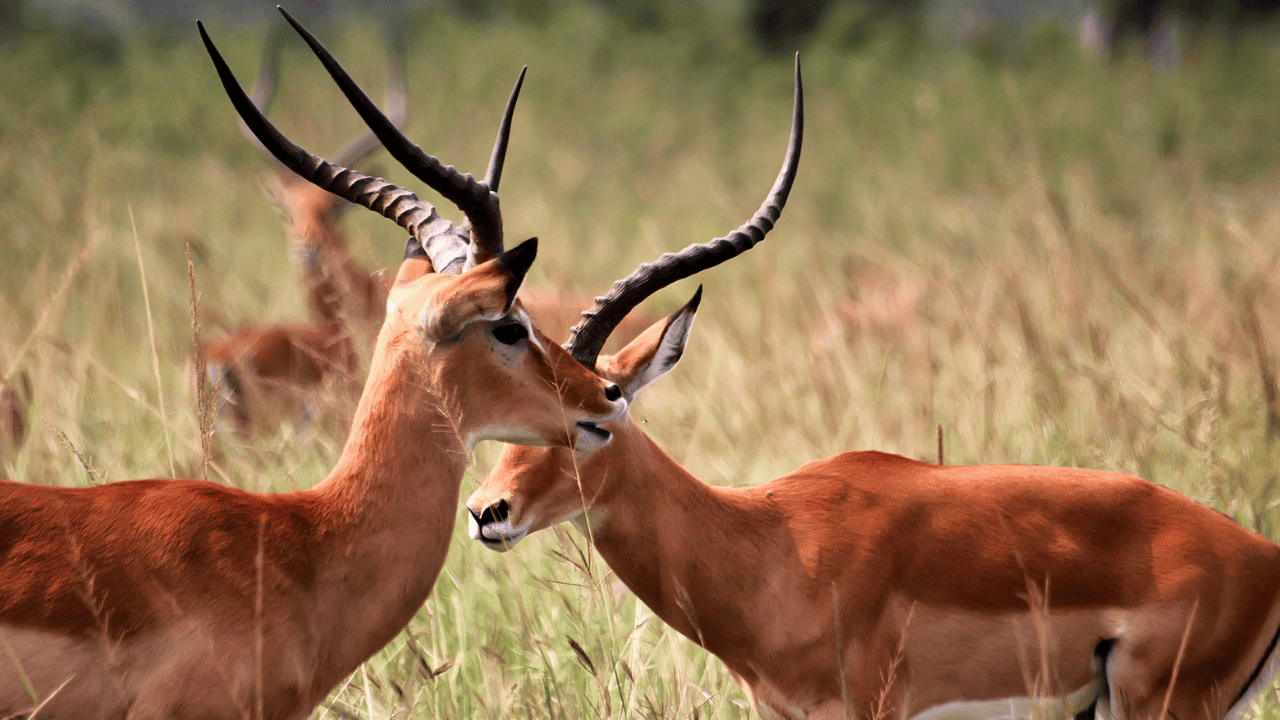
The park is particularly famous for zebras, impalas, elands, Uganda kobs, buffaloes and giraffes. It also supports hippos, crocodiles, leopards, hyenas and an impressive range of birdlife.
What makes Lake Mburo different is not simply what you can see. It is how you can experience it.
You can explore the park from a safari vehicle, walk through the bush with a trained ranger, ride on horseback near wildlife, cycle through designated areas or take a boat onto Lake Mburo.
That flexibility makes this small Ugandan park remarkably rewarding. If you want a safari that combines wildlife, scenery, adventure and culture without spending every day inside a vehicle, we highly recommend Lake Mburo National Park.
Lake Mburo National Park is worth visiting because it offers wildlife experiences that are difficult to combine elsewhere in Uganda. You can see zebra and impala on a game drive, explore the bush on foot, watch hippos from a boat and experience Ankole culture within one safari.
The park is also strategically located for travellers moving between central and southwestern Uganda.
That makes it particularly useful for itineraries connecting:
For a traveller with limited time, Lake Mburo can deliver a genuine African wildlife experience without requiring a long detour into western Uganda.
For a traveller with more time, it provides a valuable contrast to Uganda’s larger parks.
We would highlight seven things:
UWA’s current activity information lists game drives, boat cruises, cycling, day nature walks and night nature walks at Lake Mburo.
| Feature | Lake Mburo National Park |
| Location | Southwestern Uganda |
| Nearest major town | Mbarara |
| Park size | Approximately 260 km² |
| Landscape | Savanna, woodland, wetlands, hills and lakes |
| Main lake | Lake Mburo |
| Famous wildlife | Zebra, impala, eland, giraffe, buffalo and Uganda kob |
| Other wildlife | Hippo, crocodile, leopard, hyena and several antelope species |
| Birdlife | More than 300 species recorded in park sources |
| Signature experiences | Walking, horseback riding, cycling and boat cruises |
| Cultural highlight | Ankole pastoral culture |
| Best for | Short safaris, active travellers, families, birders and western Uganda circuits |
| Visit season | Year-round |
| Ideal stay | 1–3 nights |
UWA’s park publication describes Lake Mburo as a year-round destination and highlights its wildlife, lake-based activities, walking opportunities and community experiences.
Lake Mburo National Park lies in southwestern Uganda, along the Kampala–Mbarara route, making it one of the most accessible national parks from Kampala and Entebbe.
The park sits in the Ankole sub-region and forms part of a landscape of rolling hills, savanna, wetlands and cattle-keeping communities.
Its location makes Lake Mburo particularly convenient for travellers heading toward Uganda’s southwestern destinations.
For example, we can structure a safari as:
Entebbe → Lake Mburo → Bwindi → Lake Bunyonyi → Entebbe Or Entebbe → Lake Mburo → Queen Elizabeth → Kibale → Entebbe
This strategic location is one reason we often use Lake Mburo as the first wildlife stop on a longer Uganda safari.
Lake Mburo is especially strong for herbivores, with zebra, impala, eland, Uganda kob, topi, waterbuck, bushbuck, buffalo and giraffe among the wildlife you can encounter. The park also supports predators and aquatic species, although it is not Uganda’s strongest destination for guaranteed Big Five sightings.
The park’s relatively open habitats make some species particularly easy to spot.
You may encounter:
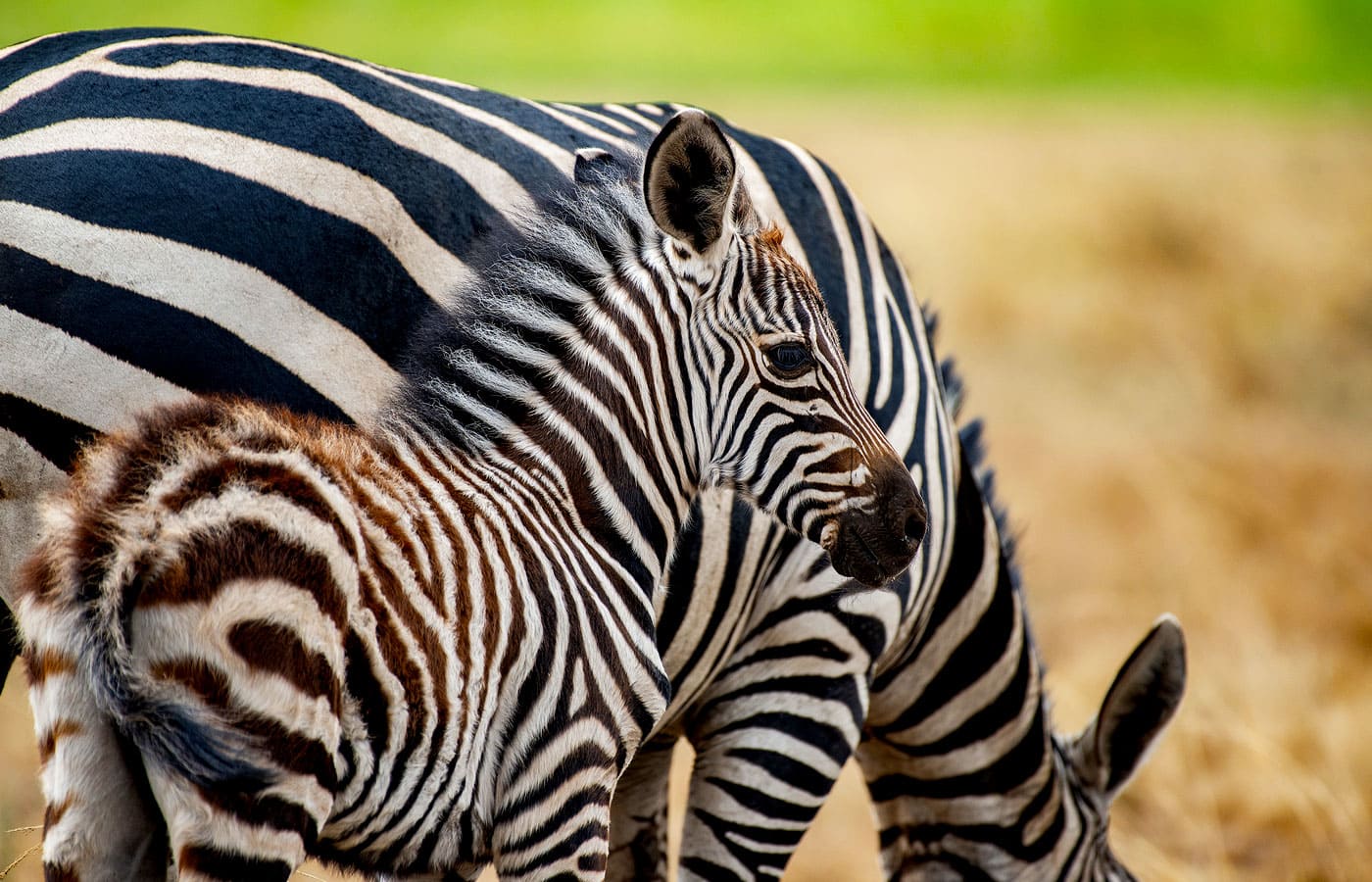
Zebra are among Lake Mburo’s most recognisable animals and are one of the first species many visitors hope to see. The combination of open grassland and woodland creates good habitat for them.
Watching a herd move across the savanna is one of the simplest but most rewarding Lake Mburo experiences. For photographers, zebra also create excellent compositions against the park’s rolling hills and acacia vegetation.
Lake Mburo is particularly important for impala because it is one of the Ugandan protected areas where these elegant antelopes can be seen. Their presence adds another dimension to the park’s herbivore diversity.
You may encounter impalas grazing in open areas or moving through woodland. They are also important prey within the park’s ecological system.
For wildlife enthusiasts, seeing impala alongside zebra, topi, Uganda kob and eland provides a good introduction to the diversity of Uganda’s savanna antelopes.
The eland is one of Lake Mburo’s most impressive antelopes and one of the species that makes the park particularly attractive to wildlife enthusiasts. These large antelopes can be surprisingly difficult to spot because they blend into woodland and open grassland.
They are worth searching for during game drives and nature walks. Their size can make them appear almost cattle-like from a distance, but their behaviour and movement quickly reveal their wild character.
Giraffes are now an important part of the Lake Mburo wildlife experience, adding one of Africa’s most recognisable animals to the park’s already strong herbivore diversity. Their height makes them relatively easy to identify from open areas.
We often look for giraffes around woodland edges where they browse on vegetation. A giraffe against a distant Ugandan hillside can create some of the most memorable photographs from a Lake Mburo safari.
Lions occur in the wider Lake Mburo conservation landscape, but Lake Mburo should not be marketed as a guaranteed lion-viewing destination. Predator sightings are less predictable than sightings of zebra, impala, buffalo or other herbivores.
This distinction matters when planning your safari. If your primary objective is a high concentration of large predators, we would usually recommend Queen Elizabeth National Park or Murchison Falls National Park instead.
If you want:
then Lake Mburo becomes much more compelling.
We prefer to match the park to your interests rather than promise wildlife that nature cannot guarantee.
A boat cruise on Lake Mburo provides a completely different perspective on the park, allowing you to observe hippos, crocodiles, waterbirds and wildlife along the shoreline from the water.
The lake is surrounded by hills, woodland and wetland habitats.
As the boat moves quietly across the water, you may see:
UWA currently lists the Lake Mburo boat cruise at US$30 for foreign non-residents, US$30 for foreign residents and UGX 30,000 for East African Community residents in its online activity system.
Because UWA rates can change, we verify the applicable tariff for your travel date before confirming your safari.
Yes, particularly if you enjoy photography or birding. The boat also provides a welcome change from a vehicle-based game drive.
Lake Mburo is one of Uganda’s strongest destinations for guided walking because you can experience the savanna at ground level rather than observing everything from a vehicle.
Walking changes your perception of the park. Instead of focusing only on large mammals, you start noticing:
UWA currently lists day nature walks and night nature walks among Lake Mburo’s activities. For safety and conservation, walking should take place with an authorised ranger or appropriate guide.
If you have already completed several vehicle-based game drives elsewhere in Uganda, Lake Mburo is an excellent place to experience wildlife differently.
The experience becomes less about ticking animals off a list and more about understanding the ecosystem.
Horseback riding is one of Lake Mburo’s most distinctive safari experiences, allowing travellers to explore the landscape at a slower pace and, where authorised, observe wildlife without the presence of a conventional safari vehicle.
This experience is particularly appealing to:
A horseback safari is not simply a game drive on a horse.
Availability, routes and operators can vary, so we recommend confirming the current arrangements before booking.
Lake Mburo is one of Uganda’s best-known destinations for cycling experiences around wildlife and rural landscapes. Cycling allows you to combine exercise, scenery and wildlife viewing.
You can move through areas of woodland and savanna while experiencing the landscape at a slower speed than a vehicle. UWA currently lists cycling as an official Lake Mburo activity and lists a separate cycling fee in its online activity system.
We recommend cycling for travellers who:
Routes and conditions should be assessed with your guide before departure.
Lake Mburo is one of Uganda’s rewarding birding destinations because its combination of wetlands, lakes, acacia woodland, grassland and papyrus habitats supports a broad range of bird species. The park and surrounding conservation landscape support more than 300 recorded bird species.
Birders can search for species such as:
The African finfoot is particularly sought after by specialist birders.
Water-based activities can also provide excellent opportunities for observing aquatic species.
The combination of open water and vegetation creates useful photographic conditions.
Early morning often provides the best light.
We can arrange a specialist birding guide when birding is the main purpose of your trip.
Lake Mburo provides habitat for the grey crowned crane, Uganda’s national bird, making it an attractive destination for travellers interested in Uganda’s national identity as well as wildlife. Its striking appearance makes it easy to recognise.
Look for crowned cranes in open grassland and wetland environments. Seeing one is particularly special for first-time visitors because the bird is closely associated with Uganda’s natural heritage.
Lake Mburo may be small compared with Uganda’s largest parks, but its landscape is remarkably varied.
You can encounter:
Grassland provides grazing areas for zebra, impala, Uganda kob and other herbivores.
Woodland creates habitat for browsers and woodland bird species.
Papyrus and other wetland habitats support waterbirds and aquatic species.
Rocky areas add character to the rolling landscape and create excellent viewpoints.
Lake Mburo is the largest of the lakes within the park and forms the centrepiece of the landscape.
This variety explains why Lake Mburo can feel much larger than its actual size.
Lake Mburo sits within a network of lakes and wetlands connected to the wider Rwizi River system, creating an important aquatic landscape for wildlife and birds. UWA and Tourism Uganda describe the park as containing multiple lakes, wetlands and a mixture of savanna and woodland habitats.
The lake is not simply scenery.
It supports:
The interaction between water and savanna is one of the defining features of the park.
A Lake Mburo safari can also introduce you to the traditions of the Ankole region, including cattle-keeping heritage, local food, crafts and community life. This cultural dimension gives the destination greater depth.
The Ankole landscape has a long association with cattle. Depending on your itinerary, we can arrange a responsible community experience where you learn about:
UWA’s park information specifically highlights village visits and opportunities to learn about traditional Banyankore life around the park.
We believe these experiences are most valuable when they are genuinely community-led rather than staged simply for tourists.
Ankole long-horned cattle are one of the cultural symbols of southwestern Uganda, and a Lake Mburo safari can provide an opportunity to learn about their role in local livelihoods and identity. Their large, curved horns are immediately recognisable.
For many travellers, seeing these cattle in a rural Ankole setting provides a cultural perspective that a conventional game drive cannot provide. We can incorporate a community or cultural visit into your itinerary when appropriate.
Lake Mburo National Park can be visited throughout the year, but the best time depends on whether your priority is wildlife viewing, birding, green scenery, photography or easier road conditions. UWA’s park publication explicitly states that the park can be visited at any time of year.
These months are generally popular for wildlife-focused travel.
The landscape can be drier, and animals may become easier to locate around remaining water sources.
Another useful period for general wildlife viewing.
The weather can be relatively favourable for combining Lake Mburo with western Uganda.
The long rains bring greener landscapes.
This can be particularly attractive for photographers.
Some tracks can become wetter or muddy.
Short rains can refresh the vegetation and create beautiful scenery. Birding can also be rewarding.
There is no single perfect season for everyone. If you want classic wildlife viewing, we generally favour the drier periods.
If you want green landscapes, birding and photography, the wetter seasons can be excellent.
Lake Mburo has a relatively warm climate.
UWA’s park information gives an average recorded temperature of approximately 27.5°C, with daily variations ranging from around 21.5°C to 34°C. It identifies July and August as the hottest months. Conditions can change during the day.
Early mornings may feel cool, particularly during game drives or walking activities. Afternoons can become warm. We therefore recommend lightweight clothing combined with a light warm layer.
Lake Mburo is one of Uganda’s most accessible national parks from Kampala and Entebbe, making it particularly useful for short safaris and western Uganda circuits.
The park lies along the main route toward Mbarara and southwestern Uganda. A private safari vehicle gives you the flexibility to stop at viewpoints, cultural sites and other attractions along the way. We recommend a private vehicle for international visitors because it makes the journey part of the experience rather than a simple transfer.
The journey generally takes several hours depending on traffic, stops and your exact lodge.
We can collect you from Entebbe International Airport and travel directly toward Lake Mburo.
Lake Mburo can be an excellent final stop after gorilla trekking.
A route such as:
Bwindi → Lake Mburo → Entebbe
allows you to transition gradually from rainforest to savanna before returning to the airport.
Lake Mburo safari costs depend on park fees, accommodation, transport, activities and the style of safari you choose. UWA sets the official conservation and activity charges.
UWA’s current online activity system lists the following rates:
| Activity | Foreign Non-Resident | Foreign Resident | EAC Resident |
| Adult park entrance | US$40 | US$30 | UGX 20,000 |
| Child park entrance | US$20 | US$10 | UGX 5,000 |
| Boat cruise | US$30 | US$30 | UGX 30,000 |
| Day game drive | US$30 | US$30 | UGX 30,000 |
| Day nature walk | US$15 | US$15 | UGX 10,000 |
| Night nature walk | US$40 | US$20 | UGX 15,000 |
| Cycling | US$30 | US$30 | UGX 30,000 |
These figures are displayed by UWA’s current online activity system, but UWA tariff periods can change. We therefore confirm the applicable fees for your actual travel date before finalising your quotation.
Your package can include:
This is why we prefer to provide a personalised quotation rather than advertise a misleading one-size-fits-all price.
Request a Lake Mburo Safari Quote
Lake Mburo offers accommodation ranging from budget camps and UWA facilities to comfortable mid-range and luxury safari lodges.
We select your accommodation based on:
For luxury travellers, we can arrange premium accommodation where the focus extends beyond the room.
We look at:
location + privacy + service + scenery + safari access.
Mid-range lodges provide a balance between comfort and value. They work particularly well for travellers who want to spend more of their budget on experiences.
Camping can provide a much closer connection with the landscape. UWA’s park information identifies budget accommodation and camping facilities at Rwonyo Rest Camp.
One night can work for travellers using Lake Mburo as a strategic stop, but we recommend two nights if you want to experience the park properly.
Ideal for:
Our preferred option for most first-time visitors.
You can include:
Best for travellers wanting a slower pace.
You can add:
Lake Mburo can be an excellent family safari destination because it offers more than long vehicle-based game drives.
Families can combine wildlife viewing with:
Children often enjoy zebra and giraffe sightings because these animals can be relatively easy to identify.
For younger travellers, we carefully plan activity duration and safety.
We also select accommodation based on family-friendly room arrangements.
Lake Mburo can be an unexpected but beautiful honeymoon destination.
The park’s rolling landscapes, lake views and quieter atmosphere create opportunities for couples to slow down.
We can arrange:
A honeymoon itinerary does not have to rush from one major attraction to another.
Sometimes the most memorable moments are simply watching the landscape together.
Lake Mburo is particularly rewarding for photographers because its open landscapes, zebra, giraffe, impala, eland, waterbirds and lake scenery create varied subjects within a compact area.
The park’s smaller size can be an advantage. You spend less time travelling between distant areas. That means more time observing.
Good subjects include:
The rolling hills and lake environments provide excellent wide-angle compositions. Early morning and late afternoon offer the most attractive light.
If birding is your primary interest, we can build a dedicated itinerary. The combination of lake, wetland, woodland and savanna habitats gives you several ecological zones within a relatively small area.
A specialist birding safari can include:
Lake Mburo → surrounding wetlands → community areas → other western Uganda birding sites
This can be particularly rewarding for travellers seeking the African finfoot, papyrus-associated species, cranes and wetland birds.
| Lake Mburo | Queen Elizabeth |
| Smaller and compact | Much larger |
| Famous for zebra and impala | Famous for diverse Big Game |
| Walking experiences | Primarily vehicle-based safari |
| Horseback safari | Kazinga Channel cruise |
| Cycling | Chimpanzee tracking |
| Excellent short safari | Better for longer wildlife safari |
| Ankole cultural experiences | Albertine Rift landscapes |
| Close to Kampala route | Further west |
Choose Lake Mburo if you want:
Choose Queen Elizabeth if your priority is:
If your schedule allows, you can visit both.
Murchison Falls is Uganda’s largest national park and offers a very different scale.
Lake Mburo is compact and intimate.
Murchison Falls offers:
Lake Mburo offers:
We recommend Lake Mburo when time is limited.
We recommend Murchison Falls when you have several days available for northern Uganda.
Lake Mburo pairs exceptionally well with Bwindi because the two destinations provide contrasting ecosystems and experiences.
You can begin among savanna wildlife at Lake Mburo before entering the dense rainforest of Bwindi.
A popular route is:
Entebbe → Lake Mburo → Bwindi → Lake Bunyonyi → Entebbe
For travellers with more time:
Entebbe → Lake Mburo → Queen Elizabeth → Bwindi → Kibale → Entebbe
This creates a broader Uganda wildlife and primate circuit.
Combining Lake Mburo with Queen Elizabeth gives you a broader wildlife experience.
Zebra → Impala → Eland → Giraffe → Walking → Horseback
Lion → Elephant → Buffalo → Hippo → Kazinga Channel → Chimpanzees
The two parks complement each other rather than compete with each other.
Responsible tourism matters in Lake Mburo because the park’s conservation future is closely connected to the communities living around its boundaries.
UWA states that it shares 20% of annual park revenue with communities around national parks through its revenue-sharing programme. These funds support projects intended to improve livelihoods and reduce human-wildlife conflict.
We encourage travellers to contribute positively by:
A safari should benefit more than the traveller.
It should also contribute to the continued protection of the landscape.
Lake Mburo requires relatively light safari preparation.
We recommend:
If you plan to walk, cycle or ride horses, prioritise comfortable footwear over heavy safari boots.
Lake Mburo is a managed national park, and visitors should follow Uganda Wildlife Authority regulations and the instructions of their guides or rangers.
Walking activities require particular attention because you are outside a vehicle.
You should:
We brief our guests before activities and adapt the experience to the prevailing conditions.
We depart Kampala or Entebbe and travel southwest toward Lake Mburo.
Along the way, we can incorporate cultural or scenic stops depending on your interests.
After reaching the park, we enjoy an afternoon game drive.
Expect opportunities to search for:
We return to your lodge for dinner and overnight.
We begin with a morning boat cruise or nature activity.
The lake provides opportunities to observe hippos, crocodiles and waterbirds.
Afterward, we continue toward your next destination.
If you are travelling to Bwindi, we can continue southwest.
Travel from Kampala or Entebbe to Lake Mburo.
Enjoy an afternoon game drive before settling into your lodge.
Begin with a guided nature walk.
Later, take a boat cruise on Lake Mburo.
The combination gives you two completely different perspectives of the ecosystem.
Enjoy an Ankole cultural experience before continuing toward your next destination.
This itinerary is ideal for travellers who want more than a conventional game drive.
We can tailor Lake Mburo to several different travel styles.
2 Days Lake Mburo Wildlife Safari
Best for travellers with limited time.
3 Days Lake Mburo Wildlife and Ankole Cultural Safari
Combines game viewing with community experiences.
Wildlife + Gorilla Trekking
4–5 Days Lake Mburo and Bwindi Gorilla Safari
Ideal for travellers who want a short wildlife experience followed by mountain gorillas.
7–10 Days Lake Mburo, Queen Elizabeth, Kibale and Bwindi Safari
Best for travellers wanting a broader Uganda experience.
Luxury Uganda Safari
We can combine Lake Mburo with premium accommodation, private vehicles and carefully selected experiences.
We design Lake Mburo safaris around the experience you want rather than treating the park as a one-night stop.
When you travel with us, we focus on:
Local Knowledge
Our Uganda-based planning helps us match your route with the season, activities and accommodation.
Private Safari Vehicles
Travel privately and enjoy greater flexibility with your schedule.
Tailor-Made Experiences
We can add walking, boating, birding, cycling, horseback riding and cultural experiences.
Honest Wildlife Expectations
We never guarantee a lion, leopard or other animal simply to make a sale.
Responsible Tourism
We support experiences that respect wildlife and local communities.
Seamless Western Uganda Circuits
We can connect Lake Mburo with Bwindi, Queen Elizabeth, Kibale, Lake Bunyonyi and other destinations.
Luxury When You Want It
Lake Mburo can be incorporated into a high-end Uganda safari without sacrificing authenticity.
Lake Mburo is famous for zebra, impala, eland, giraffe, Uganda kob, buffaloes, birding and its unusual range of safari activities, including walking, cycling, horseback riding and boat cruises.
Lake Mburo National Park is in southwestern Uganda along the route toward Mbarara and the country’s southwestern safari destinations.
Lake Mburo covers approximately 260 square kilometres. Its compact size makes it relatively easy to explore during a short safari.
Yes. It is particularly worthwhile if you want zebra, impala, eland, walking safaris, boat trips, birding, horseback experiences or a convenient wildlife stop between Kampala and southwestern Uganda.
Common and notable wildlife includes zebra, impala, eland, giraffe, Uganda kob, topi, waterbuck, buffalo, warthog, hippo and crocodile. Leopards and hyenas can also occur, but predator sightings are less predictable.
Lions occur in the wider Lake Mburo conservation landscape, but the park should not be marketed as a guaranteed lion-viewing destination.
Lake Mburo is not a destination we recommend if elephants are your main priority. For stronger elephant-viewing opportunities, we recommend Queen Elizabeth or Murchison Falls.
Yes. Zebra are one of the park’s signature wildlife species and are commonly associated with Lake Mburo’s open savanna.
Yes. Giraffes are now an important part of the park’s wildlife experience.
Yes. Lake Mburo is particularly notable for its impala population.
Yes. UWA lists day nature walks and night nature walks among the park’s activities. Guided walking is essential for safety.
Yes. Horseback wildlife experiences are available through authorised tourism arrangements around Lake Mburo. We recommend confirming the current operator, route and availability when booking.
Yes. UWA currently lists cycling as an activity in Lake Mburo.
UWA’s current online activity system lists adult park entrance at US$40 for foreign non-residents, US$30 for foreign residents and UGX 20,000 for East African Community residents. Fees can change, so we confirm the applicable rate for your travel date.
UWA currently lists the Lake Mburo boat cruise at US$30 for foreign non-residents and foreign residents, and UGX 30,000 for East African Community residents.
Lake Mburo can be visited year-round. Drier periods are generally popular for wildlife viewing, while wetter periods offer greener scenery and can be excellent for birding and photography.
We recommend 2–3 days for a proper Lake Mburo experience. One night can work if the park is part of a larger itinerary.
Yes. Lake Mburo and Bwindi make an excellent combination, particularly for travellers who want wildlife followed by gorilla trekking.
Yes. The combination gives you different wildlife habitats and experiences.
Yes. The park’s lakes, wetlands, woodland and savanna create diverse bird habitats. It is particularly interesting for specialist birders searching for species associated with wetlands and acacia habitats.
Yes. Families can combine game drives with boat cruises, nature activities and cultural experiences. We tailor activities to the children’s ages and interests.
Yes. Couples can combine luxury accommodation with private game drives, boat cruises, horseback experiences and cultural activities.
Absolutely. Its accessibility makes it one of the best parks for a short Uganda wildlife safari.
Lake Mburo proves that a great African safari does not always require a huge national park.
Sometimes the most rewarding experience comes from slowing down.
Watch zebra move across the grassland.
Follow animal tracks on foot.
Listen to hippos from a boat.
Ride through the landscape on horseback.
Search for a rare bird in the wetlands.
Meet communities whose lives remain connected to the land.
And watch the Ankole hills change colour as the sun sets.
We can build your Lake Mburo National Park safari around exactly that kind of experience.
Whether you are planning a short Uganda safari, luxury holiday, family adventure, honeymoon, birding trip, horseback safari, wildlife photography journey or gorilla trekking extension, we can create a tailor-made itinerary for you.
Tell us your travel dates, number of travellers and preferred safari style. We will design a personalised Lake Mburo safari for you.
[Plan My Lake Mburo Safari]
[Request a Free Safari Quote]
[Contact Lavish Safaris Uganda]