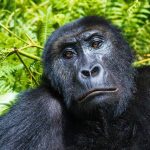

Africa Adventure Safari and Gorilla Trekking. On an adventure safari, you might raft the Nile in the morning, walk beside elephants in the afternoon, and trek into a misty forest the next day to meet a wild mountain gorilla. Your boots get muddy, your heart rate goes up, and your stories get a lot better.
This guide covers the best adventure safari experiences in Africa, how to pair them with gorilla trekking, and how to plan a trip that is exciting without being stressful.
What Is an Adventure Safari?
A classic safari is mostly done from a vehicle. An adventure safari adds active, hands-on experiences, such as:
- hiking and trekking
- walking safaris with armed guides
- white-water rafting and kayaking
- canoe and boat safaris
- cycling and horseback riding
- mountain climbing
- dune and desert adventures
The wildlife is still the star. You are simply closer to it, and more involved.
Gorilla Trekking: The Heart of the Adventure
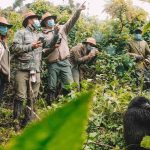
Gorilla trekking is the adventure safari’s emotional high point. You hike into dense forest, follow trackers to a gorilla family, and spend one hour in their presence.
Where to do it: Mountain gorillas live in only three countries: Uganda, Rwanda, and the Democratic Republic of Congo.
| Country | Park | What It’s Like |
|---|---|---|
| Uganda | Bwindi Impenetrable and Mgahinga | Wild, steep, and varied; easy to combine with other adventures |
| Rwanda | Volcanoes National Park | Polished and efficient; close to the capital |
| DR Congo | Virunga National Park | Dramatic and remote; check current travel advice |
How a trek works:
- Rangers give a briefing and assign your gorilla family.
- Trackers lead you through the forest. The hike can take under an hour or several hours.
- When you find the family, you spend one hour with them.
- You hike back, muddy and thrilled.
Key rules: Keep your distance, speak softly, never eat or drink nearby, and tell the rangers if you feel unwell. Gorillas can catch human illnesses. A minimum age applies, usually 15.
Africa’s Best Adventure Safari Experiences
Uganda: The Adventure Capital of East Africa
Uganda pairs gorillas with an unusually wide range of activities in a compact country.
- White-water rafting at Jinja: Tackle big rapids at the source of the Nile. Kayaking, quad biking, and bungee jumping are also on offer.
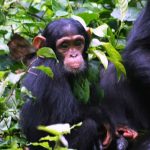
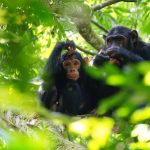
- Chimpanzee tracking in Kibale Forest: Noisy, energetic, and unforgettable.
- Boat cruise and falls hike at Murchison Falls: See the Nile squeeze through a narrow gorge.
- Tree-climbing lions in Ishasha: Part of Queen Elizabeth National Park.
- Hiking the Rwenzori Mountains: The “Mountains of the Moon,” with multi-day treks through forest and moorland.
- Canoeing on Lake Bunyonyi: A peaceful reward after trekking.
Rwanda: Short and Spectacular
- Gorilla trekking in Volcanoes National Park
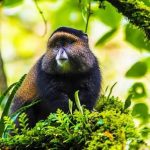
- Golden monkey tracking in the same area
- Canopy walk in Nyungwe Forest, high above the treetops
- Game drives in Akagera National Park
Tanzania: Big Landscapes, Big Challenges
- Climbing Mount Kilimanjaro, Africa’s highest peak
- Walking and game drives in the Serengeti, home to the Great Migration
- Hot air balloon flights over the plains at dawn
- Exploring Ngorongoro Crater, a natural wildlife amphitheater
Kenya: Wild and Cultural
- Maasai Mara game drives and, in season, river crossings during the migration
- Walking safaris and conservancies in Laikipia
- Mount Kenya hikes for mountain lovers
Zambia and Zimbabwe: Raw and Immersive
- Walking safaris in South Luangwa, often called the birthplace of the walking safari
- Canoe safaris on the Zambezi
- Victoria Falls activities, such as bungee jumping, white-water rafting, and swimming in daring spots when conditions allow
Botswana and Namibia: Water and Desert
- Mokoro canoe trips in the Okavango Delta
- Elephant-watching in Chobe
- Climbing the dunes at Sossusvlei
- Sandboarding and quad biking in Swakopmund
Adventure Levels: Choose Your Intensity
Gentle adventures suit most travelers:
- Boat safaris
- Short forest walks
- Cultural village visits
- Cycling on easy routes
Moderate adventures need some fitness:
- Gorilla and chimpanzee trekking
- Walking safaris
- Day hikes in mountain forests
- Canoe safaris
Big adventures are for seasoned thrill-seekers:
- Multi-day treks in the Rwenzori Mountains
- Climbing Kilimanjaro
- Class V white-water rafting
- Bungee jumping and other extreme sports
Be honest about your fitness and comfort level when you book. A good operator will match the activities to you.
Sample Itineraries
7 Days: Uganda Adventure Sampler
| Day | Plan |
|---|---|
| 1 | Arrive in Entebbe |
| 2 | Jinja, white-water rafting on the Nile |
| 3 | Travel to Kibale Forest |
| 4 | Chimpanzee tracking, then Queen Elizabeth National Park |
| 5 | Kazinga Channel boat cruise, then Bwindi |
| 6 | Gorilla trekking |
| 7 | Return journey and departure |
10 Days: Gorillas, Mountains, and Savanna
| Day | Plan |
|---|---|
| 1 | Arrive in Entebbe |
| 2-3 | Murchison Falls, game drive, boat cruise, falls hike |
| 4-5 | Kibale Forest, chimpanzee tracking |
| 6-7 | Queen Elizabeth National Park, Kyambura Gorge, Ishasha |
| 8 | Bwindi, gorilla trekking |
| 9 | Lake Bunyonyi, canoeing and rest |
| 10 | Return journey and departure |
14 Days: East Africa Adventure Grand Tour
| Days | Plan |
|---|---|
| 1-2 | Arrive and explore Entebbe or Jinja |
| 3-4 | Murchison Falls |
| 5-6 | Kibale and chimpanzees |
| 7-8 | Queen Elizabeth National Park |
| 9-10 | Bwindi and gorilla trekking |
| 11-12 | Fly to Tanzania or Kenya for a migration safari |
| 13-14 | Final game drives and departure |
Your operator can adapt any plan to your time, budget, and fitness.
When to Go
- Dry seasons are easier for trekking, game viewing, and road travel. In East Africa that’s roughly June to September and December to February. In southern Africa it’s roughly May to October.
- Green seasons bring lush scenery, fewer visitors, newborn animals, and great birding. Trails are muddier, but gorillas can be seen year-round.
Gorilla permits are limited, so book early for any season.
What to Pack
For active days:
- Waterproof hiking boots with good grip
- Quick-dry shirts and trousers in neutral colors
- A light rain jacket and a warm layer
- Gardening gloves and gaiters for forest treks
- A hat, sunscreen, and insect repellent
For wildlife:
- Binoculars
- A camera suited to low light (no flash near gorillas)
- A power bank and universal adapter
Always:
- A daypack and refillable water bottle
- Personal medication and a small first-aid kit
Health and Safety
- Vaccinations and malaria prevention: See a travel clinic well in advance. Yellow fever proof is commonly requested in this region.
- Travel insurance: Choose a policy that covers trekking, adventure sports, and medical evacuation. Read the activity list carefully, since some policies exclude extreme sports.
- Fitness: Build some stamina before you go, with walking, stairs, and hill hikes.
- Guides: Always use licensed guides and rafting companies with good safety records.
- Wildlife respect: Follow every instruction from rangers and guides.
How Much Will It Cost? – Africa Adventure Safari & Gorilla
Costs vary with the countries, season, and activities. The main expenses are:
- Gorilla and chimpanzee permits
- Park entrance fees
- Accommodation
- Transport and flights
- Adventure activity fees
- Guides and porters
Permit prices and fees change, so confirm current rates with your operator. To keep costs sensible, travel in the green season, join a small group, mix budget and comfortable lodges, and book early.
How to Choose an Adventure Safari Operator
- Check that the company is licensed by the national tourism authority
- Ask for an itemized quote that shows what is and isn’t included
- Ask about guide experience and safety standards
- Check vehicle quality and rafting or activity equipment
- Read recent reviews on independent sites
- Understand the cancellation policy, especially for permits
- Look for a real commitment to local communities and conservation
Red flags: prices far below others, pressure to pay at once, and vague promises of “guaranteed” permits.
Adventure That Gives Back – Africa Adventure Safari & Gorilla
Adventure tourism supports conservation and local livelihoods. Permit and park fees fund rangers, anti-poaching patrols, and veterinary care. Communities near the parks earn income from guiding, lodges, crafts, and revenue sharing.
You can add to the impact by hiring local guides and porters, staying in locally owned lodges, buying crafts from artisans, and following every rule that protects wildlife.
Frequently Asked Questions – Africa Adventure Safari & Gorilla
Do I need to be very fit?
Not for every activity. Gorilla trekking needs moderate fitness, and porters are available. Big treks like Kilimanjaro need more preparation.
Can I combine gorillas with an adventure safari?
Yes. Uganda is especially good for this, with gorillas, chimpanzees, rafting, and savanna parks in one trip.
Is it safe?
Many visitors travel safely each year. Use a reputable operator, follow your guide, and check current travel advice.
What’s the best country for adventure plus gorillas?
Uganda offers the widest mix. Rwanda is best for a short, efficient trip.
Can families join?
Often, yes, but activities have age limits. Gorilla trekking usually starts at 15.
Final Thoughts – Africa Adventure Safari & Gorilla
Lavish Safaris Uganda. An adventure safari in Africa isn’t about watching the wild from a distance. It’s about stepping into it: spray on your face at the rapids, dust on your boots on a walking safari, and a mountain gorilla’s calm gaze across a forest clearing.