
Best Jungle Tours in Uganda. Some jungle tours are about the animals. Others are about the walk itself: the smell of wet earth, the filtered green light, the sound of something big moving just out of sight.
Uganda has both kinds. This guide ranks the country’s best jungle tours by what they feel like, with a difficulty rating for each, so you can choose the ones that match your energy, time, and curiosity.
The Short List
| Rank | Jungle Tour | Main Draw | Difficulty |
|---|---|---|---|
| 1 | Bwindi gorilla trekking | Mountain gorillas | Moderate to hard |
| 2 | Kibale chimpanzee tracking | Chimpanzees and primates | Easy to moderate |
| 3 | Kyambura Gorge walk | Chimps in a hidden gorge | Moderate |
| 4 | Budongo Forest | Chimps and birds | Easy to moderate |
| 5 | Semuliki National Park | Rare birds, hot springs | Easy to moderate |
| 6 | Mgahinga | Golden monkeys, volcano views | Moderate |
| 7 | Rwenzori and Mount Elgon | Mountain forest hiking | Moderate to hard |
The difficulty ratings are a rough guide. Terrain, weather, and the animals’ movements change from day to day, so ask your operator for current advice.
1. Bwindi Gorilla Trekking
The feeling: Awe, then quiet.
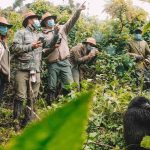
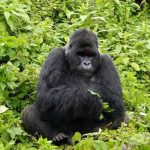
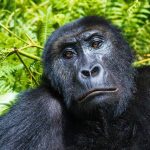
Bwindi Impenetrable National Park is ancient, steep, and thickly forested. It shelters around half of the world’s mountain gorillas. The name says it all: the vegetation is dense, the slopes are sharp, and the reward is worth every step.
What happens:
- Rangers brief you and assign a gorilla family.
- Trackers lead you into the forest. The hike can last under an hour or several hours.
- When you find the family, you get one hour with them.
Why it ranks first: Nothing else in Uganda compares to sitting a few meters from a wild gorilla. Most people go quiet, then emotional.
Good to know:
- Bwindi has several sectors, including Buhoma, Ruhija, Rushaga, and Nkuringo, each with its own landscape and lodges.
- Book permits early.
- Hire a porter for steep sections. It helps you and supports local families.
2. Kibale Chimpanzee Tracking
The feeling: Excitement and noise.
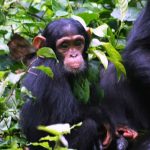
Kibale is often called the primate capital of East Africa. It has one of the highest chimpanzee densities in Africa, plus many other monkey species.
Chimps are loud and active. Expect hooting, drumming on tree roots, and fast movement overhead. Many visitors find it more energetic than gorilla trekking.
Choose your style:
- Chimpanzee tracking: A guided walk to a habituated group, usually in the morning or afternoon.
- Habituation experience: A longer, full-day option, following the chimps as they go about their day.
Add-on: The nearby Bigodi Wetland Sanctuary offers an easy, community-run walk for birds and monkeys.
3. Kyambura Gorge
The feeling: Surprise.
Kyambura is a lush, green gorge that cuts through the open savanna of Queen Elizabeth National Park. You stand in dry grassland, then step down into a ribbon of rainforest. It is often called the “Valley of Apes.”
A guided walk may turn up chimpanzees, monkeys, and birds. Sightings are never guaranteed, but the contrast of savanna and jungle makes it special.
4. Budongo Forest
The feeling: Relaxed and rewarding.
Budongo is a large lowland forest near Murchison Falls National Park. It offers chimpanzee tracking and some of the country’s best birding. The terrain is generally gentler than in the southwest, so it suits travelers who want a jungle experience without steep climbs.
It pairs naturally with a savanna safari and a Nile boat cruise.
5. Semuliki National Park
The feeling: Remote and different.
Semuliki sits in western Uganda and feels like a piece of the Congo Basin. The forest is a favorite with serious birders, who come for species rarely seen elsewhere in the country. The Sempaya hot springs add a surprising touch, with bubbling pools steaming in the middle of the forest.
6. Mgahinga Gorilla National Park
The feeling: Scenic and peaceful.
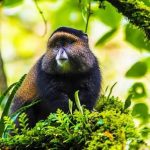
Mgahinga is small and quiet, set among the Virunga volcanoes in the far southwest. Besides gorilla trekking, you can track golden monkeys and hike volcano trails. It suits travelers who want dramatic scenery and fewer crowds.
7. Rwenzori and Mount Elgon
The feeling: Challenge and big views.
These two mountain parks are for walkers who love the climb.
- Rwenzori Mountains: Known as the “Mountains of the Moon.” Trails rise from misty forest through moorland to alpine terrain, with moss-draped trees and rare plants. Expect mud, rain, and cold.
- Mount Elgon: An extinct volcano on the Kenyan border, with forest trails, caves, hot springs, and a huge caldera. The nearby Sipi Falls area is ideal for waterfall walks and coffee tours.
Both offer short day hikes as well as multi-day options.
Easy Extras Worth Adding
- Mabira Forest near Jinja: A short, easy nature walk, good for birds and a quick jungle fix.
- Kalinzu and Maramagambo Forests near Queen Elizabeth National Park: Quiet forest walks, with caves and crater lake views at Maramagambo.
- Mabamba Swamp near Entebbe: Not a forest, but the best place to look for the shoebill.
Choosing Your Jungle Tours
One day only: Do Kibale chimpanzee tracking or Mabira Forest.
Gorillas are the dream: Build your trip around Bwindi, and add Kibale for chimps.
Birdwatching is the priority: Combine Semuliki, Bigodi, and Mabamba.
Easy walking only: Choose Budongo, Bigodi, or Mabira.
You love a challenge: Add Rwenzori or Mount Elgon.
A Sample 9-Day Plan
| Day | Plan |
|---|---|
| 1 | Arrive in Entebbe, optional Mabamba shoebill trip |
| 2 | Travel to Murchison Falls area |
| 3 | Budongo Forest chimps, Nile boat cruise |
| 4 | Travel to Kibale |
| 5 | Chimpanzee tracking, Bigodi Wetland walk |
| 6 | Queen Elizabeth National Park, Kyambura Gorge |
| 7 | Travel to Bwindi |
| 8 | Gorilla trekking |
| 9 | Return journey and departure |
Ask your operator to adjust the order, length, and difficulty for your group.
When to Go
- Dry seasons (roughly December to February and June to September): Trails are less slippery. These are the busiest months, so book early.
- Wet seasons (roughly March to May and October to November): The forest is lush, crowds are smaller, and birding is excellent. Trails are muddier.
Rain can fall in any month, so always pack waterproofs.
What to Pack – Best Jungle Tours in Uganda
- Waterproof hiking boots with good grip
- Long sleeves and long trousers in neutral colors
- A light rain jacket
- Gardening gloves
- Gaiters or long socks
- Insect repellent and sunscreen
- Binoculars and a low-light camera (no flash near primates)
- A daypack, water bottle, and power bank
Rules and Safety – Best Jungle Tours in Uganda
- Keep your distance and speak softly around primates.
- Never feed or touch the animals.
- Tell your guide if you are unwell, since great apes can catch human illnesses.
- Minimum ages apply for gorilla and chimpanzee trekking. Confirm current rules with your operator.
- See a travel clinic early about vaccinations and malaria prevention. Yellow fever proof is commonly requested.
- Choose travel insurance that covers trekking and medical evacuation.
Costs and Booking – Best Jungle Tours in Uganda
The main costs are permits, park fees, accommodation, transport, and guides. Permit prices and fees change, so confirm current rates with your operator.
To plan well:
- Book gorilla permits as early as you can.
- Request an itemized quote showing what is and isn’t included.
- Check that your operator is licensed by the Uganda Tourism Board.
- Read recent independent reviews.
- Be wary of prices far below others and promises of “guaranteed” permits.
Frequently Asked Questions – Best Jungle Tours in Uganda
Which jungle tour should I do if I only have time for one?
For gorillas, Bwindi. For an easier, livelier option, Kibale chimpanzee tracking.
Are sightings guaranteed?
No, because the animals are wild. Trackers have strong success rates, though.
How fit do I need to be?
A moderate level helps for most treks. Porters and a slower pace are available.
Can children join?
Often, yes, but age limits apply to gorilla and chimp trekking.
Final Thoughts – Best Jungle Tours in Uganda
Lavish Safaris Uganda. The best jungle tour in Uganda is the one that matches your energy and curiosity. Some travelers want the hush of a gorilla encounter. Others want the drumming of chimps, the hush of a rare bird, or the quiet challenge of a mountain trai