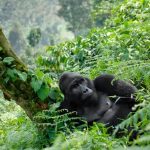

Best Month for Gorilla Trekking. Standing a few meters from a wild mountain gorilla is one of the most powerful wildlife experiences on Earth. Uganda is one of only three countries where you can do it, and it’s home to roughly half of the world’s remaining mountain gorillas. But when should you go?
The short answer: June to September and December to February are the best months. These are Uganda’s dry seasons, when trails are drier, the hiking is easier, and your chances of a comfortable trek are highest. Gorillas can be trekked all year round, though, so the “best” month depends on your budget, your fitness, and what else you want from your trip.
Where Gorilla Trekking Happens
Uganda’s gorillas live in two protected areas in the southwest of the country:
- Bwindi Impenetrable National Park, a dense, ancient rainforest and the main trekking destination, with several gorilla sectors: Buhoma, Ruhija, Rushaga, and Nkuringo.
- Mgahinga Gorilla National Park, a smaller park in the Virunga Mountains on the border with Rwanda and the DR Congo.
Both are high-altitude, mountainous forests. That matters, because the weather up there changes quickly, and trail conditions depend heavily on rainfall.
Understanding Uganda’s Seasons
Uganda sits on the equator, so it doesn’t have summer and winter. Instead, the year is split into dry and wet seasons.
| Season | Months | What to expect |
|---|---|---|
| Long dry season | June to September | Driest, most reliable weather |
| Short wet season | October to November | Frequent rain, lush scenery |
| Short dry season | December to February | Mostly dry, warm, and sunny |
| Long wet season | March to May | Heaviest rainfall of the year |
The Best Months: The Dry Seasons – Best Month for Gorilla Trekking
June to September
This is peak season, and for good reason. Rainfall is at its lowest, so trails through the forest are less muddy and slippery. Treks in the thick, steep terrain of Bwindi are noticeably easier when the ground is firm. Skies are clearer, which also helps with photography. Roads to the park are in better condition, and mosquito numbers drop.
The catch: Everyone else knows this too. Gorilla permits are limited, with only a small number of visitors allowed to see each gorilla family per day, so permits and lodges in these months can sell out many months in advance. Book early if you plan to travel in July or August.
December to February
The short dry season is another excellent window. Weather is warm and mostly dry, and the festive holidays make it a popular time to travel. January and February are often a sweet spot: drier conditions, with fewer crowds than July and August.
The catch: Late December is busy and can be pricier, so plan ahead.
The Wet Months: Still Worth Considering
March to May
This is the heaviest rainy season. Trails can be slippery, treks can feel more demanding, and some roads become difficult. But there are real upsides:
- Fewer tourists, so a quieter, more intimate experience
- Easier availability of permits and lodges
- Lush, vibrant forest scenery
- Possible lower prices on accommodation, and sometimes on permits (always check with the Uganda Wildlife Authority for current rates and any discounts)
October to November
The short wet season brings regular showers, but they’re often brief, with sunshine between them. It’s a good compromise if you want smaller crowds without the full intensity of the spring rains.
A helpful fact: Gorillas don’t migrate with the seasons. In fact, in the wetter months, they often stay at lower elevations because food is plentiful, which can mean shorter treks in some cases. Rain doesn’t stop the trek either. Trackers and guides go out in all weather, and many travelers say the mist and rain add atmosphere.
Month-by-Month Quick Guide – Best Month for Gorilla Trekking
- January: Dry and warm, with great trekking conditions and moderate crowds.
- February: Among the best months, with dry weather and fewer visitors than mid-year.
- March: Rains begin and trails get muddy, but it’s quiet and good for budget travelers.
- April: One of the wettest months, with the toughest trails but the fewest crowds.
- May: Still wet, with gradually improving conditions toward the end.
- June: The dry season begins, and trekking conditions improve noticeably.
- July: Peak season with excellent weather. Book permits early.
- August: Equally busy and dry, and a favorite for families and travelers with school holidays.
- September: Still dry, with crowds beginning to thin. Very good value for the weather.
- October: Showers return, but with fewer crowds and lush greenery.
- November: Wet, but quiet and good for flexible travelers.
- December: Dry and festive, but busy over the holidays.
So, Which Month Should You Choose?
If you want the easiest trek and best weather: Choose June to September, or January to February.
If you want fewer crowds and lower costs: Choose March to May or October to November, and pack well for rain.
If you want the best balance: Aim for September or February. The weather is still good, but the crowds are lighter than in peak July and August.
Tips for Any Month – Best Month for Gorilla Trekking
- Book your gorilla permit early. Permits are limited and sell out, especially for peak months.
- Pack for rain, even in the dry season. A rainforest can produce a shower on any day. Bring a waterproof jacket.
- Wear sturdy hiking boots with good grip, plus long sleeves and trousers to protect against nettles and insects.
- Bring gardening gloves. They help when you grab vegetation on steep, slippery slopes.
- Hire a porter. It makes the hike easier, and it supports local families.
- Stay healthy. You can’t trek if you’re ill, as gorillas are susceptible to human diseases, so stay home with a cold or flu.
- Be fit enough. Treks can last anywhere from one hour to over six, depending on where the gorillas are that day.
Final Thoughts – Best Month for Gorilla Trekking
Lavish Safaris Uganda. There’s no bad time to meet Uganda’s gorillas, but there are better times for your style of travel. The dry months of June to September and December to February offer the most comfortable trekking, while the wetter months reward you with quiet trails and lush scenery. Whenever you go, the moment those eyes meet yours through the leaves is one you will not forget.