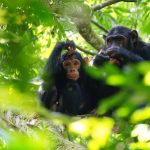

Africa Safari and Gorilla Tours. Some trips make good photos. Others change how you see the world. An African safari paired with a gorilla trek can do both.
In the morning, you might watch lions rest in golden grass. A few days later, you could be sitting in a misty forest, a few meters from a wild mountain gorilla. Few journeys on Earth deliver that range of wonder.
This guide explains how safari and gorilla tours work, where to go, when to travel, and how to plan a trip you’ll remember for life.
Safari and Gorillas: Two Experiences, One Journey
A safari is about open landscapes and variety. You travel by vehicle, boat, or on foot to spot lions, elephants, giraffes, hippos, and hundreds of bird species.
A gorilla tour is about closeness and stillness. You hike into dense forest, find a gorilla family, and spend an hour in their company.
They feel very different, which is why they pair so well. Savanna days are energetic and wide-open. Forest days are quiet and intimate. Together, they give you a fuller picture of Africa.
Where Can You See Mountain Gorillas?
Mountain gorillas live in only three countries, all in the same mountain region of East and Central Africa.
Uganda
Uganda is home to Bwindi Impenetrable National Park, a thick, ancient forest that shelters around half of the world’s mountain gorillas. Mgahinga Gorilla National Park, in the far southwest, is smaller and quieter.
Why choose Uganda: It combines gorillas with chimpanzees, savanna parks, boat safaris, and Nile adventures, all within a short distance. Permits are generally cheaper than in Rwanda.
Rwanda
Volcanoes National Park sits on volcanic slopes a few hours’ drive from Kigali, the capital. The country is small, safe, and very well organized.
Why choose Rwanda: It’s ideal for short trips and travelers who want a polished, efficient experience. Permits cost more than in Uganda.
Democratic Republic of Congo
Virunga National Park offers gorilla trekking in a dramatic volcanic setting. Conditions there can change, so check current travel advice and work only with experienced operators.
How Gorilla Trekking Works
- Briefing. Rangers explain the rules and assign you to a gorilla family.
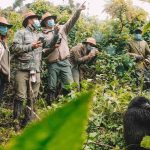
- The trek. Trackers lead you into the forest. The hike can last from under an hour to several hours, depending on where the gorillas spent the night.
- The encounter. When you find the family, you spend one hour with them.
- The return. You hike back, often muddy, tired, and very happy.
Important rules
- Visitor numbers are limited, with small groups per gorilla family each day.
- Keep a safe distance and speak quietly.
- Don’t eat or drink near the gorillas.
- If you are sick, tell the rangers. Gorillas can catch human illnesses.
- There is a minimum age for trekking, usually 15.
What it feels like
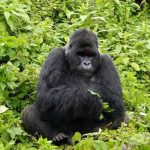
Expect steep slopes, mud, and thick vegetation. Then the forest opens, and a silverback is just a few meters away. Mothers cradle babies and young gorillas tumble and play. Most people describe it as emotional and deeply moving.
The Best Safari Destinations to Pair With Gorillas
Uganda
- Queen Elizabeth National Park: Game drives, a boat cruise on the Kazinga Channel, and tree-climbing lions in the Ishasha sector.
- Murchison Falls National Park: A powerful waterfall, Nile boat trips, and savanna wildlife.
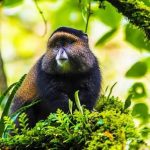
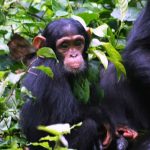
- Kibale Forest: Chimpanzee tracking among many primate species.
- Kidepo Valley: Remote, wild, and uncrowded.
Rwanda
- Akagera National Park: Savanna game drives and the Big Five.
- Nyungwe Forest: Chimpanzees and a canopy walk.
Tanzania and Kenya
Fly or travel on to the Serengeti and Maasai Mara for the Great Migration and legendary big-cat viewing.
Southern Africa
Botswana, Zambia, South Africa, and Namibia offer luxury, walking safaris, and dramatic desert scenery.
Sample Itineraries
7 Days: Uganda Gorillas and Wildlife
| Day | Plan |
|---|---|
| 1 | Arrive in Entebbe and transfer to your hotel |
| 2 | Travel to Queen Elizabeth National Park, evening game drive |
| 3 | Kazinga Channel boat cruise |
| 4 | Ishasha tree-climbing lions, then travel to Bwindi |
| 5 | Gorilla trekking |
| 6 | Relax at Lake Bunyonyi |
| 7 | Return to Entebbe for departure |
10 Days: Uganda and Rwanda Primates
| Day | Plan |
|---|---|
| 1 | Arrive in Entebbe |
| 2-3 | Kibale Forest, chimpanzee tracking |
| 4-5 | Queen Elizabeth National Park, safari activities |
| 6 | Travel to Bwindi |
| 7 | Gorilla trekking in Uganda |
| 8 | Cross to Rwanda, scenic drive |
| 9 | Gorilla trekking in Volcanoes National Park |
| 10 | Transfer to Kigali for departure |
14 Days: East Africa Grand Tour
| Days | Plan |
|---|---|
| 1-2 | Arrive and explore Kampala or Entebbe |
| 3-4 | Murchison Falls National Park |
| 5-6 | Kibale Forest and chimpanzees |
| 7-8 | Queen Elizabeth National Park |
| 9-10 | Bwindi and gorilla trekking |
| 11-12 | Fly to Tanzania or Kenya for a classic safari |
| 13-14 | Migration viewing and departure |
When to Go
Dry seasons are easier for trekking and wildlife viewing.
- East Africa: roughly June to September, and December to February
- Southern Africa: roughly May to October
Green seasons bring lush scenery, fewer visitors, newborn animals, and excellent birding. Trails are muddier, but gorillas can still be seen year-round.
Gorilla permits sell out fast for peak months, so book early either way.
What to Pack
For gorilla trekking:
- Waterproof hiking boots with good grip
- Long-sleeved shirt and long trousers
- Light rain jacket
- Gardening gloves for gripping vegetation
- Gaiters or long socks
- Insect repellent and sunscreen
- A small daypack and water bottle
For safari:
- Neutral-colored, lightweight clothing
- A warm layer for early mornings
- Binoculars and a camera with spare batteries
- A hat and sunglasses
- A power bank and universal adapter
Health, Safety, and Etiquette
- Vaccinations: See a travel clinic early. Yellow fever proof is commonly requested in this region.
- Malaria prevention: Ask a doctor about suitable options.
- Travel insurance: Choose a policy covering trekking, adventure activities, and medical evacuation.
- Follow your guide: They know the animals, terrain, and safety rules.
- Respect wildlife and people: Keep your distance, avoid loud noise, and ask before photographing people.
How Much Will It Cost?
Costs vary by country, season, and comfort level. The main expenses are:
- Gorilla permits (the biggest single cost)
- Park entrance fees
- Accommodation
- Transport and fuel
- Guides and activity fees
- International and regional flights
Permit prices and fees change over time, so confirm current rates with your operator. To keep costs sensible:
- Travel in the green season
- Join a small group
- Mix budget and mid-range lodges
- Book permits and flights early
Choosing a Tour Operator – Africa Safari and Gorilla Tours
A good operator makes the whole trip easier. Look for:
- A license from the Uganda Tourism Board (or the local equivalent)
- Clear, itemized pricing
- Experienced guides
- Well-maintained vehicles
- Recent reviews on independent sites
- A clear cancellation policy, especially for permits
- A real commitment to local communities and conservation
Avoid prices far below everyone else’s, pressure to pay at once, and vague promises of “guaranteed” permits.
Travel That Helps Protect Gorillas – Africa Safari and Gorilla Tours
Gorilla tourism directly supports conservation. Permit fees fund rangers, anti-poaching work, and veterinary care. A share also goes to nearby communities for schools, clinics, and roads. Mountain gorilla numbers have risen in recent decades, and responsible tourism is a major reason.
You can do more by:
- Hiring local guides and porters
- Staying in locally owned lodges
- Buying crafts directly from artisans
- Following every park rule
Frequently Asked Questions – Africa Safari and Gorilla Tours
How fit do I need to be for gorilla trekking?
A moderate fitness level helps. Porters and walking sticks are available, and rangers set a pace that suits the group.
Can I trek gorillas and go on safari in the same trip?
Yes. Most travelers combine both, often adding chimpanzees, boat cruises, or a Great Migration visit.
How many days do I need?
A week covers the essentials. Ten to fourteen days lets you add more parks without rushing.
Is it safe?
Millions of visitors travel safely in the region each year. Use a reputable operator and check current travel advisories.
Is it suitable for families?
Yes, with planning. Gorilla trekking has a minimum age, so check the rules before you book.
Final Thoughts – Africa Safari and Gorilla Tours
With Lavish Safaris Uganda. A safari shows you Africa’s scale. A gorilla trek shows you its heart. Put them together and you get a journey of wide horizons and quiet, powerful moments.