
Have You Thought of Visiting Uganda?. Ask most people to name a dream safari destination and you’ll hear Kenya, Tanzania, or South Africa. Uganda often comes up last, if at all. That’s exactly why you should think about it.
Uganda is green, friendly, wildly varied, and far less crowded than its famous neighbors. In one trip, you can sit near a mountain gorilla, cruise past elephants, hike beside a roaring waterfall, and raft the source of the world’s longest river. Winston Churchill called it the “Pearl of Africa,” and he wasn’t exaggerating.
If Uganda hasn’t been on your radar, this guide will change that.
Why Uganda Deserves a Place on Your Travel List
1. Mountain gorillas
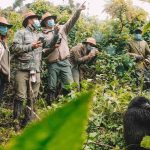
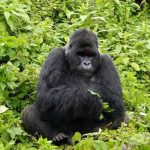
Uganda protects roughly half of the world’s remaining mountain gorillas. Trekking through misty forest to spend an hour with a gorilla family is one of the most moving wildlife experiences anywhere.
2. Incredible variety in a compact country
Uganda is roughly the size of the United Kingdom, yet it packs in rainforests, savannas, snow-capped mountains, crater lakes, wetlands, and waterfalls. Many highlights are a day’s drive or a short flight apart.
3. Far fewer crowds
Compared with the busiest safari circuits, Uganda feels wild and personal. You often have a trail, a viewpoint, or a boat almost to yourself.
4. Adventure beyond the game drive
Uganda is built for active travelers: trekking, white-water rafting, kayaking, cycling, boat safaris, and hiking mountains all fit into one trip.
5. Warm, welcoming people
Ugandans are known for their friendliness. A smile, a greeting, and a shared story are part of the experience from the moment you land.
What You Can Do in Uganda
Meet the primates
- Gorilla trekking in Bwindi Impenetrable National Park or Mgahinga Gorilla National Park
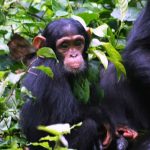
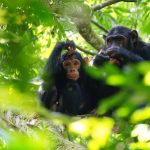
- Chimpanzee tracking in Kibale Forest, a hotspot for primates
- Golden monkey tracking in Mgahinga
Go on a classic safari
- Queen Elizabeth National Park: Game drives, the Kazinga Channel boat cruise, and tree-climbing lions in the Ishasha sector
- Murchison Falls National Park: The Nile squeezing through a narrow gorge, plus game drives and boat trips
- Kidepo Valley National Park: A remote, rugged park with big landscapes and few visitors
- Lake Mburo National Park: Zebras, impalas, and the chance to explore on foot, by bike, or on horseback
Chase adrenaline
- Jinja: White-water rafting, kayaking, quad biking, bungee jumping, and sunset Nile cruises
- Rwenzori Mountains: Multi-day treks in the “Mountains of the Moon”
- Mount Elgon and Sipi Falls: Waterfall hikes, caves, and coffee tours
Slow down and soak it in
- Lake Bunyonyi: Canoeing and swimming in a peaceful highland lake
- Crater lakes near Fort Portal: Scenic walks and quiet views
- Village visits: Learn about local crafts, cooking, and music
Watch birds
With over 1,000 bird species recorded, Uganda is a paradise for birders. The star is the shoebill, a prehistoric-looking bird often seen in Mabamba Swamp near Entebbe.
A Taste of Uganda: Food and Culture
Food in Uganda is hearty and fresh. Try:
- Matoke: Steamed, mashed green bananas, a staple dish
- Rolex: A street-food favorite of eggs rolled in a chapati
- Luwombo: Meat or chicken slow-cooked in banana leaves
- Fresh tropical fruit: Mangoes, pineapples, and passion fruit
- Ugandan coffee and tea: Grown locally and well worth a farm tour
Culture is lively too. Music, dance, craft markets, and storytelling are part of daily life. Even a few words of local greetings go a long way.
When Is the Best Time to Visit?
Uganda sits on the equator, so it’s warm year-round and you can visit in any month.
- Dry seasons (roughly December to February and June to September): Easier trekking, better roads, and good wildlife viewing. These are the busiest months, so book early.
- Wet seasons (roughly March to May and October to November): Lush landscapes, fewer visitors, and superb birding. Trails are muddier, but gorillas and chimps are still there.
Rain can appear at any time near the equator, so always pack a light rain jacket.
How Many Days Do You Need?
| Trip Length | What You Can Do |
|---|---|
| 5-6 days | Gorilla trekking plus one savanna park |
| 7-8 days | Gorillas, chimps, and Queen Elizabeth National Park |
| 10-12 days | Add Murchison Falls and Jinja adventures |
| 14+ days | Add Kidepo, the Rwenzoris, or a Rwanda extension |
A Sample 8-Day Uganda Itinerary
| Day | Plan |
|---|---|
| 1 | Arrive in Entebbe and settle in |
| 2 | Travel to Kibale Forest |
| 3 | Chimpanzee tracking and a wetland walk |
| 4 | Queen Elizabeth National Park, afternoon game drive |
| 5 | Kazinga Channel boat cruise, then head to Ishasha |
| 6 | Bwindi, gorilla trekking |
| 7 | Lake Bunyonyi for canoeing and rest |
| 8 | Return journey and departure |
Getting There and Getting Around
- Flights: Most international travelers arrive at Entebbe International Airport, near Kampala.
- Road travel: Roads connect most major parks. Some stretches are slow, so build in extra time.
- Domestic flights: Small planes link several parks and save hours of driving.
- Guided or self-drive: A guided trip is easier for first-timers. Some travelers hire a vehicle for more flexibility, but check your driving comfort and local conditions first.
Practical Tips Before You Go
- Entry requirements: Check current visa and entry rules for your passport well before departure.
- Health: See a travel clinic about vaccinations and malaria prevention. Yellow fever proof is commonly requested.
- Insurance: Choose travel insurance that covers trekking and medical evacuation.
- Money: Carry some local currency for small purchases, and check what cards are accepted at your lodges.
- Packing: Bring waterproof hiking boots, lightweight long sleeves and trousers, a rain jacket, gloves for forest treks, binoculars, and a power bank.
- Respect: Dress modestly in villages, ask before photographing people, and follow every park rule.
Is Uganda Safe? – Have You Thought of Visiting Uganda
Many visitors travel through Uganda safely every year. As anywhere, use common sense:
- Check current travel advisories before you go
- Travel with a reputable, licensed operator
- Follow your guide’s advice
- Keep valuables secure in cities
- Avoid walking alone at night in unfamiliar areas
How Much Will It Cost? – Have You Thought of Visiting Uganda
Costs depend on season, comfort level, and activities. The main expenses are:
- Gorilla and chimpanzee permits
- Park entrance fees
- Accommodation
- Transport and fuel
- Guides and activity fees
- International flights
Permit prices and fees change, so confirm current rates before budgeting. To keep costs manageable, travel in the wet season, join a small group, mix budget and mid-range lodges, and book early.
Choosing the Right Tour Operator
A good operator can make or break your trip. Look for:
- A valid license from the Uganda Tourism Board
- A clear, itemized quote showing what is included
- Experienced guides and well-kept vehicles
- Recent reviews on independent sites
- A fair cancellation policy, especially for permits
- A commitment to local communities and conservation
Be cautious of prices far below others, pressure to pay at once, and vague promises of “guaranteed” permits.
Travel That Gives Back – Have You Thought of Visiting Uganda
Tourism helps protect Uganda’s wildlife. Permit and park fees pay for rangers, anti-poaching patrols, and conservation work. Communities near the parks receive a share for schools, clinics, and roads.
You can add to that impact by:
- Hiring local guides and porters
- Staying in locally owned lodges
- Buying crafts directly from artisans
- Eating at local restaurants
Frequently Asked Questions – Have You Thought of Visiting Uganda
Is Uganda good for first-time safari travelers?
Yes. The country is compact, welcoming, and offers wildlife, culture, and adventure in one trip.
Do I need to be very fit?
Not for most activities. Gorilla and chimp treks involve some hiking, but porters and a slower pace are available.
Can I travel as a family?
Yes. Many lodges welcome families, though gorilla and chimp trekking have minimum age limits.
Can I travel solo?
Yes. Many solo travelers join small-group trips or hire a private guide.
Can I combine Uganda with Rwanda or Kenya?
Absolutely. Uganda and Rwanda pair well for primates, and Uganda and Kenya or Tanzania pair well for a bigger East Africa journey.
Final Thoughts – Have You Thought of Visiting Uganda
Lavish Safaris Uganda asks, Have you thought of visiting Uganda? If the answer has been “not yet,” this might be the nudge you needed.